
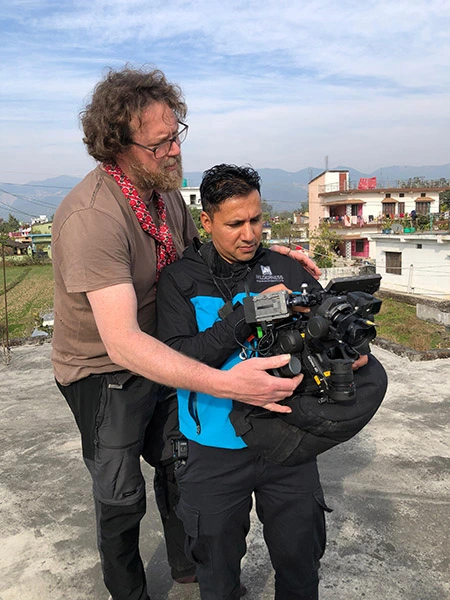
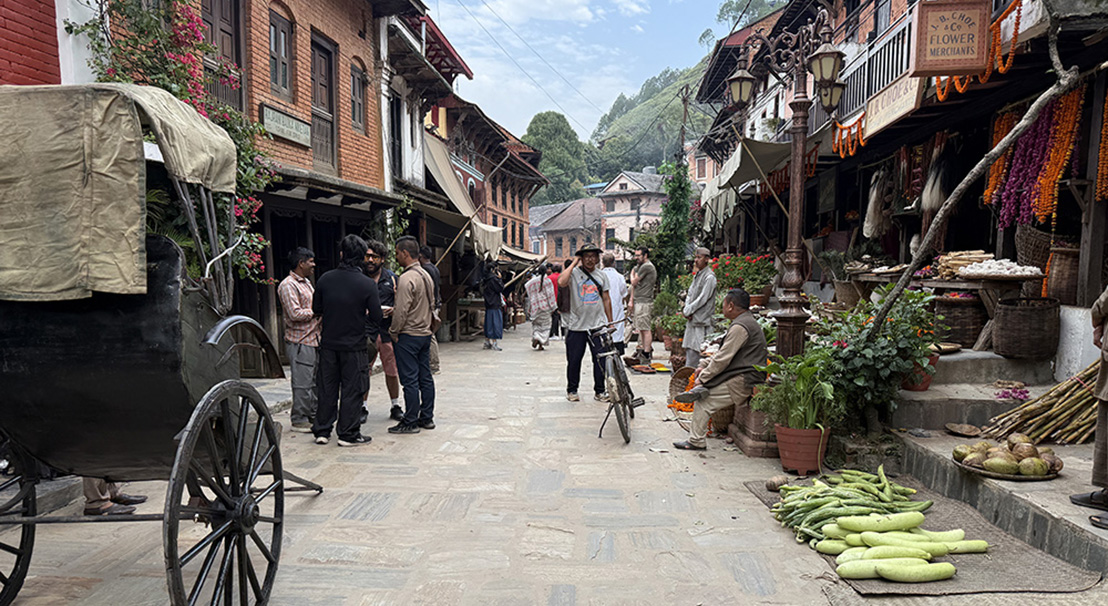
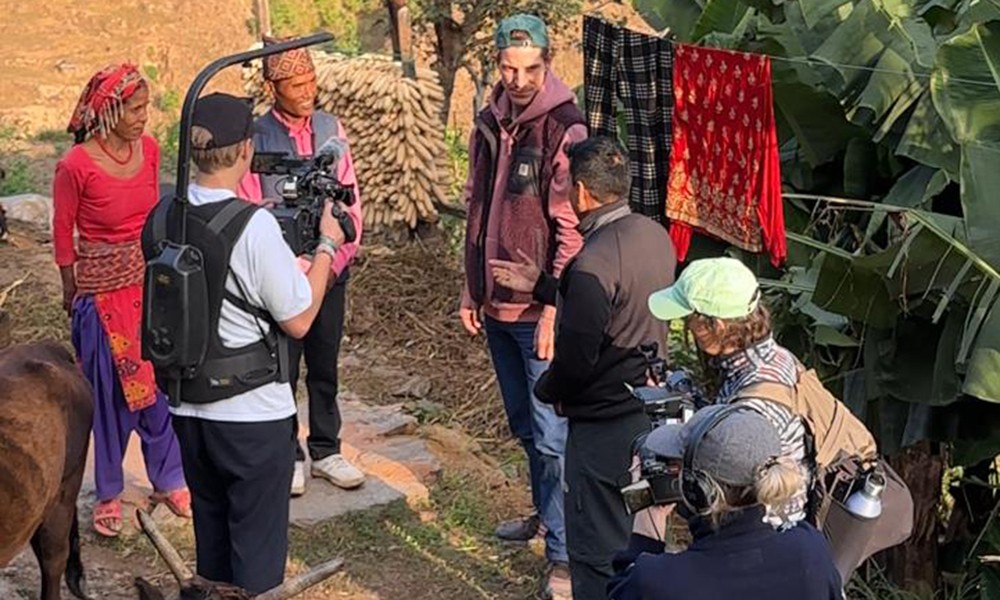
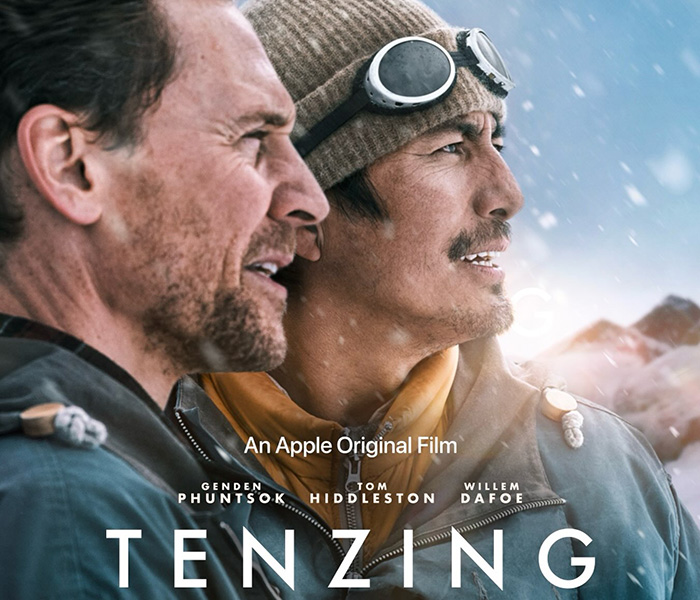
Apple Original Films shot Tenzing (2026) across nine primary locations in Nepal, managed in full by Wilderness Film Productions as Location Manager for the Nepal shoot. The production moved between a UNESCO heritage site, remote mountain districts, and villages above 3,700 meters, all without losing a single shooting day.
This guide covers every confirmed location, what made each one suitable for the production, and what it takes for any international crew to film there.
Why Nepal Works as a Filming Destination
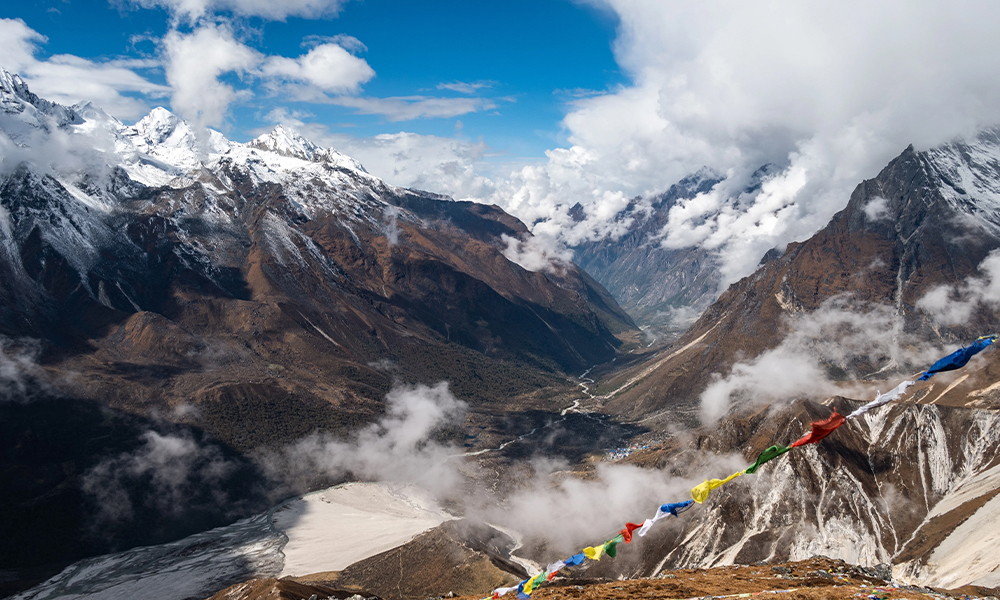
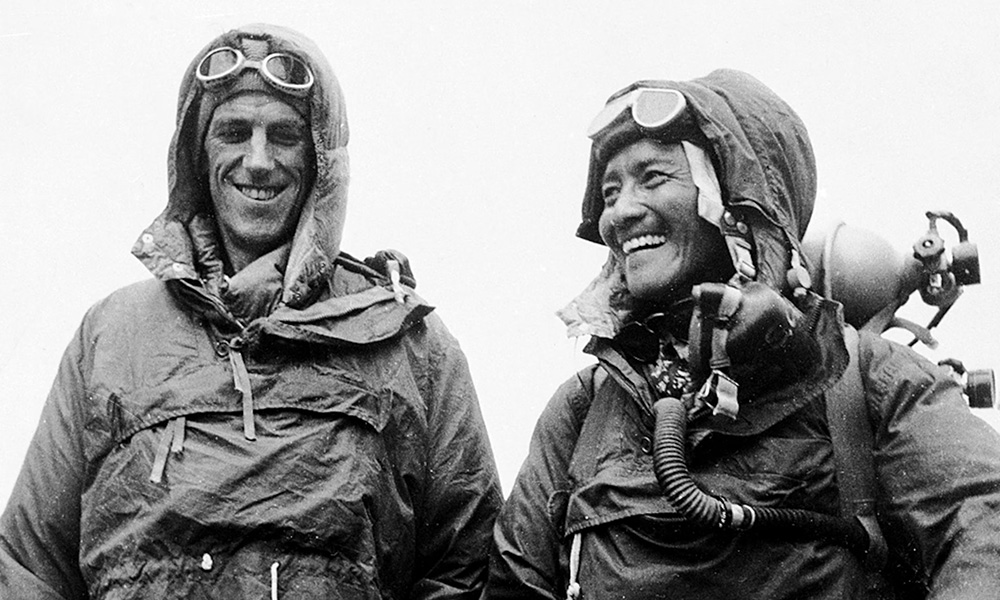
Nepal offers a range of terrain within short travel distances that few countries can match, from dense Kathmandu Valley heritage architecture to high Himalayan villages above 3,500 meters. A production can move from a UNESCO World Heritage site to a remote mountain district within a single production schedule, provided permits and logistics are planned well in advance. Tenzing (2026) used this range directly, since its story moves between the capital and the high mountains where the real 1953 British Mount Everest expedition took place.
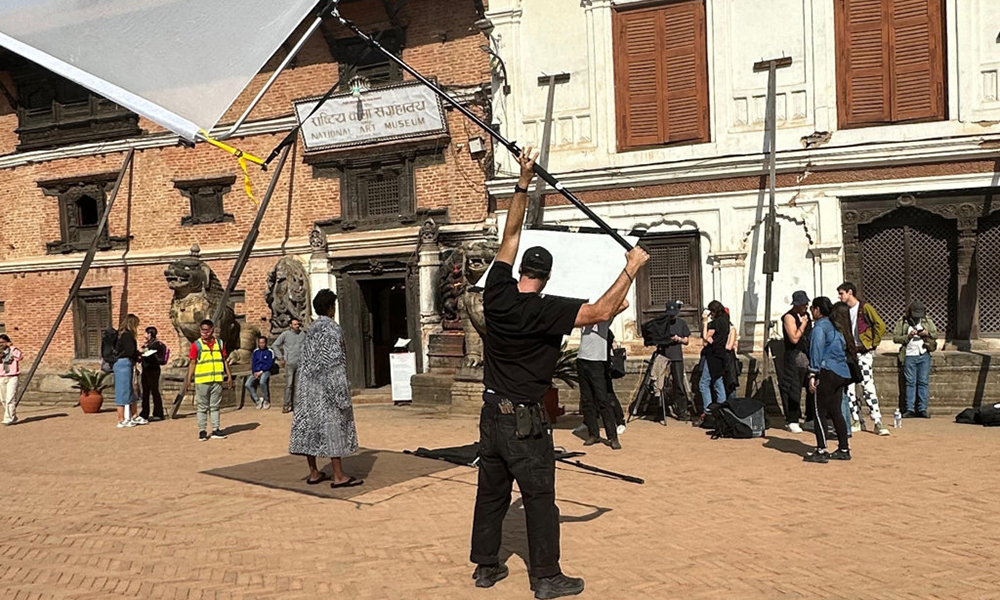
Patan Durbar Square, Kathmandu
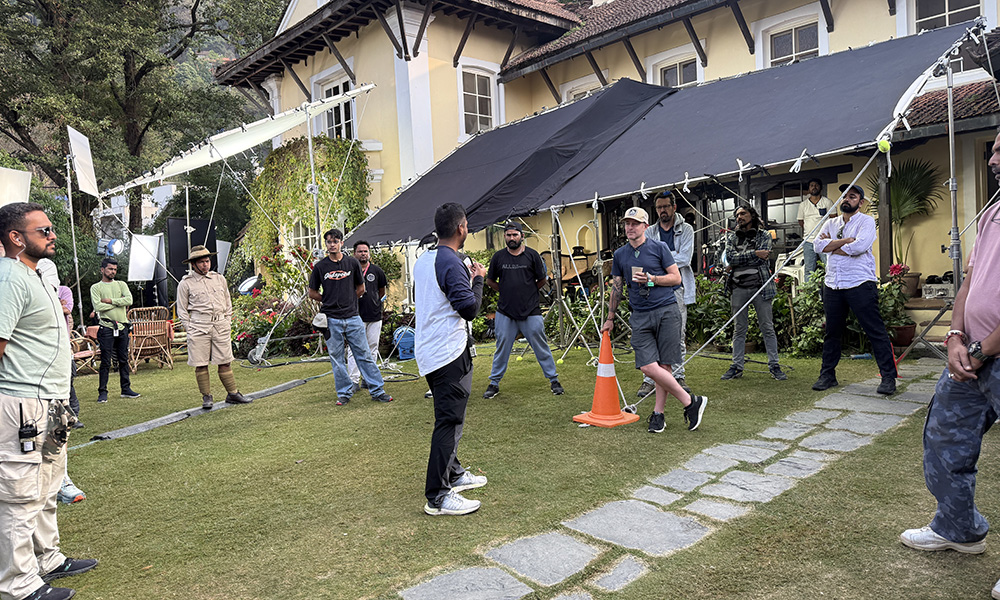
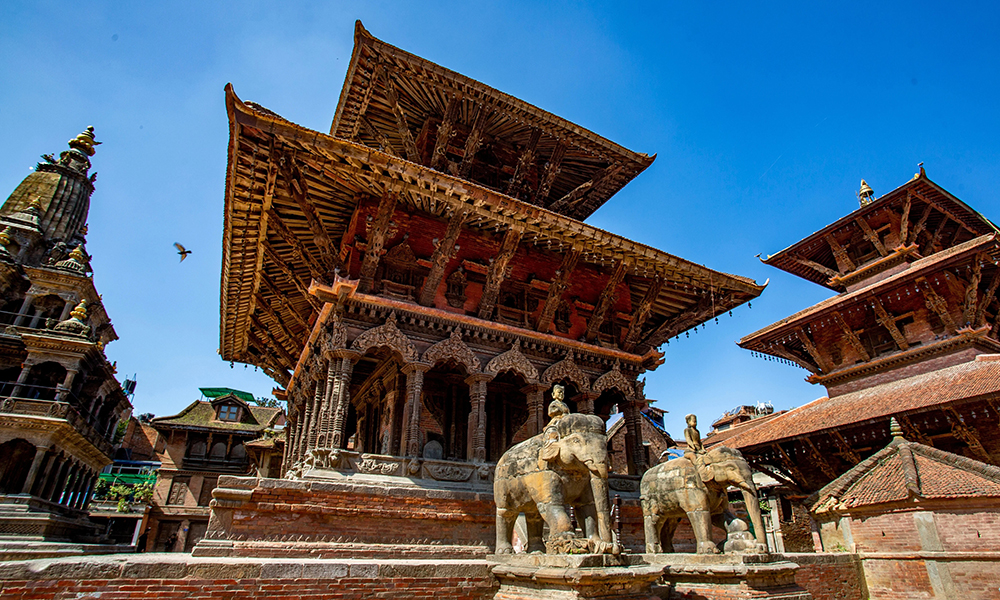
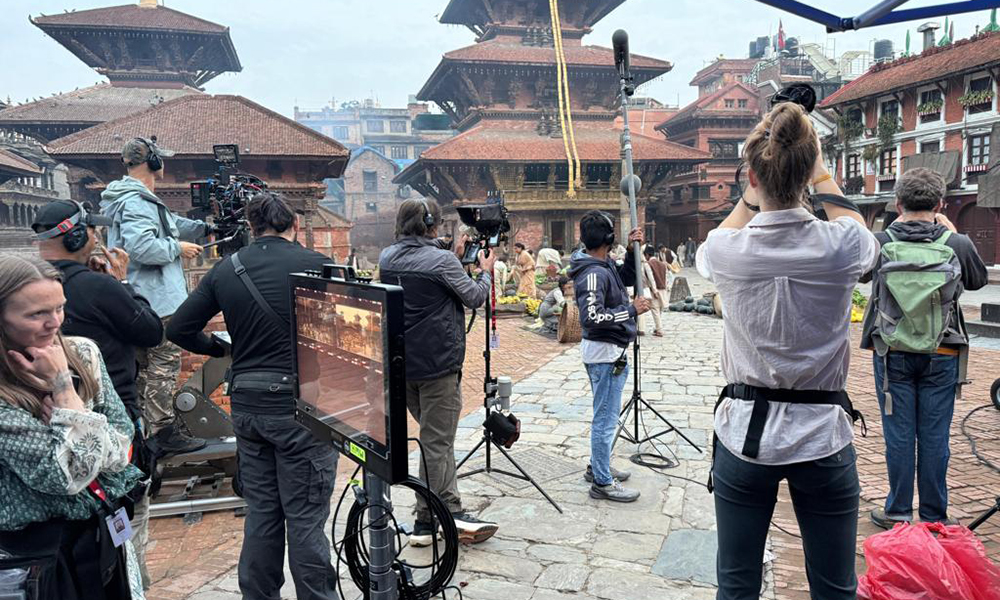
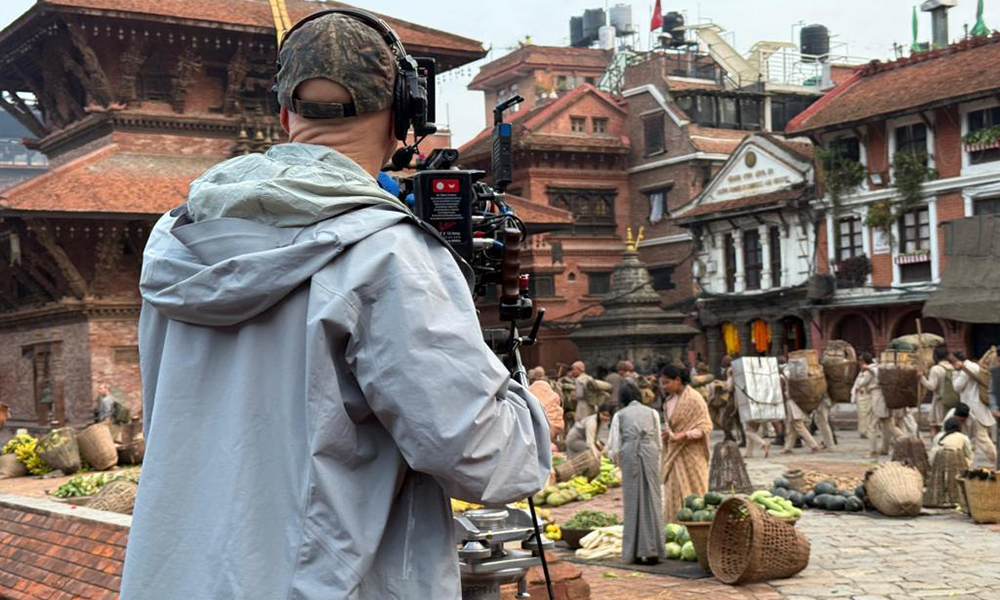
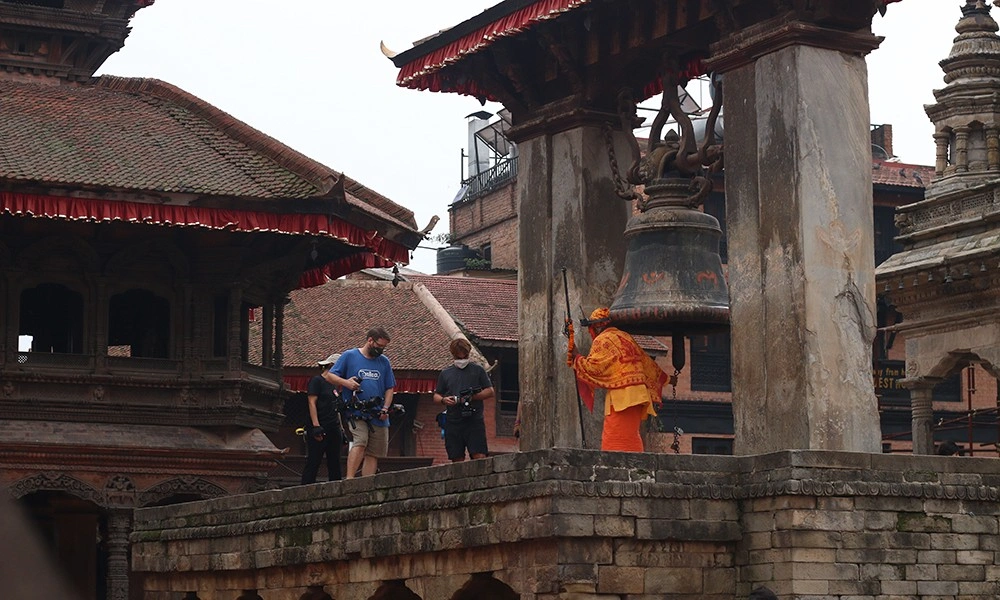
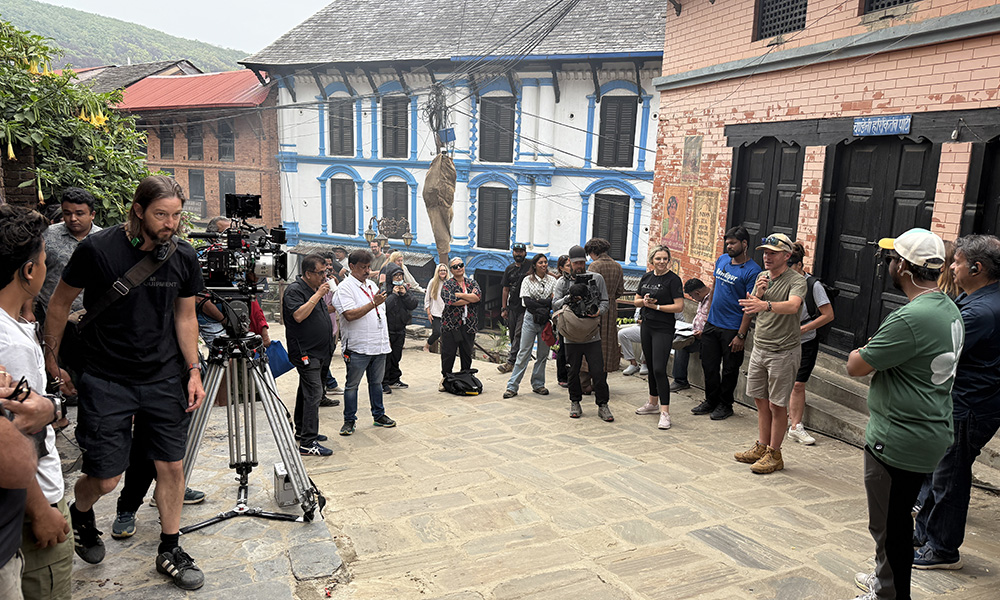
Patan Durbar Square sits at the historic center of Kathmandu and holds UNESCO World Heritage status, making it one of the most significant filming locations used for Tenzing (2026). Securing this site required permit approval from three separate government agencies, a process that took eleven weeks to complete.
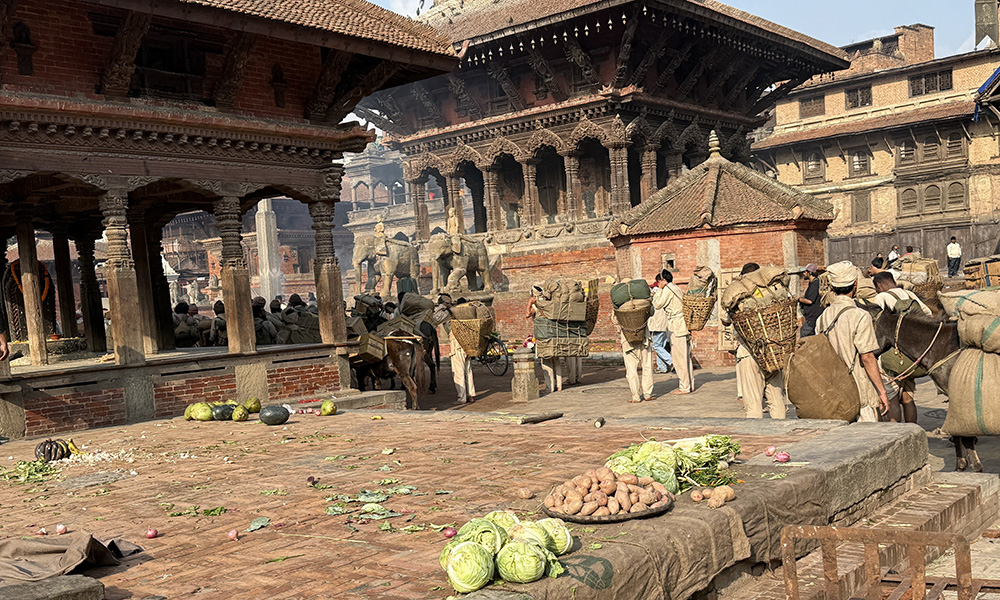
Heritage authority coordination and community negotiation ran in parallel with permit processing to keep the production schedule intact. The square's Newari architecture and open courtyards gave the production a location that reads as authentically historic without any set construction.
Location Preparation at the British Embassy
Location preparation for the expedition storyline also took place at the British Embassy in Kathmandu. This groundwork supported scenes tied to the original British Everest Expedition. It gave the production access to a setting connected to the historical institutions behind the real 1953 climb.
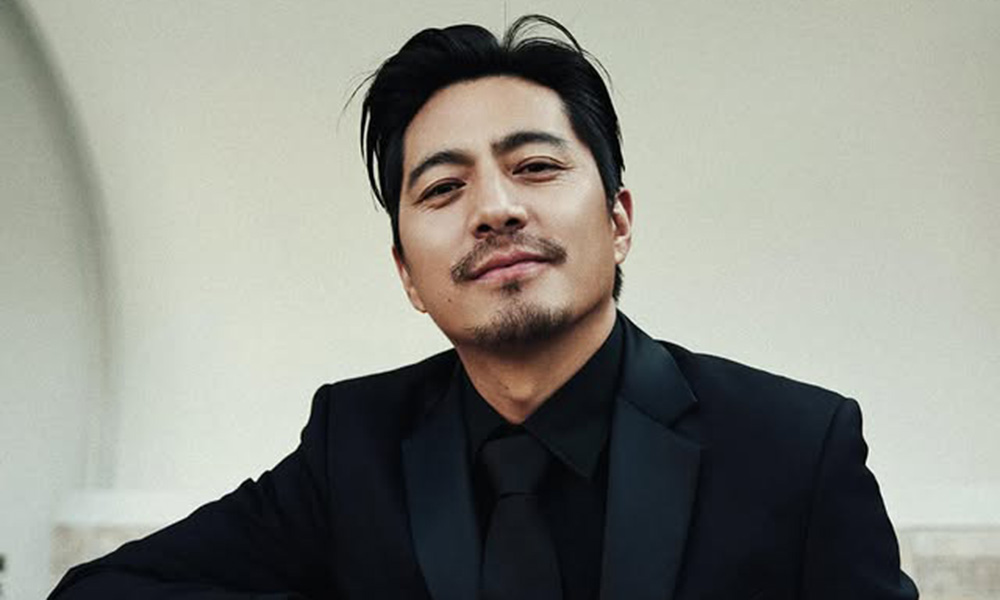
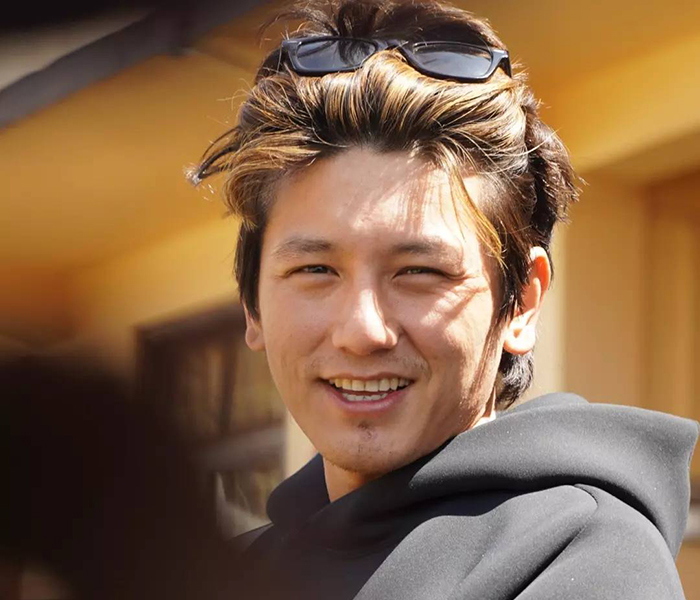
Also Read: Genden Phuntsok as Tenzing Norgay: The Actor Bringing a Mountaineering Legend to Life
Jomsom, Mustang District
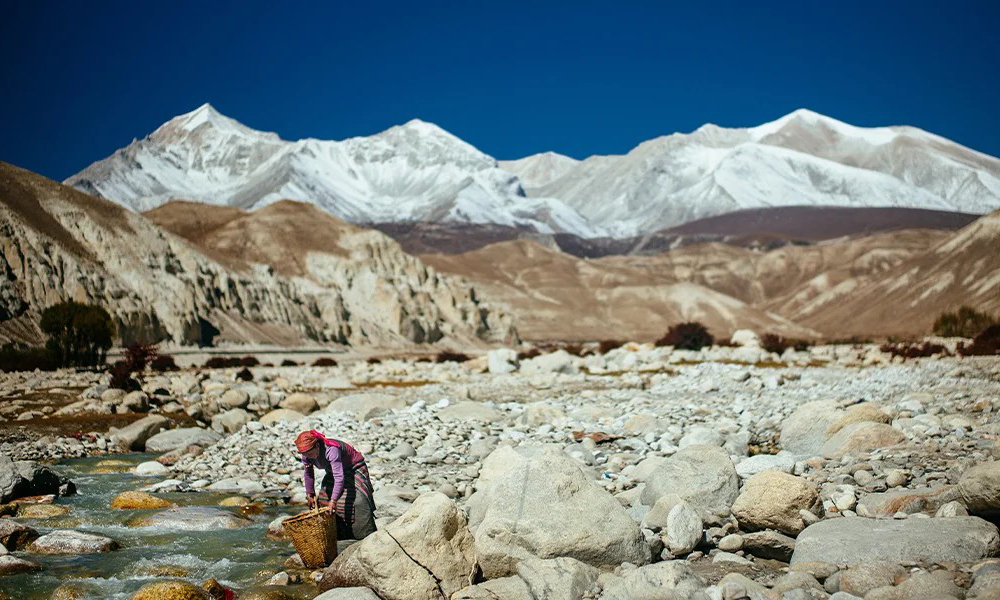
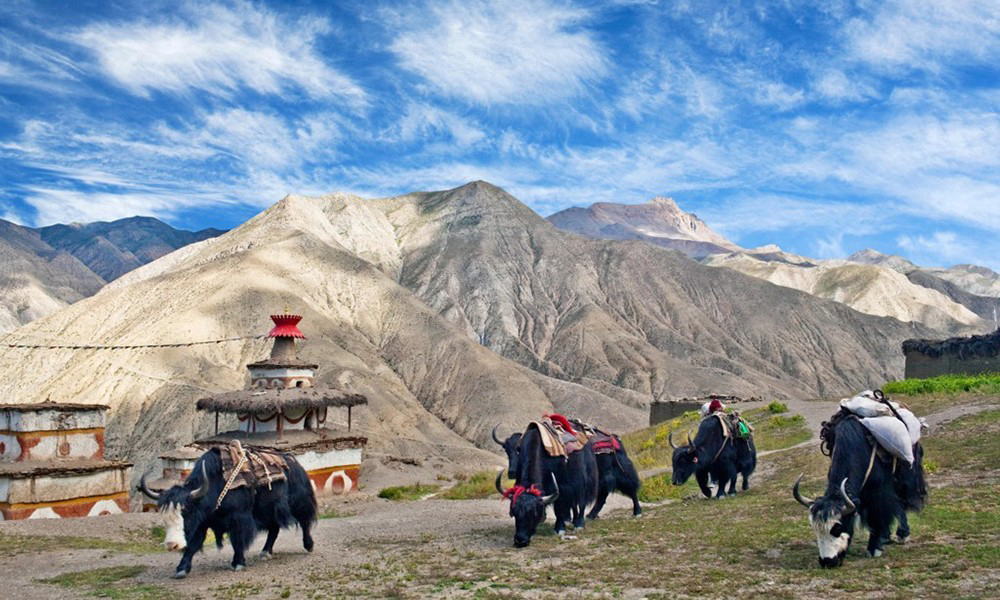
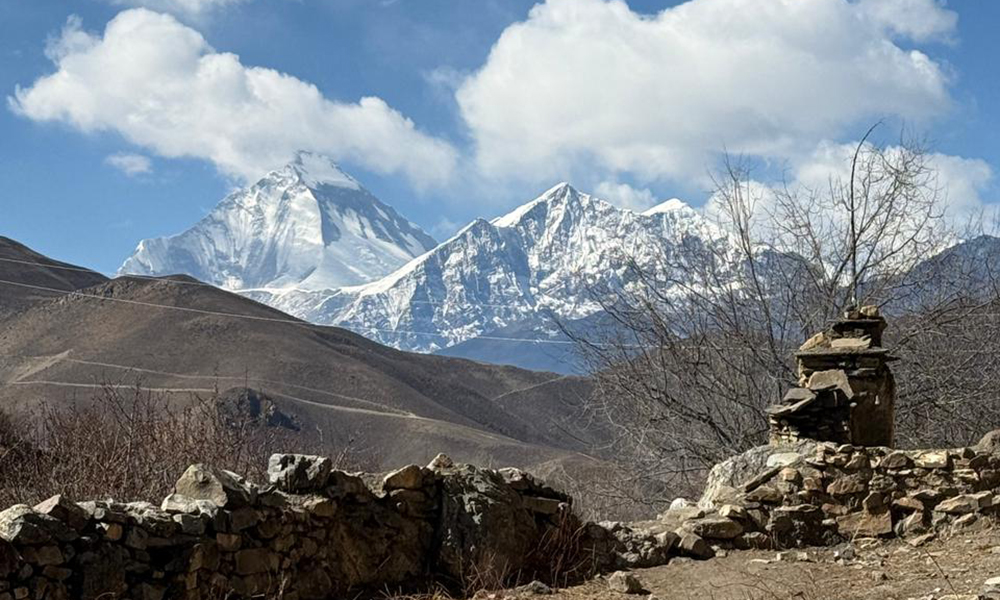
Jomsom sits at 2,700 meters in the Mustang district, a high-altitude desert region in central Nepal known for its dramatic rock formations and limited road access. In the film, this district was used to represent Tibet, standing in as Thanzig, the ancestral homeland of Tenzing Norgay's family in the story. The production filmed here for two days in June 2025, with crew and equipment reaching the site through two helicopter round trips between Pokhara and Jomsom.
Permits for this region required eleven weeks of processing, with approval needed from both the Mustang District Administration Office and the Annapurna Conservation Area Project. Mustang's restricted area status means any production filming here needs both standard permits and conservation area clearance well ahead of the shoot dates.
Bandipur, Tanahun District
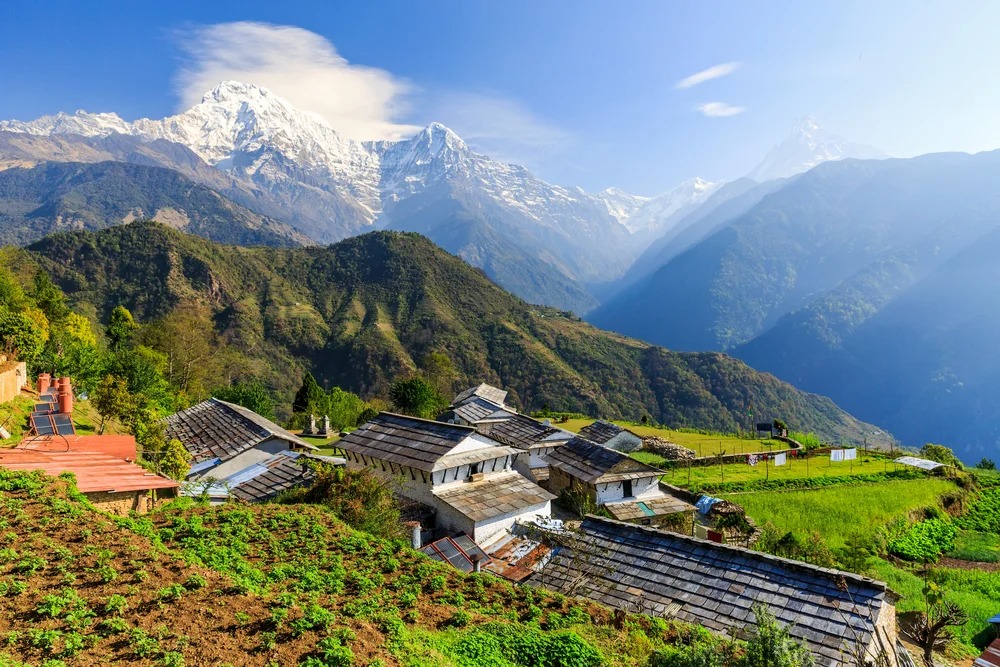
Bandipur is a hillside settlement in the Tanahun district, roughly midway between Kathmandu and Pokhara along Nepal's main east-west corridor.
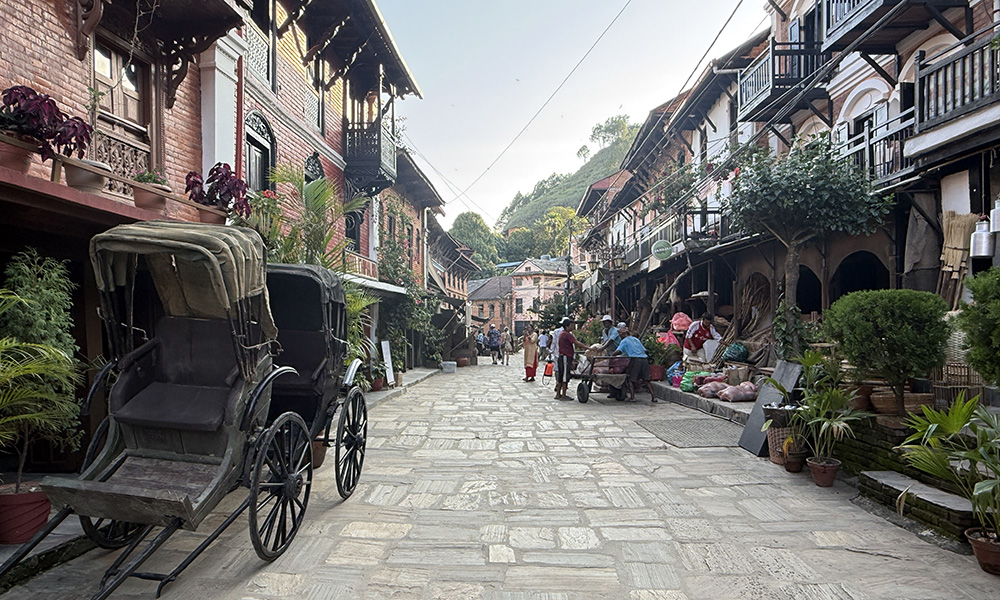
The production used its streets to stand in for Darjeeling during the period around the 1953 summit. Its preserved Newari town layout and hillside views gave the production a distinct setting reachable within a single day's travel from Kathmandu, which eased logistics compared to the more remote mountain locations used elsewhere in the film.
Sindhupalchok District
Sindhupalchok district lies northeast of Kathmandu and provided one of the production's lower-altitude locations. Its proximity to the capital made it practical for equipment transport and crew rotation between shoot days, reducing the travel burden that comes with filming exclusively in remote high-altitude districts. The district's mixed terrain of hills and river valleys gave the production additional visual variety within easy reach of the production base in Kathmandu.
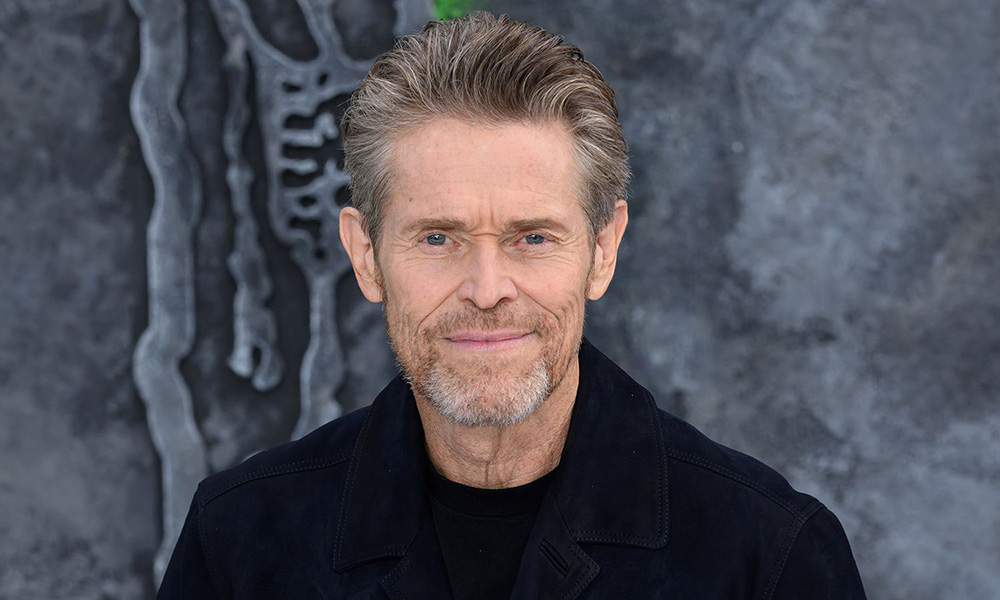
You May Also Prefer Reading: Willem Dafoe Joins Tenzing (2026) as Colonel John Hunt
Khumjung Village, Solukhumbu
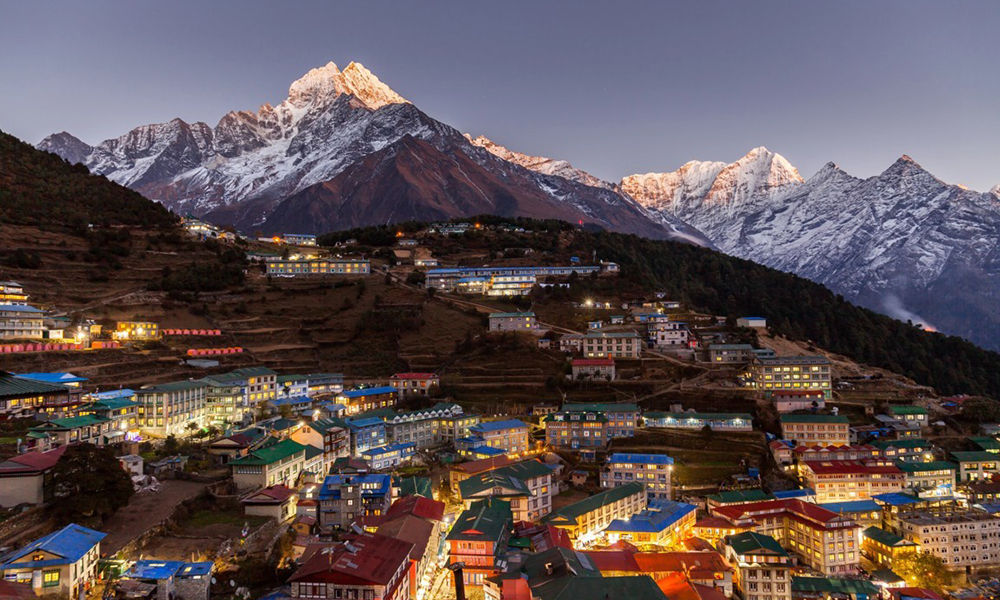
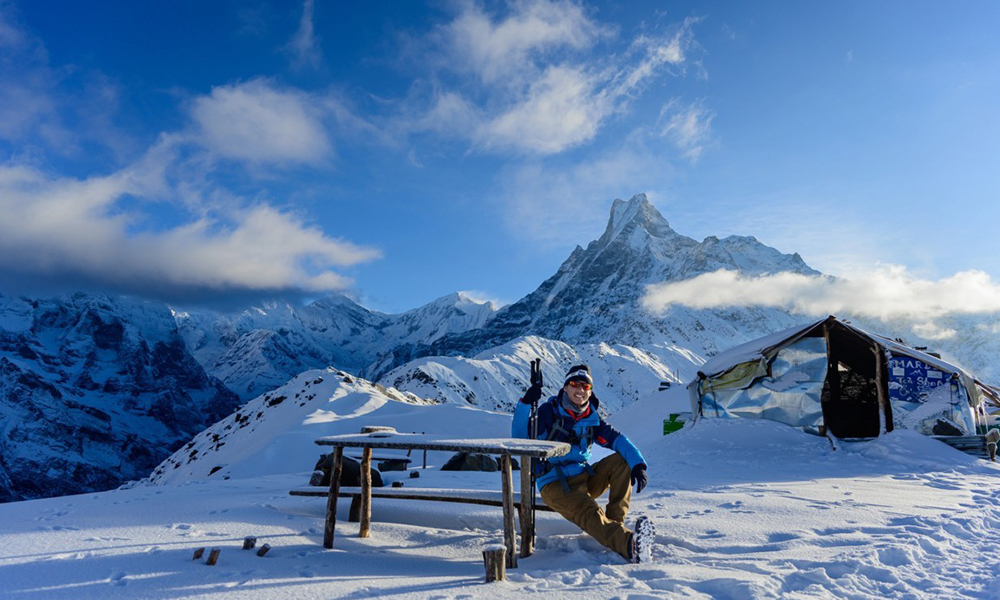
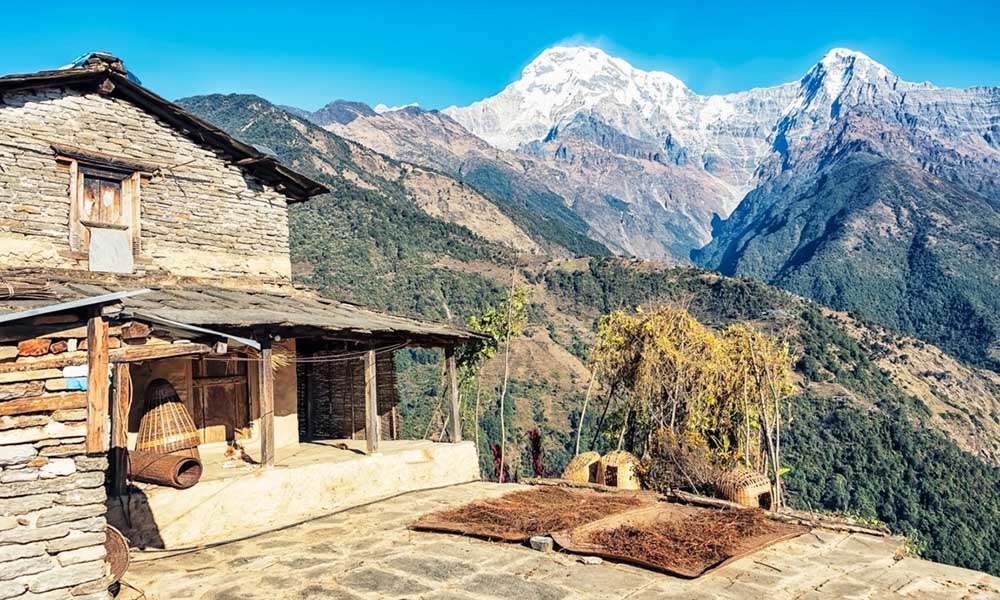
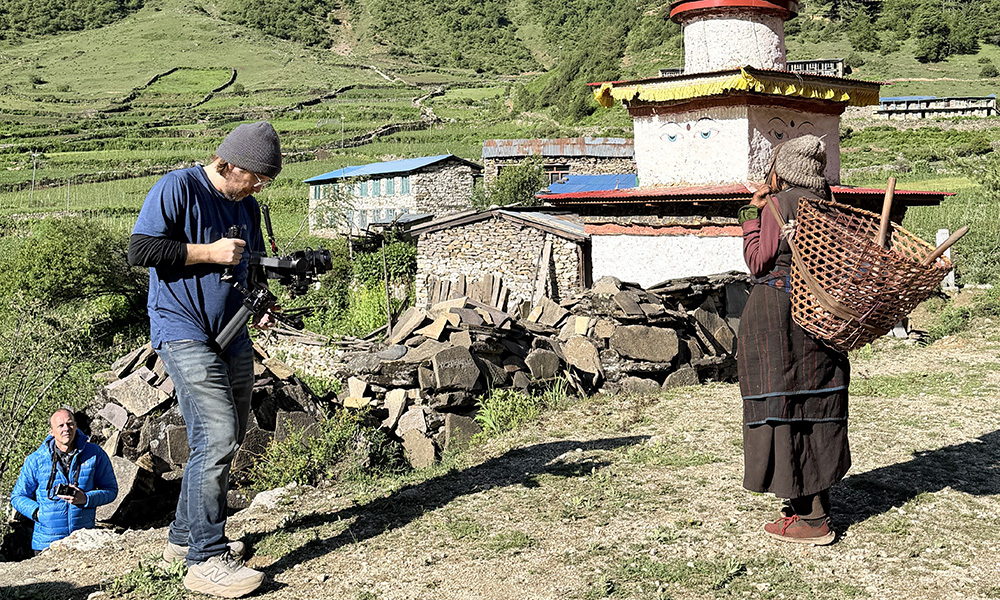
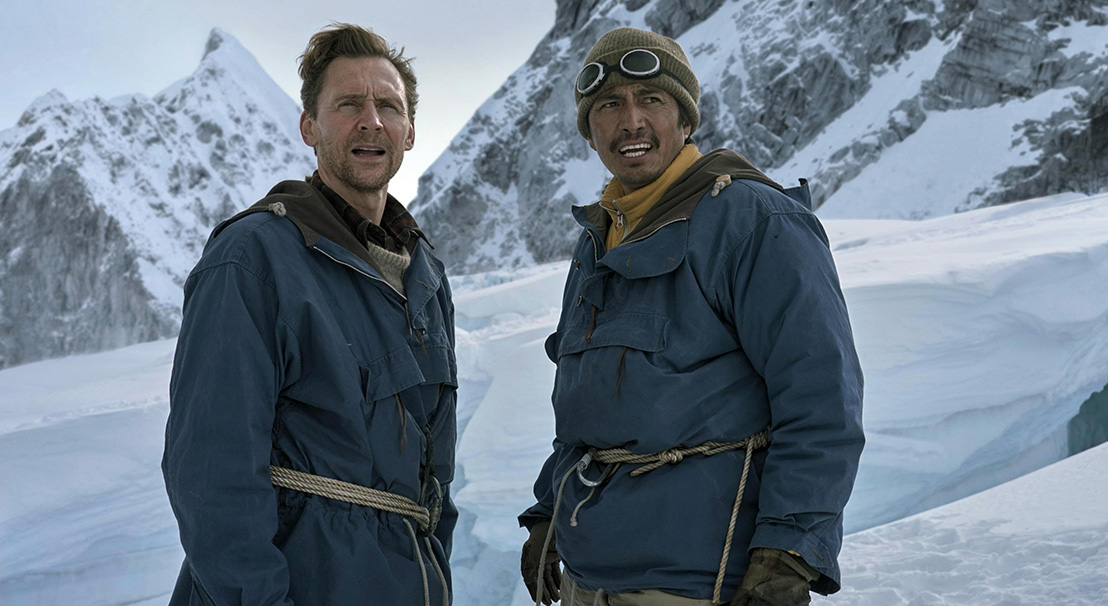
Khumjung village sits at 3,790 meters in the Solukhumbu district, deep in the Everest region and close to the route most associated with the 1953 expedition the film depicts.
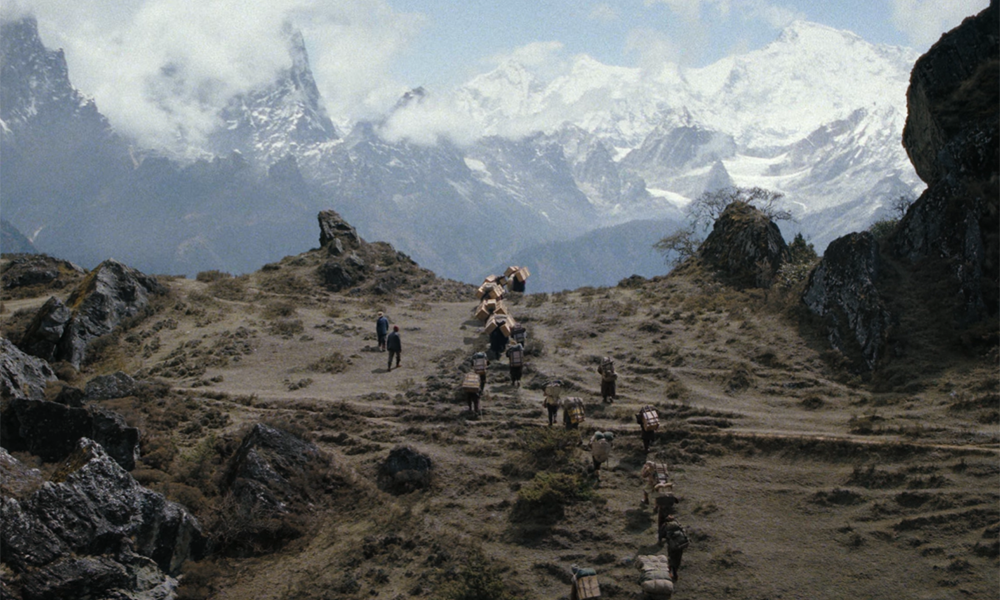
This location required coordination for high-altitude access and logistics well above the elevations of the production's other sites, including transport arrangements suited to terrain with no road access. Filming this close to the real Everest region gave the production a setting directly tied to the story it tells.
A Planned Location That Changed
Namche Bazaar, the main trading town of the Khumjung region and a standard staging point for expeditions heading toward Everest Base Camp, was originally planned as one of the shoot locations.
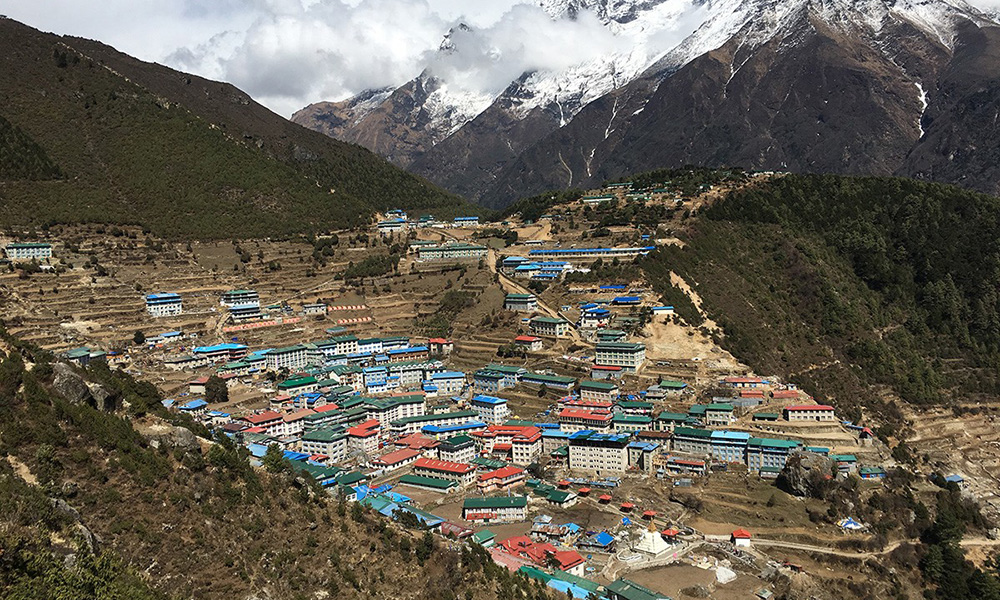
A weather-driven schedule change moved the production away from Namche Bazaar within 72 hours, requiring rapid coordination across permits, crew movement, and equipment relocation to the location that replaced it. The switch shows how quickly a Nepal shoot can need to adapt once mountain weather becomes a factor.
What This Means for Productions Considering Nepal
Across all nine locations, permit processing, heritage approvals, and community negotiations came together without costing the production a single shooting day. That result depended on starting permit applications early, since timelines ranged up to eleven weeks depending on the region and the number of agencies involved.
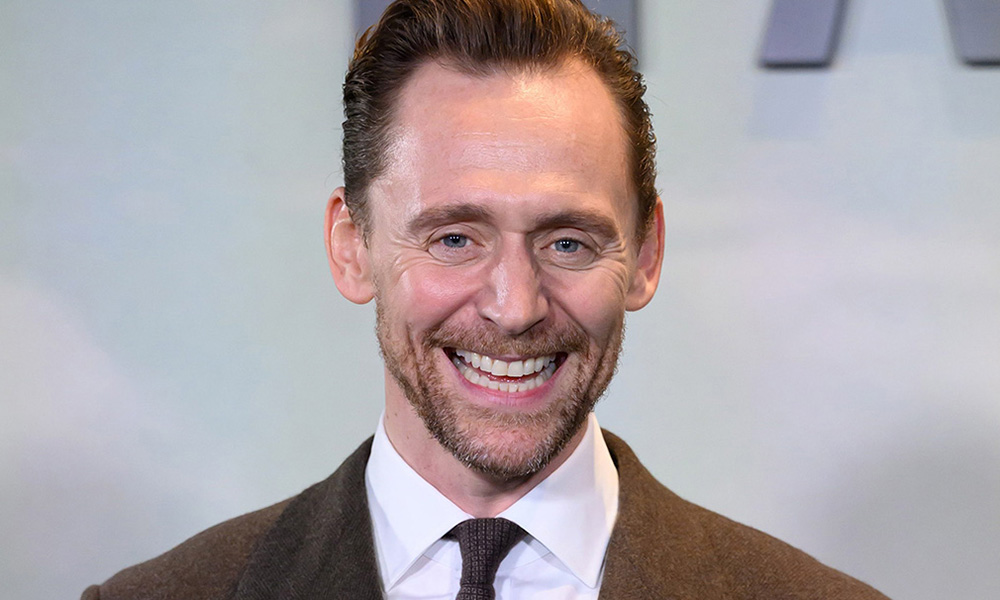
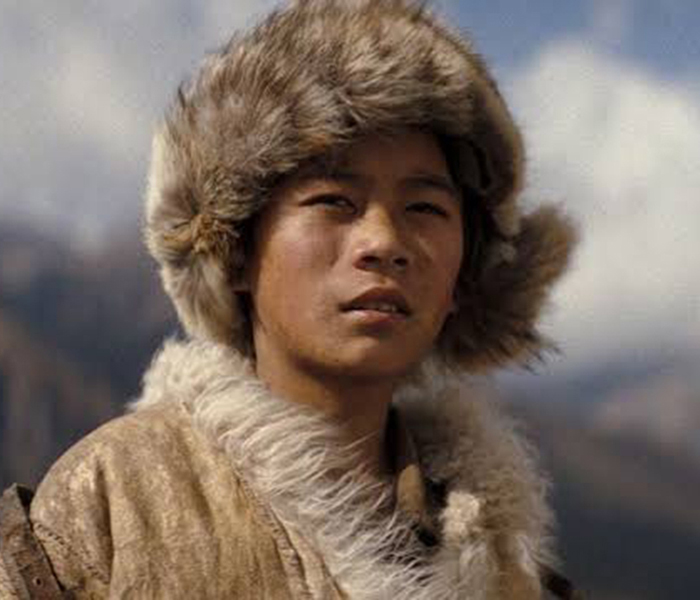
Related Readings: Tom Hiddleston Plays Edmund Hillary in Tenzing (2026)
Productions considering Nepal should plan location scouting and permit applications months ahead of any confirmed shoot dates, particularly for UNESCO sites and restricted areas like Upper Mustang. For a full breakdown of what permits actually cost by region, see our complete guide to film permit fees in Nepal.
About Wilderness Film Productions
Wilderness Film Productions is a Nepal-based film fixer and production coordinator working exclusively with international film and television crews. We have managed permits, locations, and logistics for productions including Doctor Strange (2016), Everest (2015), and The Creator (2023), alongside our work as Location Manager for the Nepal shoot of Tenzing (2026). Our work spans permit applications, location scouting, crew arrangement, and coordination with government and heritage authorities across Nepal.
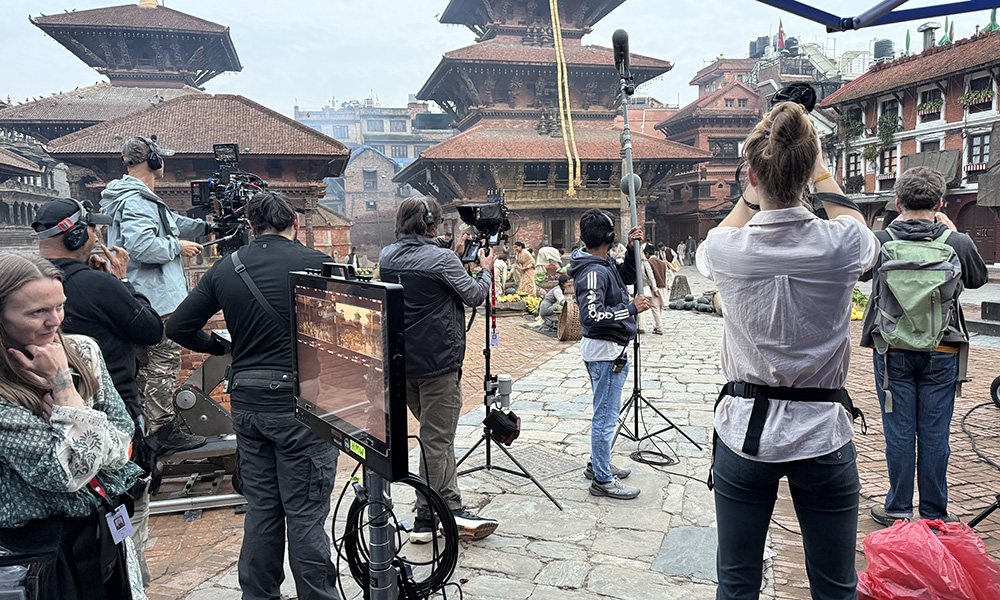
Every production brings its own terrain, its own timeline, and its own set of challenges, and we build our planning around that reality rather than a fixed template. A shoot might call for a heritage square in Kathmandu or a village high in the Himalayas, and we treat the groundwork the same way each time, with permits secured early, communities informed, and logistics planned before the cameras ever arrive.
As the best film fixer and coordinator, that approach is what has kept our productions moving without losing a single shooting day.






Latest Comments