

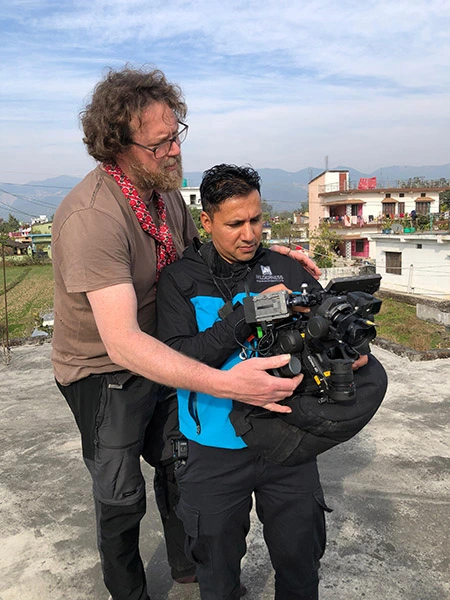
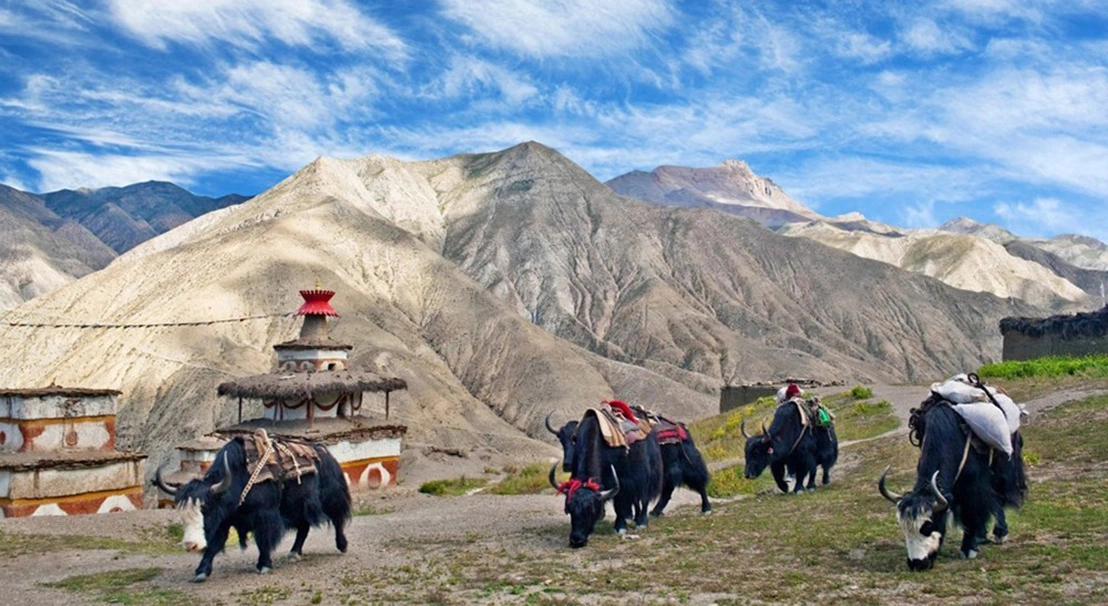
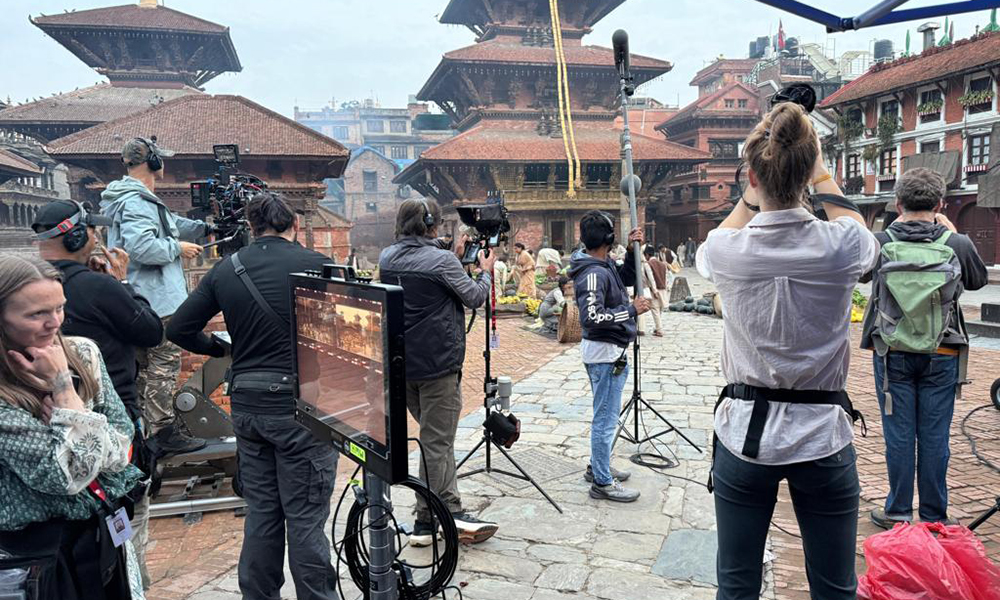
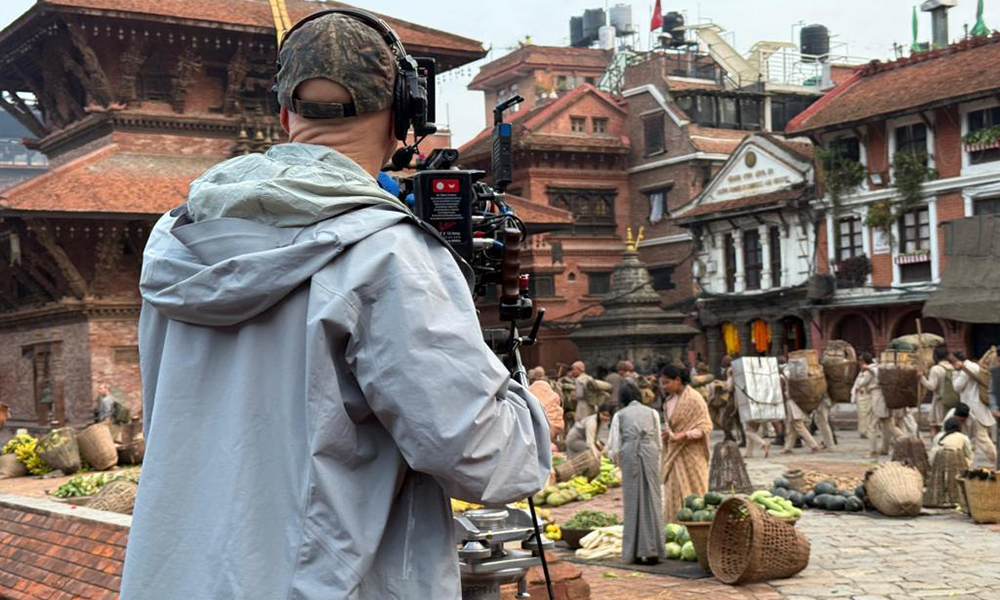
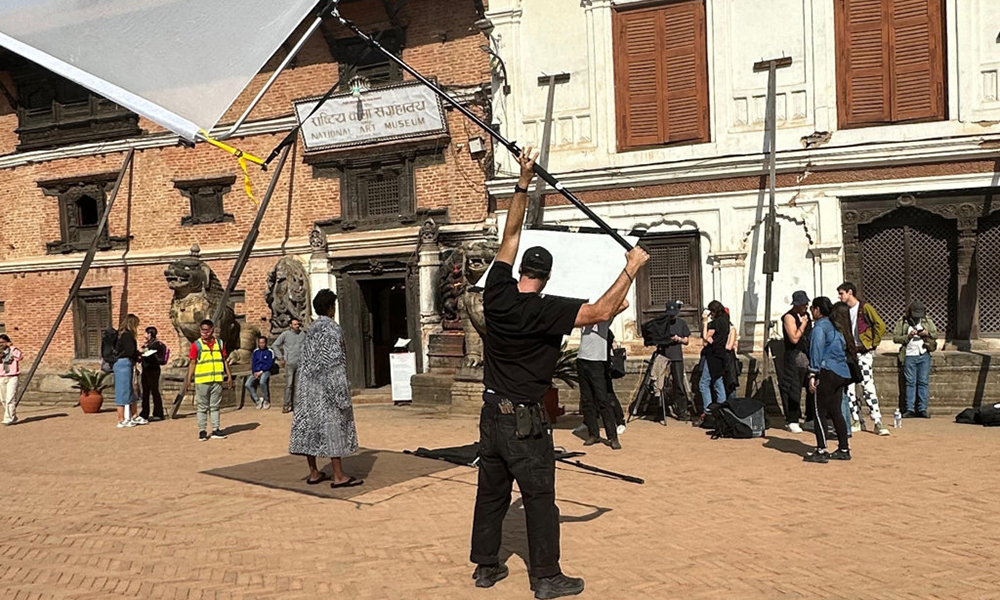
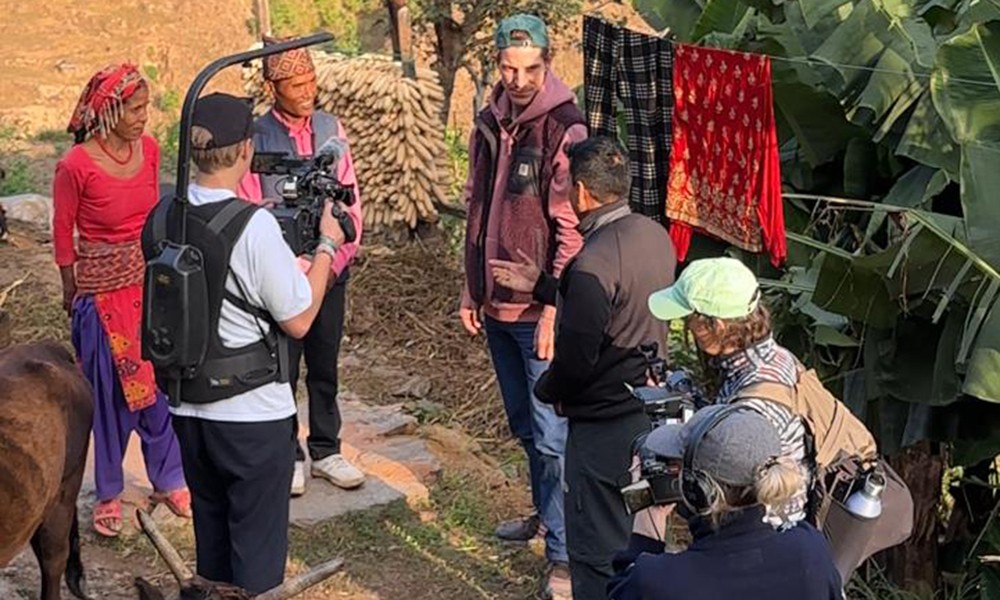
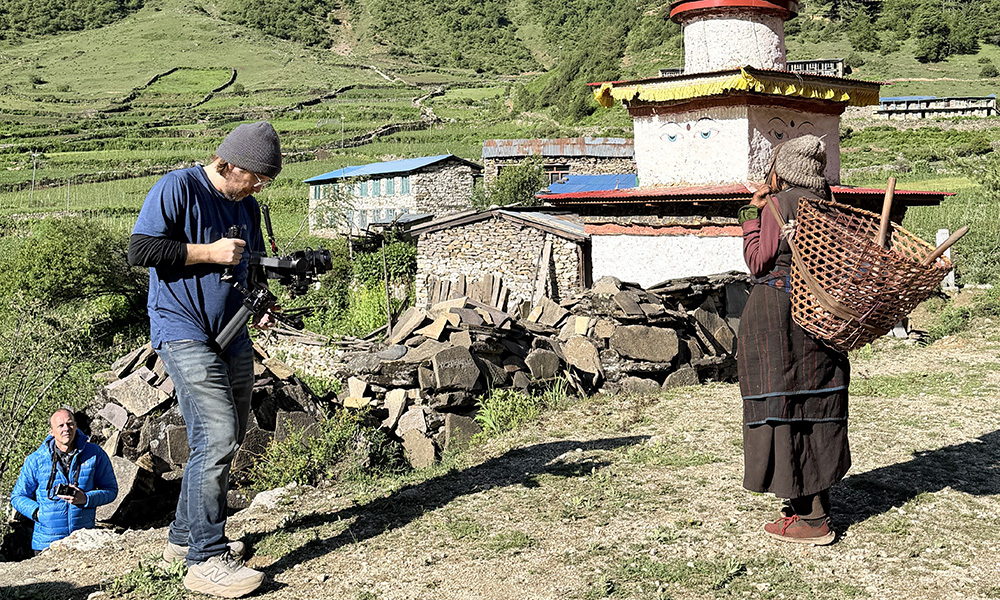
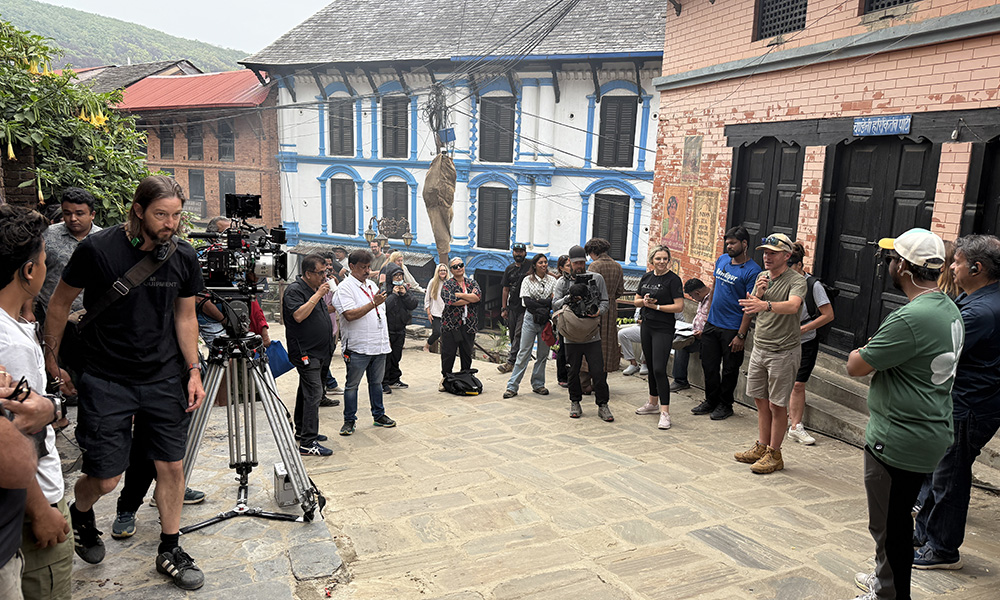
Cinematic filming in Nepal showcases filmmakers with one of the most visually powerful environments in the world. Located between India and China, Nepal is known for its dramatic landscapes, ancient culture, diverse wildlife, and unique natural features. These elements make Nepal an exceptional destination for cinematic productions, including documentaries, travel films, commercials, and feature films.
Nepal may be a relatively small country in terms of land area, but it contains some of the most diverse geography on Earth. Within a distance of less than 200 kilometers, the landscape rises from tropical forests to the highest mountains in the world. This extreme variation in land and climate creates stunning visual opportunities for filmmakers.
Unique Land Features of Nepal
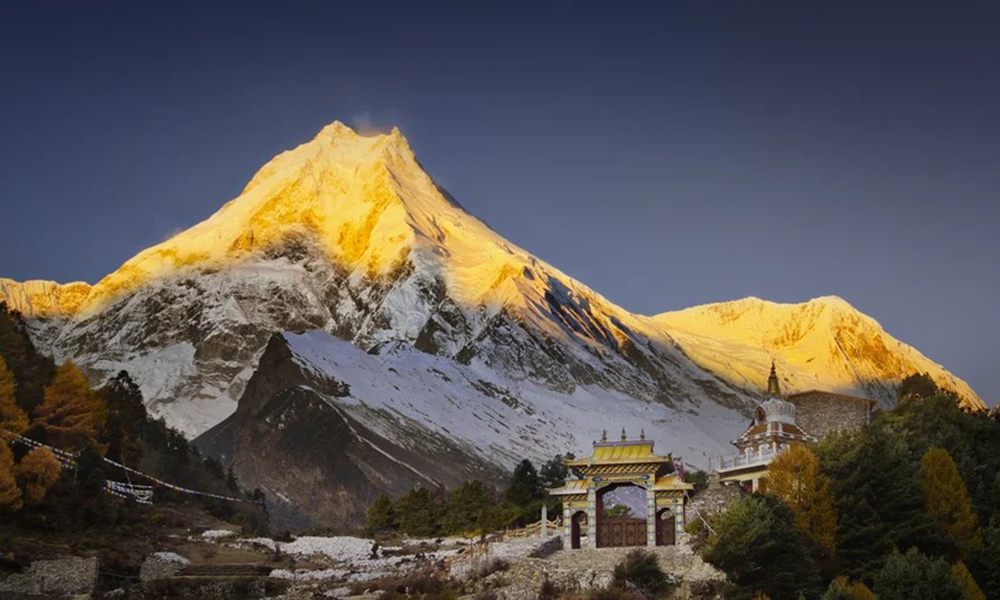
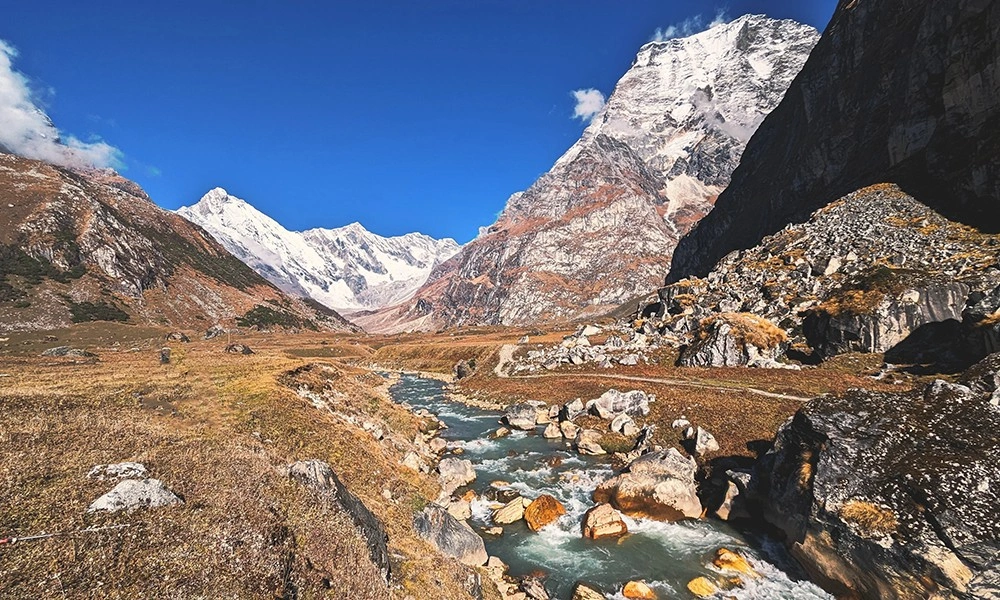
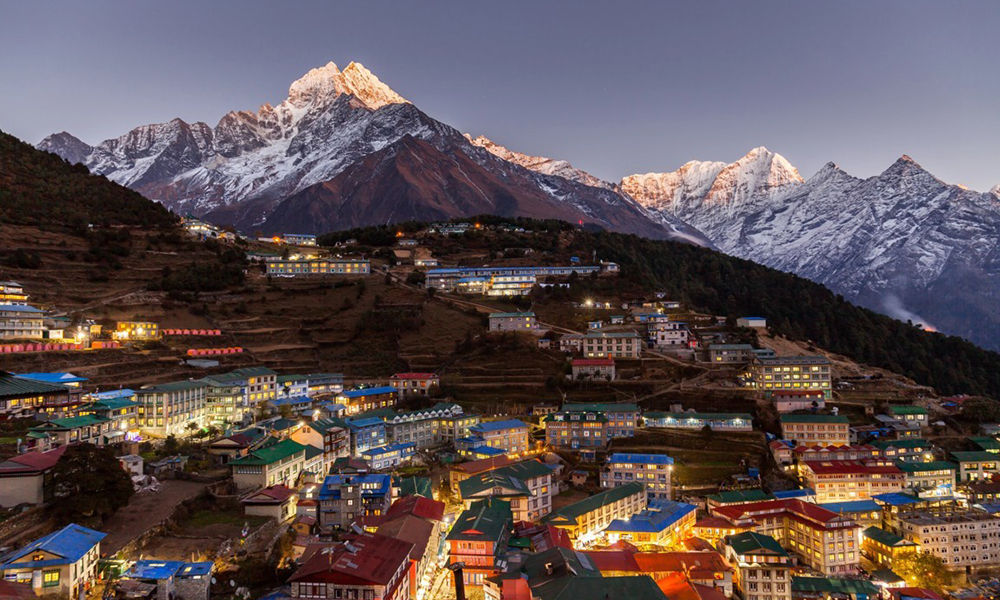
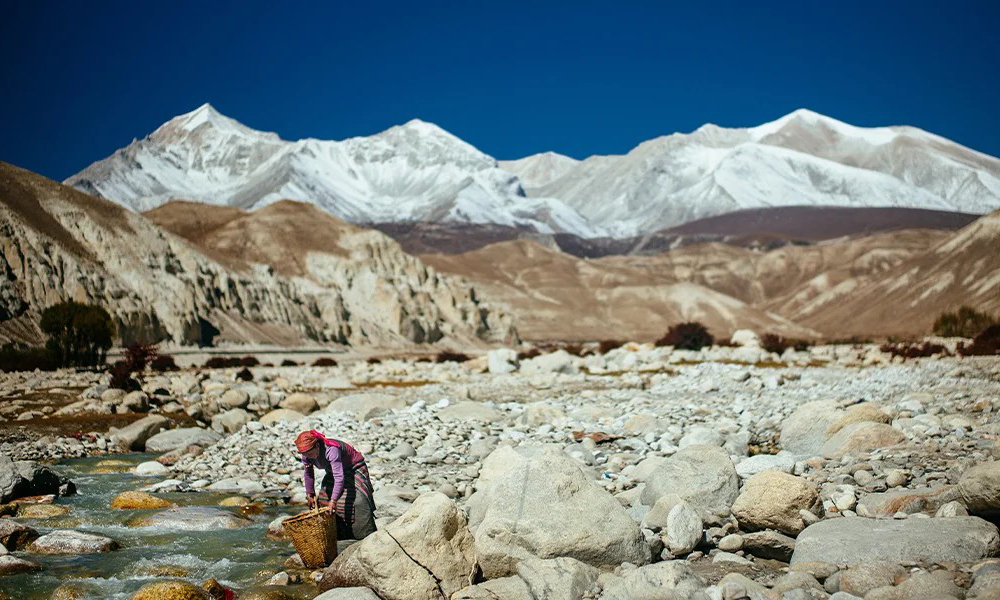
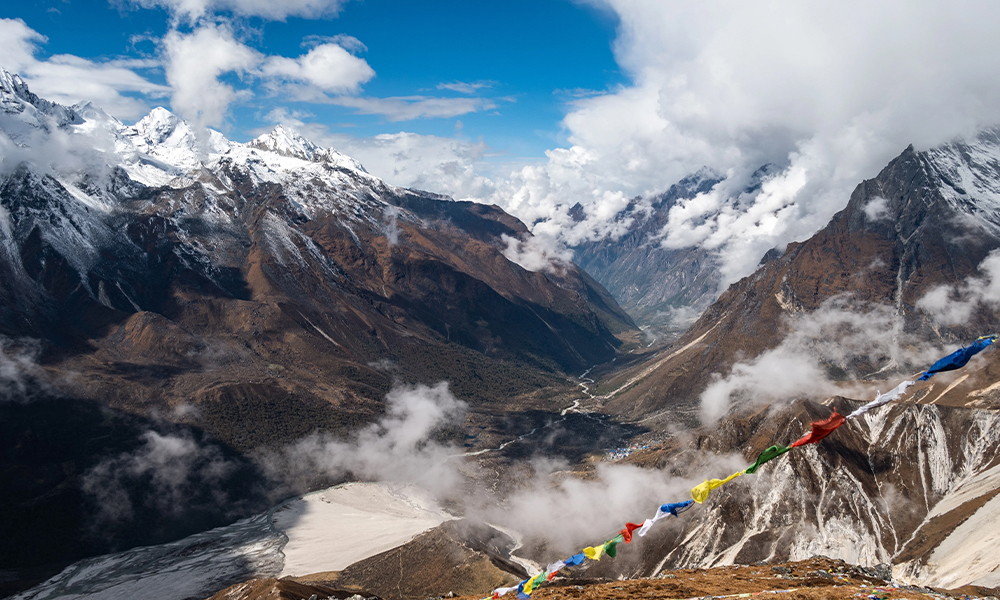
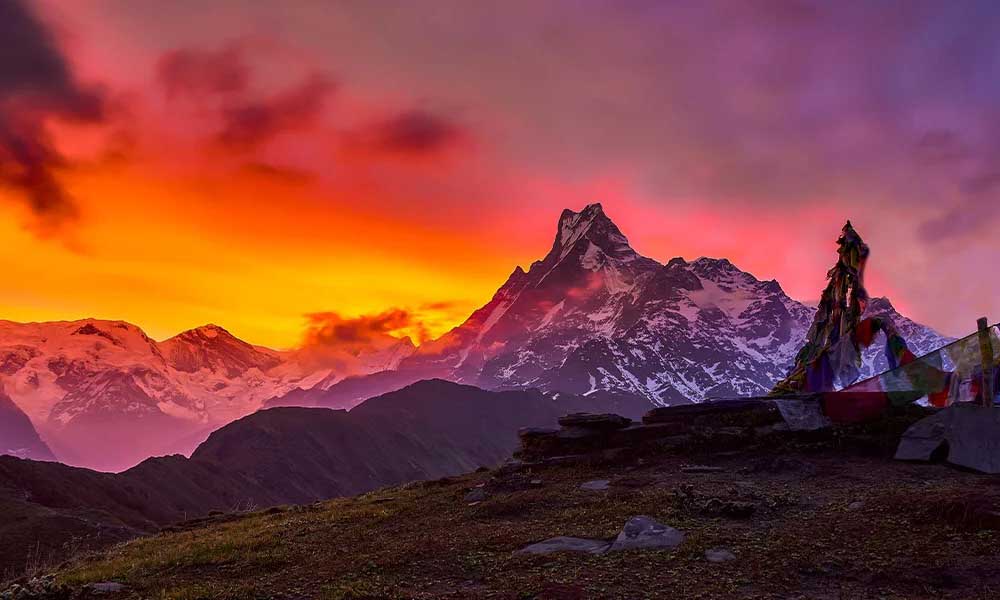
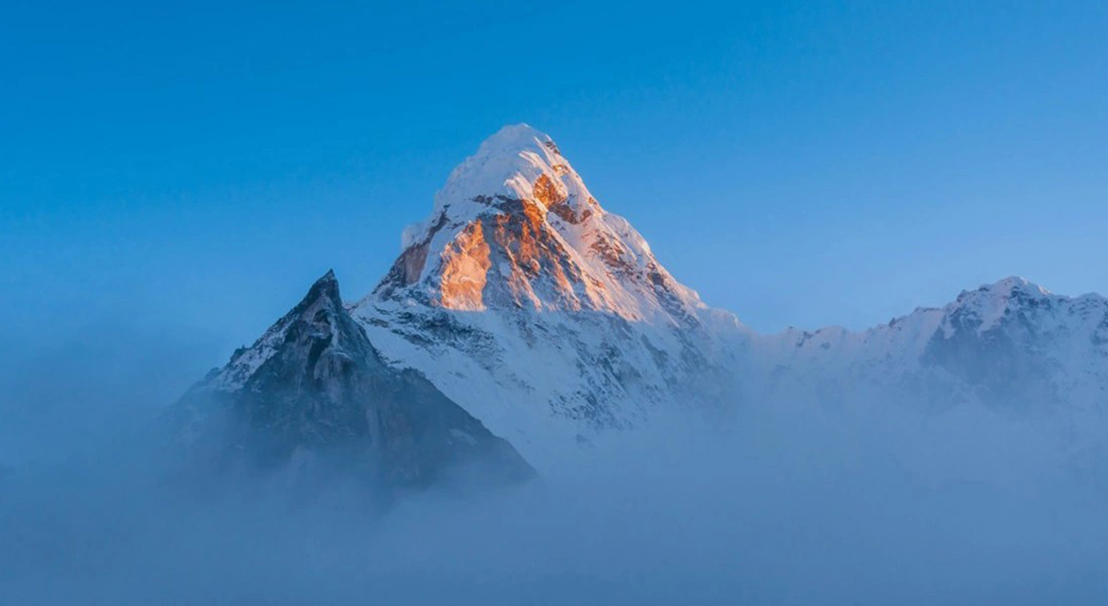
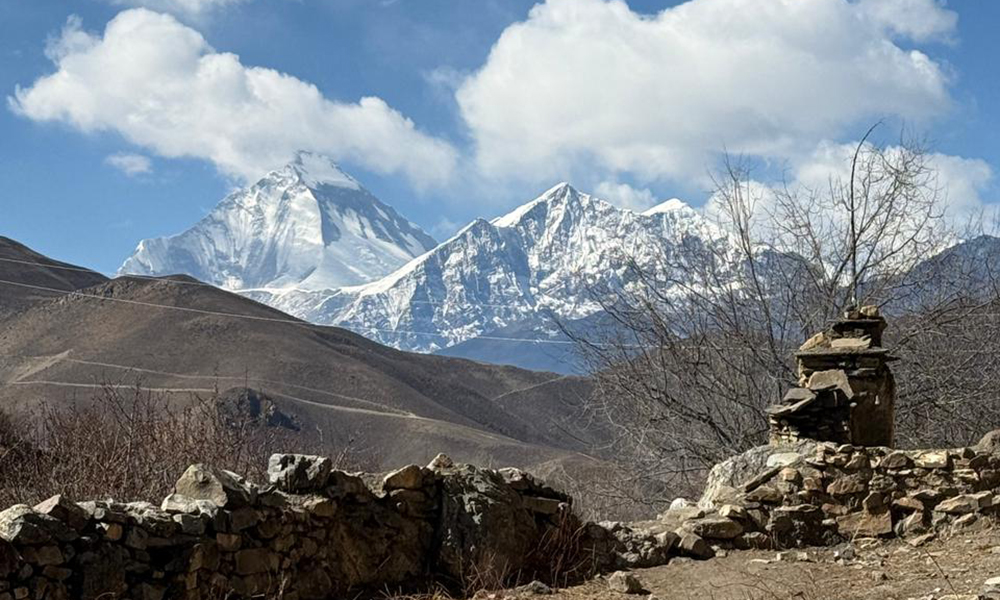
One of the most remarkable aspects of Nepal is its geographical diversity. The country is divided into three main natural regions: the Himalayan region, the Hill region, and the Terai plains. The Himalayan region in the north is home to some of the tallest mountains on Earth. Nepal contains eight of the world's fourteen mountains that are higher than 8,000 meters.
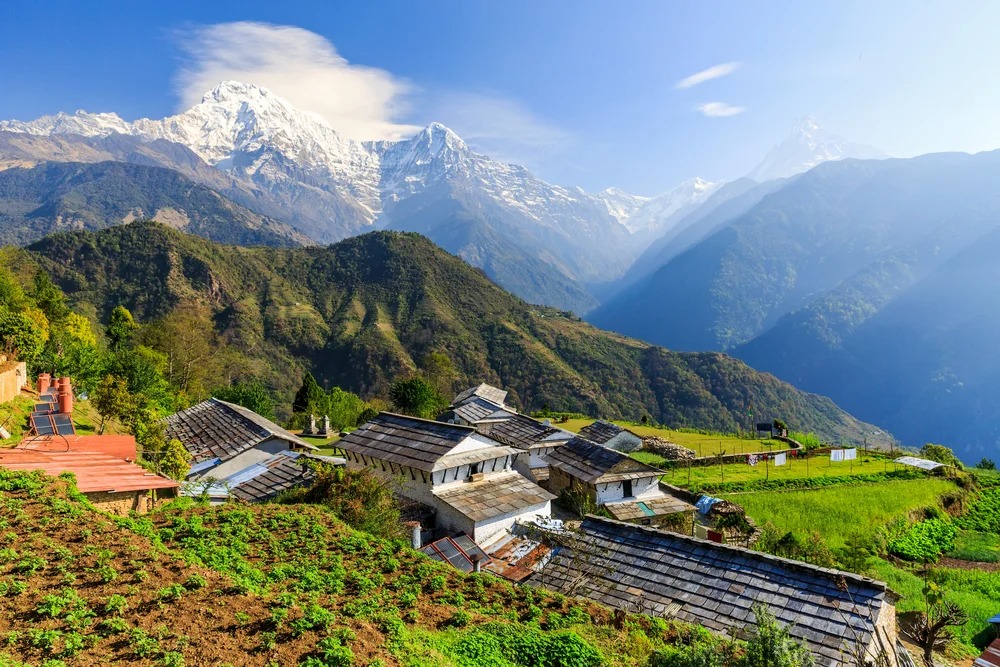
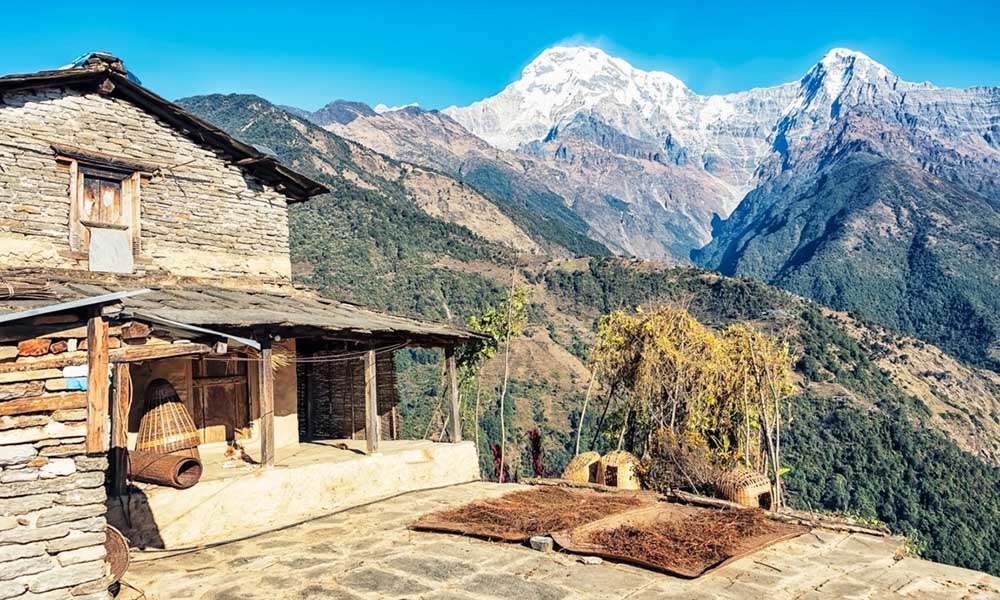
The most famous of these is Mount Everest, which stands at 8,848.86 meters above sea level. These towering peaks create majestic landscapes with glaciers, deep valleys, and snow-covered ridges. South of the Himalayas lies the Hill region. This area includes green hills, river valleys, traditional villages, and terraced farms carved into the mountainsides. Many historic towns and cultural sites are located here, including the capital city of Kathmandu. The hills provide soft, natural landscapes that are perfect for cinematic storytelling.
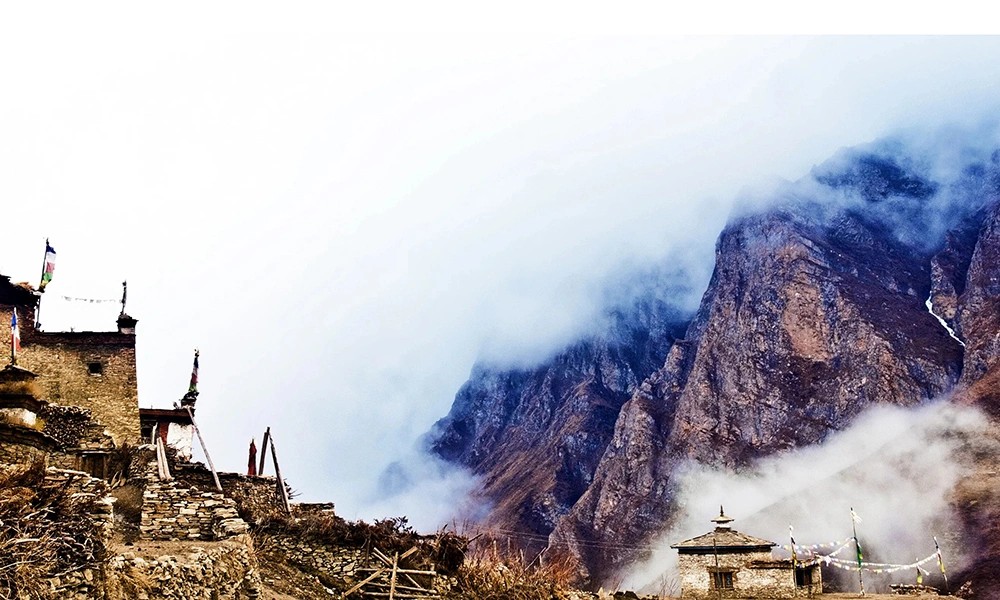
Further south is the Terai region, a flat and fertile plain that stretches along the border with India. The Terai is covered with forests, grasslands, and agricultural land. This region also contains important wildlife reserves such as Chitwan National Park. Because these three regions exist within one country, filmmakers can capture mountains, hills, rivers, jungles, and plains without traveling long distances.
Climate and Weather Conditions
Nepal experiences a wide range of climates due to its altitude differences. The weather can vary from tropical heat in the south to freezing alpine conditions in the mountains. The country generally has four main seasons. Spring lasts from March to May and brings mild temperatures and blooming forests. Summer, from June to August, is the monsoon season when most of the annual rainfall occurs. During this time, the hills become lush and green.
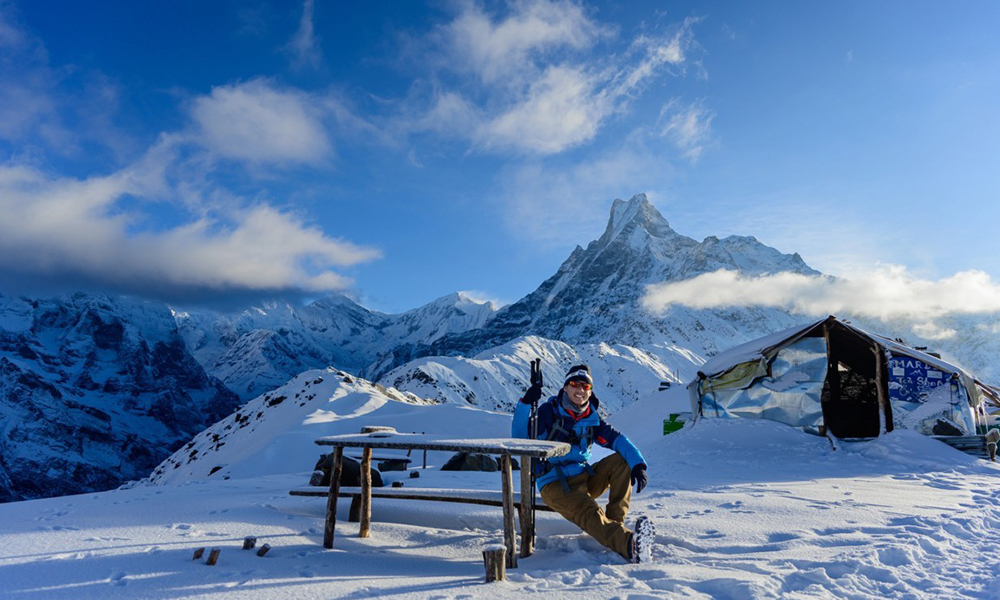
Autumn, from September to November, is considered the best season for filming. The skies are usually clear after the monsoon rains, and the mountain views become extremely sharp and visible. Winter, from December to February, is colder, especially in the Himalayan region, where heavy snowfall occurs.
These seasonal changes allow filmmakers to capture different visual moods throughout the year, from bright green landscapes during the monsoon to golden sunlight and clear mountain views in autumn.
Rich Flora and Plant Life
Nepal is known for its rich plant biodiversity. The country contains thousands of species of flowering plants, trees, and medicinal herbs. Forests cover a large portion of the hill and mountain regions. Common trees include pine, oak, rhododendron, and bamboo. The rhododendron is especially important because it is the national flower of Nepal. During spring, rhododendron forests bloom with bright red and pink flowers, creating colorful cinematic scenery.
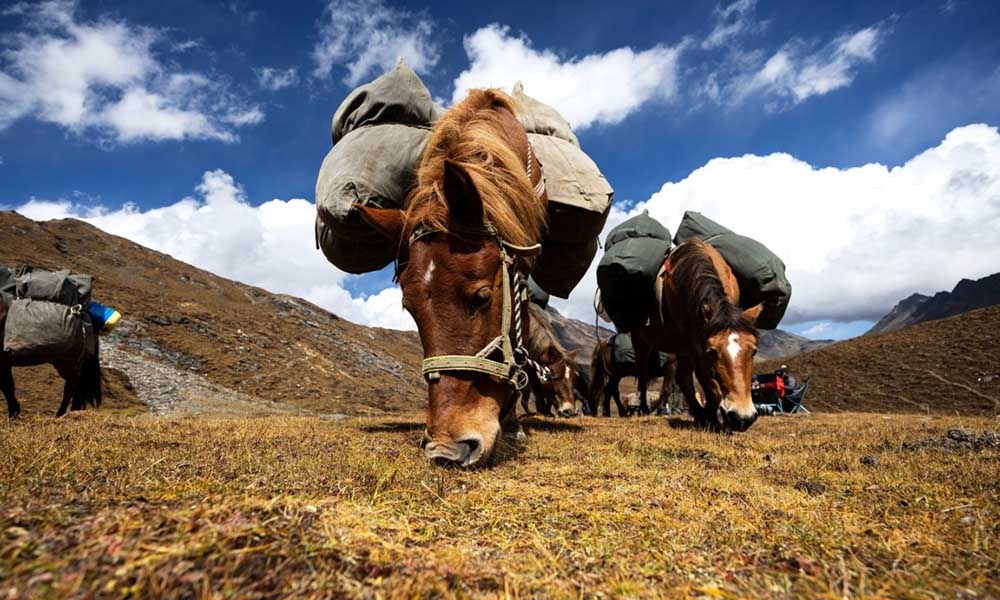
Lower elevations in the Terai region contain tropical forests with tall sal trees, grasses, and wetlands. These dense green environments provide ideal settings for nature and wildlife filming. The wide range of altitudes in Nepal allows many different types of plants to grow, from tropical vegetation to alpine shrubs and mosses near the high mountains.
Diverse Wildlife and Fauna
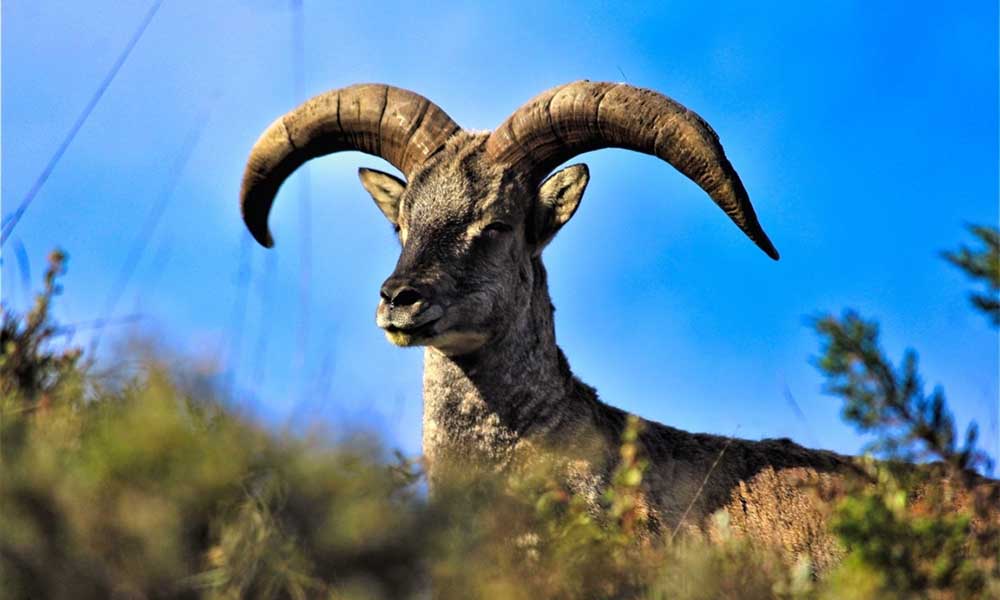
Nepal is also famous for its wildlife diversity. The country's national parks and conservation areas protect many rare and endangered animals. In the jungles of southern Nepal, animals such as rhinoceroses, deer, monkeys, and crocodiles live in their natural habitats. Bengal Tiger can also be found in protected forests, although sightings are rare.
Also Read: Our Projects
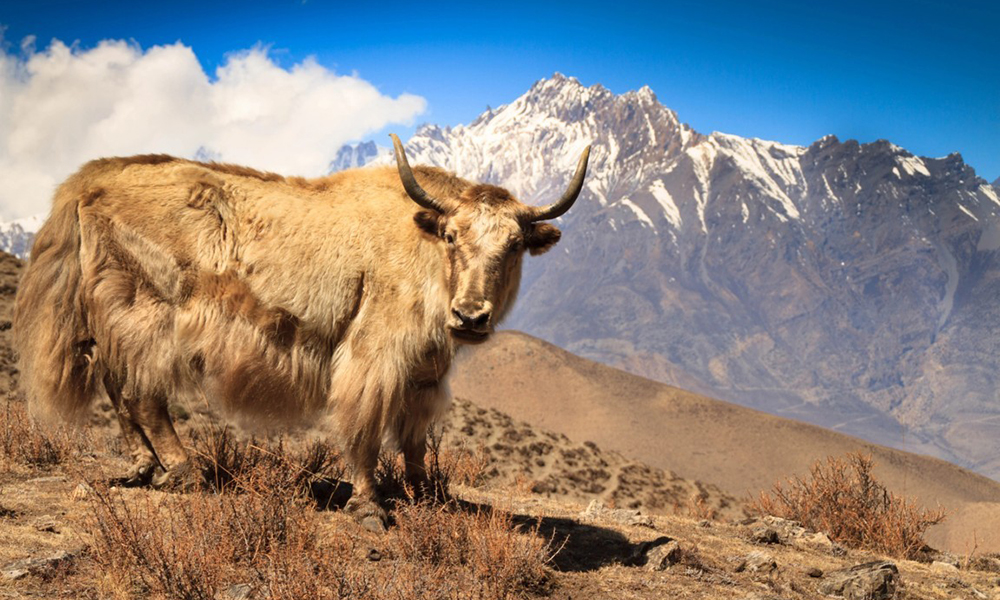
The Terai region is home to the Indian Rhinoceros, one of the largest land mammals in Asia. These animals are often seen in the grasslands and riverbanks of Chitwan. In the high Himalayan regions, completely different species exist. Rare animals such as the Snow Leopard and the Red Panda live in the remote mountain forests. Because Nepal contains both tropical and alpine ecosystems, filmmakers can capture a wide range of wildlife in one country.
Cultural Landscapes and Historic Sites
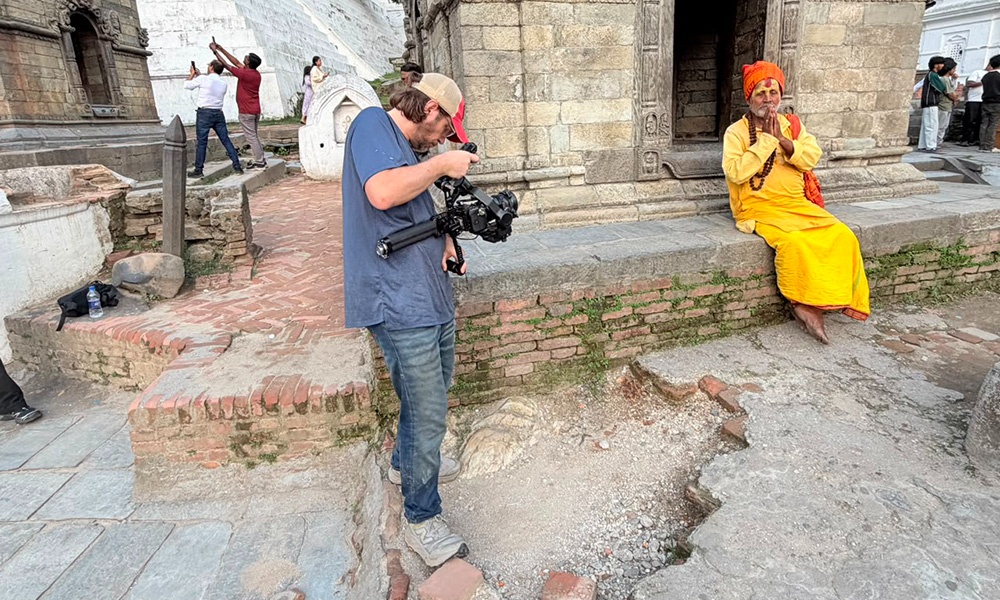
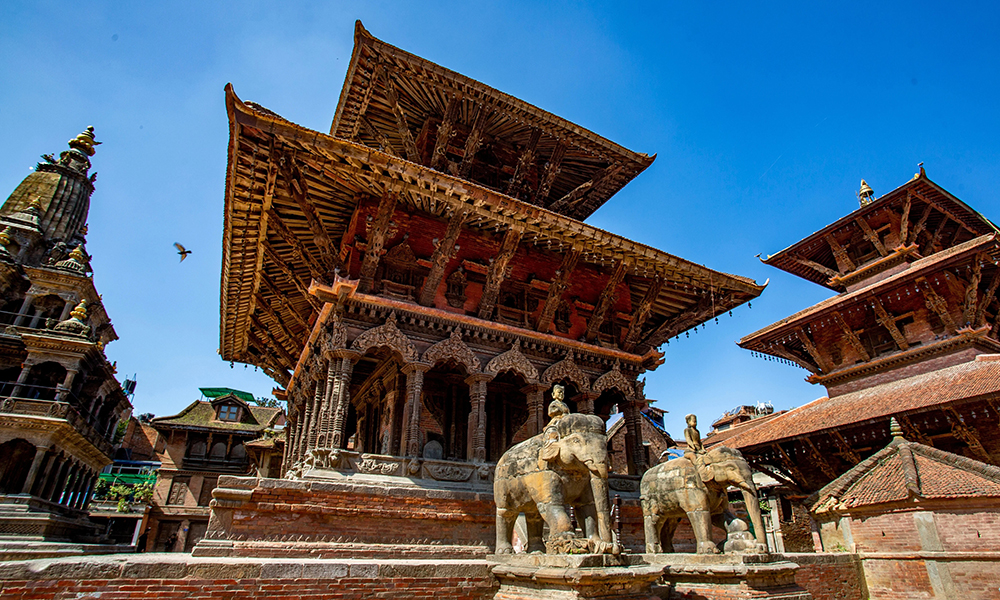
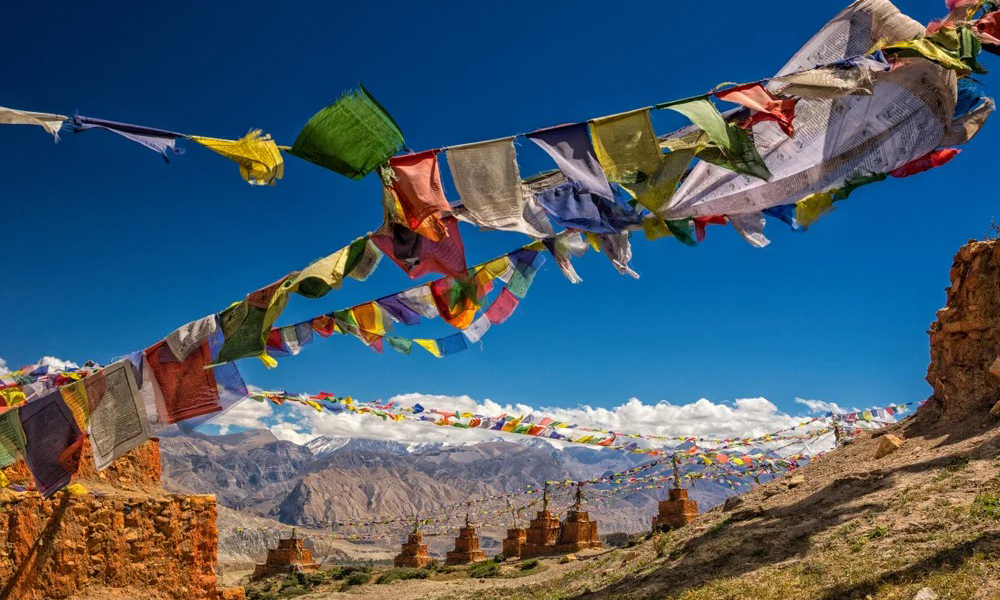
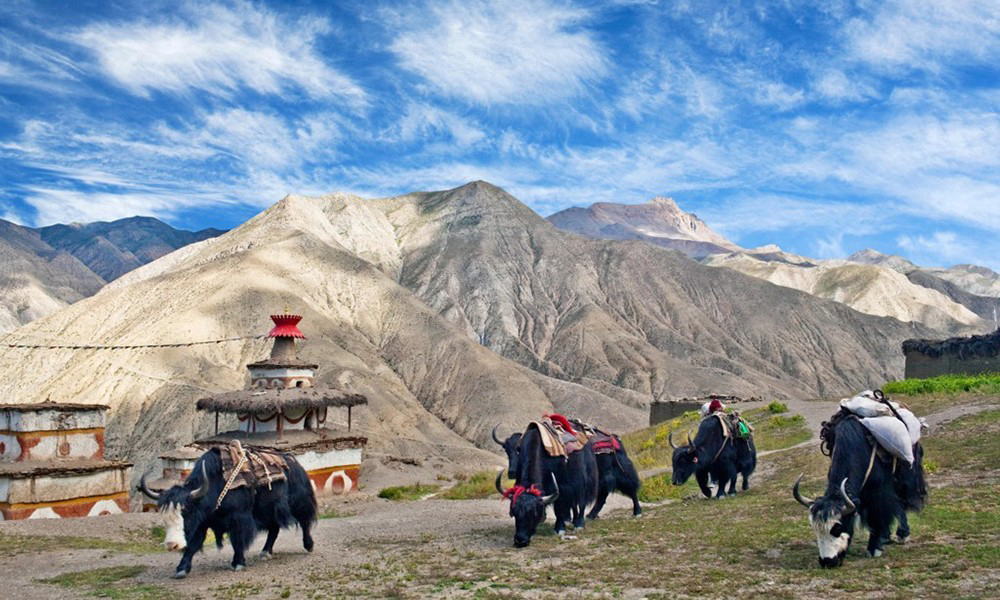
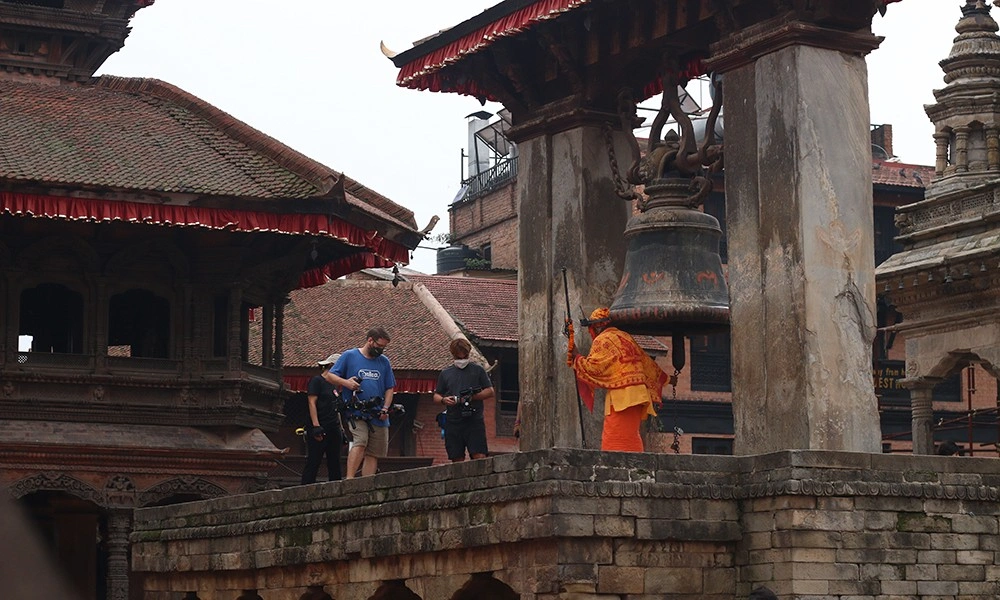
Nepal's cultural heritage also adds strong cinematic value. The country has thousands of temples, monasteries, and historical landmarks that date back centuries. Ancient religious sites such as Pashupatinath Temple attract pilgrims from across the world. These temples feature traditional architecture, detailed wood carvings, and sacred rituals that create powerful visual moments for film productions.
Nepal is also home to many ethnic communities with unique traditions, clothing, music, and festivals. Rural villages in the hills and mountains preserve traditional lifestyles that have remained unchanged for generations. These cultural environments allow filmmakers to capture authentic human stories along with natural landscapes.
Unique Facts About Nepal
Nepal has many remarkable features that make it stand out globally. It is the only country in the world with a non-rectangular national flag. The flag consists of two triangular shapes representing the Himalayan mountains. Nepal is also the birthplace of Gautama Buddha, who was born in the southern plains of the country. This makes Nepal an important destination for religious and cultural history.
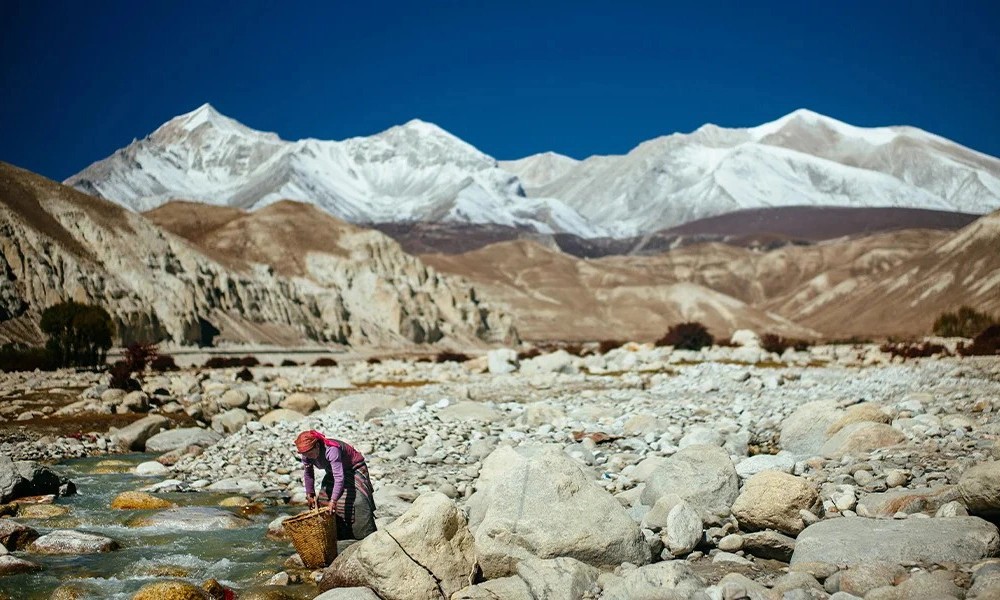
You May Also Prefer Reading: Filming Location in Mustang
Another unique fact is that Nepal has some of the deepest river gorges in the world. Rivers such as the Kali Gandaki flow through massive mountain valleys, creating dramatic natural scenery. Despite its small size, Nepal contains an incredible range of climates, ecosystems, and cultures. This diversity is rarely found in a single country.
Why Nepal is the best destination for Cinematic Film-making
Cinematic filming in Nepal offers filmmakers a rare combination of majestic landscapes, diverse wildlife, and rich cultural heritage. From the towering peaks of Mount Everest to the jungles of Chitwan National Park and the historic temples of Kathmandu, the country provides endless possibilities for powerful visual storytelling.
With its unique land features, varied climate, vibrant flora and fauna, and deep cultural history, Nepal continues to inspire filmmakers from around the world. For cinematic productions seeking natural beauty and authentic environments, Nepal remains one of the most extraordinary filming destinations on Earth.
















Latest Comments