

Published by Wilderness Film Productions.
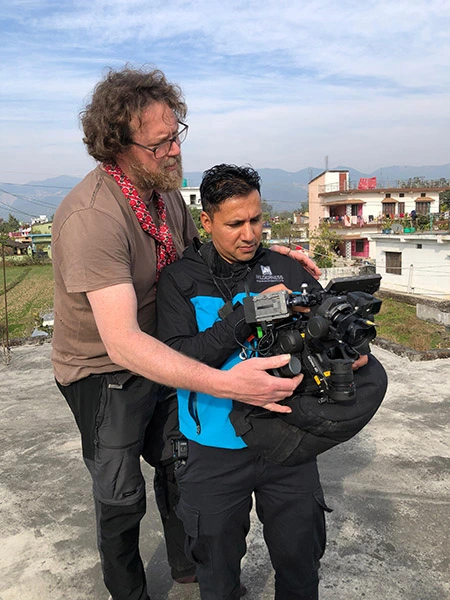
We served as the Location Manager for the Nepal shoot of Tenzing (2026).
Introduction
Tenzing Norgay attempted to climb Everest six times before he finally reached the summit in 1953. The first five attempts ended in failure, frostbite, and quiet retreat down the mountain without success. History only remembers the sixth attempt with clarity and celebration, but this film remembers all of them with the dignity they were never given before.
Apple Original Films presents Tenzing (2026), a biographical film that gives full voice to the Sherpa who reached the top of the world after decades of relentless effort. Directed by Jennifer Peedom and written by Luke Davies, this film is not another climbing spectacle made for Western audiences who only want action and heroism. Apple describes the film as “a story of greatness that refuses to be diminished and the love that makes it possible”.
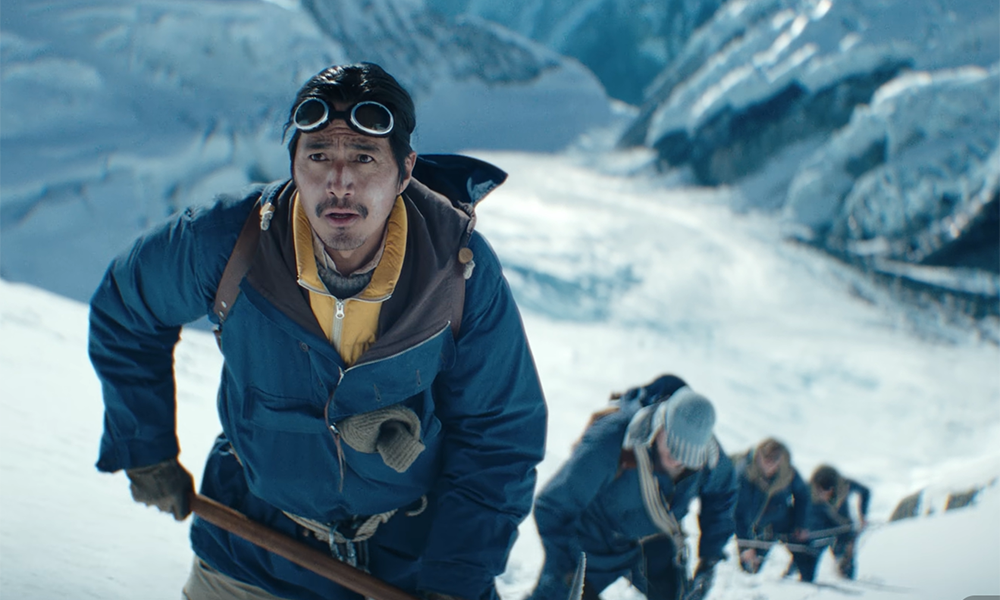
This film is a portrait of resilience, identity, and the quiet strength of a man who carried the weight of an entire mountain community on his shoulders. The story of Tenzing Norgay has waited over seventy years for a filmmaker willing to tell it honestly and without compromise. That filmmaker has finally arrived with the patience and respect the story deserves, and the story she is telling will change how the world understands Everest forever.
Official Synopsis
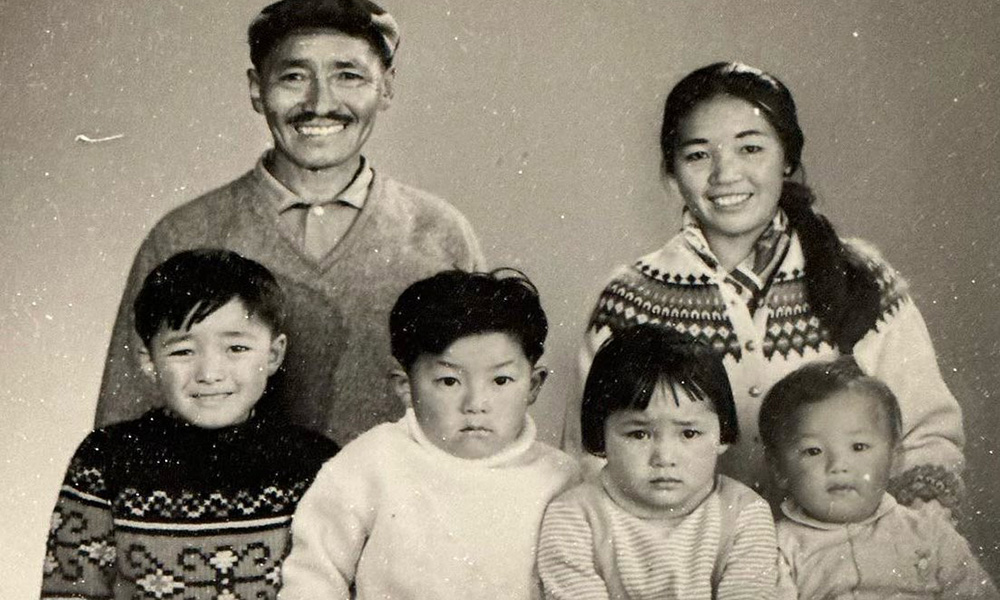
According to Apple's official synopsis, Tenzing is encouraged by his wife, Dawa, throughout the story. He also finds an ally in expedition secretary Jill Henderson. Together, they persuade Colonel John Hunt that Tenzing belongs on the British climbing team as a full member, not merely as support staff. Western climbers in the story approach Everest as something to conquer.
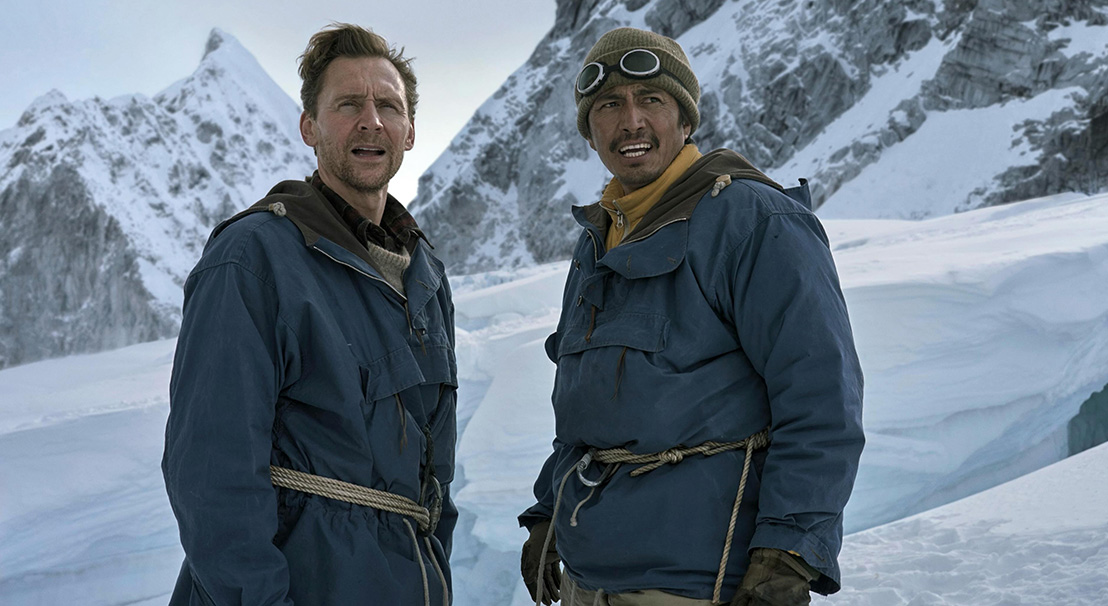
Tenzing instead reveres the mountain as Chomolungma, the sacred mother goddess of his people. The story is framed around tension between backgrounds, class, and ambition. That tension resolves into mutual respect between Tenzing and Hillary as they near the summit together.
Related Articles: The True Story of the 1953 Everest Expedition Behind Tenzing (2026)
The Story of Tenzing
Tenzing is not a standard mountaineering adventure film built around action sequences and a survival story. It is a biographical portrait that unfolds carefully across two distinct timelines that shape everything the audience sees on screen. Those timelines are the 1953 British Everest expedition and the difficult decades of struggle that came long before that final successful climb.
Early Years in the Solu Khumbu Region
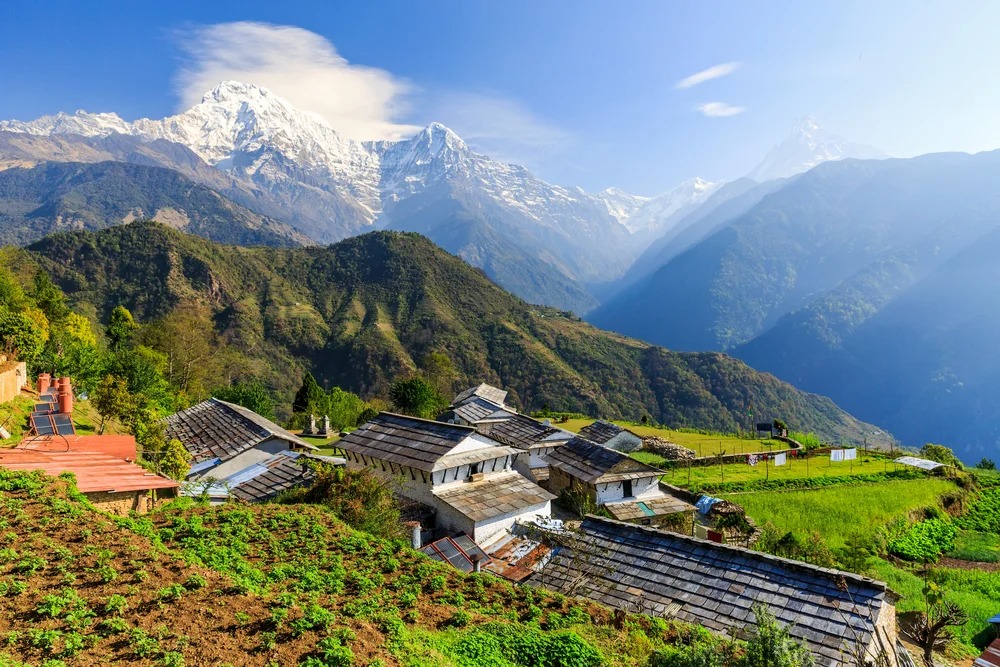
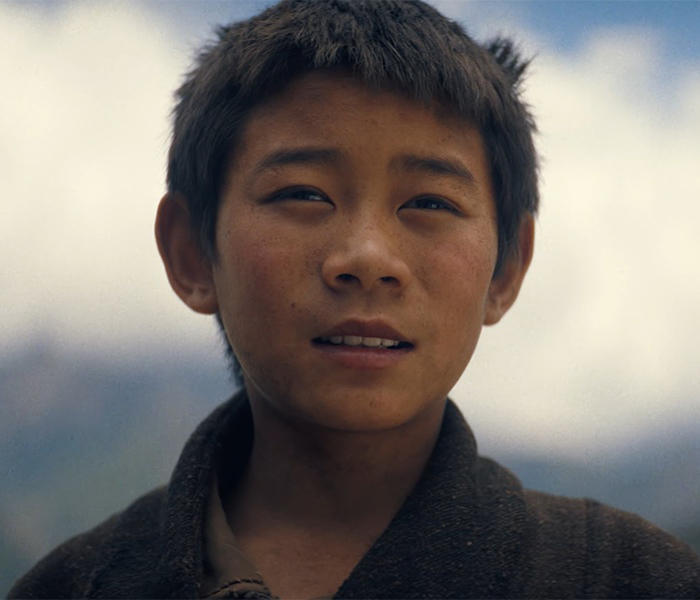
The film opens in the early 1930s in the Solu Khumbu region of Nepal, where a young Tenzing Norgay grows up hearing stories of foreign expeditions attempting to reach Chomolungma. His people call that peak the Mother Goddess of the World, a name that carries deep spiritual meaning for every Sherpa family living beneath it. Unlike most Sherpa children of his generation, Tenzing develops a quiet obsession with standing on that summit himself. That obsession shapes every decision he makes for the next two decades of his life on the mountain, and it never leaves him.
Working as a High-Altitude Porter
As a young man, Tenzing leaves his village and finds work as a high-altitude porter for British expeditions that attempted to climb Everest from the Tibetan side during that era. His first attempt came in 1935, followed by a second attempt in 1936 and a third attempt in 1938.
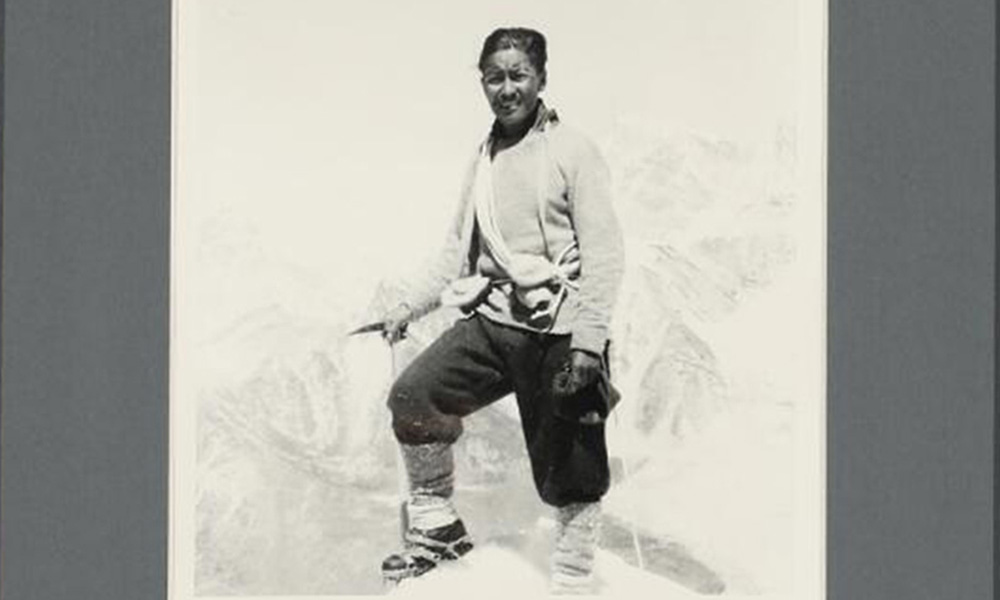
Each time, the mountain defeats the expedition and sends every climber home empty-handed without reaching the top. But the audience watches Tenzing transform during those failures from a porter into an indispensable climbing partner. Norgay's judgment and endurance become something the foreign climbers come to rely on completely, and that reliance grows with every expedition.
Learning the Mountain With Each Descent
Tenzing studies mountaineering techniques with discipline and patience while learning English with the same quiet determination he brings to everything else. He watches climbers fall into crevasses, suffer from frostbite, and struggle with altitude sickness at the highest elevations. He learns the mountain more deeply with every descent, storing that knowledge for the attempts still ahead of him.
Also Read: Wilderness Film Productions: The Best Film Fixer Company in Nepal
The story shifts to 1952 when a Swiss expedition invites Tenzing to join their Everest attempt from the Nepalese side for the first time. With Swiss climber Raymond Lambert, he reaches approximately 8,595 meters above sea level before severe weather forces them to turn back just 200 meters from the summit.
The Devastating 1952 Attempt
The scene is devastating in its emotional precision because Tenzing stands in a blizzard close enough to see the final ridge clearly. He decides to descend with a silent promise to return one more time, and that promise becomes the bridge to everything that follows. The final act follows the 1953 British expedition led by John Hunt across the most dangerous terrain on earth. Tenzing is initially hesitant to join after years of heartbreak on the mountain, but he eventually agrees and is paired with a young New Zealand climber named Edmund Hillary.
The Bond That Was Formed in The Mountains
Over weeks of climbing together, Tenzing and Hillary forge a bond that transcends language, nationality, and the considerable distance between their two very different worlds. What begins as a professional partnership quietly becomes something much more personal and enduring than either man expected when they first met in Kathmandu.
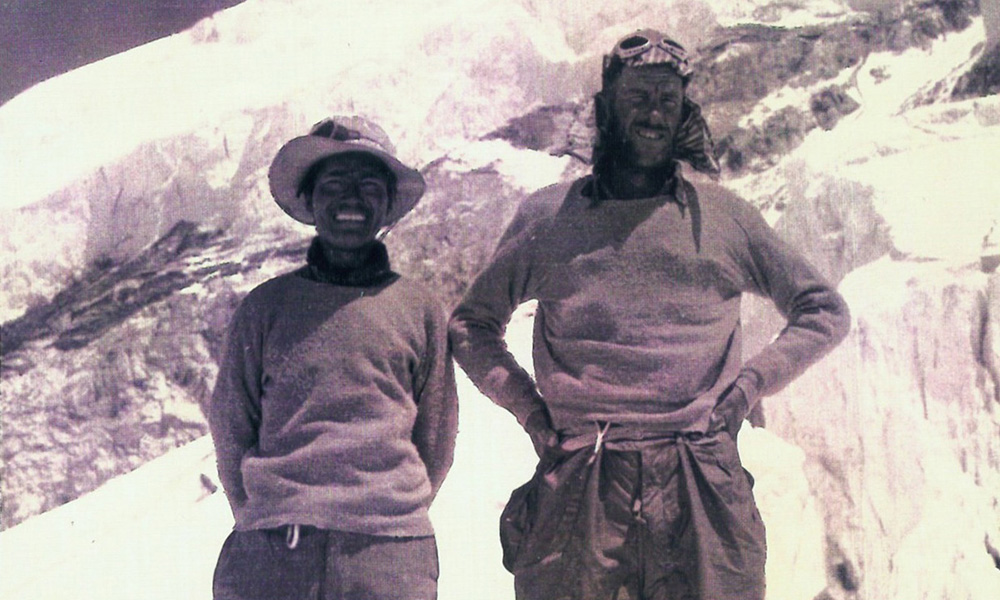
The summit sequence is filmed with complete restraint and deliberate silence, avoiding every cliché of modern mountain cinema. There is no triumphant score building beneath the image and no slow-motion hero shots designed to manufacture cheap emotion for the audience watching below.
Reaching the Top in Silence
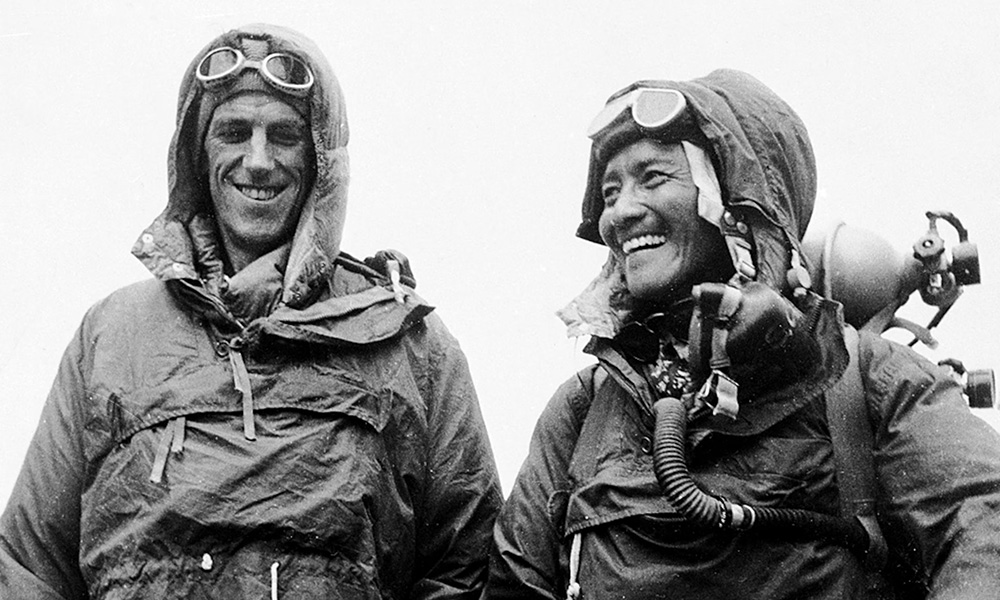
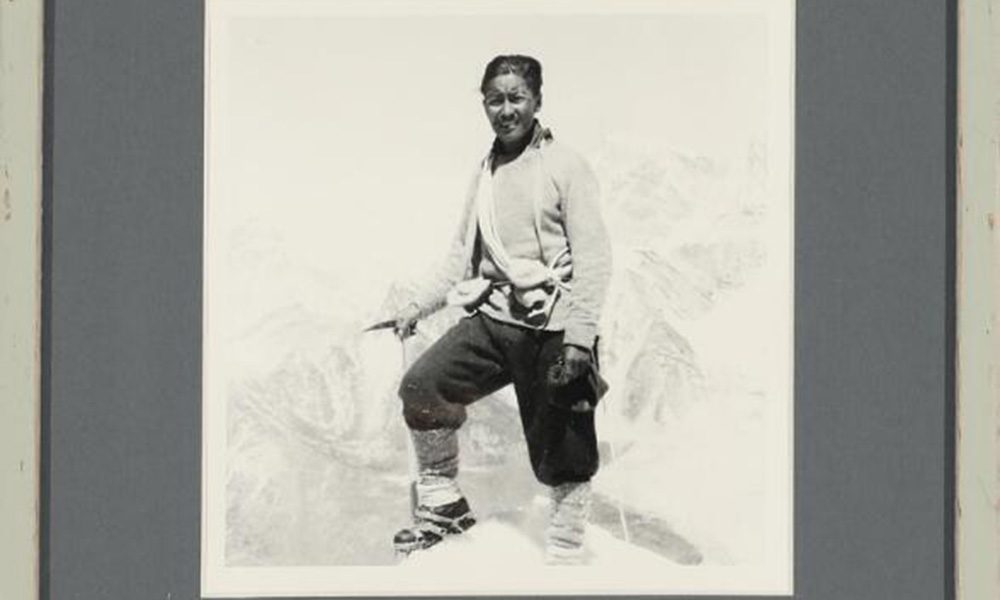
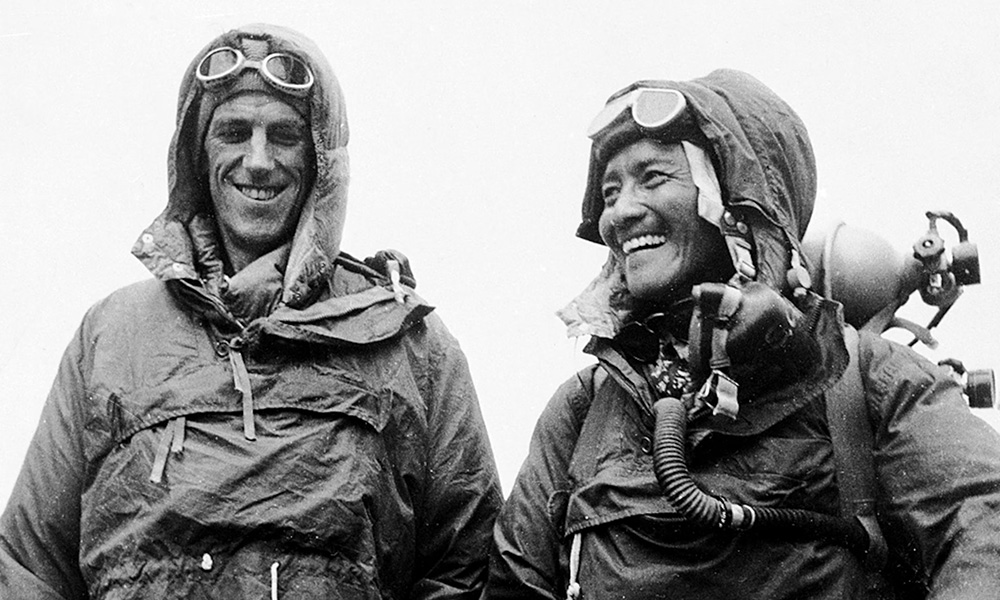
Tenzing and Hillary reach the top in silence while the camera holds on to Tenzing's face as he looks out across the roof of the world without speaking a single word. According to early production information, the sequence runs seven full minutes with no dialogue and no musical score at all. He kneels and makes a small offering to the mountain exactly as recorded in the historical accounts of that ascent from 1953. Hillary takes the photograph of Tenzing standing with his ice axe raised, and that image will define both of their lives forever afterward.
Related Articles: Genden Phuntsok as Tenzing Norgay: The Actor Bringing a Mountaineering Legend to Life
The Complicated Reality After the Summit
The film ends not with celebration but with the complicated reality that follows every great achievement in the public eye. Returning to Nepal and later to London, Tenzing discovers that the world does not know how to honor a Sherpa as a full human being with his own story. He is an equal partner in the achievement, but the world refuses to see him that way because of who he is and where he comes from.
Reporters press him relentlessly about whether he reached the summit first or whether Hillary helped him get there. He refuses to answer that question for the rest of his life, and the film honors that refusal completely. The final scene shows Tenzing walking alone through the streets of Kathmandu as a man caught permanently between two worlds. He is forever the first but never quite fully claimed by history, and that tension is the truest part of his story.
The Importance of the Tenzing Norgay Story to Mountaineering History
Sherpa Contributions to Mountaineering History
For decades, global mountaineering history has focused on the triumph of reaching the summit while overlooking the cultural and human story behind the Sherpa communities. Those communities made every expedition possible from the very beginning, yet their names rarely appeared in the headlines or the history books.
Tenzing (2026) changes this perspective directly by placing Tenzing Norgay at the center of the narrative from the opening scene. He is not treated as background detail in someone else's achievement story, and that shift in perspective changes everything about how the film feels from the opening frame onward.
Other Articles: Tom Hiddleston Plays Edmund Hillary in Tenzing (2026)
Why Tenzing's Legacy Matters to World History
The film explores the burden Tenzing carried as both a climber and an unwilling symbol of something larger than himself. He was not simply a guide accompanying foreign mountaineers up a dangerous mountain for payment and praise from the Western world. He was a high-altitude climber whose experience, endurance, and decision-making became genuinely essential to every Everest expedition he joined. This was true long before the famous summit of 1953, and historians note that Tenzing participated in more Everest expeditions than any other climber of his entire generation.
The film examines how Sherpas were viewed and treated during the early Himalayan expeditions, when they were often invisible to the cameras and the journalists. It also shows how Tenzing's achievement permanently reshaped global perceptions of mountaineering and the people who practice it at the highest level. Rather than presenting Everest as a conquest to be won, the film portrays the mountain as something deeply spiritual and genuinely dangerous to everyone who attempts it.
This is tied to the beliefs and traditions of the Himalayan people who have lived beneath the mountain for centuries without ever trying to conquer it. Tenzing was a devout Buddhist who left an offering of food at the summit on the day he stood there, and that small gesture carries more weight than any flag. Sherpa culture in cinema has often been background material, but Tenzing makes it the subject for the first time in a major studio production.
Mutual Respect Grew With Every Camp
As the expedition climbs higher, Tenzing and Hillary come to rely on one another completely, the mountain leaving no room for the differences that might have kept them apart. Hillary later described his first meeting with Tenzing in Kathmandu as immediately striking, noting his physical power, natural confidence, and a personal magnetism that left a lasting impression before the expedition had even begun moving toward the mountain.
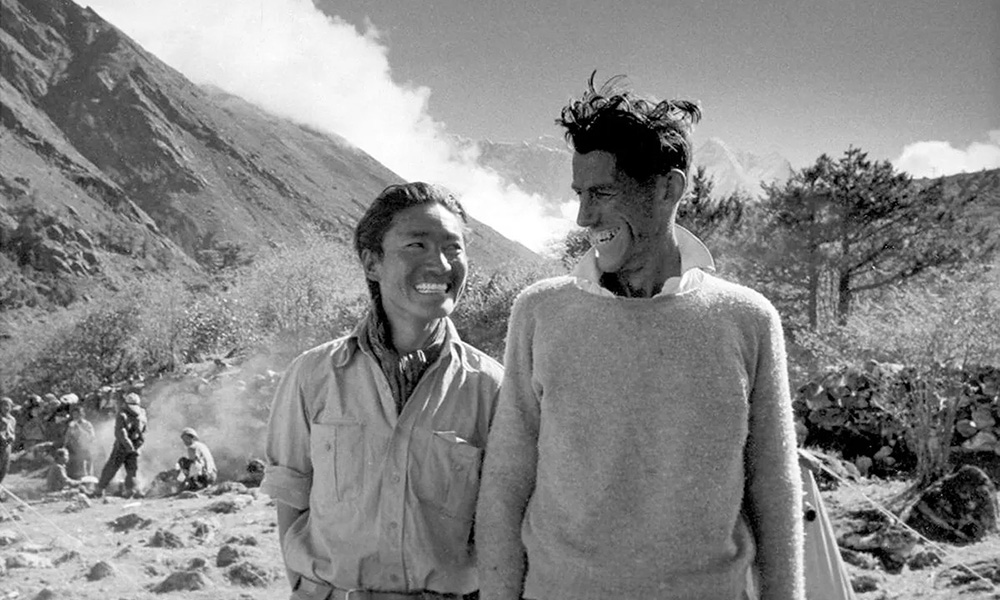
By the time they stand together at the summit, their partnership represents something far beyond a mountaineering achievement. It becomes a quiet, earned moment of trust between two people who chose to depend on each other when it mattered most, and the film never manufactures a rivalry between them that never existed.
Also Read: Willem Dafoe Joins Tenzing (2026) as Colonel John Hunt
How Tenzing Differs From Previous Everest Movies
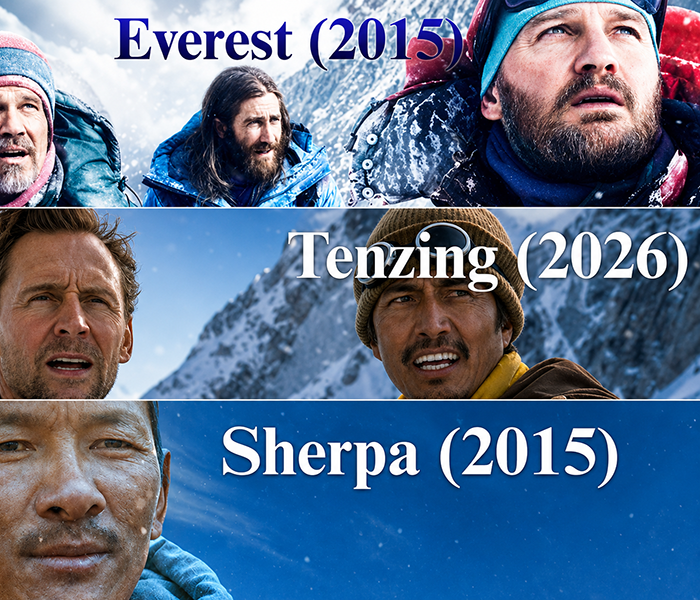
Unlike many Everest films built primarily around survival sequences, disaster narratives, or technical climbing drama, Tenzing is centered entirely on identity and recognition across a lifetime. It focuses on human resilience across a lifetime of determined effort on the mountain rather than on a single season of climbing. Previous Everest films often treated Sherpas as supporting characters moving through the edges of someone else's story without their own arc or voice. Tenzing reverses that perspective with real intention and care that comes through in every scene of the film from beginning to end.
A Focus on Identity Over Spectacle
The mountain remains visually present and emotionally important throughout the film because the setting matters to the story being told. But the core of the film is about the man who helped redefine Himalayan climbing history while struggling to find his own place in the world. That world celebrated his achievement without fully understanding who he was or where he came from. The film is less interested in spectacle and more focused on emotional truth at every level of the storytelling, even when that truth is uncomfortable.
The Emotional Cost of Fame
Instead of treating Everest as an action backdrop for set pieces designed to thrill audiences, the story examines sacrifice, ambition, cultural identity, and the real emotional cost of fame. That fame often arrives without the dignity a person genuinely deserves, and Tenzing felt that absence more than most. Historical accounts confirm that after the ascent, a painful controversy emerged over who reached the summit first on that day in 1953. Tenzing refused to claim sole credit and bore the weight of that question for the rest of his life without ever giving an answer. The film addresses this complicated and unresolved moment with the sensitivity it has always deserved but never received before now.
You May Also Prefer Reading: Filming In Nepal
This approach gives Tenzing the emotional depth and maturity that separates character-driven biographical storytelling from spectacle designed purely for entertainment and box office returns. It is a film made for people who want to understand Everest rather than simply watch people climb it.
The Historical Accuracy Behind Tenzing (2026)
A defining aspect of Tenzing is its serious and consistent commitment to historical authenticity at every level of the production, from costumes to dialogue. This commitment includes the costumes, the equipment, and the specific decisions characters make on the mountain during critical moments of the expedition.
You May Also Prefer Reading: Jennifer Peedom Directs Tenzing (2026) After Making the Definitive Sherpa Documentary
The film draws directly from documented Everest expedition records that have been available to historians for decades. It uses Tenzing Norgay's own published memoirs as a primary source for his interior life and his perspective on the climbs. It also uses detailed historical accounts covering the entire early Himalayan climbing era from the 1930s through the 1953 summit and its complicated aftermath in London and Kathmandu.
Recreating the Equipment and Clothing
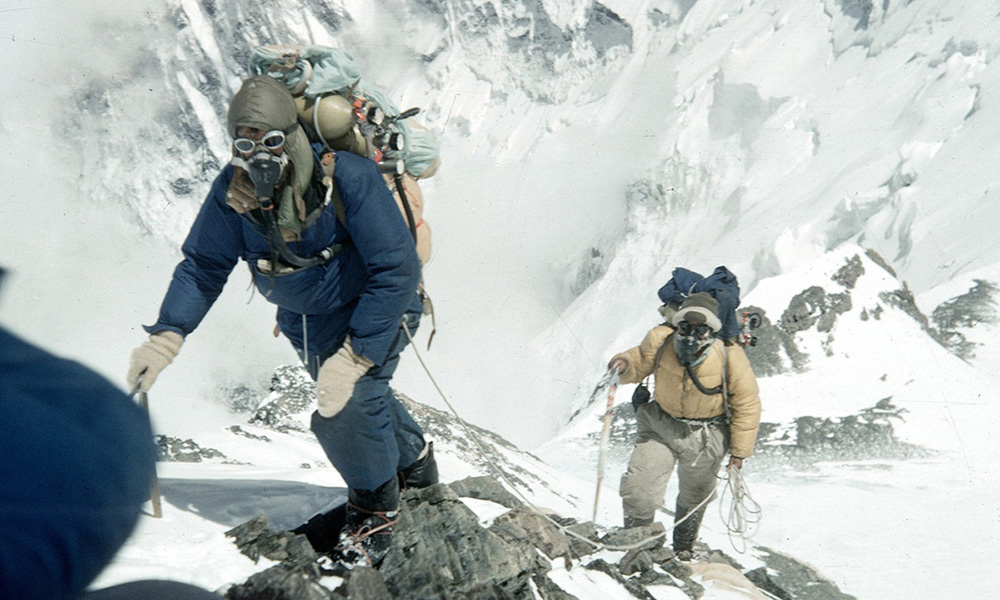
The filmmakers recreated expedition equipment, clothing, communication methods, and camp structures based on thorough archival research from the 1930s through the 1950s. The physical and logistical challenges shown on screen reflect the realities faced by climbers during that era without modern shortcuts or compromises.
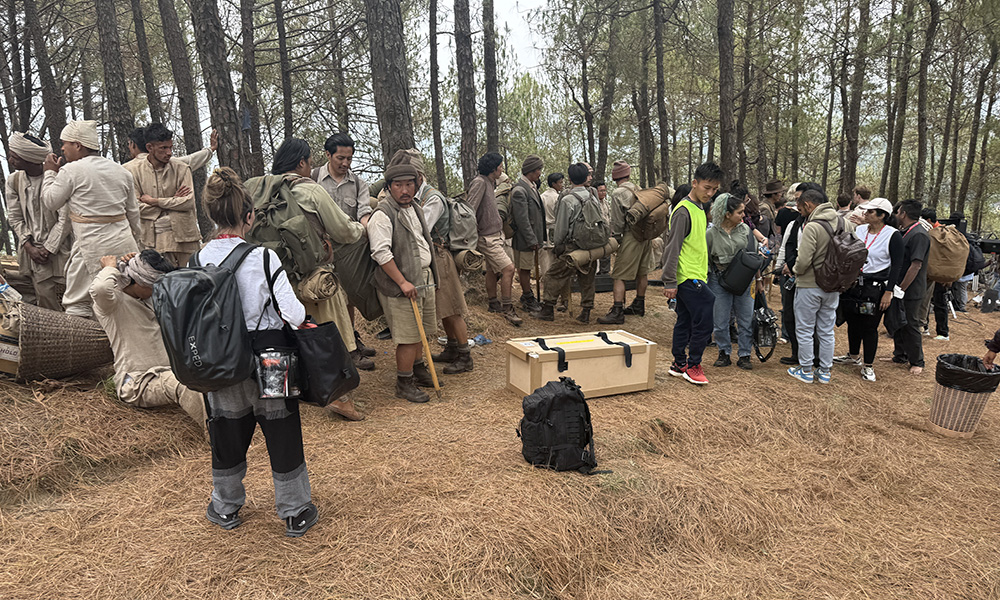
This was long before modern weather forecasting, lightweight technical gear, or advanced supplemental oxygen systems existed in any reliable form at high altitude. Climbers of that generation carried heavier loads, wore less effective clothing, and had almost no way to predict the weather above them.
The Scale of the 1953 Expedition
According to expedition records, the 1953 Hunt expedition required over 400 people in total to reach the mountain and attempt the summit. That total included 362 porters and 20 Sherpa guides carrying 10,000 pounds of supplies and equipment across some of the most demanding terrain on earth. The film builds these historical details into the fabric of the story rather than glossing over the scale of what the expedition actually required to function.
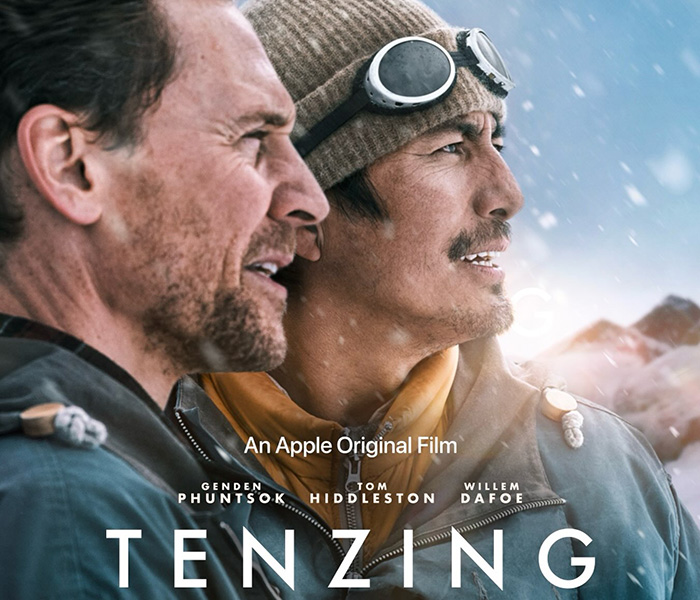
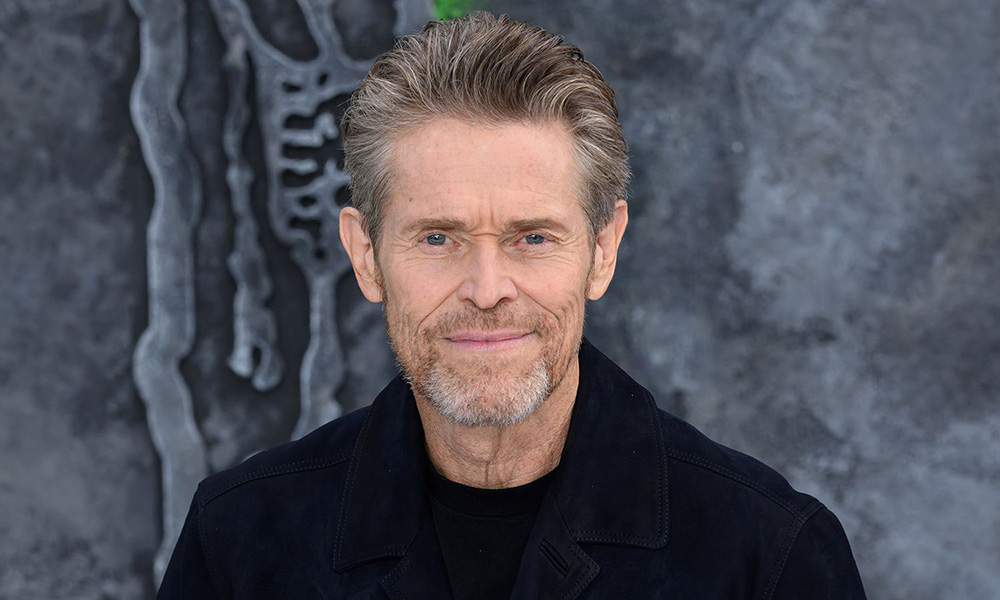
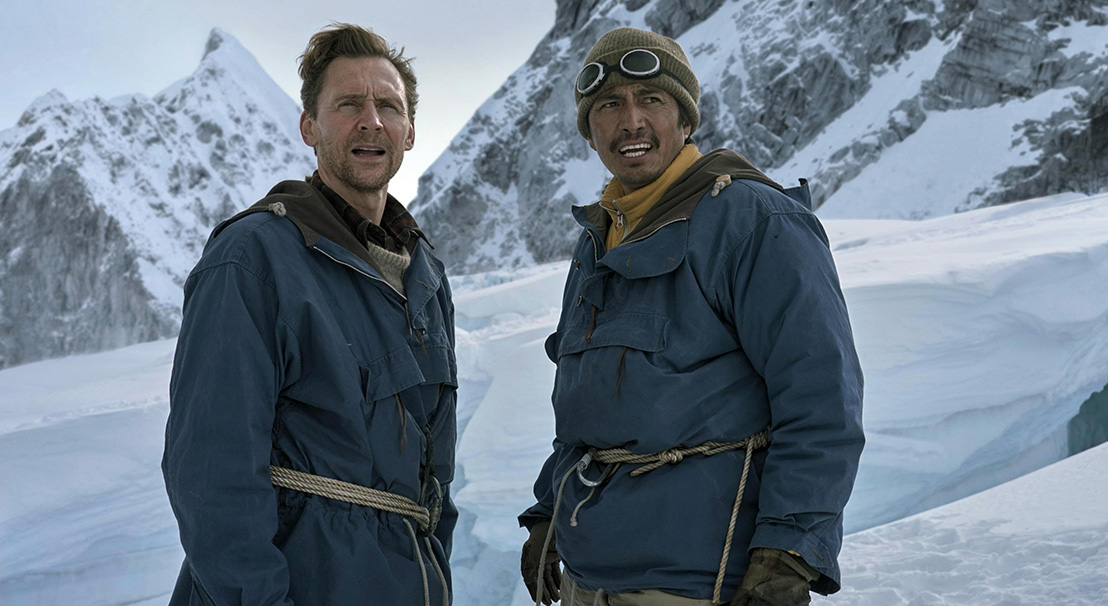
Genden Phuntsok plays Tenzing Norgay in the lead role with the support of the Sherpa community behind him. Tom Hiddleston portrays Edmund Hillary with attention to the historical record of the man he is portraying. Willem Dafoe plays Colonel John Hunt, the leader of the 1953 expedition who held the entire mission together. Caitríona Balfe plays Jill Henderson, a close friend of the expedition connected to the wider story of British climbing.
Johnny Flynn appears as George Mallory, the British mountaineer whose 1924 disappearance high on Everest remains unresolved, in flashback sequences that frame young Tenzing's earliest fascination with the mountain.
Director Jennifer Peedom's Connection to the Sherpa Community
Director Jennifer Peedom received exclusive rights to tell Tenzing's story through his family after years of building trust with them. She has maintained a deep relationship with the Sherpa community built across more than a decade of documentary filmmaking in the Khumbu Valley.

Related readings: Jennifer Peedom Directs Tenzing (2026) After Making the Definitive Sherpa Documentary
The film is produced by See Saw Films, whose credits include The King's Speech and Lion, two films known for their historical care. Tenzing will premiere in select theaters on October 9, 2026, and debut globally on Apple TV+ on October 16, 2026.
Tenzing's Festival Premieres
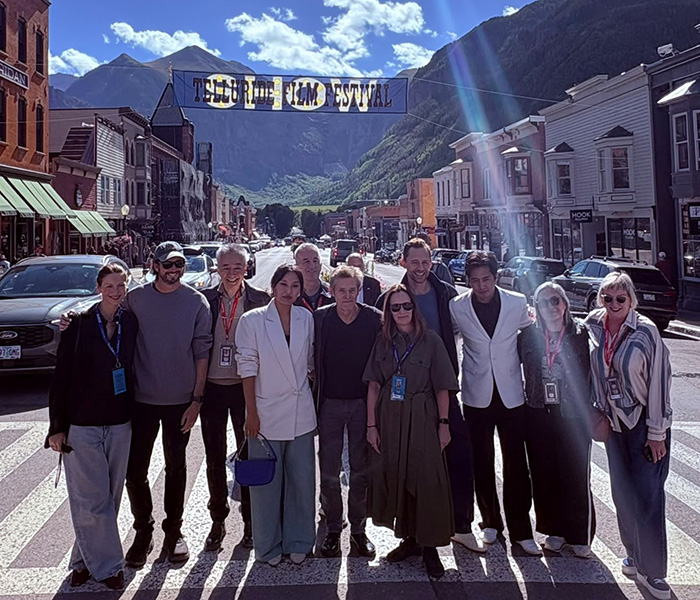
Tenzing had its world premiere at the Telluride Film Festival on September 5, 2026, at the Galaxy Theater, with Jennifer Peedom, Genden Phuntsok, Tom Hiddleston, Willem Dafoe, Caitríona Balfe, and Thinley Lhamo in attendance.
It then holds its Canadian premiere at the Toronto International Film Festival on September 15, before opening the 22nd Zurich Film Festival on September 24, 2026, as the festival's European premiere, with Hiddleston, Dafoe, and Peedom confirmed to attend. Zurich Film Festival CEO Christian Jungen called Tenzing a film that 'shows how you can grow beyond yourself when you have a big dream.
Why Tenzing Could Be a Genuinely Authentic Everest Film
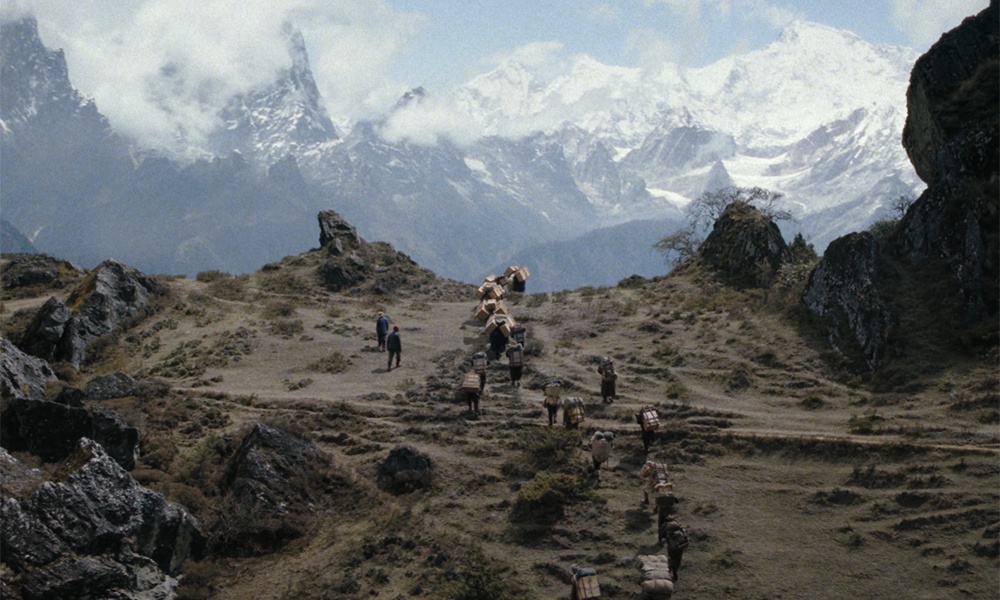
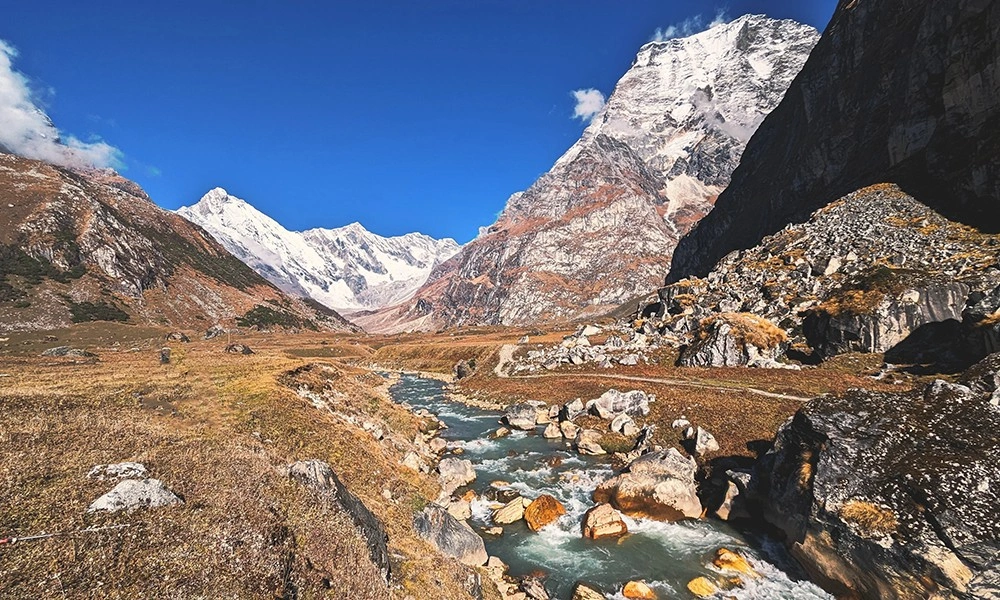
Many mountain films rely on studio environments, controlled sets, and digital snow to recreate the Himalayan experience for global audiences. They do this without ever leaving the comfort of a soundstage in Los Angeles or London, and audiences have learned to accept that approximation. Tenzing takes a fundamentally different approach that separates it from every Everest film that has come before it in the history of mainstream cinema. Large portions of the film were shot in real Himalayan conditions across multiple locations in Nepal at significant altitudes.
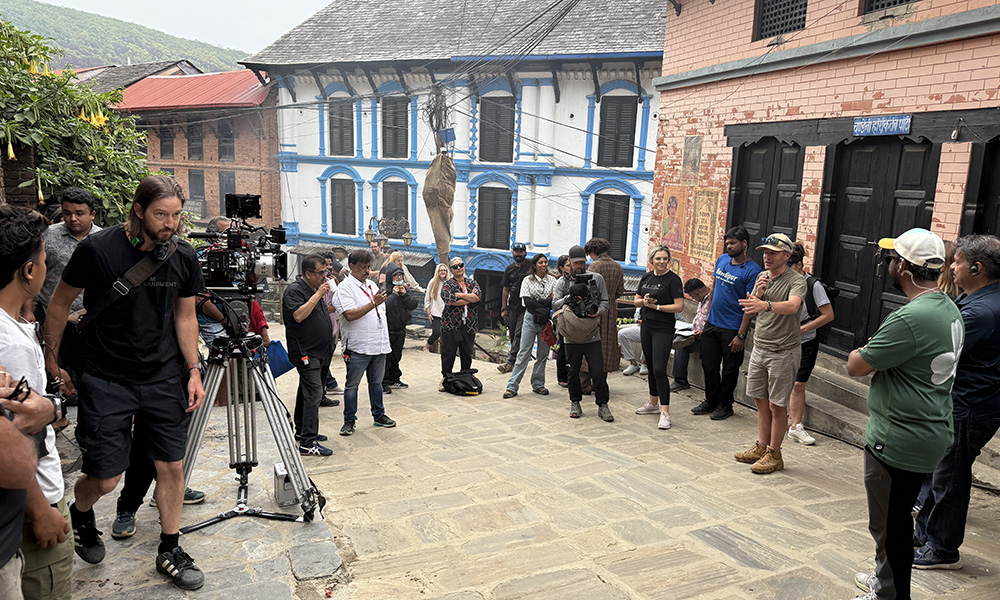
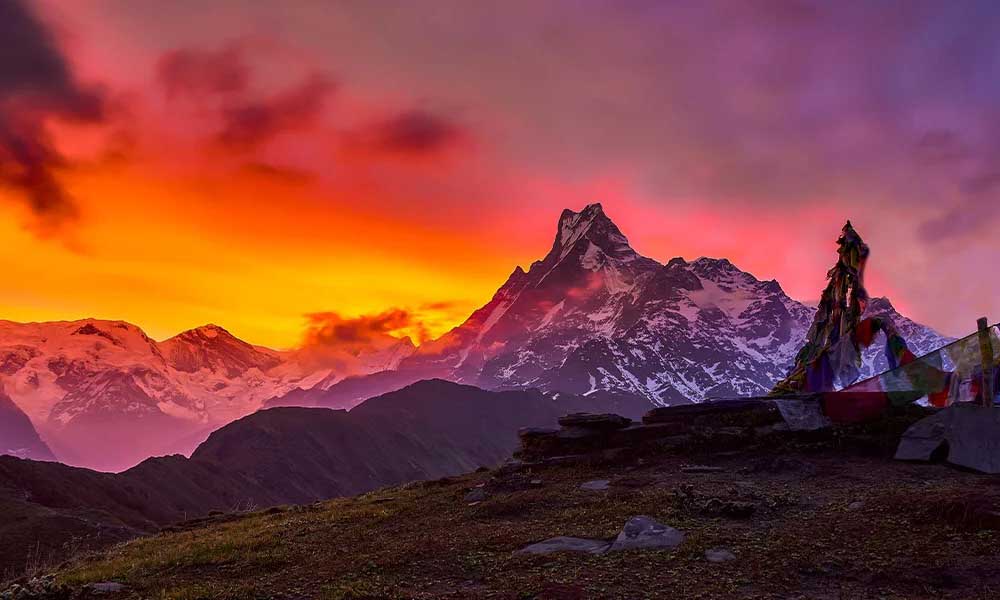
Instead of recreating mountain environments on soundstages, the production worked directly within the actual landscapes that shaped Tenzing Norgay's journey across six expeditions and two decades of his life. This decision gives the film a visual honesty and physical texture that audiences rarely experience in big-budget biographical dramas about climbing. The camera is not approximating the mountain from a safe distance or using visual effects to suggest altitude. It is standing on the mountain alongside the story it is trying to tell, and that difference is visible in every frame of the finished film.
The Challenge of Filming at 4,000 Meters
According to production sources, temperatures dropped to twenty degrees Celsius below zero during filming in the highest locations. Wind speeds reached approximately one hundred kilometers per hour on multiple shooting days, forcing the crew to secure every piece of equipment. These were not controlled inconveniences managed in a studio with air conditioning and safety nets below the actors.
Also Read: Luke Davies, The Screenwriter Connecting Tenzing (2026) and Lion
They were the same conditions Tenzing Norgay faced across his six attempts on the mountain when failure meant frostbite or death. Filming inside those conditions gives the performances and the images a weight that cannot be manufactured on a soundstage anywhere in the world, regardless of budget.
Authenticity of Tenzing (2026)
By grounding the story in real history and terrain rather than dramatization and digital reconstruction, Tenzing has a genuine opportunity to introduce a new generation of global audiences to a significant achievement in mountaineering. The lens is finally honest about who made that achievement possible and what it cost them personally. That honesty is rare in mountain cinema, and it makes Tenzing a film worth watching for reasons that go far beyond the summit.
A Story of Mount Everest
Most Everest films end at the summit with a flag going into the snow and music rising beneath the credits. The credits roll over a hero walking down the mountain toward his waiting life of fame and recognition in the world below. Tenzing ends in the streets of Kathmandu with a man who reached the top of the world but still could not find a single place in it that fully belonged to him. That ending is not a failure of the story or a mistake in the filmmaking. It is the truest part of the entire narrative, and the filmmakers had the courage to leave it exactly as it was.
Other Articles: Thinley Lhamo: The Nepali Actor Bringing Tenzing Norgay's Wife to Life
Tenzing Norgay attempted Everest six times, and he failed five times in conditions that would have ended most climbing careers permanently. He succeeded once on a mountain that his people had lived beside for generations before any foreign expedition ever pointed a camera or a flag at it. This film is not about the summit or the glory of standing on top of the world for a photograph.
It is about everything that came before that moment and everything that came after it when the cameras stopped rolling. It is about a man the world has celebrated for seventy years without ever fully knowing who he was when he walked alone through the streets of his own city. Jennifer Peedom knows who he was because she has been listening to the mountain and the people who live beneath it long enough to finally tell his story the right way.
Filmed in Nepal With the Support of Wilderness Film Productions
The Nepal production of Tenzing was made possible through the work of Wilderness Film Productions, which now serves as the official film company for this project. At the time of filming, the work was handled by Wilderness Outdoors, our trekking and travel company that did not have a dedicated filming website. Later, we established Wilderness Film Productions as our official film company with the same CEO managing both organizations under one leadership structure.
The Production Chain
All production work in Nepal was handled by Wilderness Outdoors, and we worked as a local production company managing logistics, permits, and all ground operations. The production is also credited to Stranger Than Fiction Films alongside See Saw and India Take One Production, reflecting the number of companies coordinating across the film's international shoot. See Saw gave the production to India Take One Production, who then assigned all local film production in Nepal directly to Wilderness Outdoors.
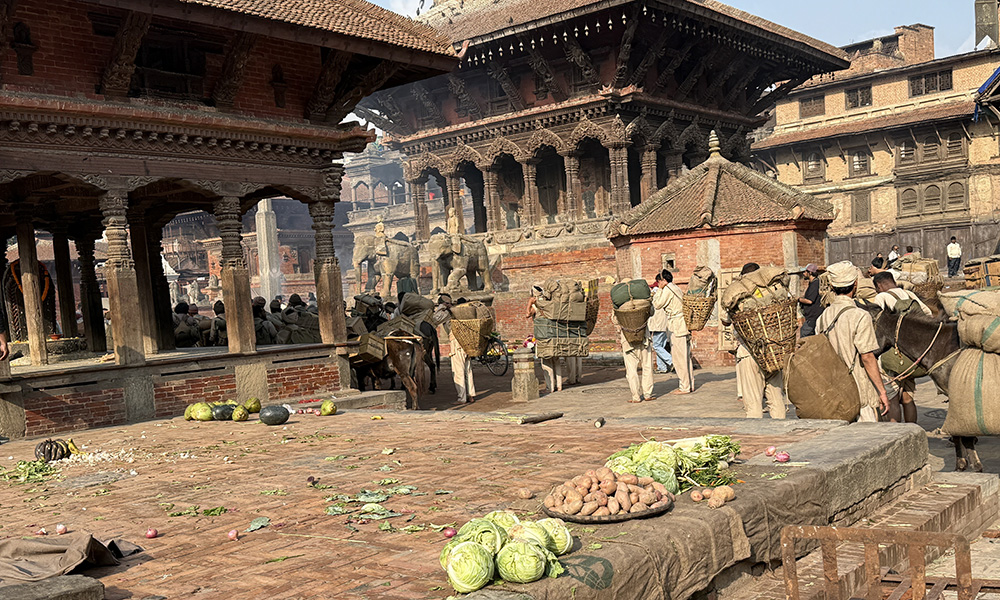
Why did Tenzing Productions choose India as a production supporter? It was due to Nepal's lack of experience and also its lack of filming equipment. India had it due to the power of Bollywood and huge experience with movies such as the Oscar-nominated film Lion, written by the same writer as Tenzing.
Aerial and Drone Shoots
All the Aerial and Drone Shoots were given to us directly by the Plum & SeeSaw productions. The aerial & drone shoots in the base camp took around two weeks and were smoothly handled by our team and us.
Local Crew, Logistics, and Equipment Support
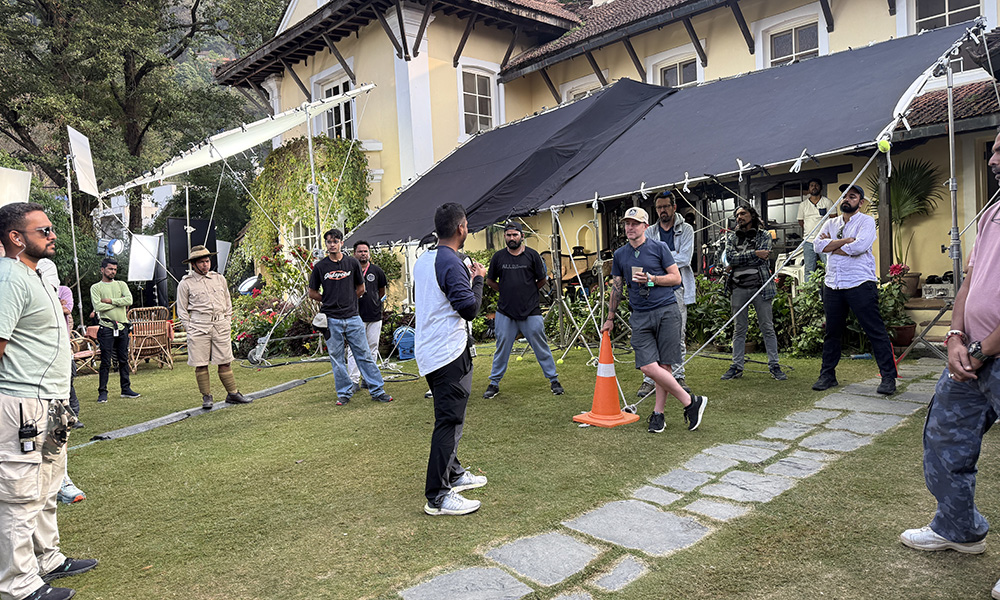
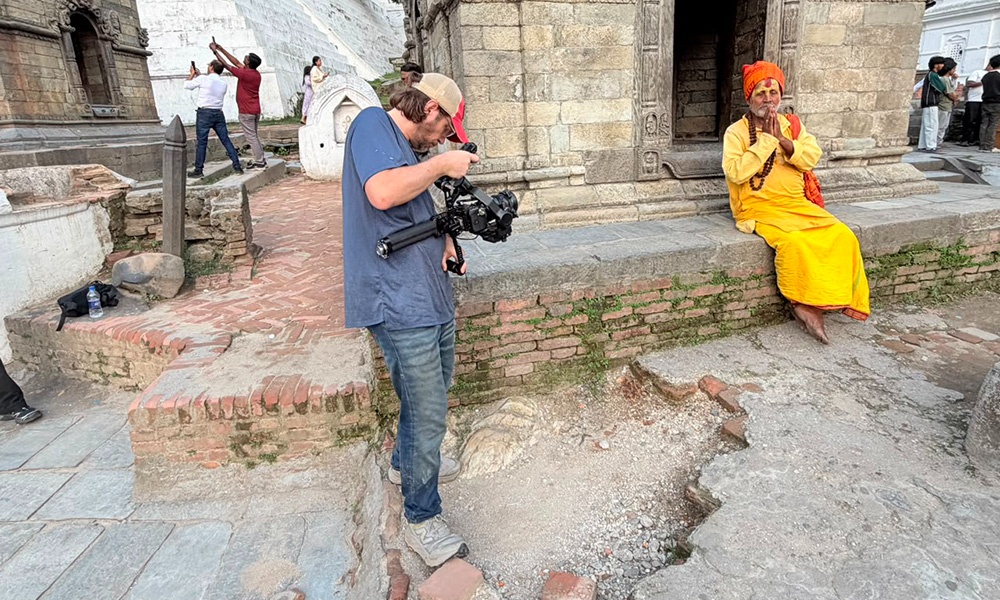
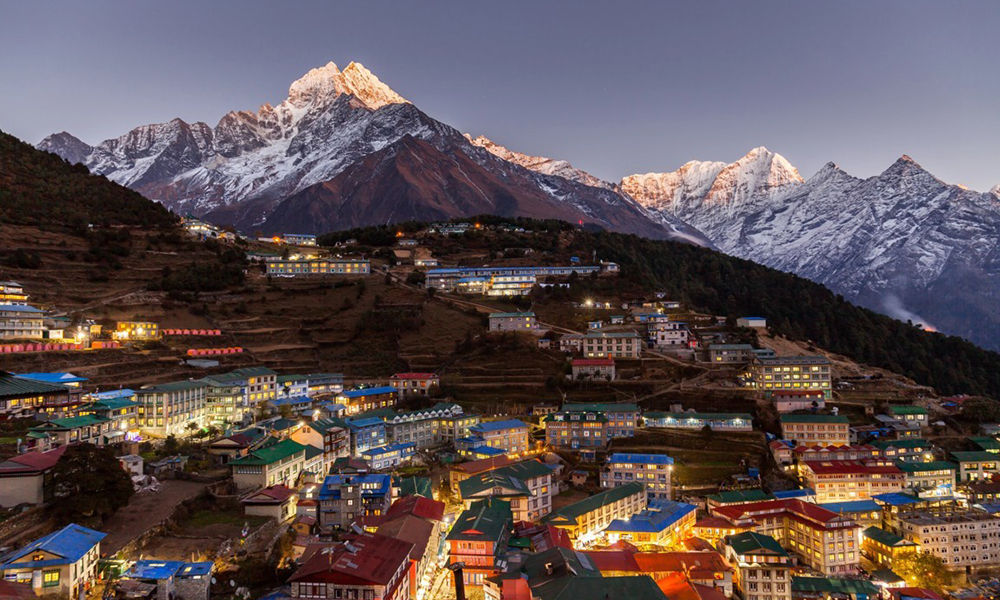
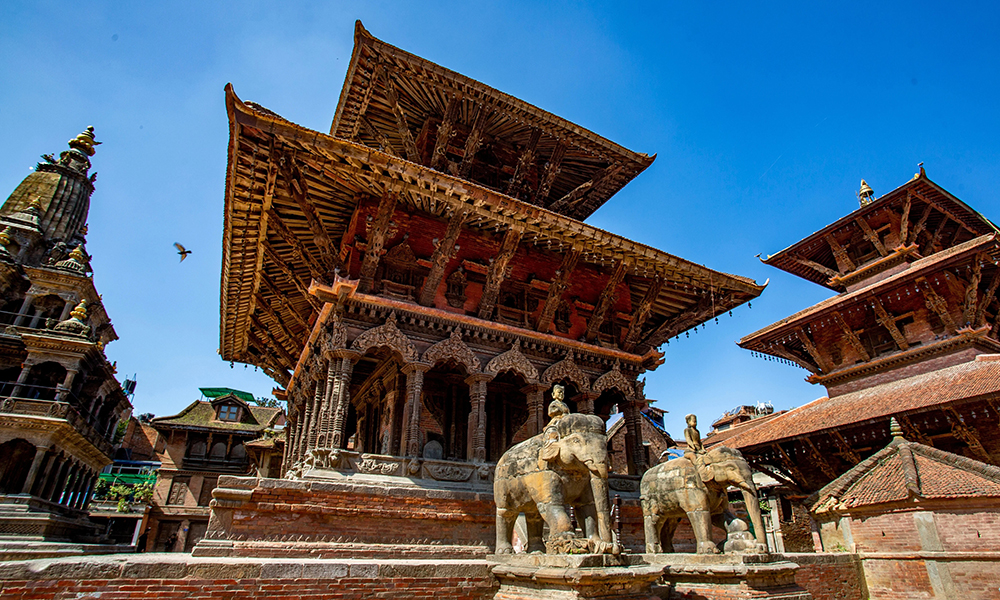
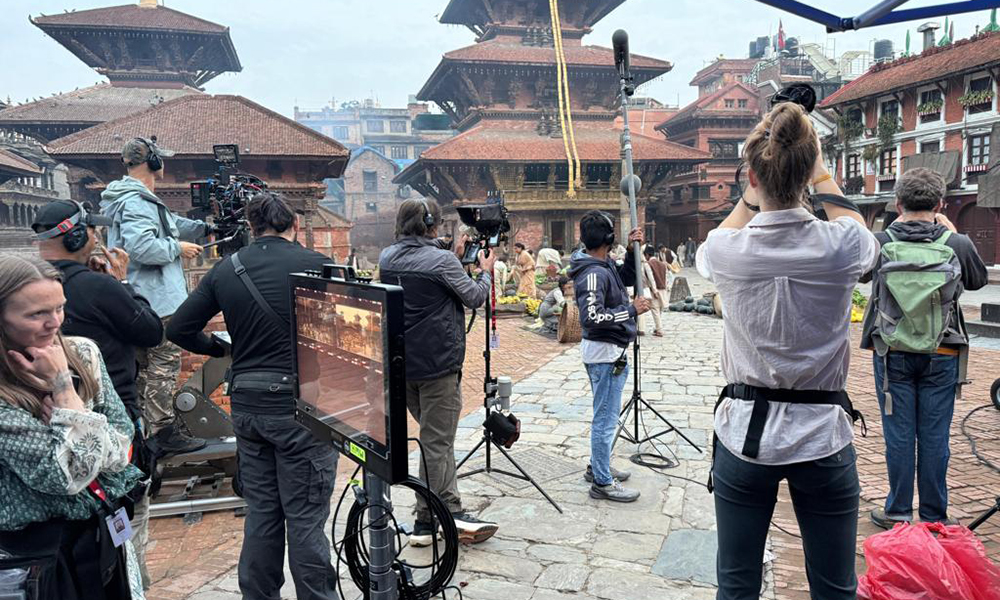
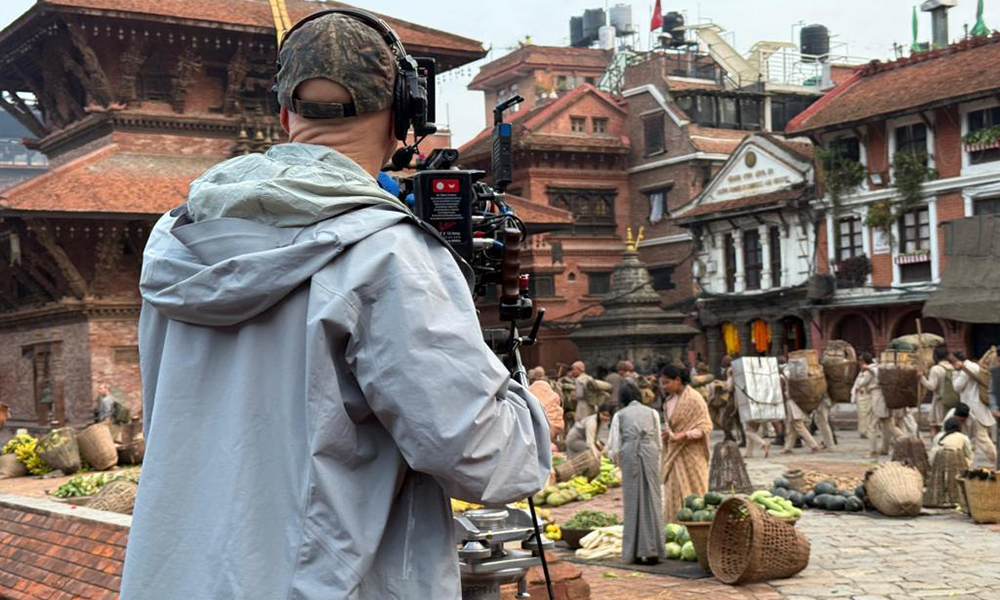
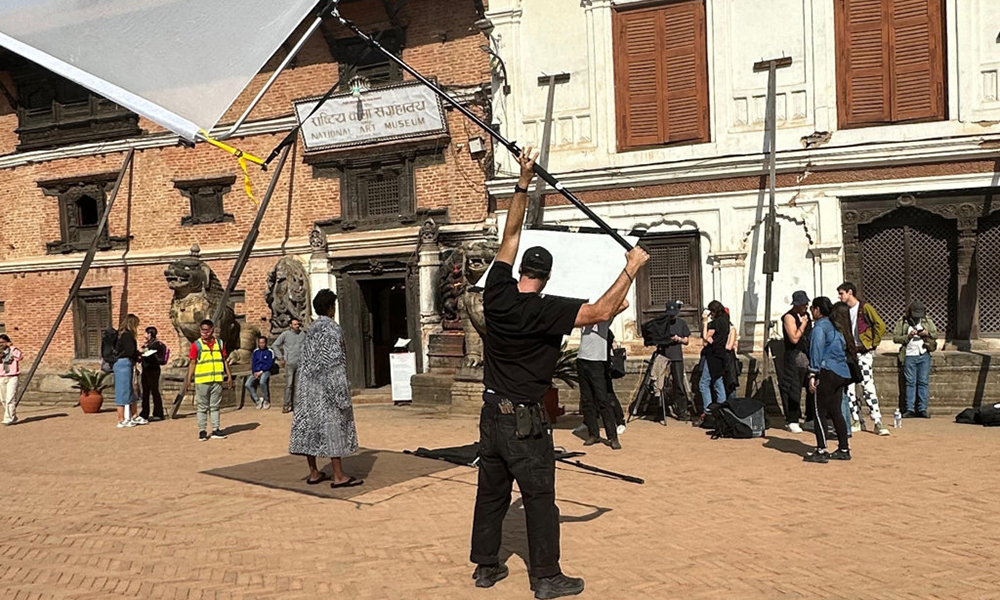
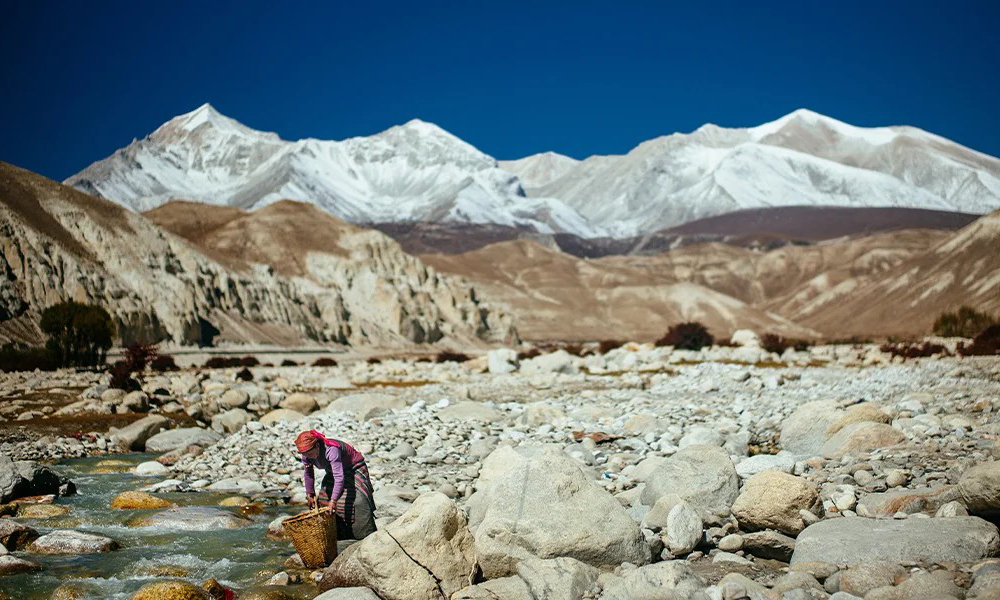
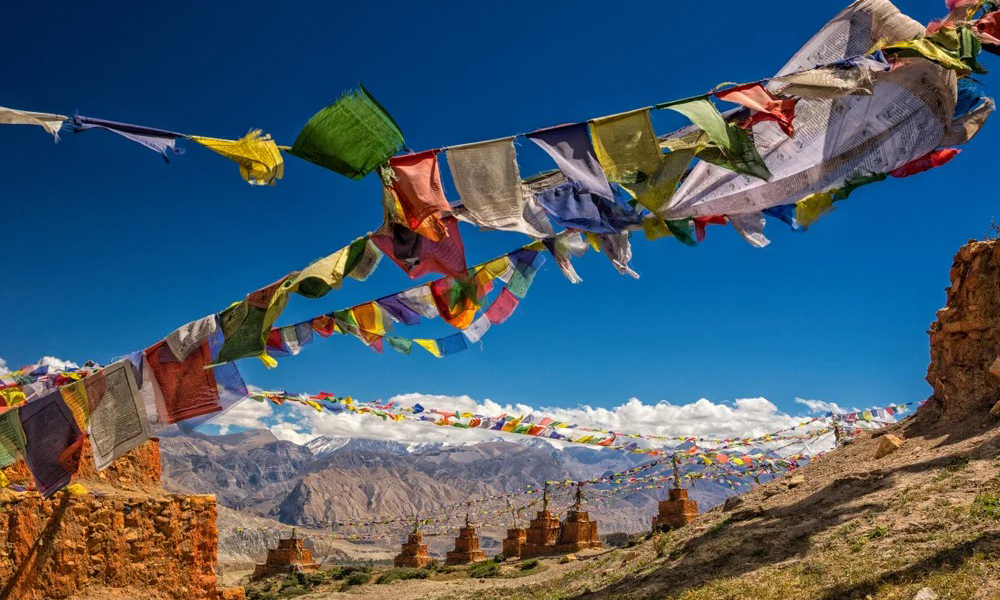
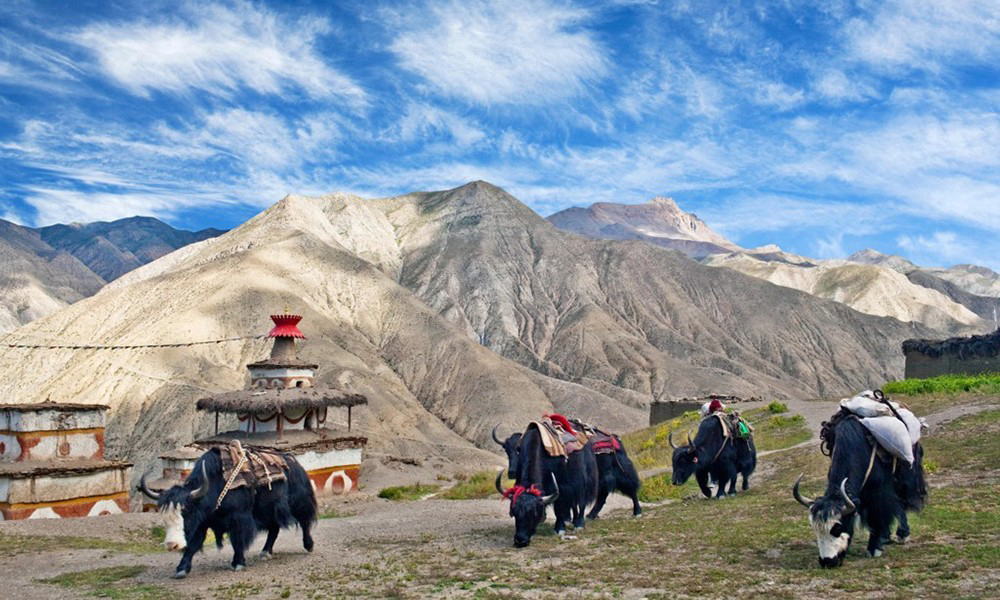
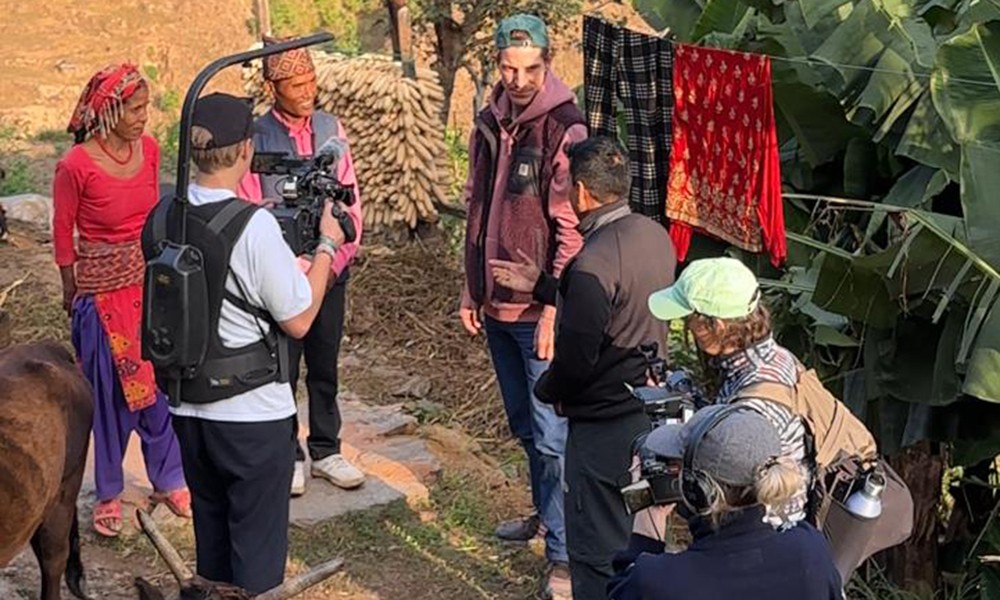
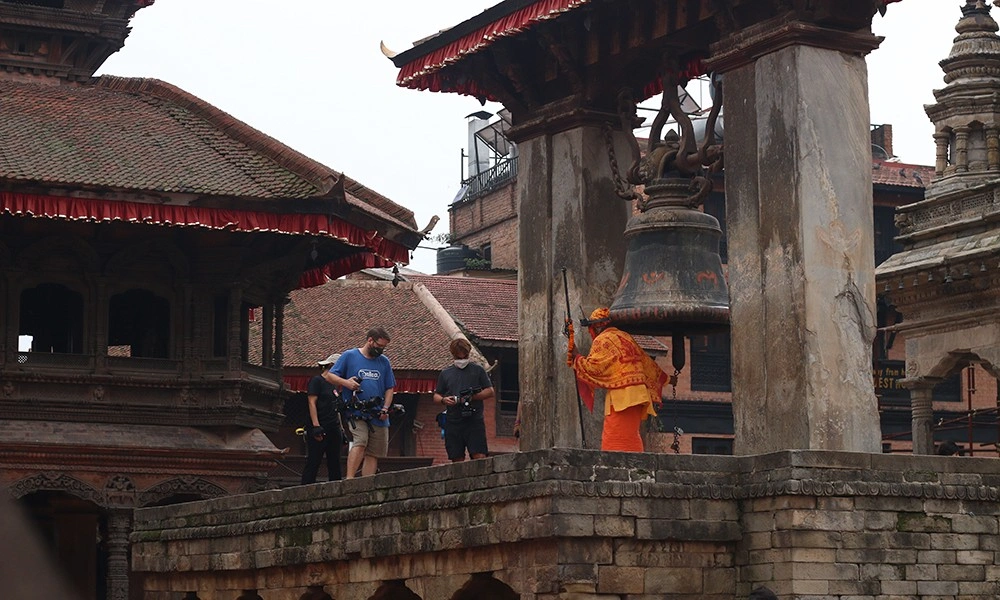
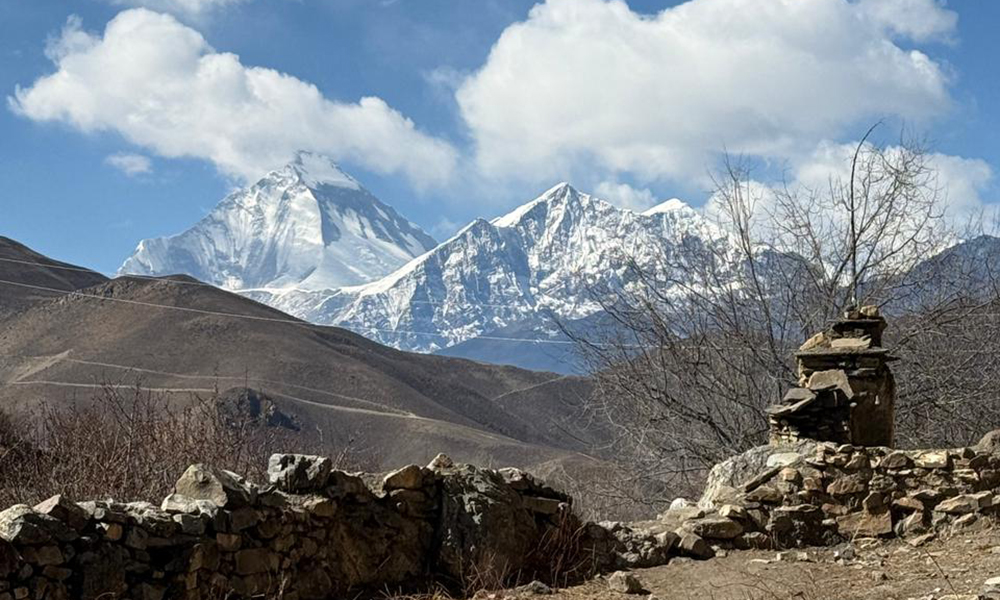
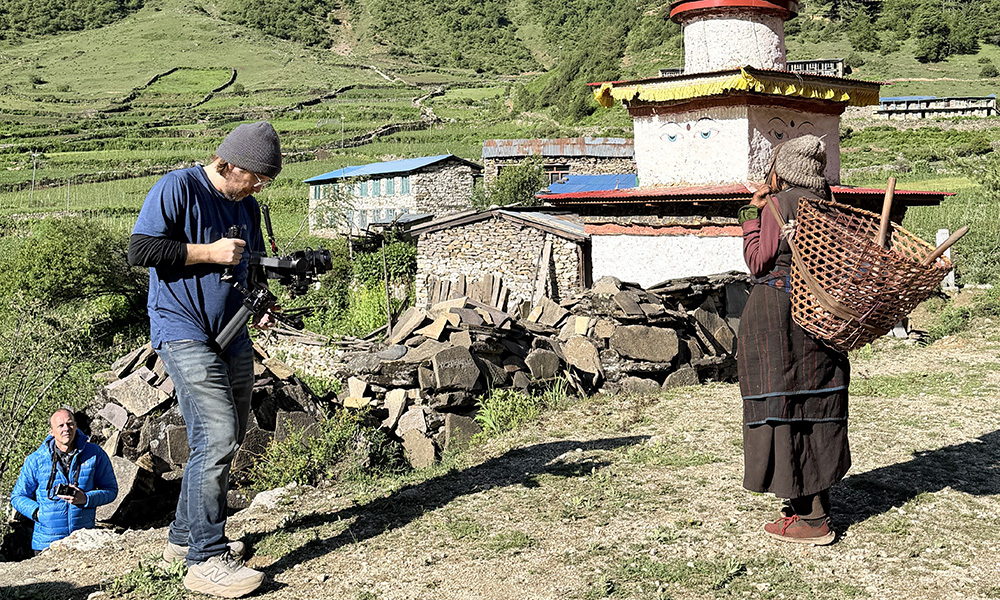
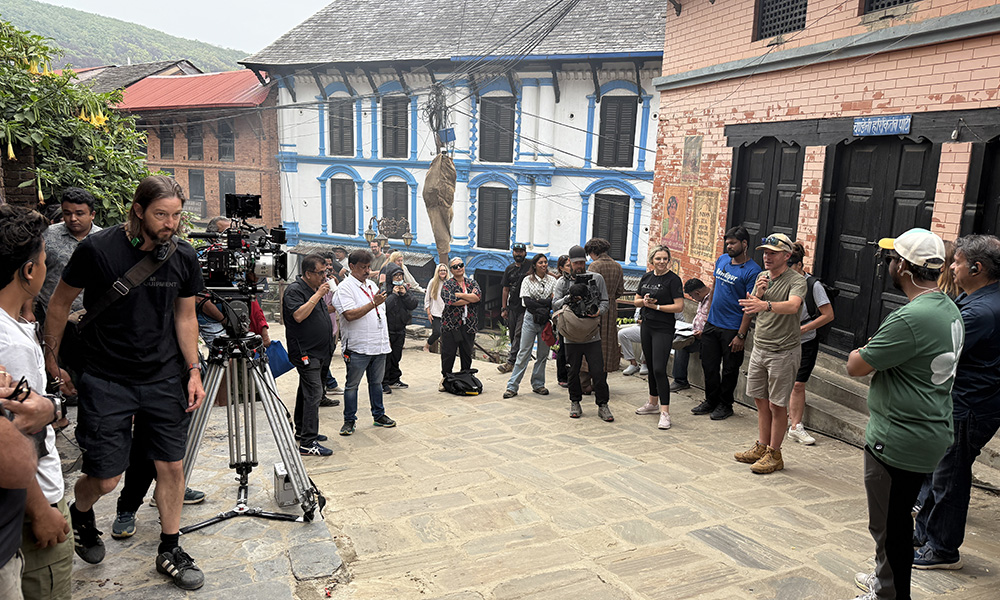
Wilderness Film Productions now serves as the official Location Manager for the Nepal shoot of Tenzing, and our team secured all government permits for the production. We managed nine primary filming locations across the Khumbu Valley and the Kathmandu Valley, including Patan Durbar Square, without losing access to any site during the schedule. Bandipur streets were shown as Darjeeling during the time of the summit. Mustang was shown as Tibet, specifically as Thanzig, the first home of Tenzing Norgay's ancestors. Location preparation for the expedition was also done at the British Embassy in Kathmandu.
Related Readings: Norbu Tenzing Serves as Executive Producer on His Father's Story
We arranged a local crew who knew the terrain and the conditions better than any foreign production team could have managed alone. We also provided equipment support during the Nepal shoot, assisting with local gear needs and logistical coordination. The main camera equipment, lighting, and sound gear were brought by the production team from overseas, and our team ensured they were transported safely to every location.
Medical Support and Altitude Challenges
Our team provided full logistical and medical support throughout the multi-month production at altitudes ranging from 1,400 meters to over 5,000 meters. Our medical team remained on standby throughout the shoot to manage altitude-related risk across every high-elevation location. The shoot did not lose a single day despite extremely high-altitude conditions that would have completely shut down a less prepared production.












Latest Comments