

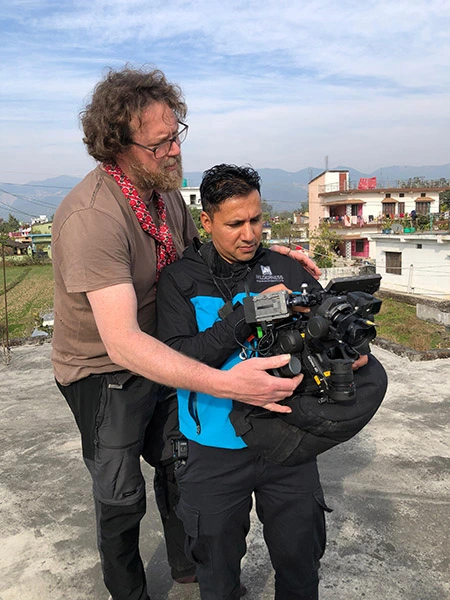
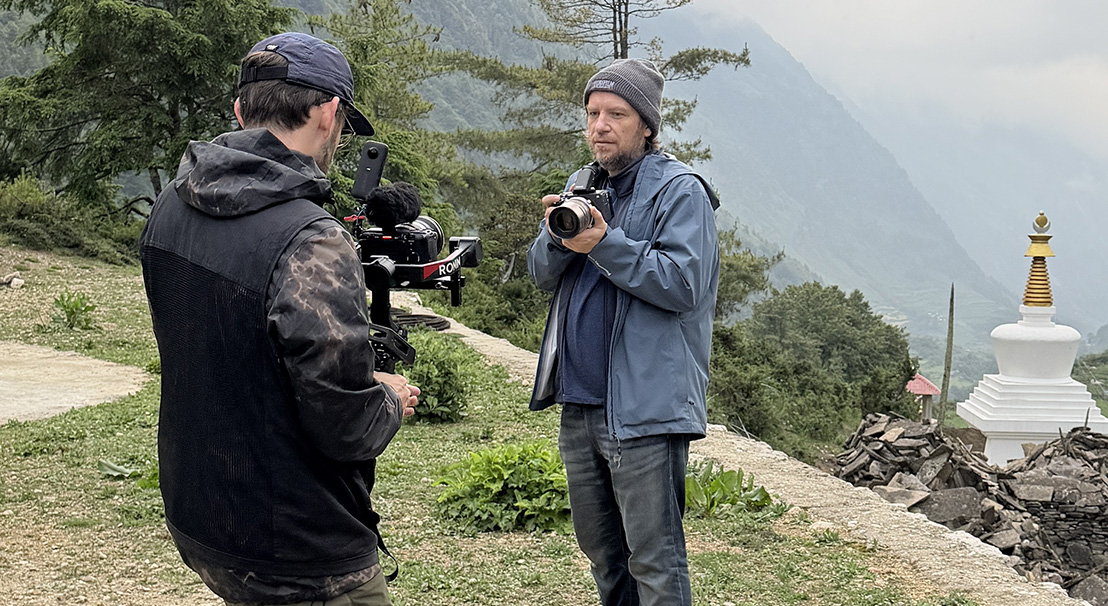
Wilderness Film Productions managed ground logistics for this Nepal shoot.
Introduction
Sony officially launched the FX5 on July 22, 2026, and the camera's first real test happened in Nepal. Director Gareth Edwards, known for The Creator, took the newly launched FX5 back to the exact Nepal filming locations that shaped his 2023 sci-fi film. Wilderness Film Productions managed ground logistics for the entire Nepal leg of this test, from Kathmandu to the remote Manaslu region.
British director Gareth Edwards shot his 2023 science fiction film The Creator entirely on a Sony FX3. The camera is a compact cinema body that launched at under four thousand dollars. That decision turned an eighty million dollar studio production into one of the most talked about camera stories in modern filmmaking. In the years since, documentary crews and independent filmmakers increasingly turned to the FX3. They were drawn by the same combination of image quality and portability that made it work for a Hollywood feature.
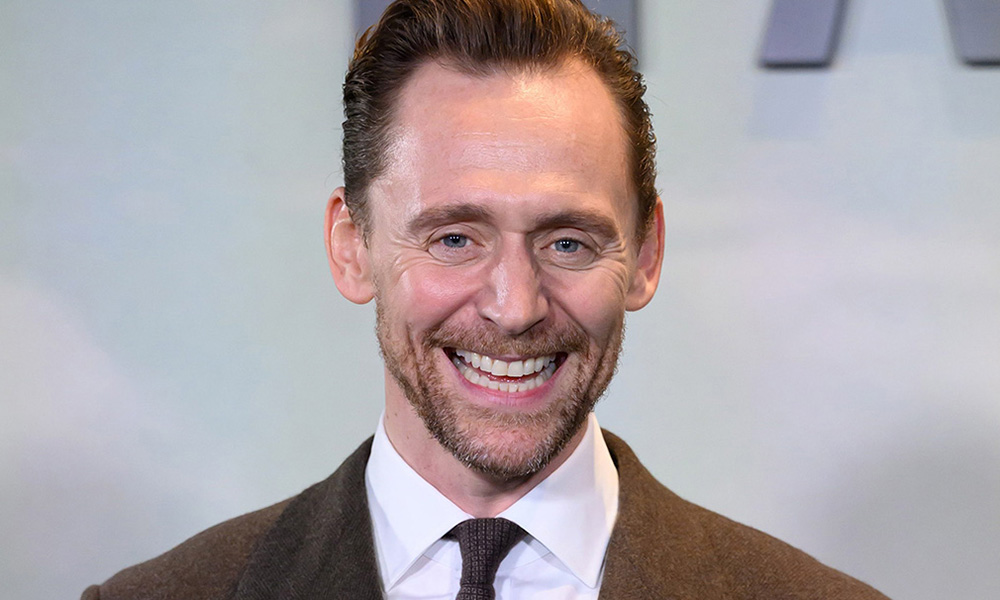
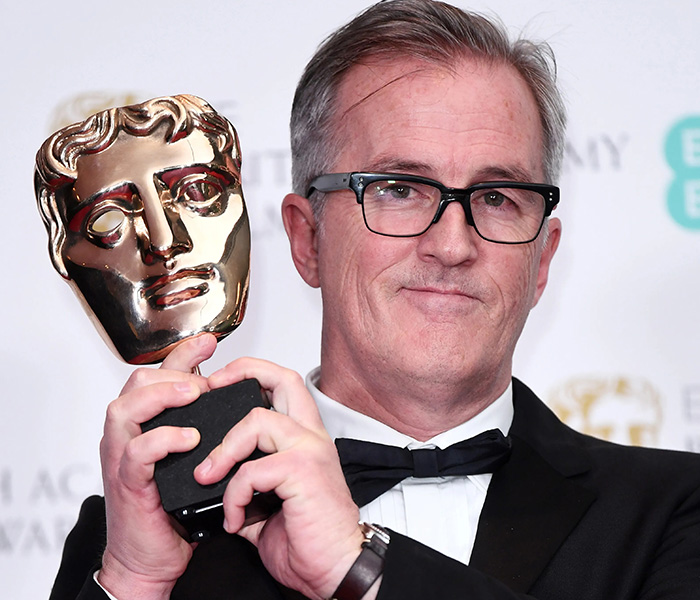
In 2026, Edwards returned to Nepal to put Sony's newly launched FX5 through a real test. This time, he worked alongside Toronto-based documentary director Mark Bone on the project. The two filmmakers tested the camera across Nepal, Cambodia, and Thailand over several weeks. In Nepal, they returned to several of the same locations that shaped The Creator years earlier. Sony has since confirmed the project directly, featuring Edwards in its own official FX5 launch materials.
This blog covers the story behind the Sony FX3's rise and the FX5 test shoot in Nepal. It also covers the confirmed FX5 specifications, pricing, and how Wilderness Film Productions supported the ground operation.
The Sony FX3 and The Creator
Gareth Edwards and cinematographer Oren Soffer chose the Sony FX3 for The Creator largely for its size and low-light performance. The camera's high ISO range let the team shoot night scenes using only ambient city light. This extended each day's usable shooting window well into dusk on every location. Edwards has spoken publicly about wanting lighter equipment on set for many years. He has noted that traditional cinema cameras can cost more to rent for one day than the FX3 costs to buy outright.
The film's visual success came on a fraction of the budget typical for a production of its scale. That success is widely credited with pushing the FX3 into wider use across documentary and independent filmmaking. Sony's own Cinema Line content has continued to feature creators using the camera in the years since release.
Who Is Mark Bone
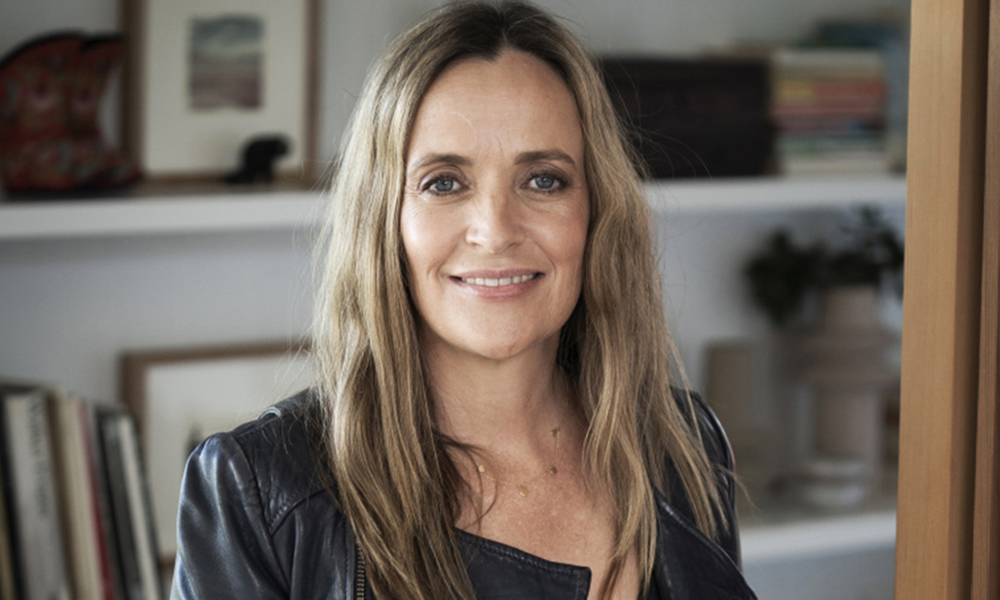
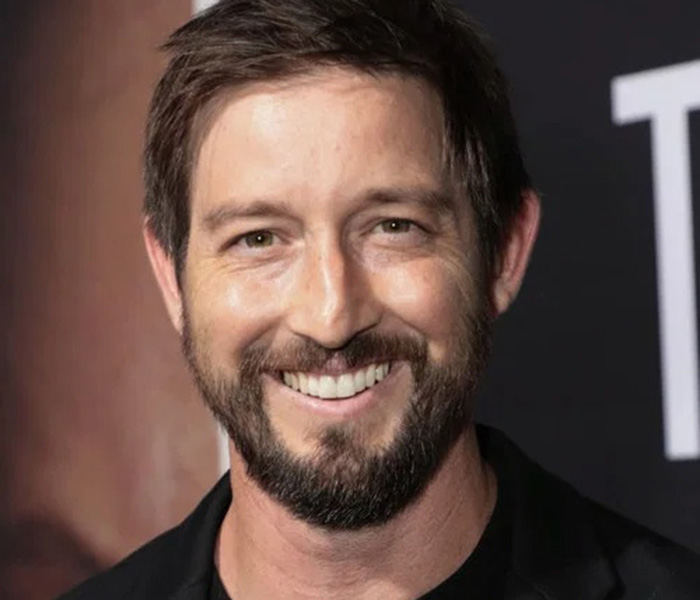
Mark Bone is a documentary director based in Toronto, Canada, working across commercial and independent projects. His work has been featured directly on Sony's official Cinema Line platform for creators. There, he has spoken about using the FX3, FX30, and FX6 across several of his projects.
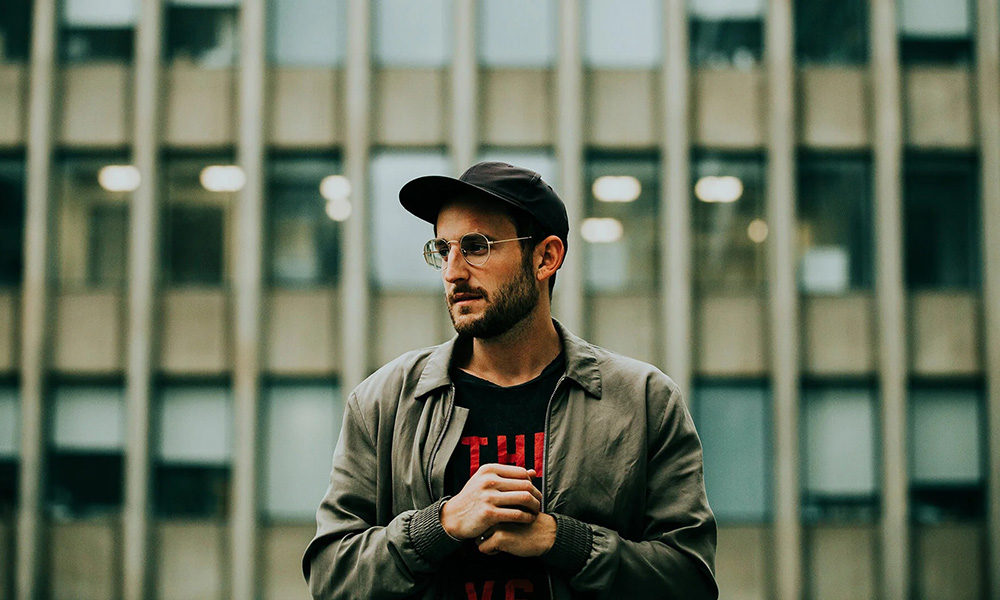
Bone's documentary credits include The Standard, which follows bodybuilder Chris Bumstead's career closely. He has also directed commercial campaigns for major brands including Nike and Mercedes-Benz. He runs an online filmmaking education platform focused on documentary storytelling and technique.
Returning to Nepal for the FX5 Test
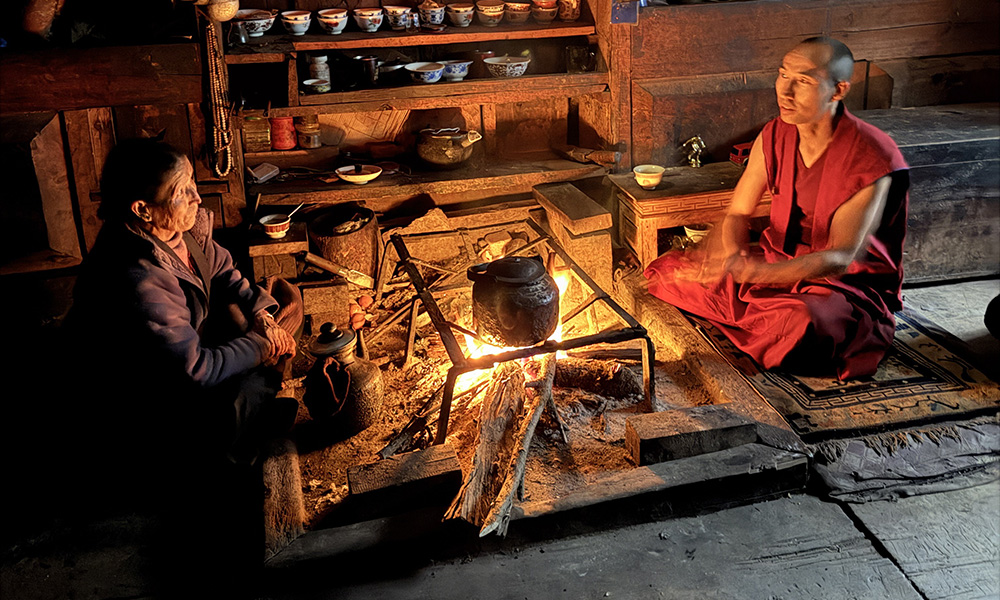
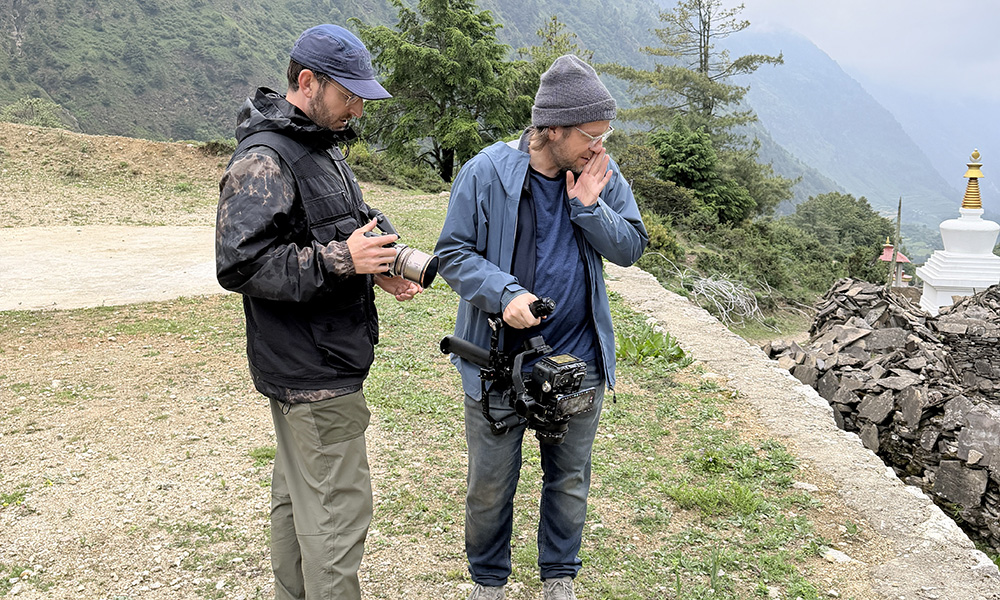
For this project, Gareth Edwards conducted the camera testing directly on every location. Mark Bone documented the process behind the scenes throughout the entire shoot schedule. Nepal was selected partly because several of its locations had already shaped The Creator. This gave the team a direct point of comparison between the two cameras under similar shooting conditions on the ground.
You May Also Prefer Reading: Best Film Coordinator and Fixer Company in Nepal
Sony has now published the results of this test publicly, alongside its official FX5 announcement. Cinematographer Claudio Miranda, known for Top Gun: Maverick and F1 The Movie, also tested the camera. Sony credits Edwards directly, describing his shoot as spanning Cambodia, Thailand, and Nepal. Edwards described the FX5 as built for fast, mobile shooting, calling it <cite index="13-1">" the run-and-gun cinema camera to beat."</cite> Sony has published the full behind-the-scenes project on its official YouTube channel for viewers to watch.
Film and Digital Times later confirmed Mark Bone's exact role, crediting him as the trip's behind-the-scenes photographer. Asked to name a favorite location from the entire Nepal, Cambodia, and Thailand shoot, Edwards named Kathmandu immediately, with Cambodia as a close second. That comment lines up with how much time the FX5 test spent across Kathmandu's temples, squares, and streets.
Filming Locations and Schedule in Nepal
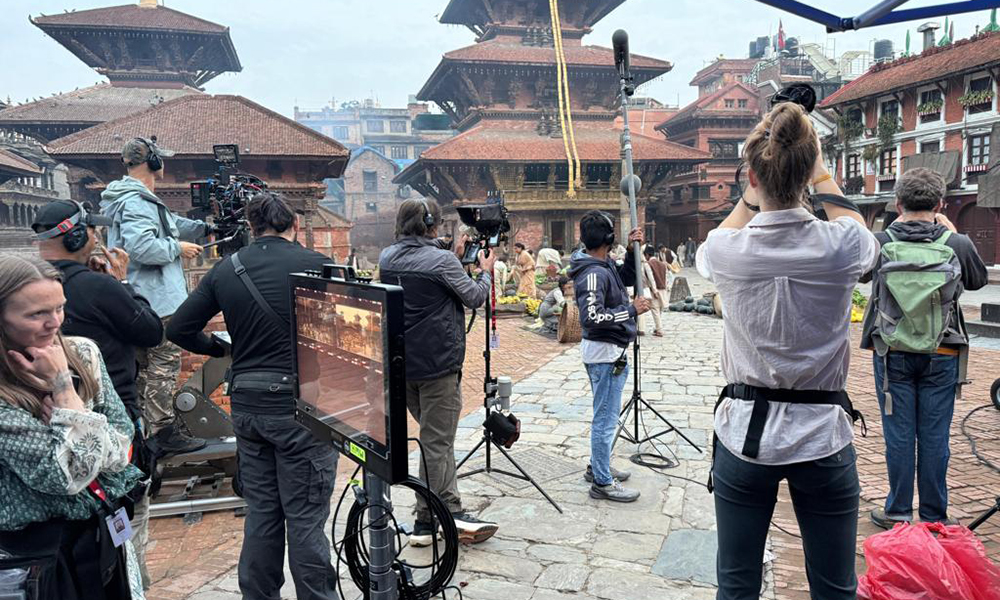
The Nepal leg ran across four days, moving from central Kathmandu out to a remote mountain village. Below is a location-by-location breakdown of where the FX5 test actually took place.
Kathmandu: Streets and Boudhanath Stupa
Filming date: June 21, 2026 (half day)
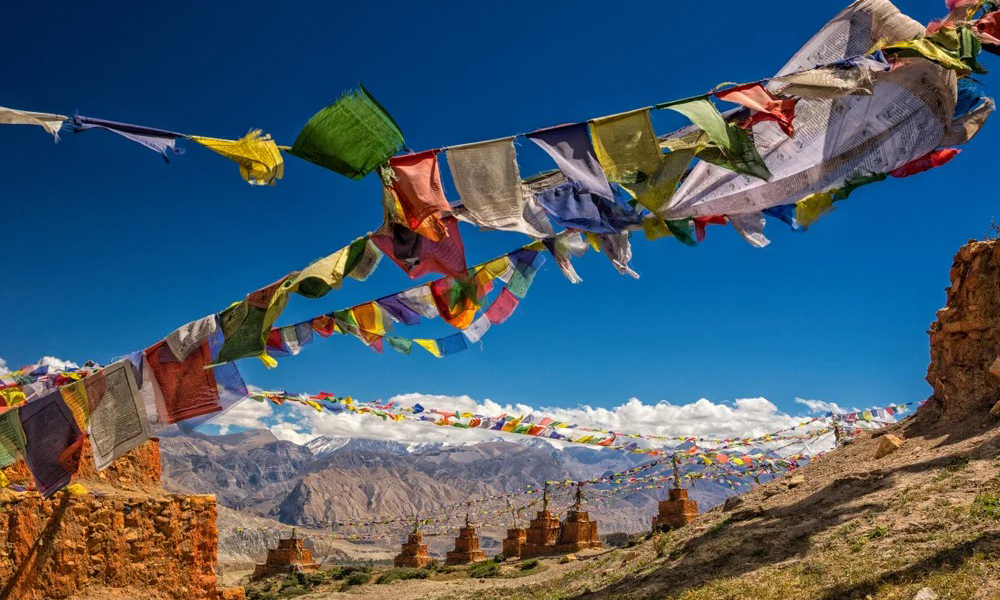
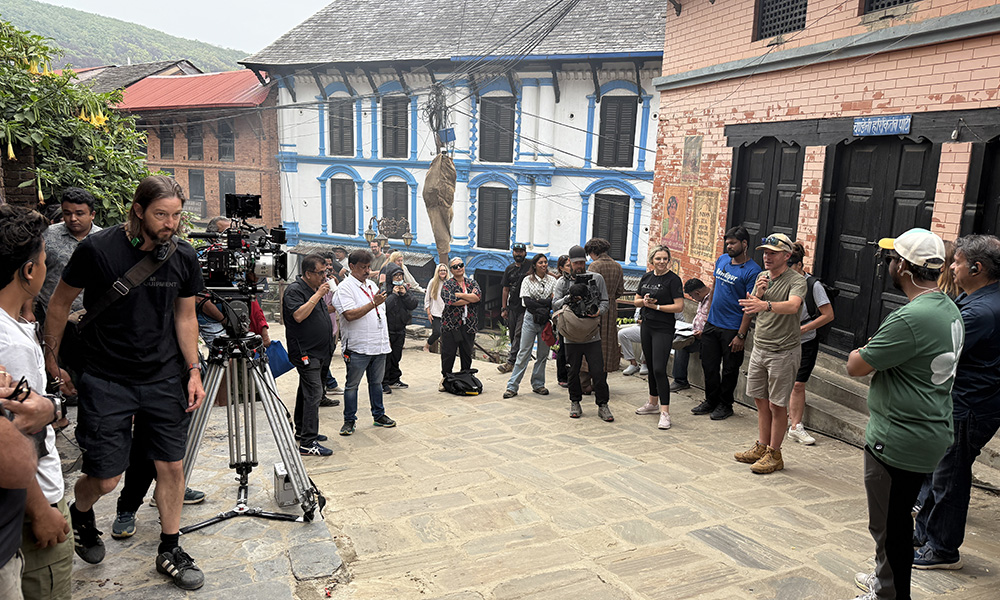
The team arrived in Kathmandu and spent the first half day filming the city's streets. Boudhanath Stupa, one of the largest Buddhist stupas in the world, served as a key location. This gave Edwards an early chance to test the FX5 in dense, active urban conditions.
Pashupatinath Temple and Bhaktapur Durbar Square
Filming date: June 22, 2026 (full day)
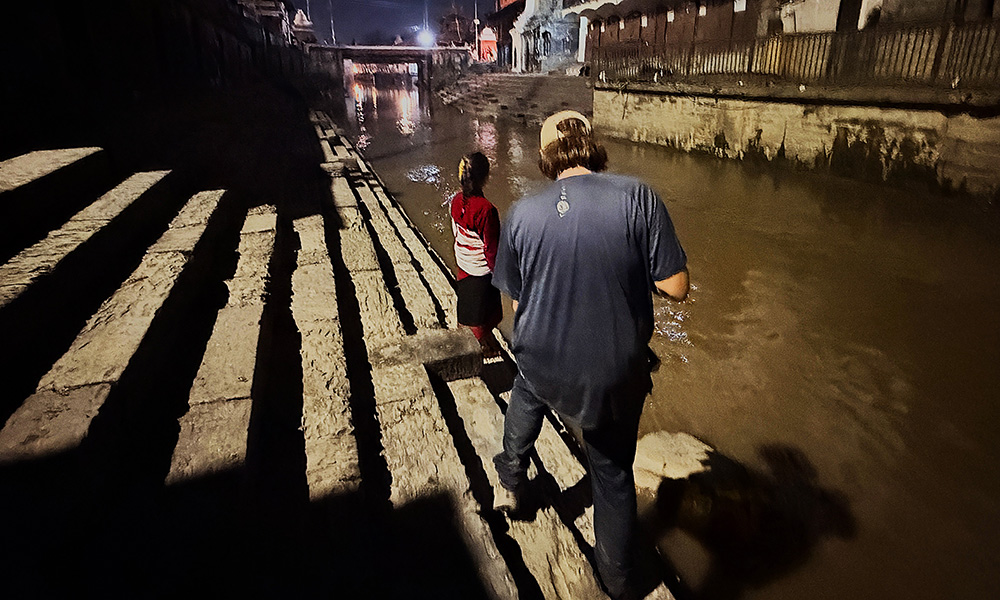
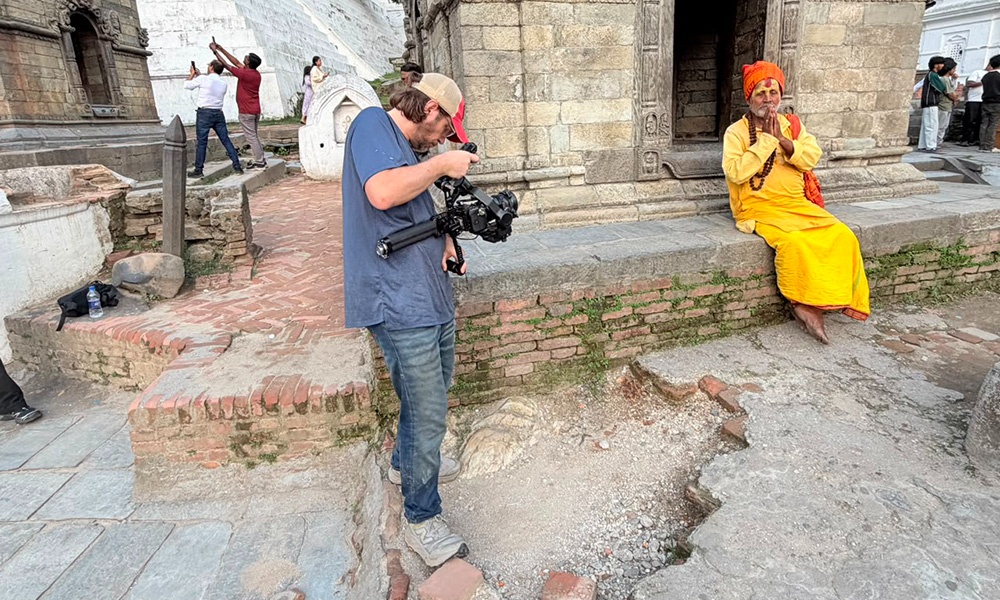
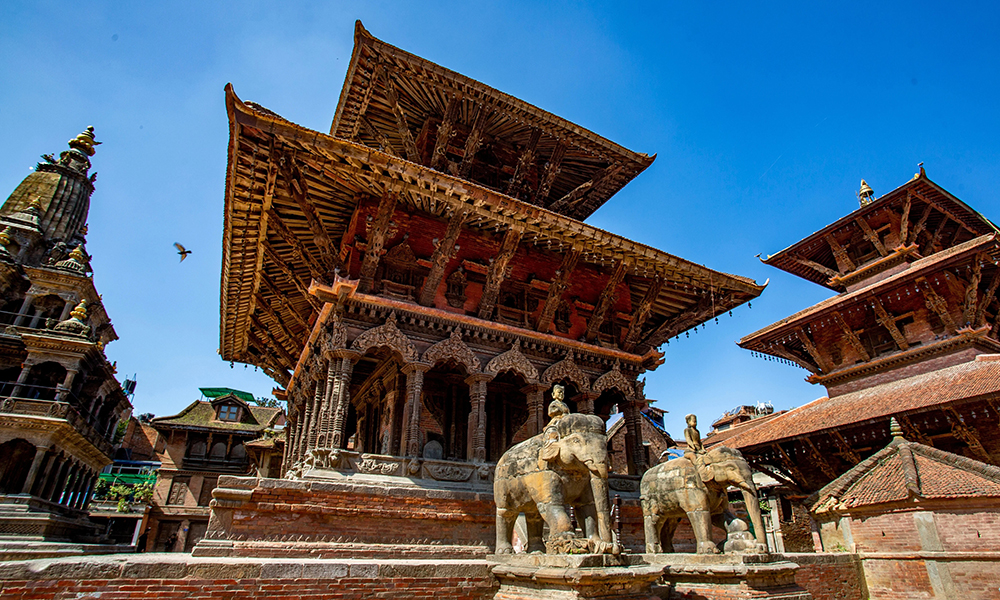
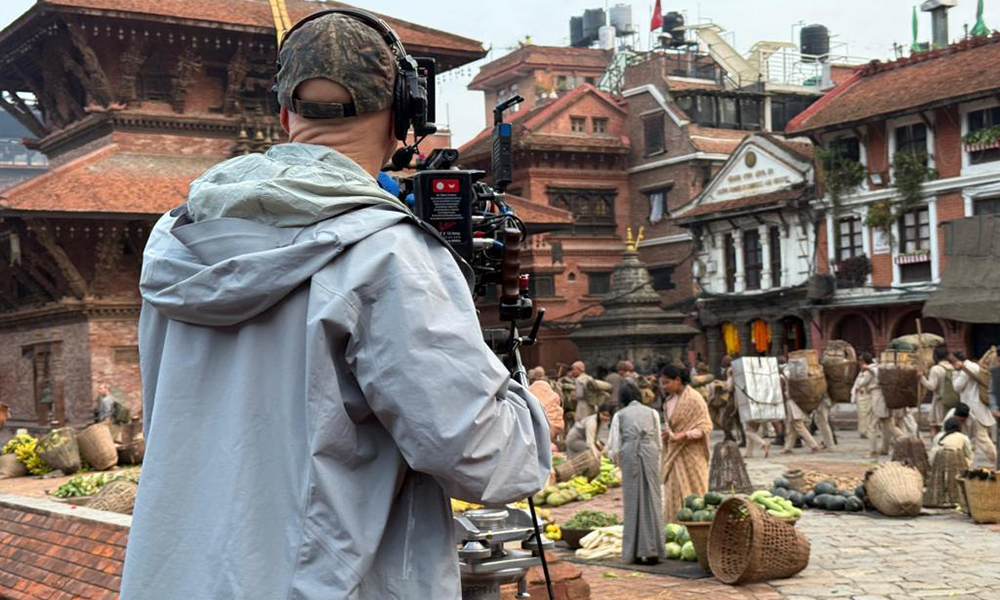
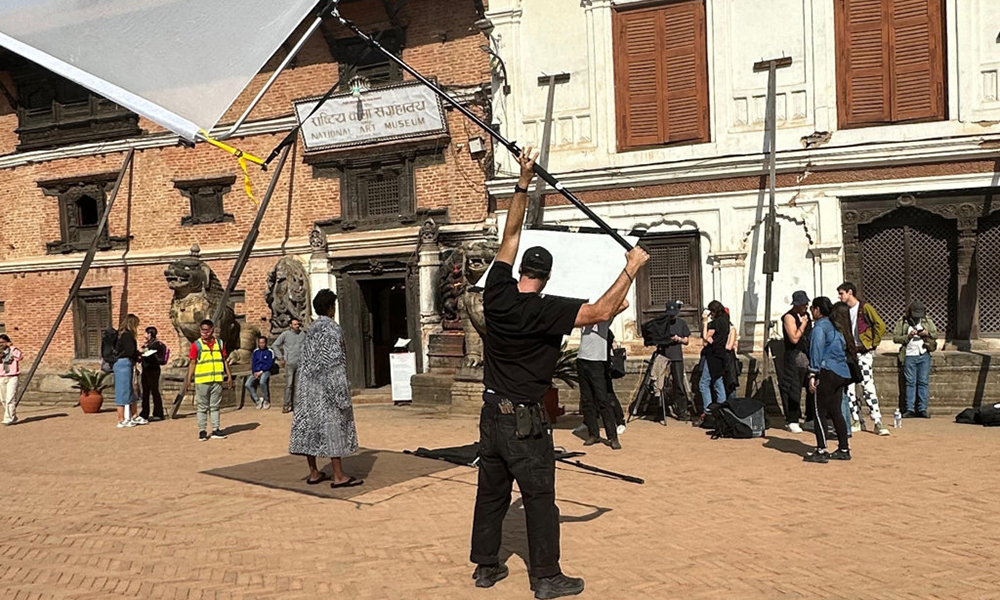
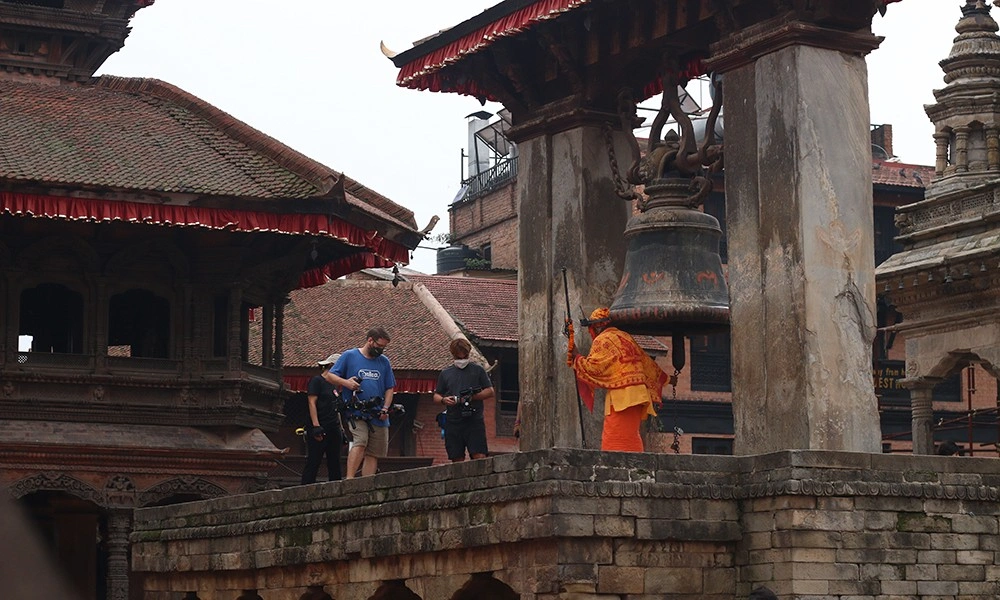
Filming continued at Pashupatinath Temple, one of the most significant Hindu temple complexes in South Asia. The team also shot at Bhaktapur Durbar Square, a UNESCO World Heritage Site inside the Kathmandu Valley. Both locations offered dense architectural detail and heavy foot traffic, useful conditions for testing autofocus and stabilization.
Lho Village, Manaslu Region, Gorkha District
Filming date: June 23 to 24, 2026 (one and a half days) Access: Helicopter from Kathmandu
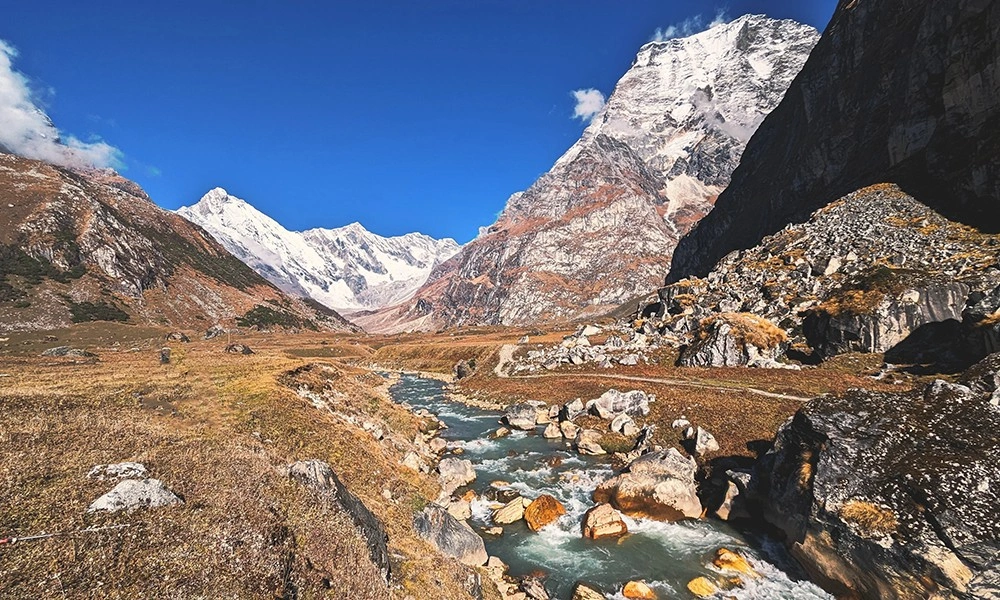
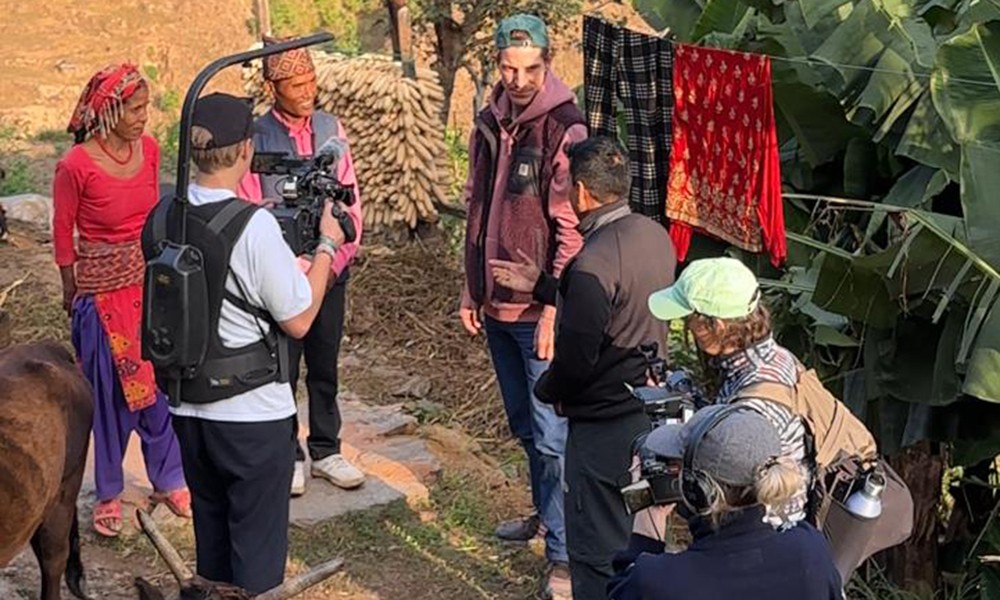
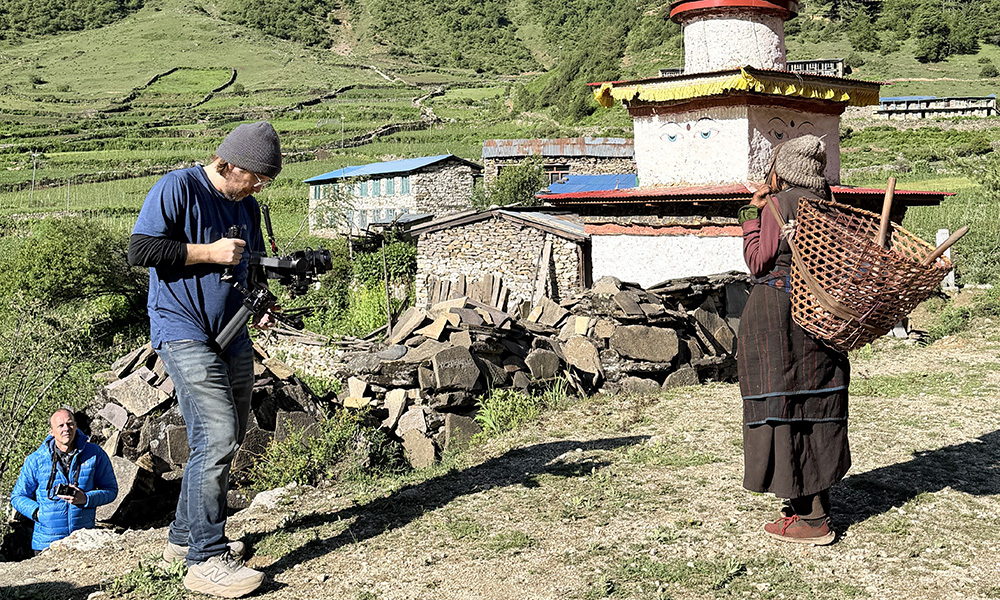
On June 23, the team flew by helicopter to Lho Village in the Manaslu region of Gorkha District for a half-day shoot. Filming continued there for a full day on June 24, covering additional ground. The team returned to Kathmandu by helicopter that same evening after wrapping filming.
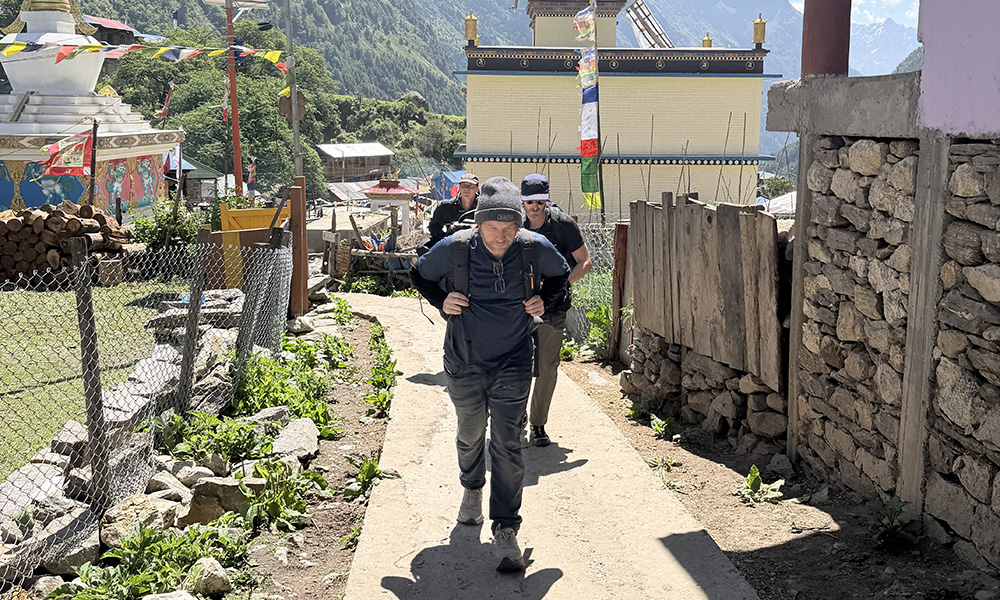
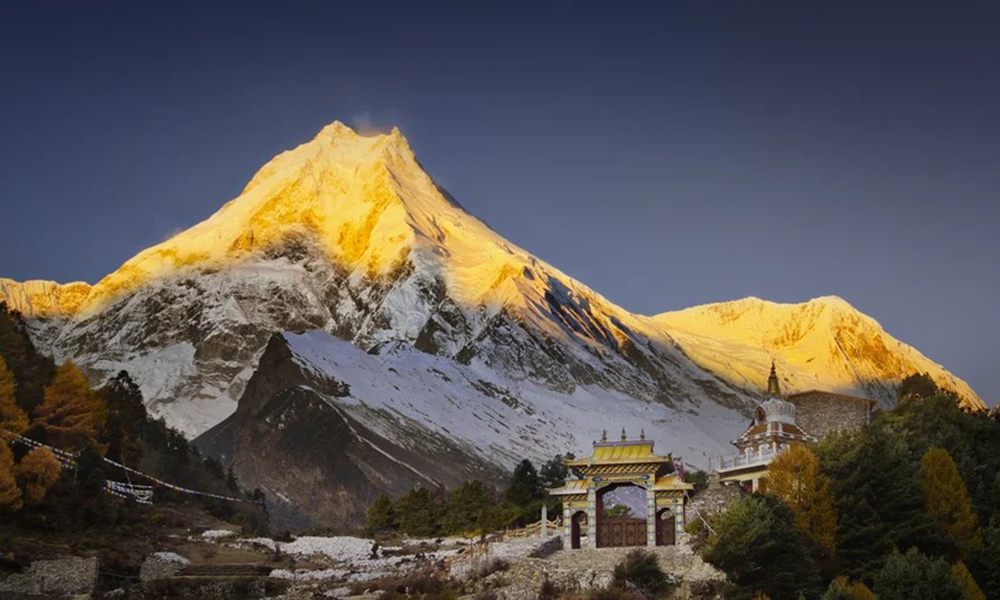
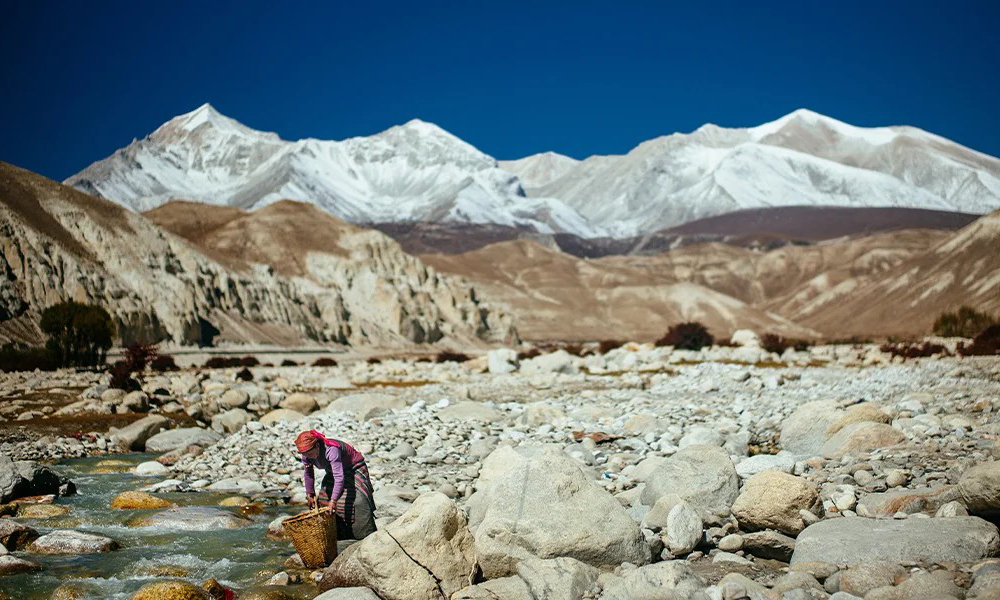
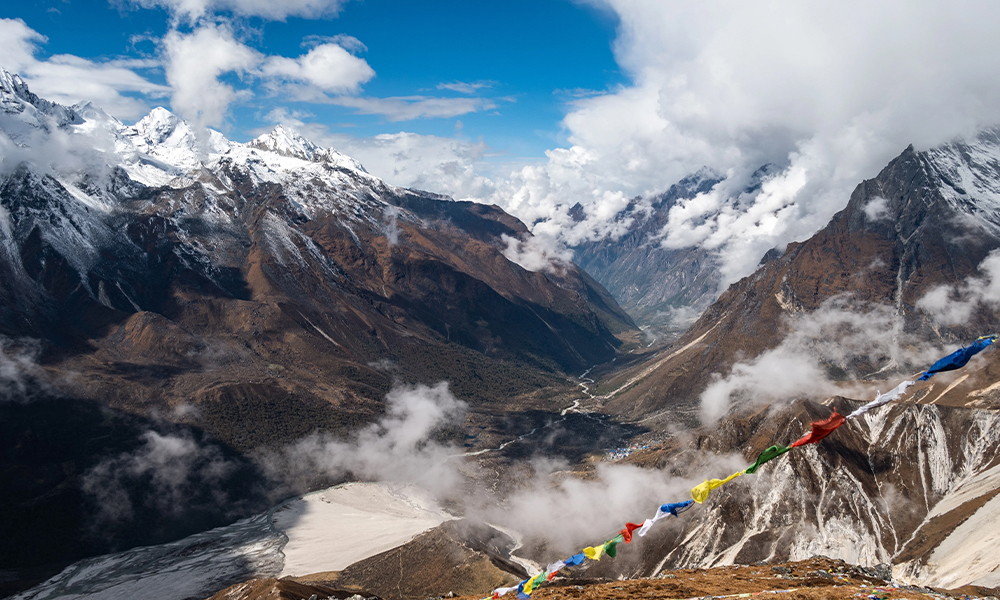
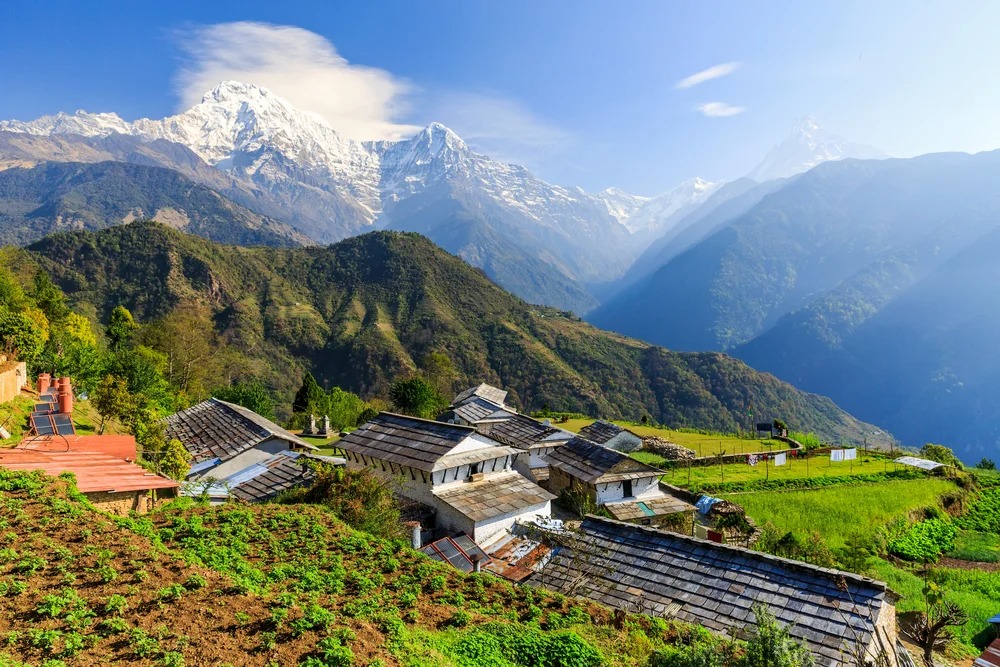
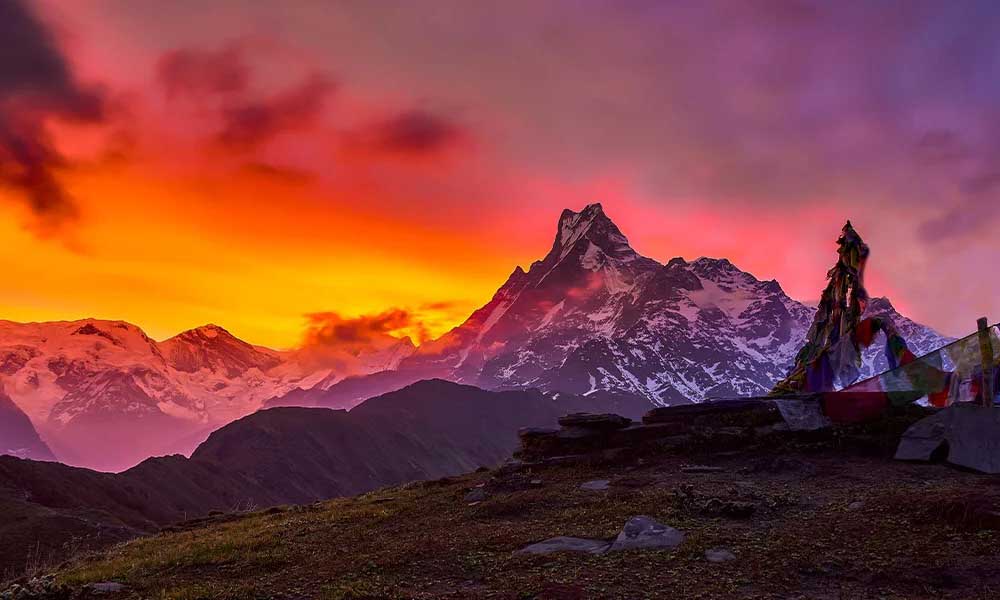
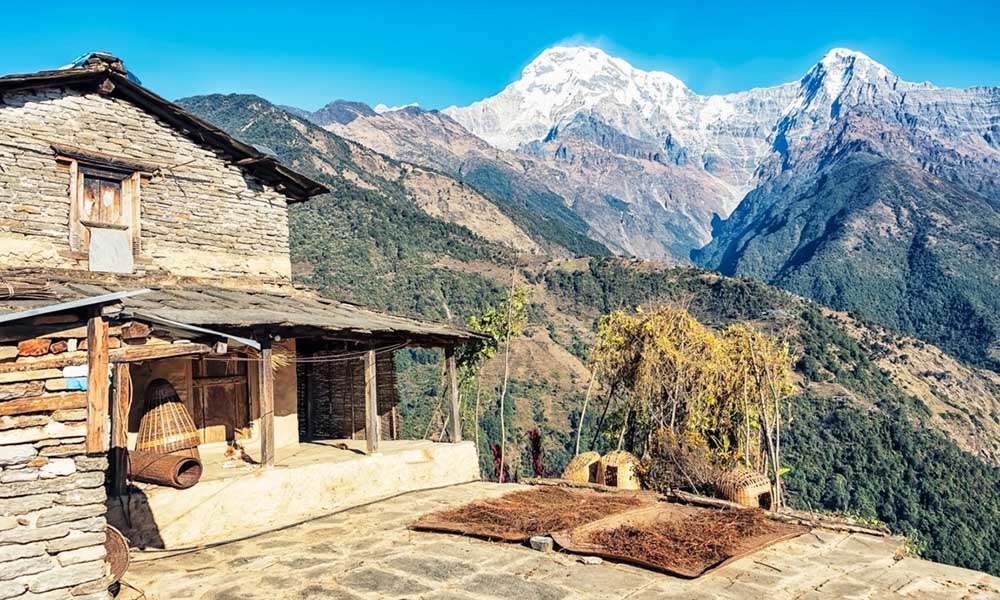
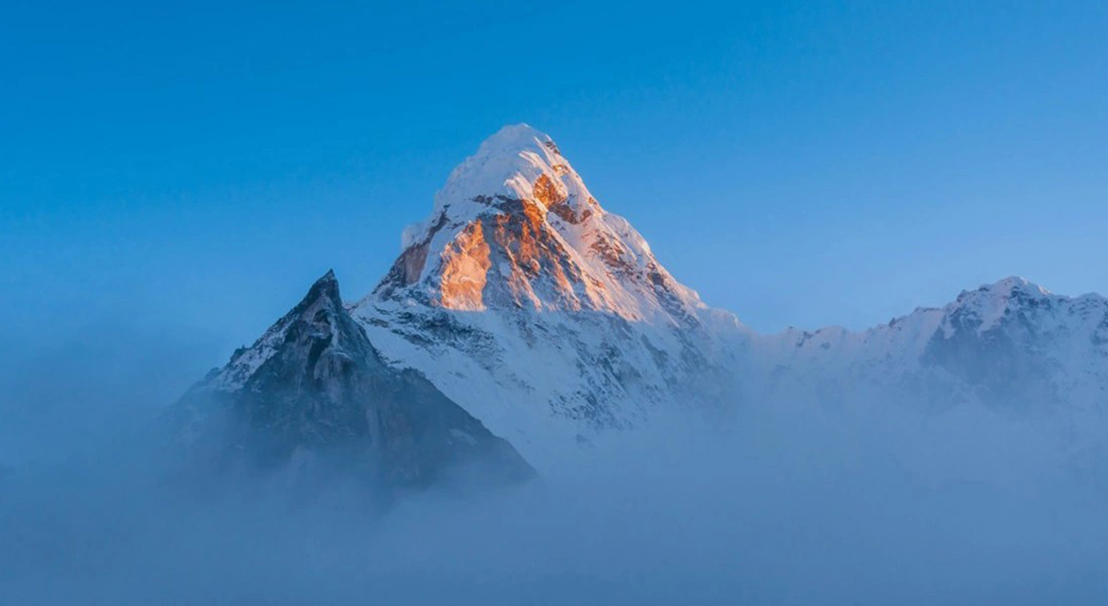
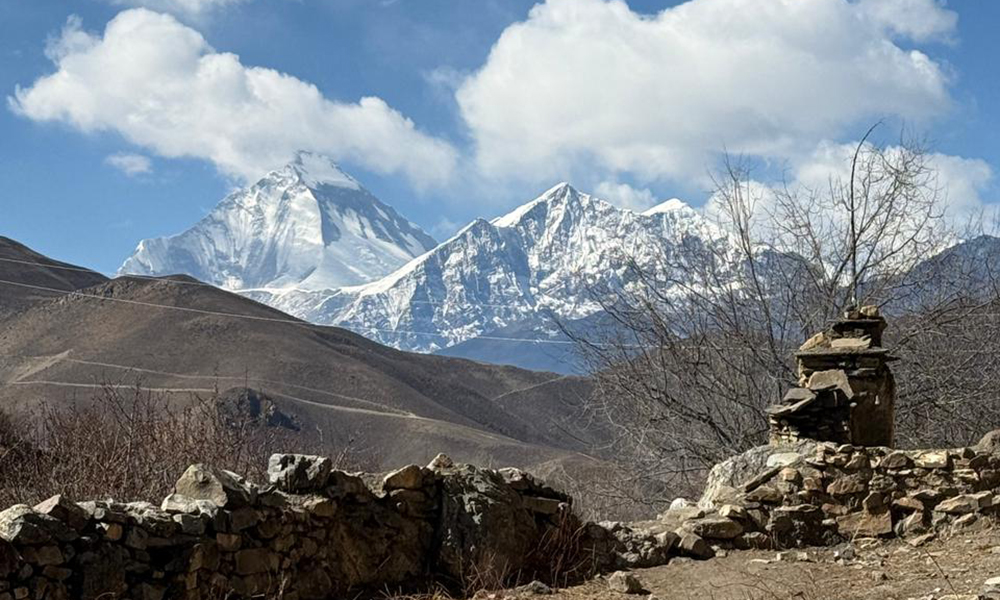
Lho Village sits in a remote part of the Manaslu region, home to communities with a long-standing cultural history. Gareth Edwards was particularly struck by the sunrise view of Manaslu from the village. That same view had also left an impression on the crew during The Creator's original shoot in the region.
How Wilderness Film Productions Supported the Shoot
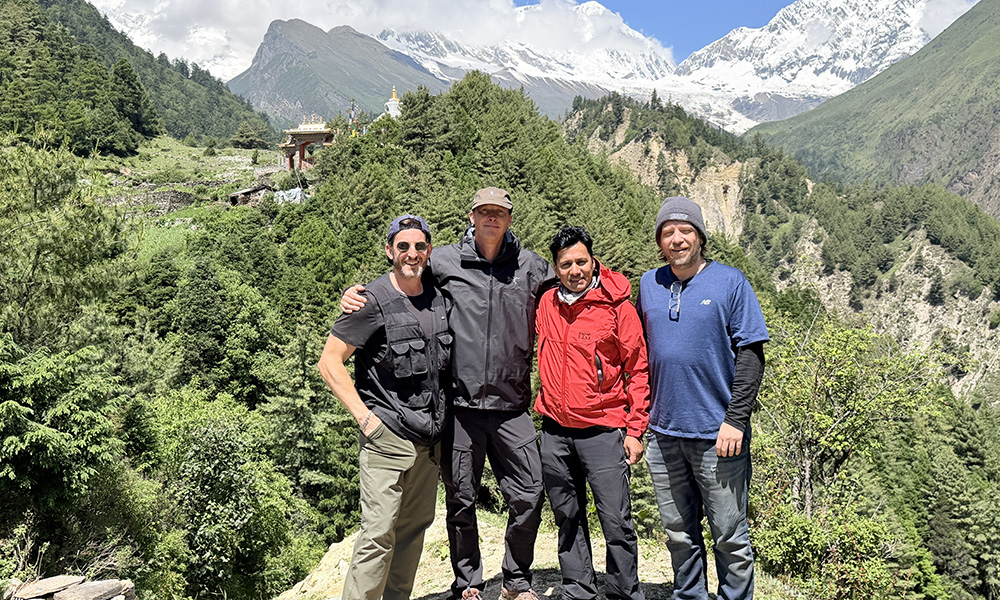
Wilderness Film Productions was brought onto this project through a recommendation from Indo China Productions, a Chinese production company. Our team managed complete ground logistics for the Nepal leg of the entire shoot. This included permits, accommodation, transportation, and coordination across every location used, from central Kathmandu to the remote helicopter access point at Lho Village.
Also Read: Filming In Nepal
This is not our first production project across these particular locations in Nepal. Our team also supported Gareth Edwards during the original Nepal shoot for The Creator. We managed location access across Bhaktapur and the Manaslu region during that earlier production. That existing relationship made coordinating this return visit considerably more direct and efficient. Our team already understood the access requirements and permit process for these specific sites.
Sony FX5: Full Specifications and What Changed From the FX3
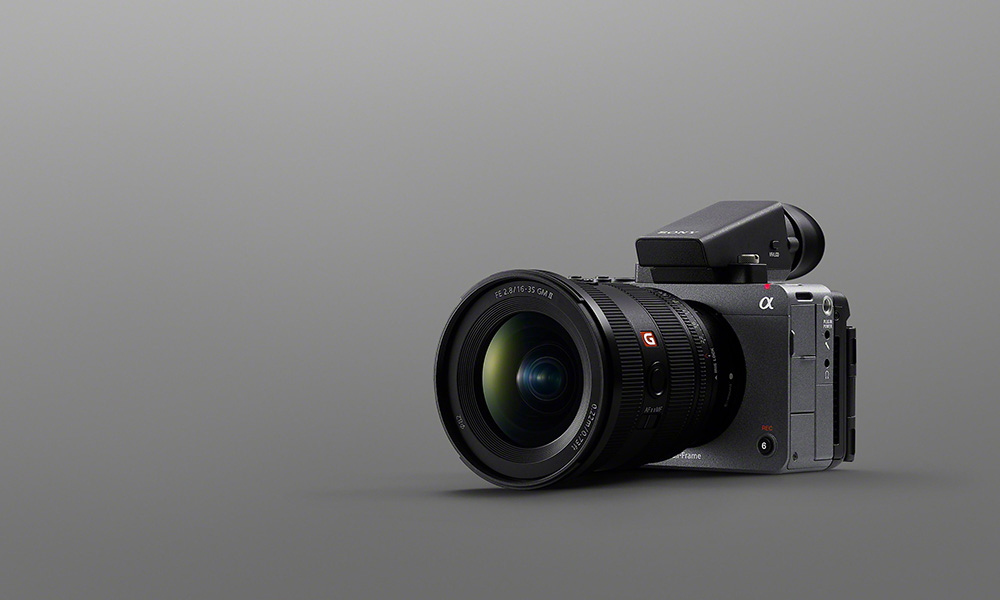
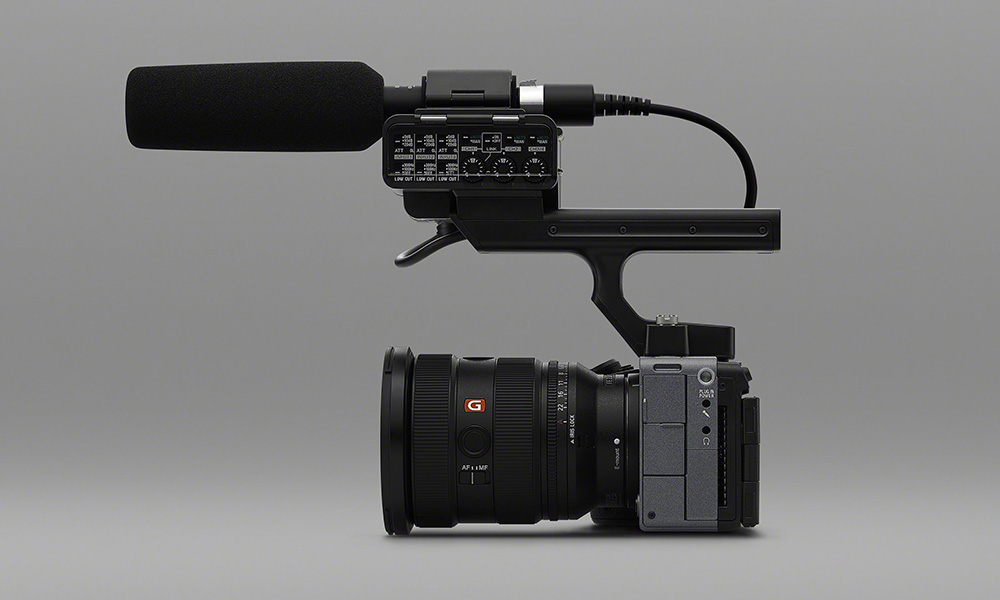
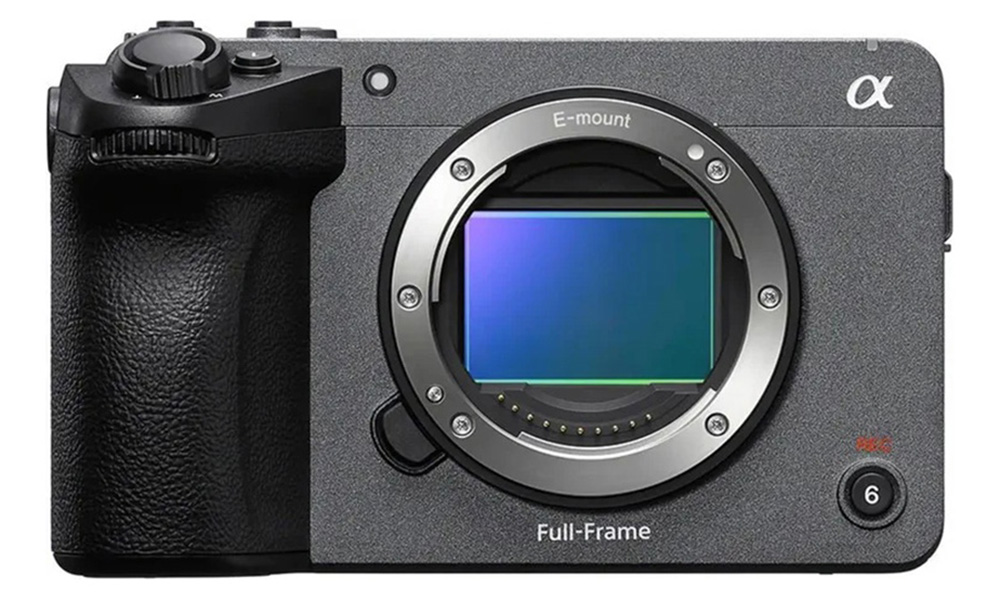
Sony officially unveiled the FX5 on July 22, 2026, positioning it above the FX3 in the Cinema Line. Rather than replacing the FX3 outright, Sony kept the older camera on sale alongside the new model. The FX5 slots between the FX3 and the FX6, aimed at filmmakers stepping up in capability. It borrows menu structure, monitoring tools, and controls directly from the FX6, VENICE 2, and BURANO. At approximately 643 grams body only, and around 734 grams with battery and card, it stays close to the FX3's compact, handheld form factor.
Sensor and Processor
The camera pairs a newly developed 16.6-megapixel full-frame stacked Exmor RS sensor with Sony's BIONZ XR2 processor. This is a meaningful jump from the FX3 and FX6, both of which have used a 12.1-megapixel sensor since 2021. The stacked design significantly increases readout speed, which cuts rolling shutter and enables higher frame rates. That processor also includes a dedicated AI processing unit, first introduced on Sony's A7R VI, built for autofocus and subject tracking. In S-Log3, the sensor captures over fifteen stops of dynamic range across the frame. Three base ISO settings, at 800, 4,000, and 12,800, keep noise low across a wide range of lighting. A new Dual Gain Shooting mode, a first for the FX series, pushes dynamic range past sixteen stops according to early testing.
Autofocus and Stabilization
Autofocus on the FX5 runs on AI-based human pose estimation, tracking a subject's eyes, head, and body position together. This approach noticeably improves focus accuracy in dark scenes compared to older eye-detection-only systems. Real-time Tracking keeps a moving subject in focus automatically, while dedicated Bird and Animal recognition modes expand tracking further. A new Auto Tracing White Balance mode combines visible light, infrared sensor data, and deep learning to hold white balance steady indoors and in shade. Five-axis in-body image stabilization rounds out the handheld shooting package, a notable step up from the FX3's stabilization system.
Recording Formats and Frame Rates
For the first time in the FX line, the camera supports full-sensor Open Gate shooting at a 3:2 ratio. It also adds internal 16-bit X-OCN RAW recording, a format previously limited to Sony's VENICE 2 and BURANO cinema cameras. At launch, the FX5 shoots 5K at up to 60fps, 4K at up to 120fps, and Full HD at up to 240fps.
Sony has confirmed that version 2.0 firmware is expected sometime around August 2027. That update will unlock 4K at up to 240fps in X-OCN, plus Open Gate recording in the XAVC-I format. That same update will add a vertical-shooting interface and the ability to pull still frames directly from video clips.
What the FX5 Does Not Have
Despite sitting close to the FX6 in capability, the FX5 leaves out several features that the FX6 still offers. Unlike the FX6, the FX5 has no built-in electronic variable ND filter, matching the FX3's approach instead. It also skips SDI output, several physical controls, and compatibility with Sony's larger BP-U battery packs. Filmmakers who need those specific features, particularly the built-in ND filter for fast run-and-gun outdoor shooting, may still prefer the FX6.
Accessories and Optional Add-Ons
Two optional accessories join the launch: a detachable OLED electronic viewfinder and a dedicated XLR handle unit. That handle unit adds four-channel audio recording at up to 96kHz and 32-bit float precision. Unlike the FX3, the FX5 ships without the XLR handle included in its base package by default. The viewfinder and handle unit are also sold separately for filmmakers who want to add them later.
Sony FX5 Price and Availability
The FX5 body-only model, listed as the ILME-FX5B, carries a suggested retail price of $4,899.99. A version bundled with the XLR-H2 handle unit carries a suggested retail price of $5,499.99. Both configurations become available to buy starting in mid-August 2026, roughly one month after the announcement. The DVF-EL1 viewfinder and XLR-H2 handle are also sold separately for creators upgrading later.
For a working cinematographer, Open Gate recording captures the full sensor area rather than a cropped frame. That extra frame data gives editors more room to reframe footage for different aspect ratios later. Combined with the FX3's proven low-light performance, the FX5 aims squarely at documentary and narrative crews. It offers a heavier feature set without losing the compact, lightweight body that made the FX3 popular on location.
Why Sony and Hollywood Keep Coming Back to Nepal
International camera manufacturers and filmmakers increasingly treat Nepal as a serious testing ground for new equipment. It is no longer only a backdrop used for finished, fully scripted productions.
Related Articles: Filming Locations In Nepal
That shift reflects the same qualities that drew Gareth Edwards back for this test. Nepal offers demanding terrain, genuine cultural depth, and a local production infrastructure built for tight schedules.
Your Partner for International Film Production in Nepal
Our work on The Creator and this Sony FX5 test reflects the same ground support we offer every international production filming in Nepal. Contact Wilderness Film Productions, led by Bhuwan Bharati, Chief Executive Officer, your Nepali partner for international film production.
Related Reading
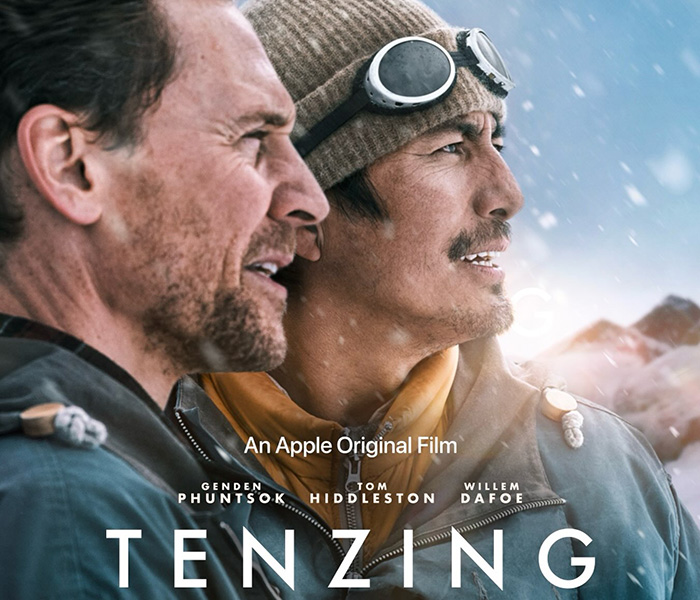
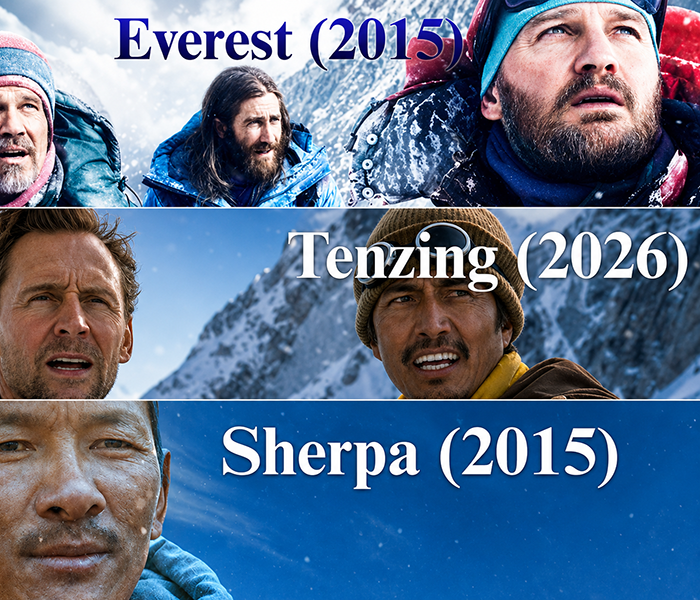
See our full case study on supporting Gareth Edwards and The Creator in Nepal. You can also read our coverage of Apple Original Films' Tenzing (2026), also supported by our team on the ground.




Latest Comments