

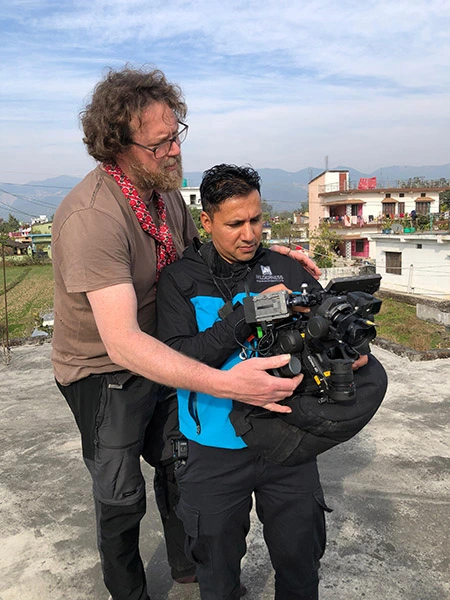
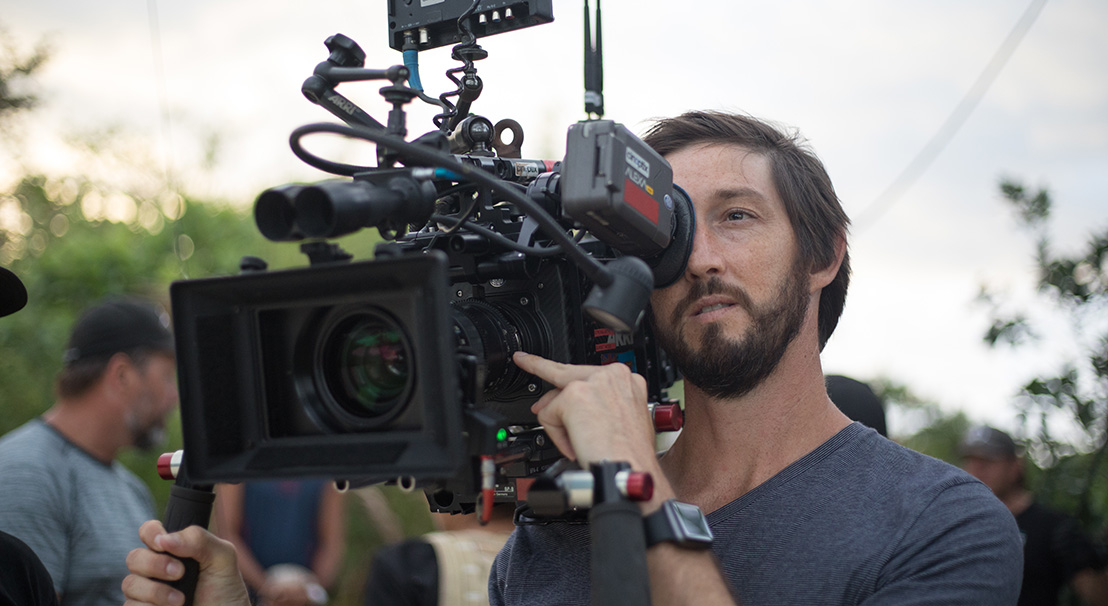
Every mountain film lives or dies by how convincingly it puts an audience on the mountain, and for Tenzing (2026), that job falls to Stefan Duscio. The Australian cinematographer has already shaped some of the most visually distinct films of the last decade, and his work here brings that same precision to the real landscapes of Nepal.
This piece looks at his background, his approach, and why he was the right choice for a film built on silence and scale.
Who Is Stefan Duscio
Duscio is known for building visual language around restraint rather than spectacle. His breakthrough came with Leigh Whannell's 2020 film The Invisible Man, where his camerawork, framing empty space to suggest an unseen presence, became one of the film's most discussed technical achievements.
Also Read: Jennifer Peedom Directs Tenzing (2026) After Making the Definitive Sherpa Documentary
That skill translates directly to Tenzing (2026), since it demands the same ability to make what is not shown feel as important as what is.
A Career Built on Range
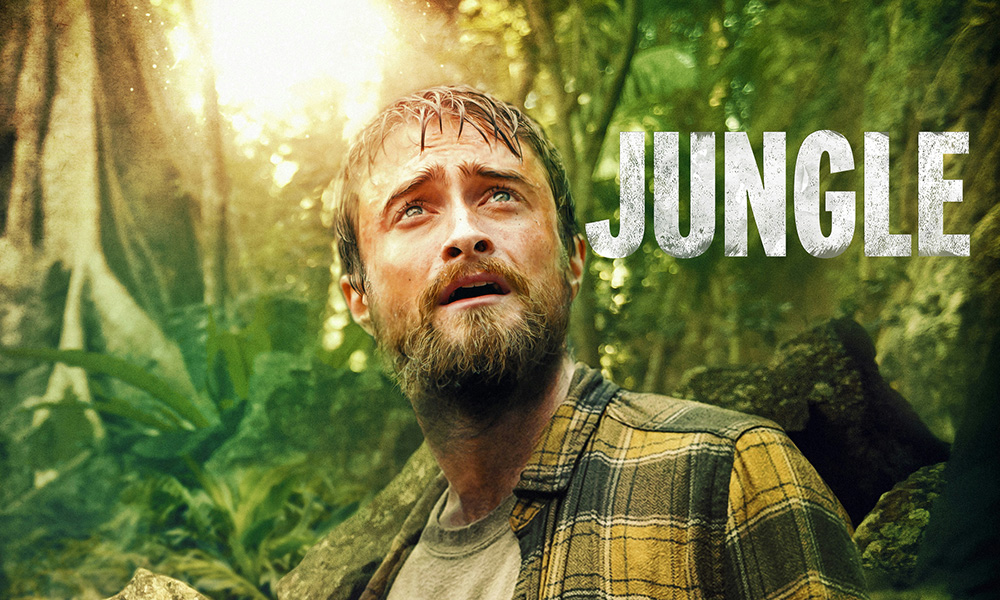
Duscio shot Jungle, the 2017 survival drama starring Daniel Radcliffe, based on Yossi Ghinsberg's real Amazon ordeal. Jungle (2017) demanded the same location-driven authenticity Tenzing (2026) requires.
He also worked on Shantaram, the Apple TV+ series based on Gregory David Roberts's novel, giving him direct prior experience with the same platform now releasing Tenzing. His television credits include Barracuda and The Kettering Incident, and his work has extended into music video direction, including projects with Beyoncé.
Related Readings: Luke Davies, The Screenwriter Connecting Tenzing (2026) and Lion
Why Duscio Fits This Film
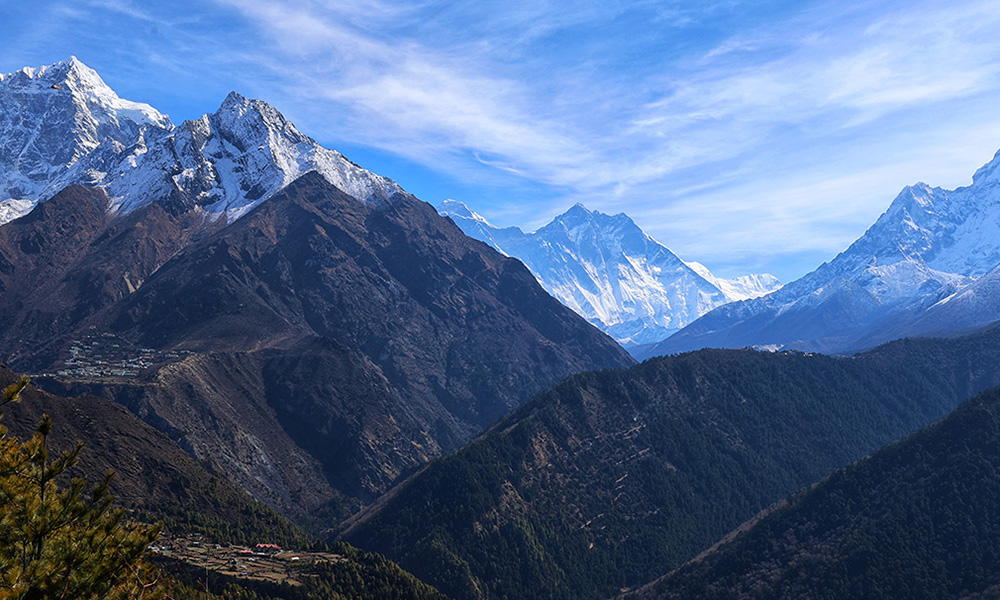
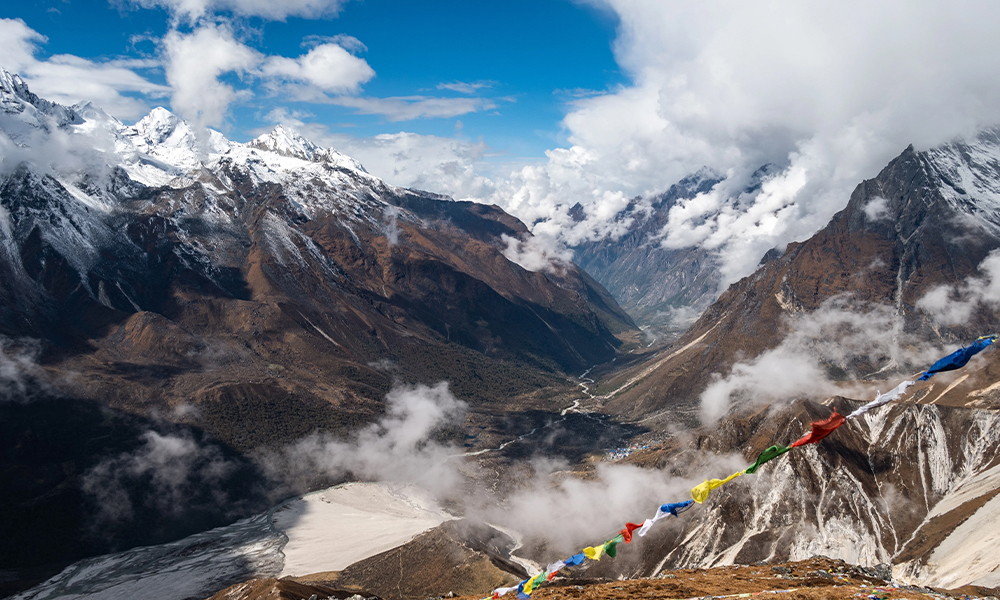
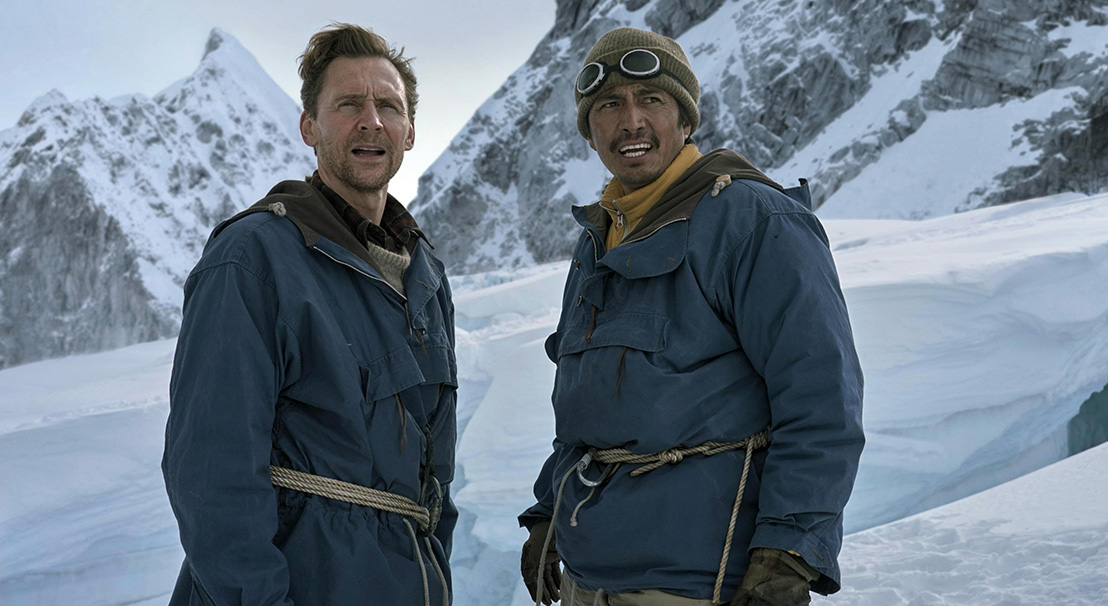
Tenzing needed a cinematographer capable of shooting real locations across the Kathmandu Valley and the Everest region without losing narrative clarity to the scale of the landscape.
Duscio's survival-based work on Jungle, combined with his restraint on The Invisible Man (2020), gave the production a visual approach suited to a story built on endurance rather than conventional mountaineering spectacle. Reports describe the summit sequence running for several minutes without dialogue or score, placing enormous weight on composition alone.
Shooting Real Locations at Altitude
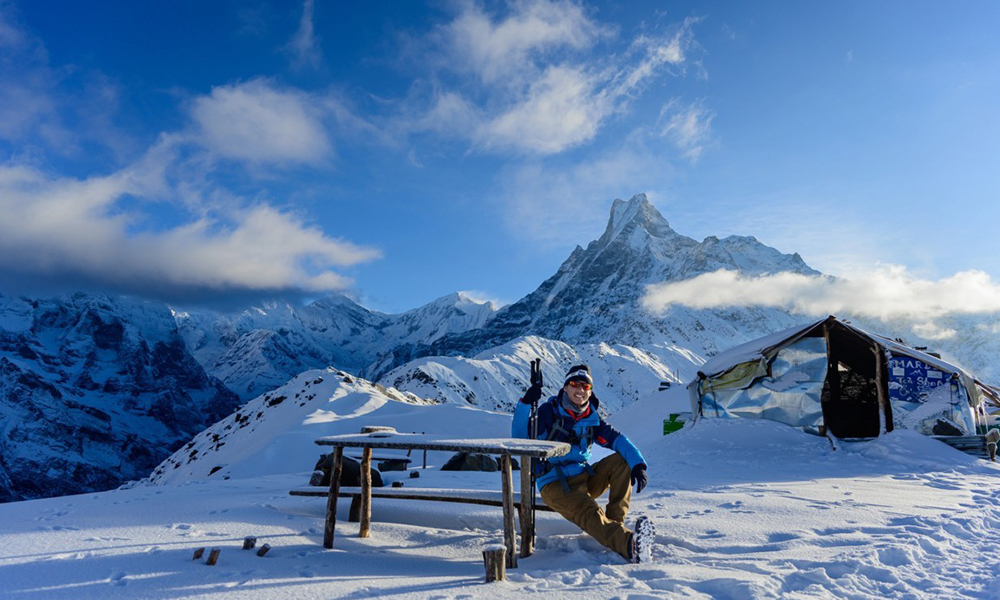
Altitude changes what a cinematographer can rely on, since light shifts fast, weather turns without warning, and equipment behaves differently in cold, thin air than at sea level.
Other Articles: Liz Watts and See-Saw Films, The Producer Behind Tenzing (2026)
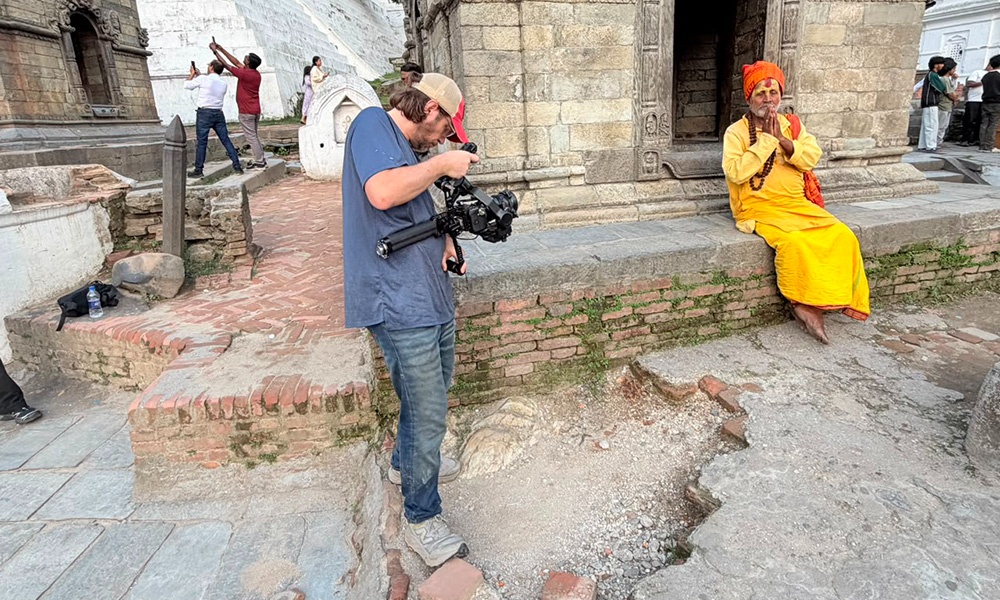
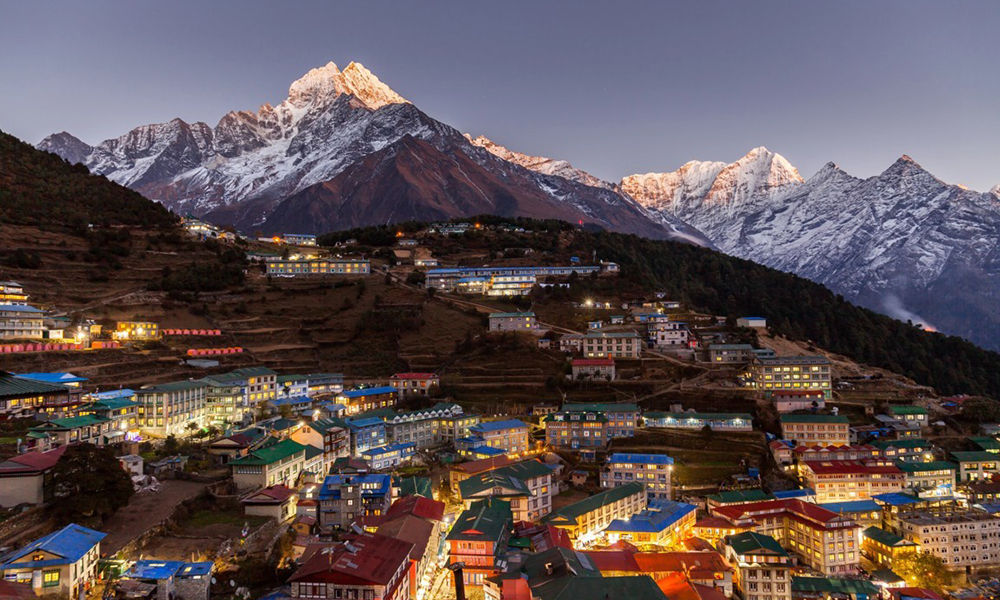
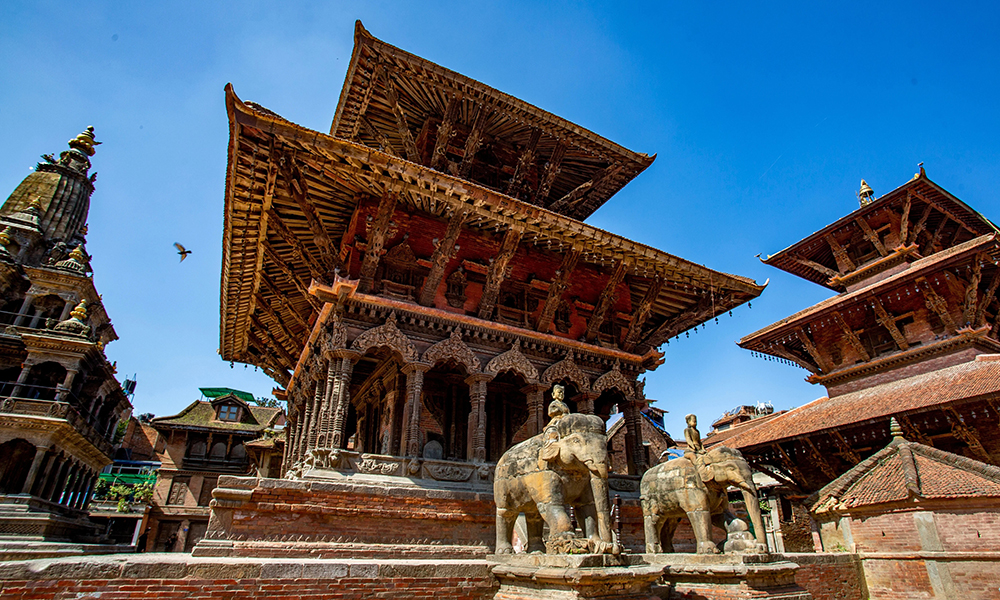
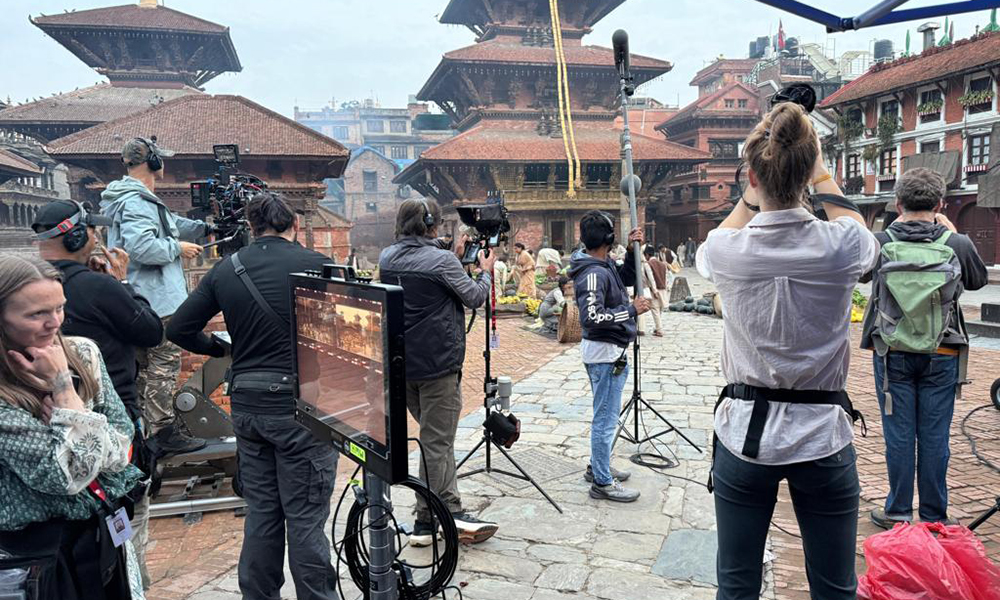
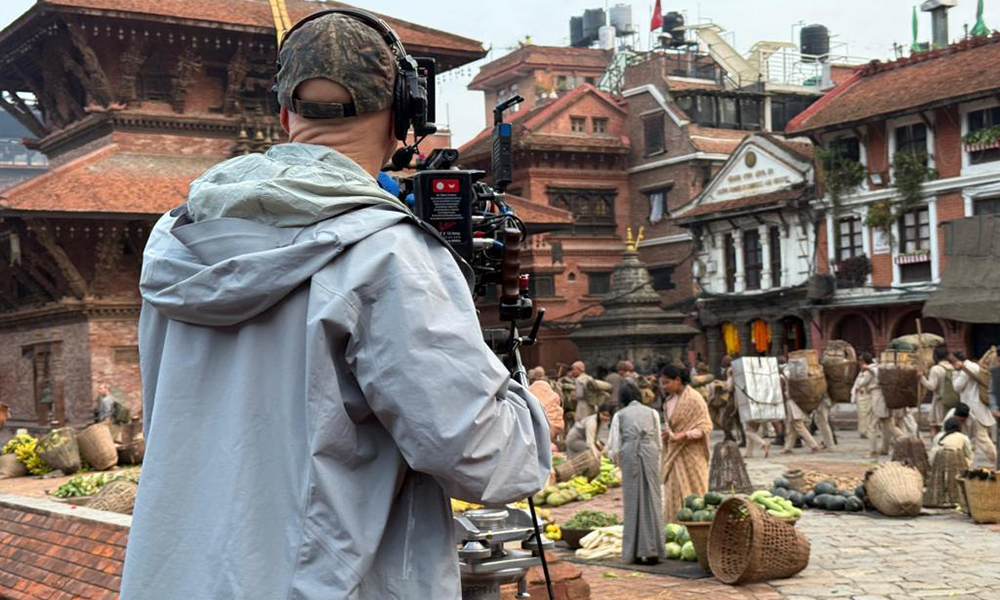
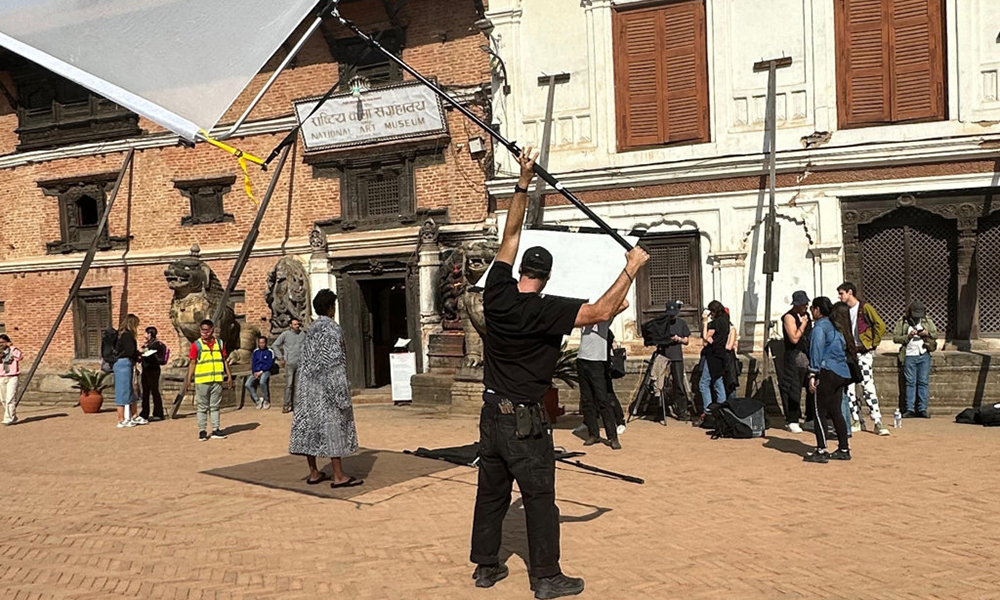
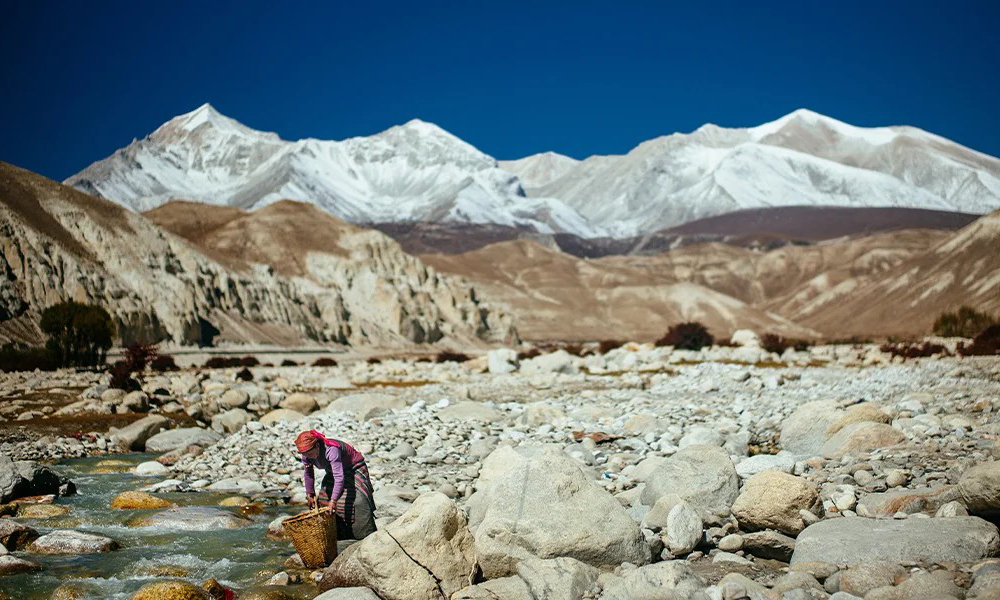
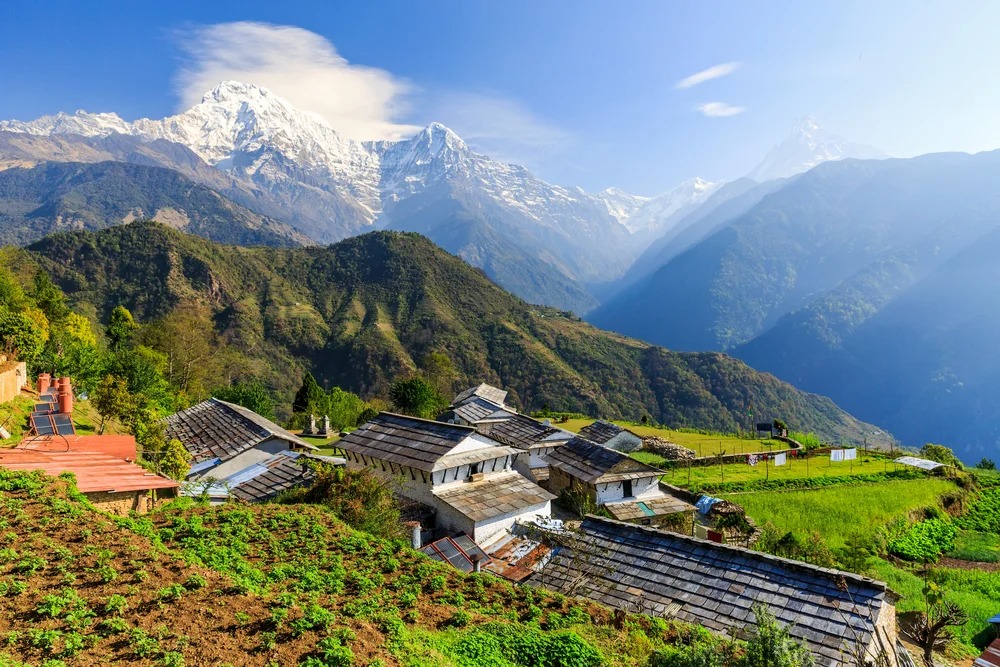
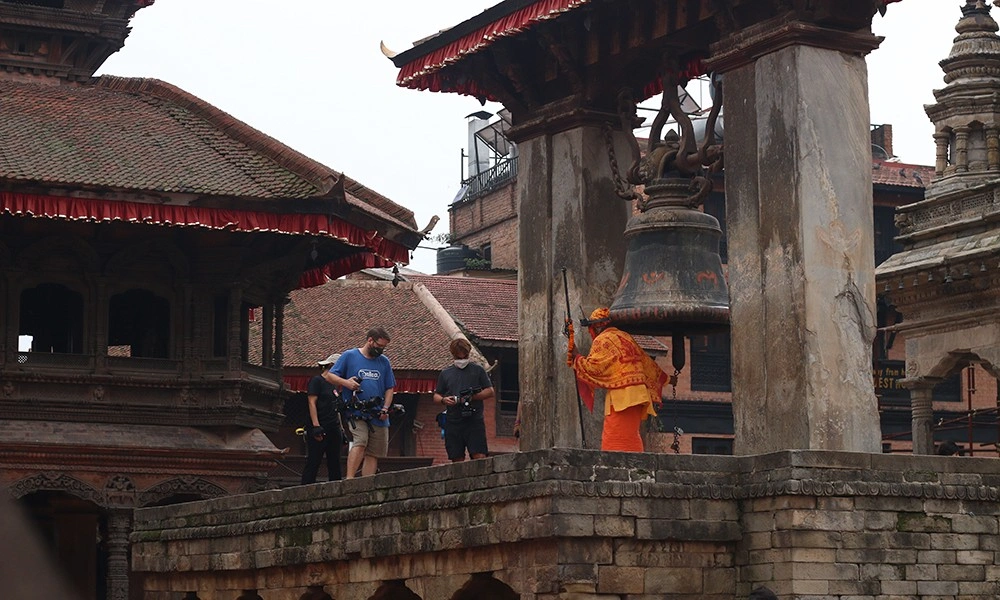
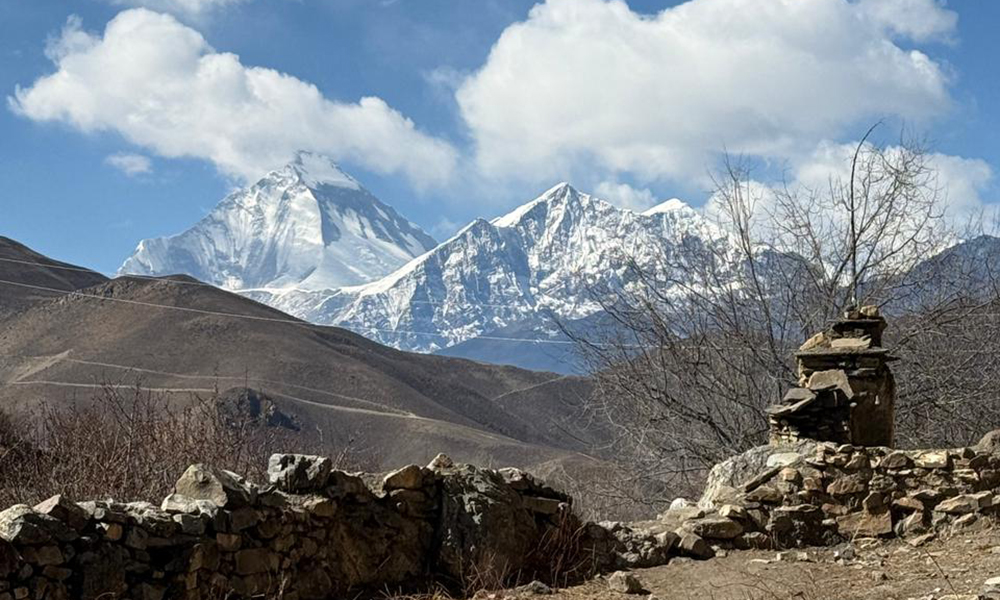
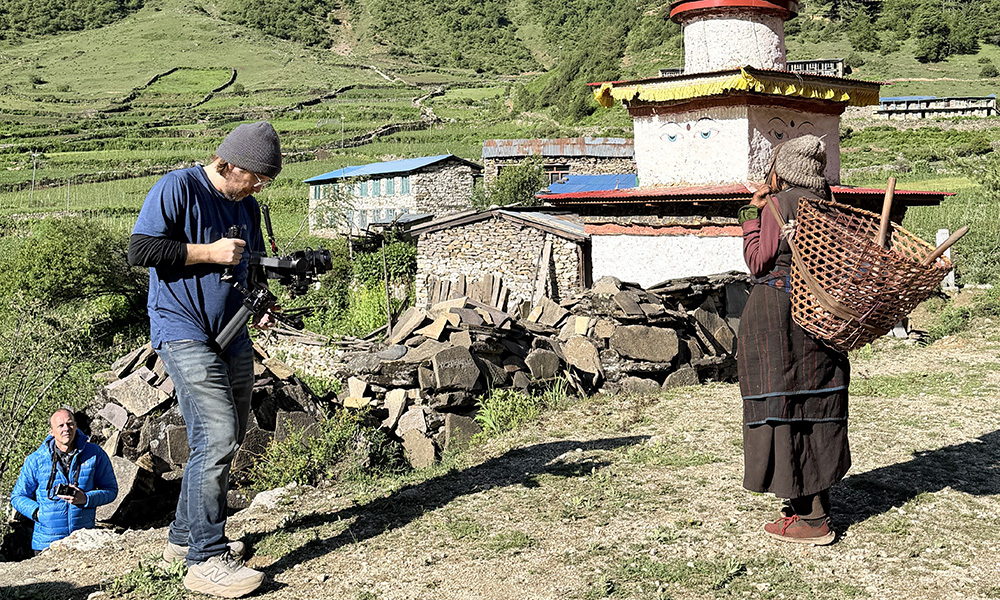
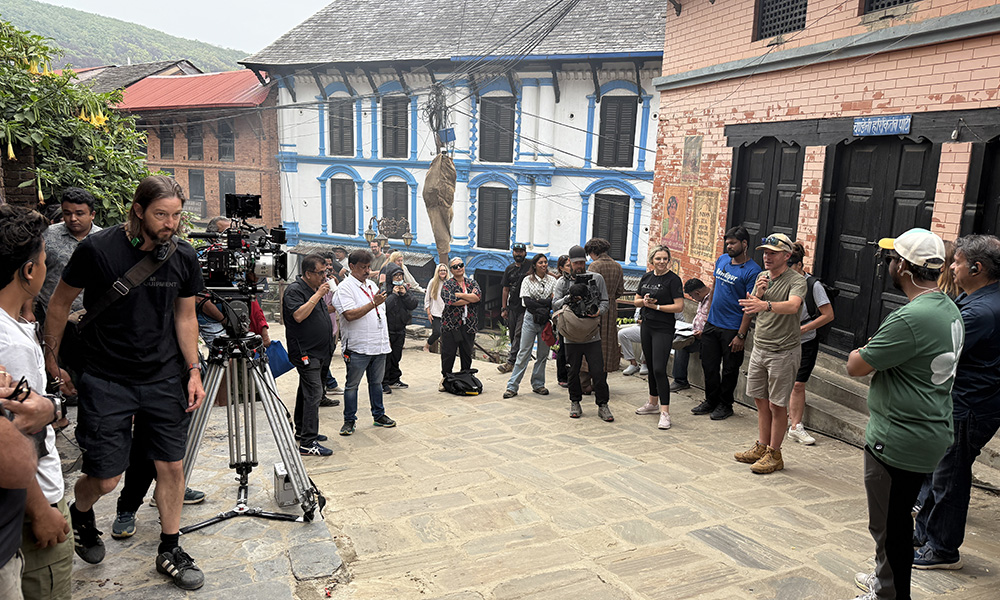
Shooting real locations rather than digital recreations depends on a cinematographer who can adapt quickly without breaking visual consistency. That demand shaped much of Tenzing's production planning, where camera and lighting gear needed reliable transport across sites ranging from Kathmandu's heritage squares to villages above 3,700 meters.
A Craft Rarely Discussed, Always Felt
Cinematography rarely gets the same attention as casting or directing in coverage of a film like this, yet it is often the element audiences respond to most instinctively, whether or not they can name why.
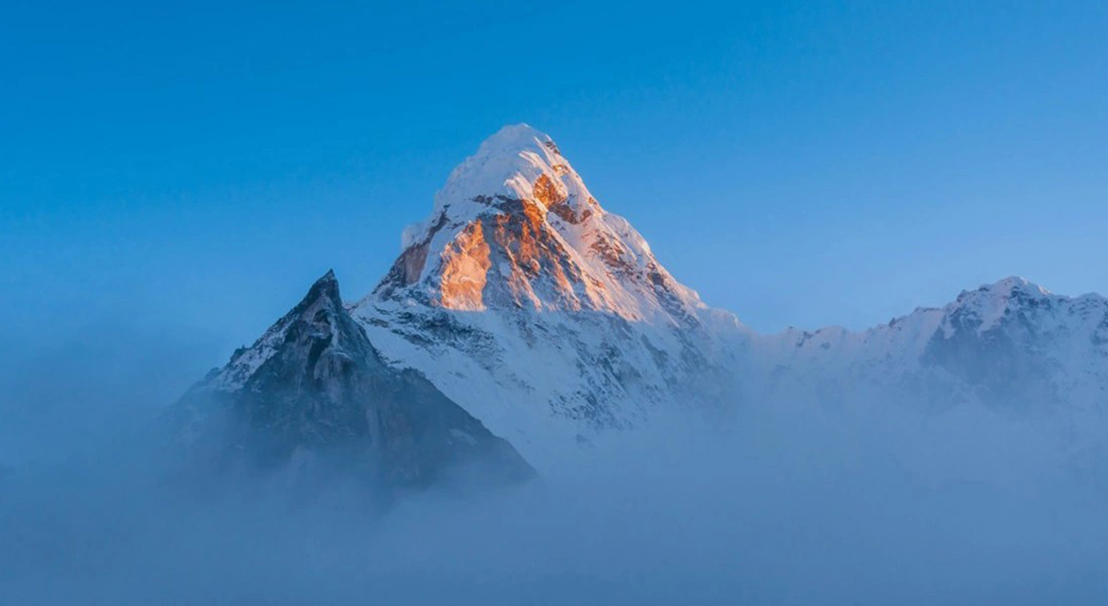
Duscio's task was to make Nepal's landscapes feel inseparable from the story unfolding within them, treating the mountains not as a backdrop but as a presence with its own weight in every frame.
Wilderness Film Productions on the Ground
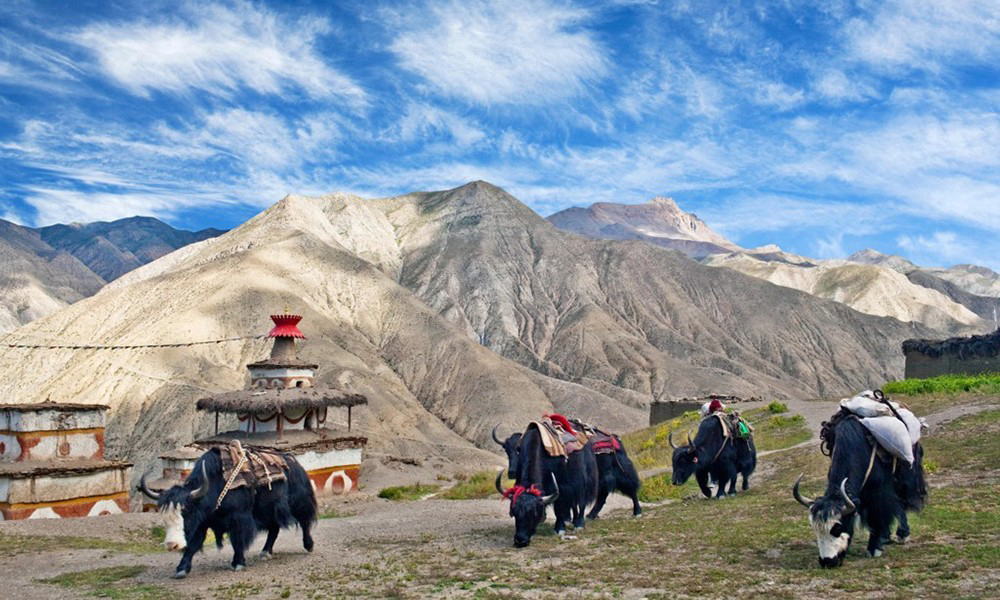
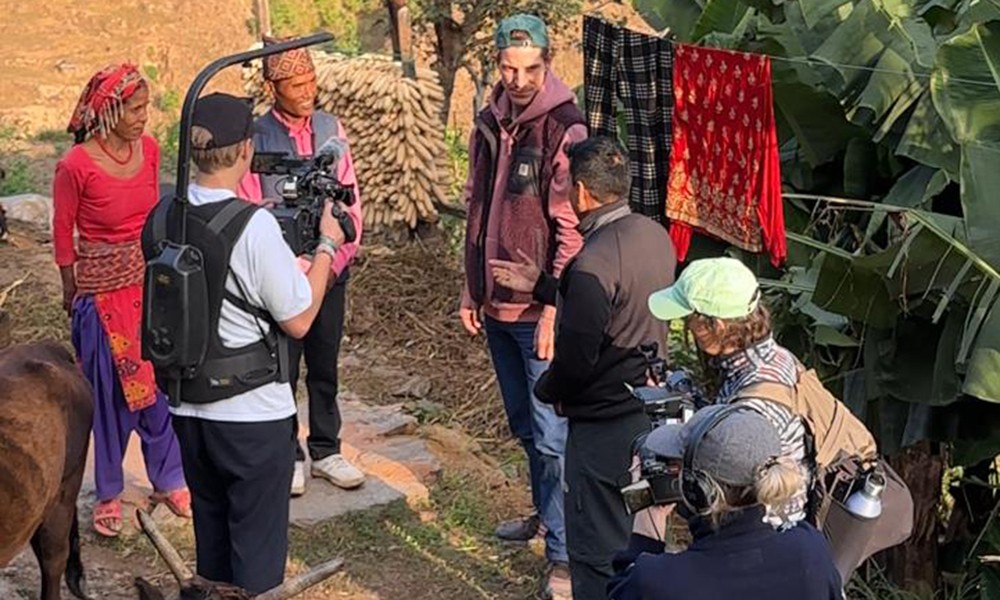
Real locations only work on screen if the crew can actually reach them, safely, on schedule, with the right equipment intact. We, at Wilderness Film Productions, served as Location Manager for the Nepal shoot of Tenzing, coordinating the transport and logistics that let Duscio's camera reach sites from Kathmandu to the Everest region without losing shooting days to altitude, weather, or terrain.
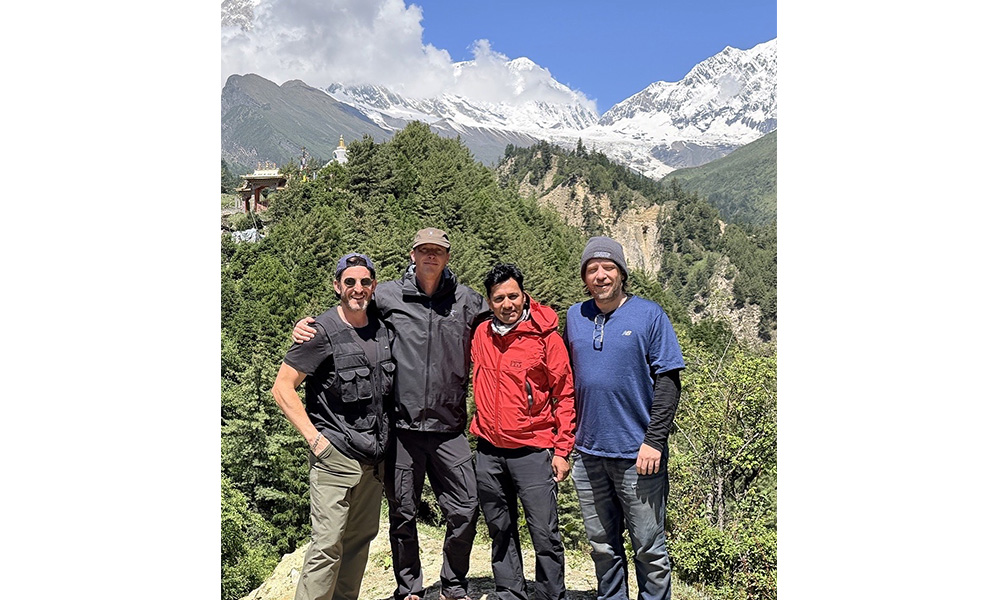
That experience now supports future international productions filming across Nepal.
Bhuwan Bharati, Chief Executive Officer. Your partner for the best international film production & fixer services in Nepal.




Latest Comments