

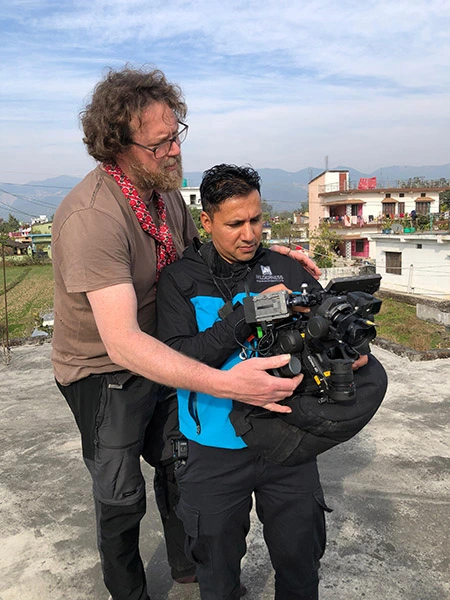
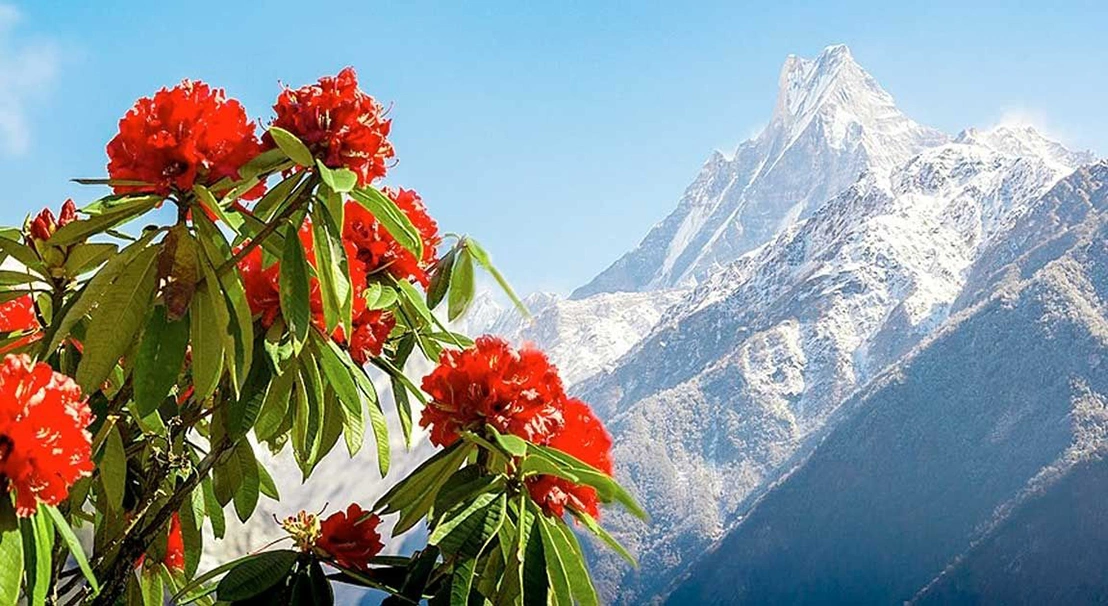
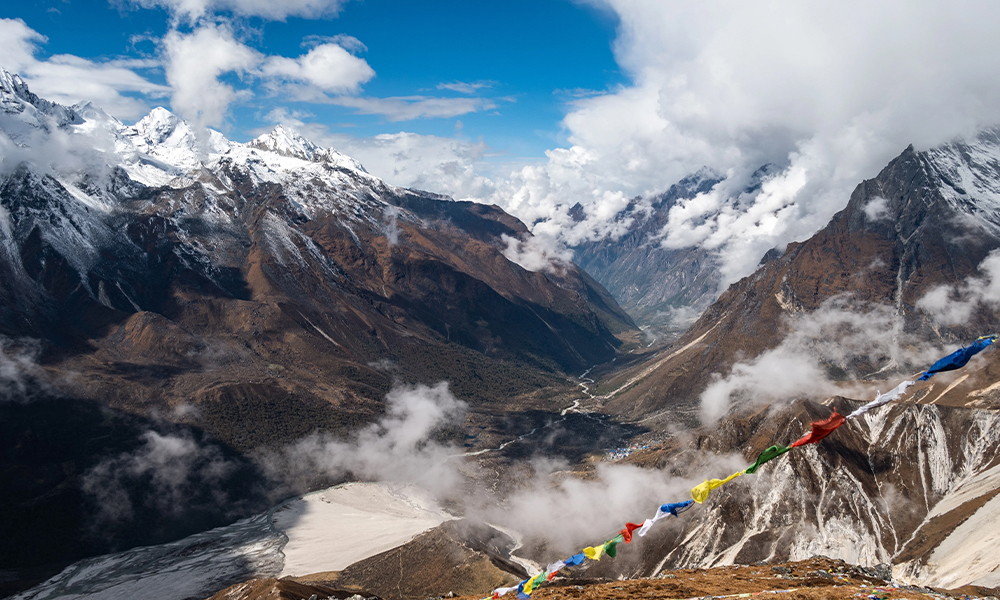
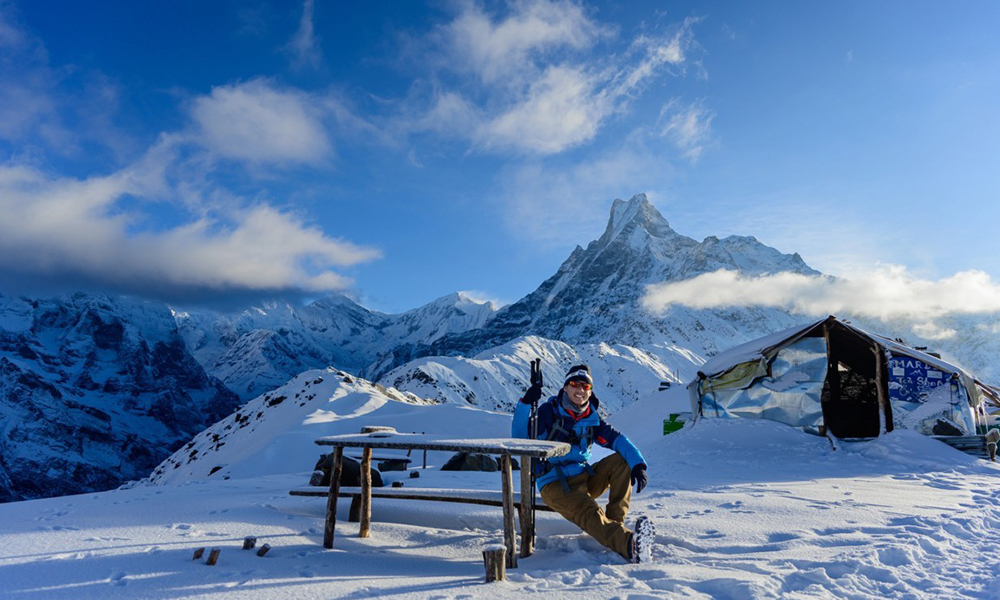
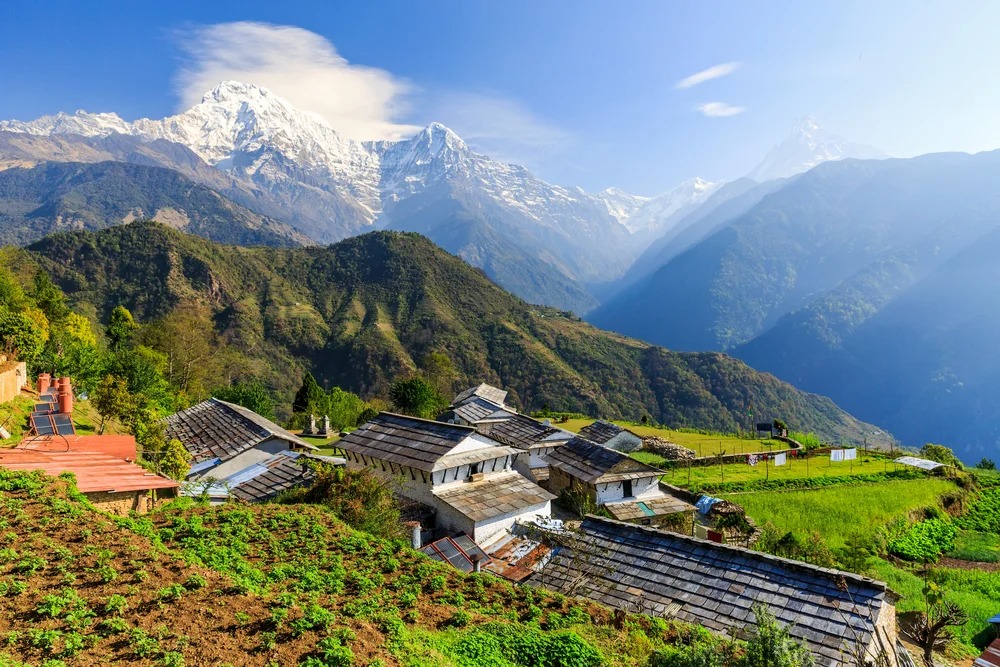
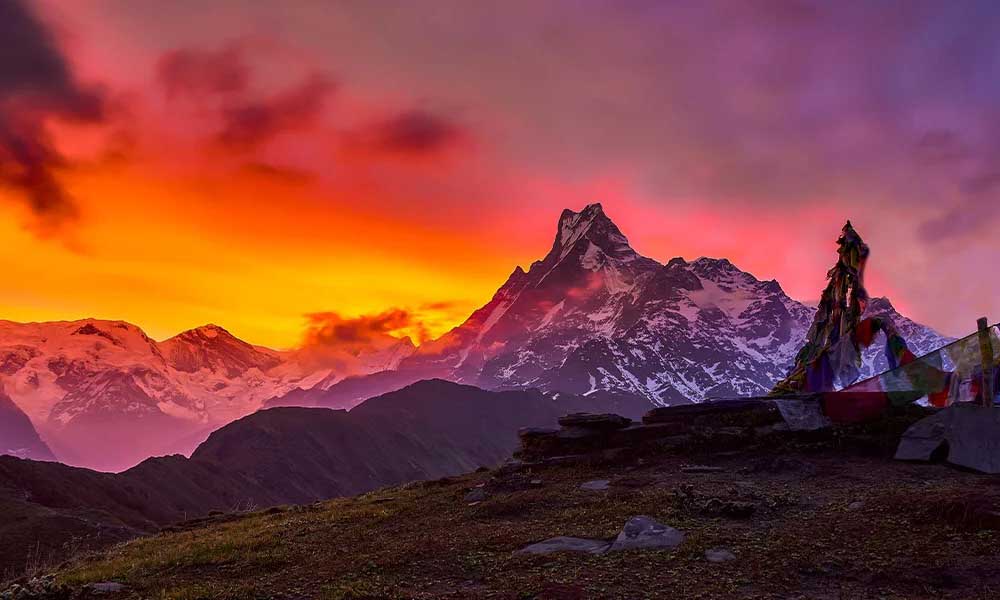
High altitude filming in Nepal offers filmmakers some of the most dramatic and visually powerful landscapes in the world. From towering Himalayan peaks and deep mountain valleys to isolated villages untouched by time, Nepal provides unmatched authenticity for documentaries, feature films, commercials, and adventure productions.
At the same time, high altitude film shooting in Nepal comes with unique challenges. Thin air, unpredictable weather, complex permit requirements, limited access routes, and safety concerns mean that filming in high locations of Nepal requires detailed planning and experienced local coordination. This guide explains how to successfully plan and execute mountain filming in Nepal while ensuring safety, legality, and production efficiency.
Understanding High Altitude Filming in Nepal
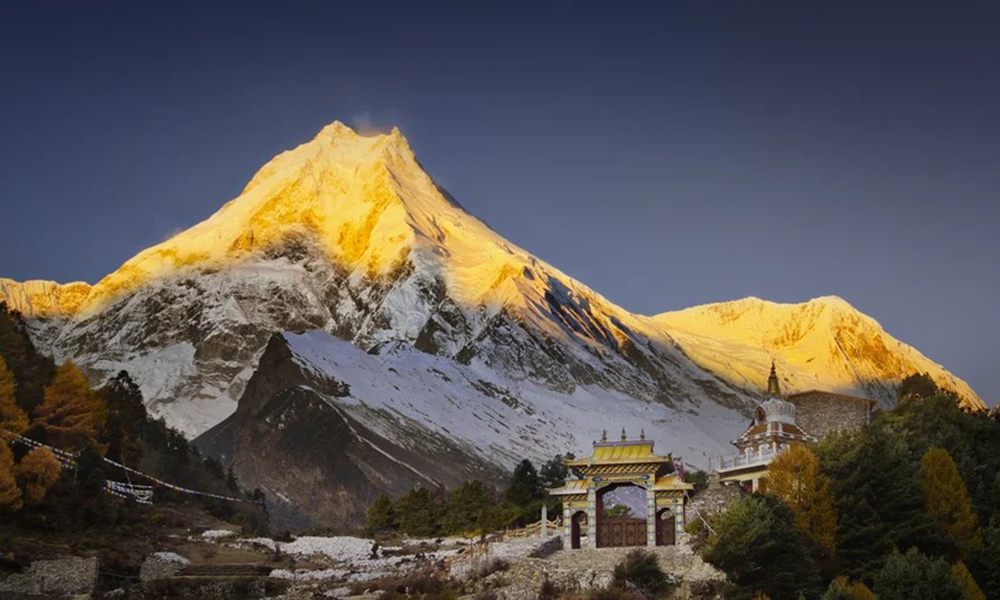
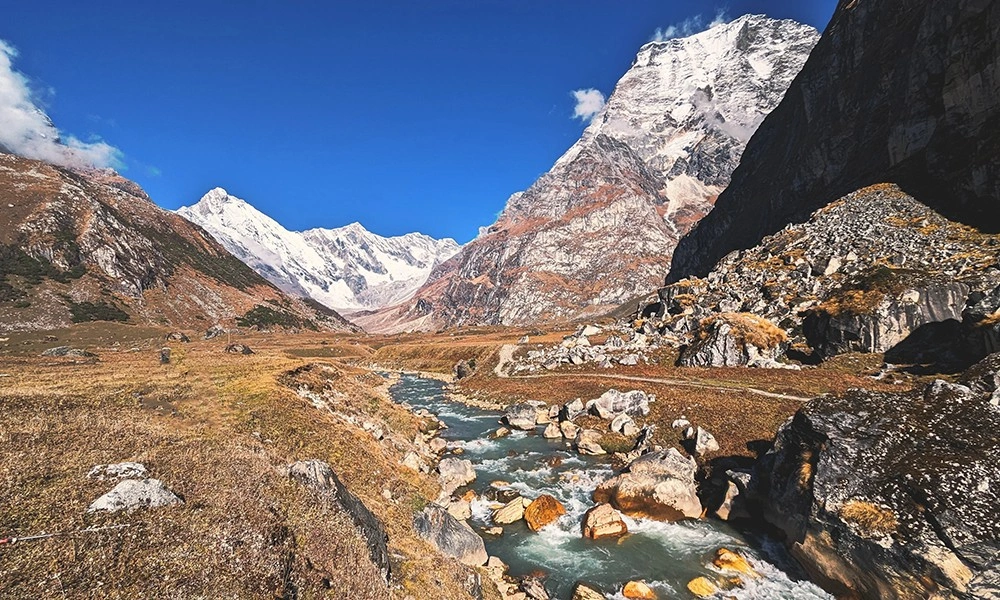
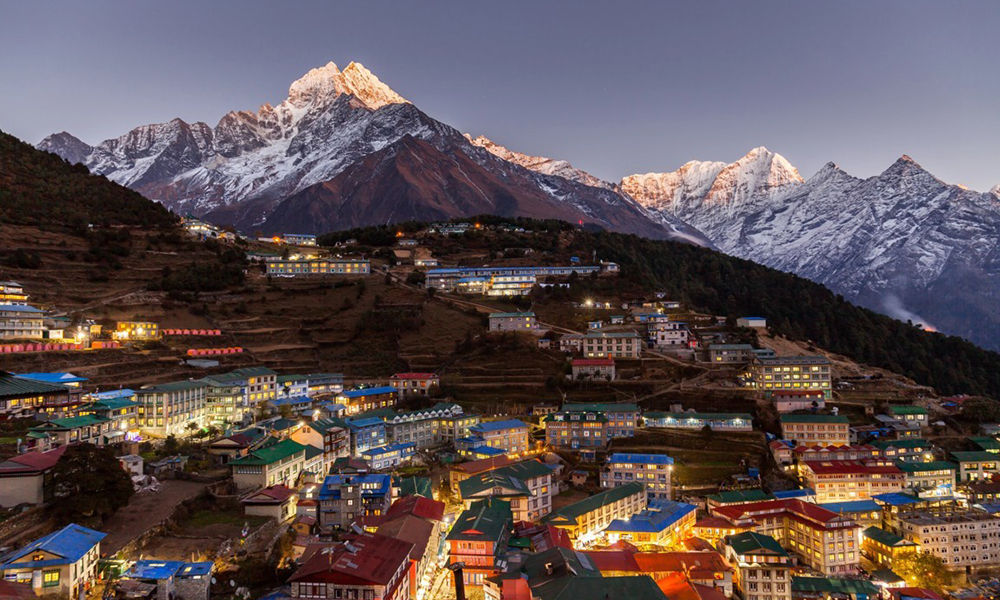
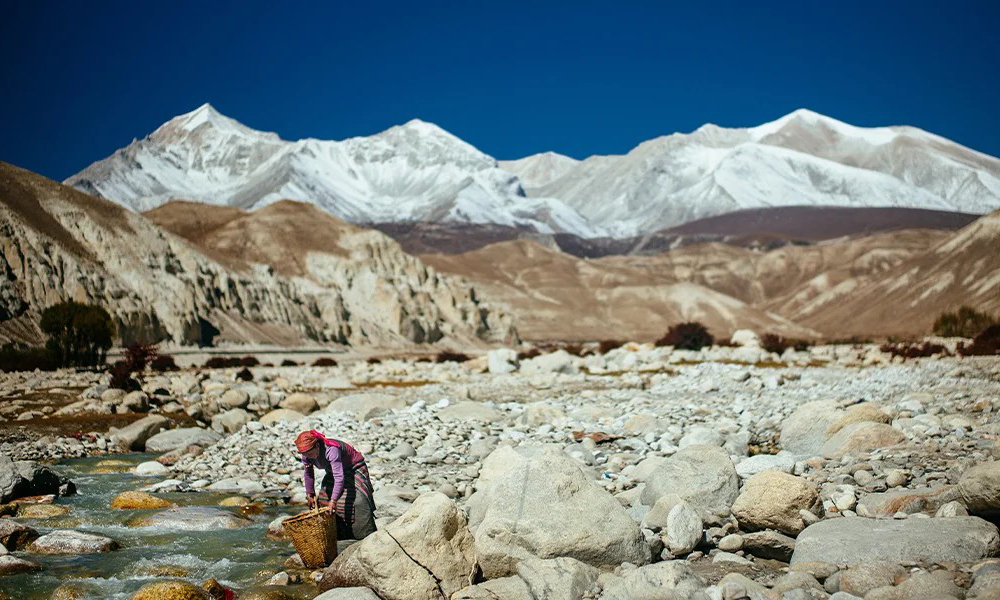
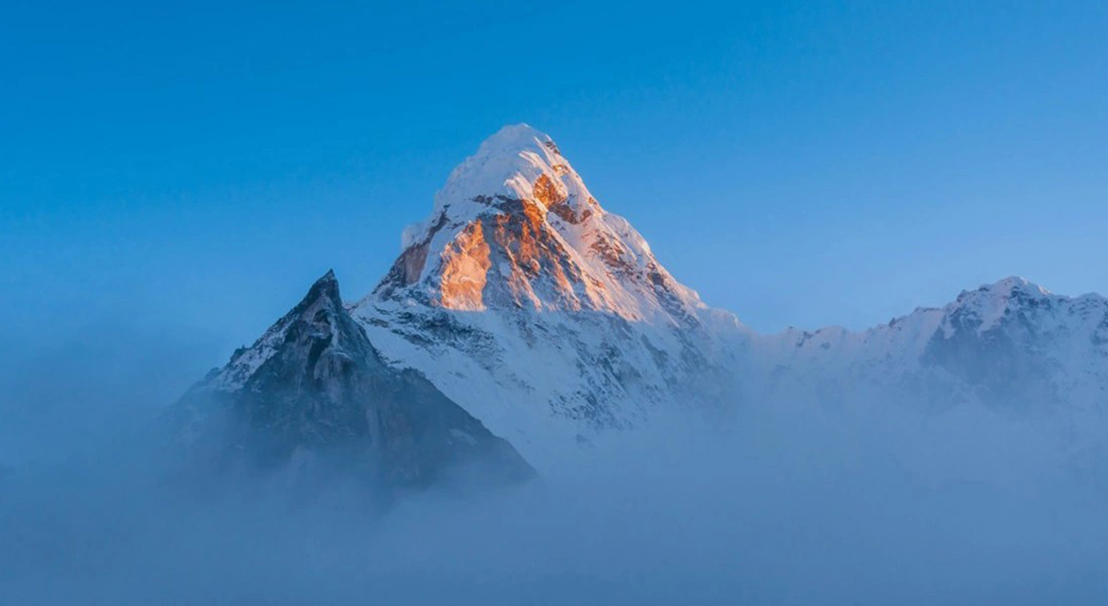
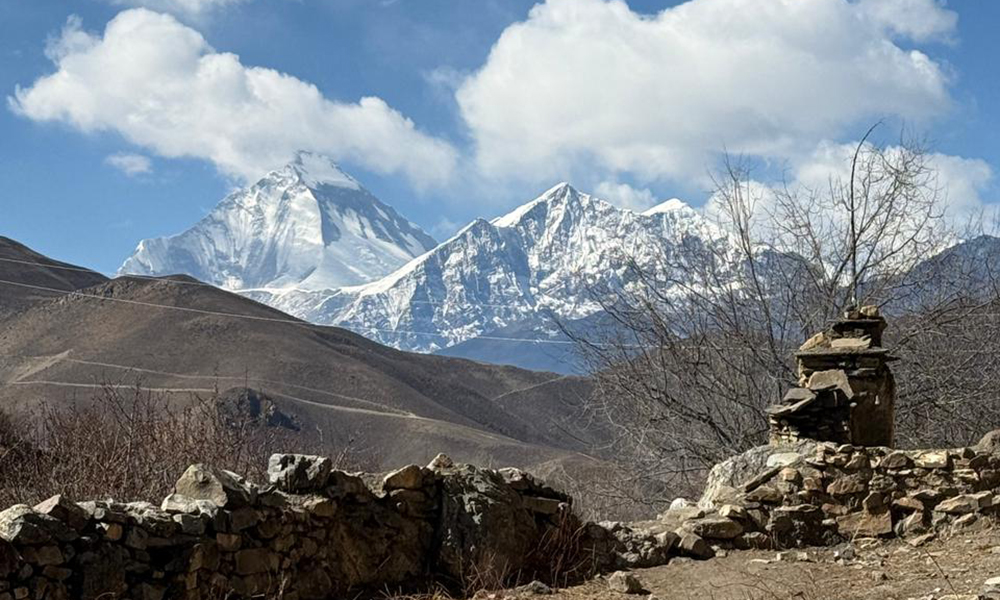
High altitude filming in Nepal generally refers to filming locations above 3,000 meters. Many iconic filming areas lie well above this elevation, including the Himalayan regions close to Mount Everest, Annapurna, Mustang, Manaslu, and Dolpo.
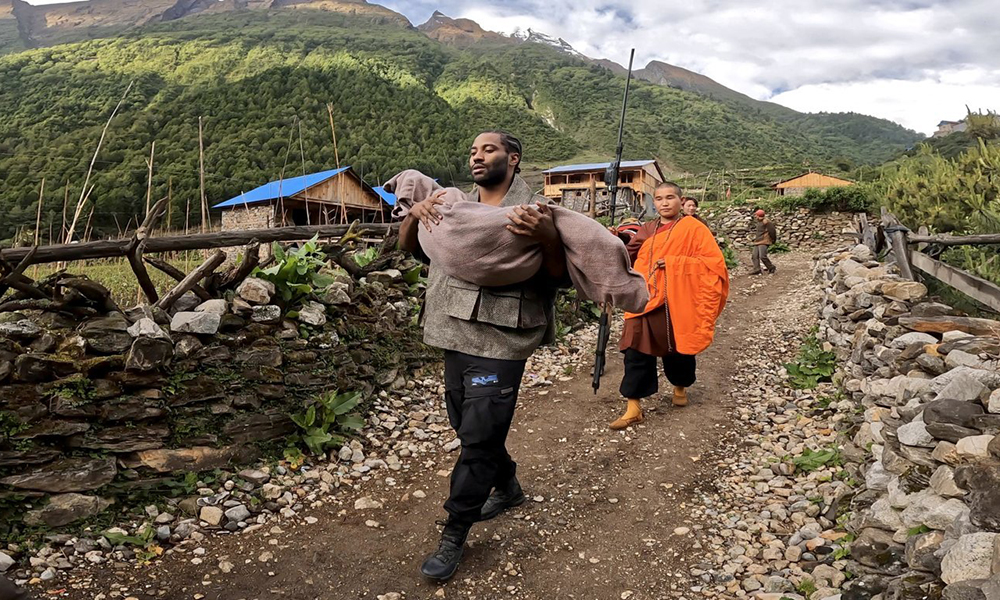
These locations are visually stunning but logistically demanding. Road access is often limited, weather conditions can change rapidly, and oxygen levels decrease significantly as altitude increases. Successful filming in the Himalayas of Nepal depends on understanding these conditions and preparing accordingly.
Film Permits for High Altitude Filming in Nepal
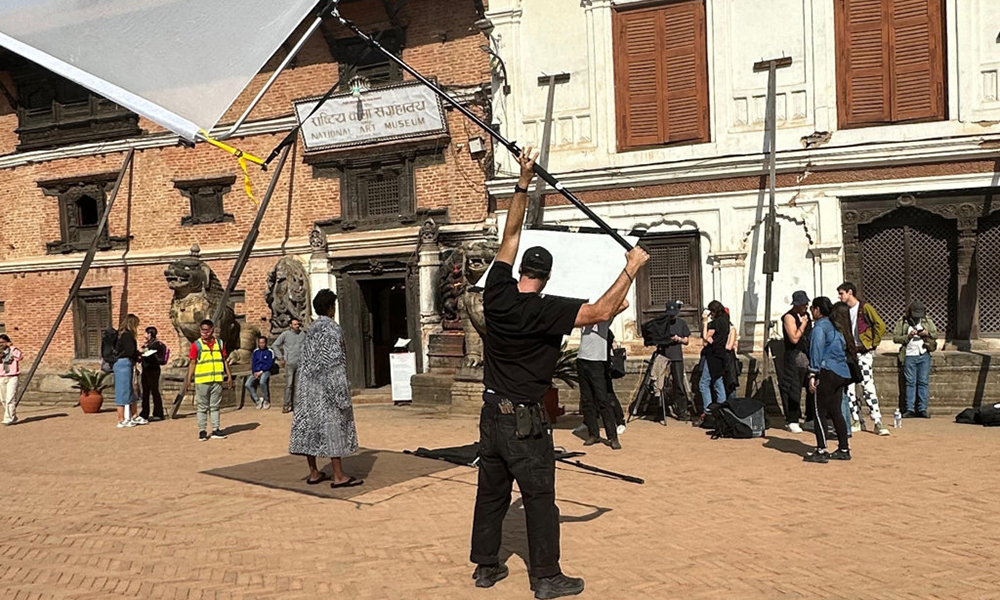
Obtaining film permits for high altitude filming in Nepal is mandatory for all foreign productions. Filming in mountain regions often requires multiple approvals from government authorities, conservation areas, or restricted zone administrations.
Permit applications usually include filming schedules, location details, crew information, and equipment lists. Any errors or delays can stop production, especially in protected or restricted areas. This is why most international filmmakers work with a Nepal film fixer for mountain filming to handle permits professionally and efficiently.
Best Season for Mountain Filming in Nepal
Choosing the right season is essential for high altitude documentary filming in Nepal. Spring and autumn are considered the best times due to clear skies, stable weather, and safer mountain conditions.
Monsoon season brings heavy rainfall, cloud cover, and landslides, while winter filming involves extreme cold and limited accessibility. Careful seasonal planning helps ensure better visibility, crew safety, and uninterrupted shooting schedules.
Crew Preparation and Acclimatization at High Altitude
High altitude affects every individual differently. Even experienced crew members can suffer from altitude sickness if acclimatization is rushed. Proper acclimatization is one of the most important aspects of high altitude filming in Nepal.
You May Also Prefer Peading: Our Services
Professional productions allow extra days for altitude adjustment, maintain flexible schedules, and ensure proper hydration and nutrition. Local mountain experts play a key role in monitoring crew health and advising on safe working practices during filming in high locations of Nepal.
Equipment Planning for High Altitude Film Shooting in Nepal
Cold temperatures and thin air can impact filming equipment performance. Batteries drain faster, drones struggle at higher elevations, and cameras require weather protection.
Successful mountain filming in Nepal includes carrying backup batteries, protecting gear from extreme cold, and testing equipment in real conditions. Many productions choose to source equipment locally to reduce transportation challenges and ensure reliability in high-altitude environments.
Transportation and Logistics in High Locations of Nepal
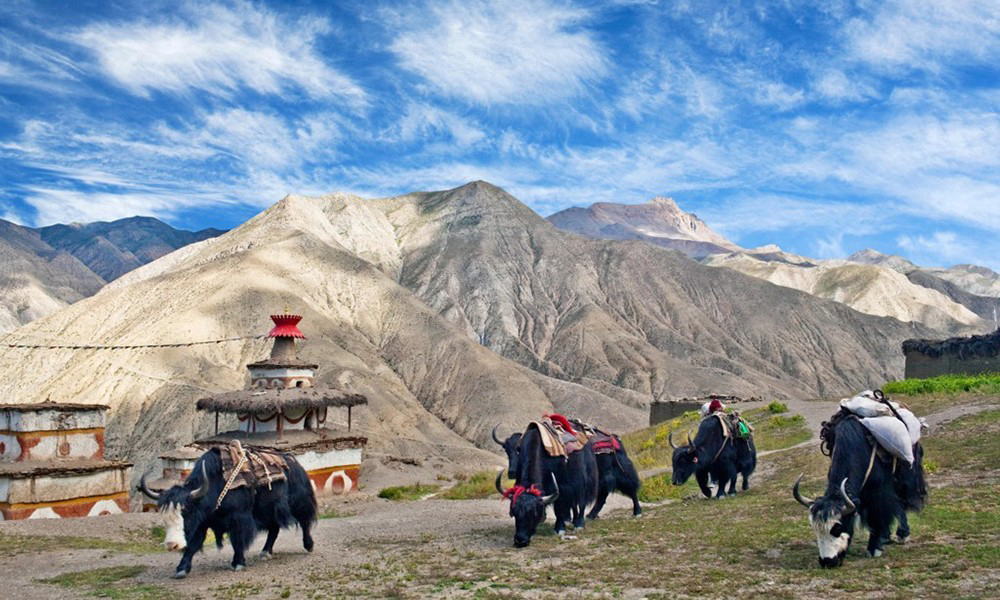
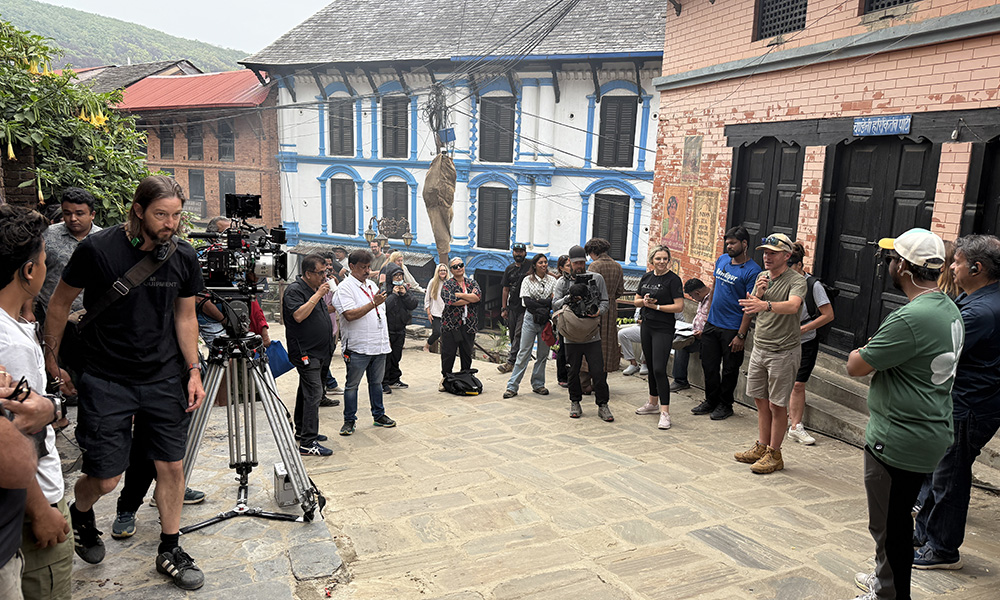
Logistics are a major challenge when filming in the Himalayas of Nepal. Accessing high-altitude locations often involves domestic flights, off-road vehicles, trekking routes, and sometimes helicopter support.
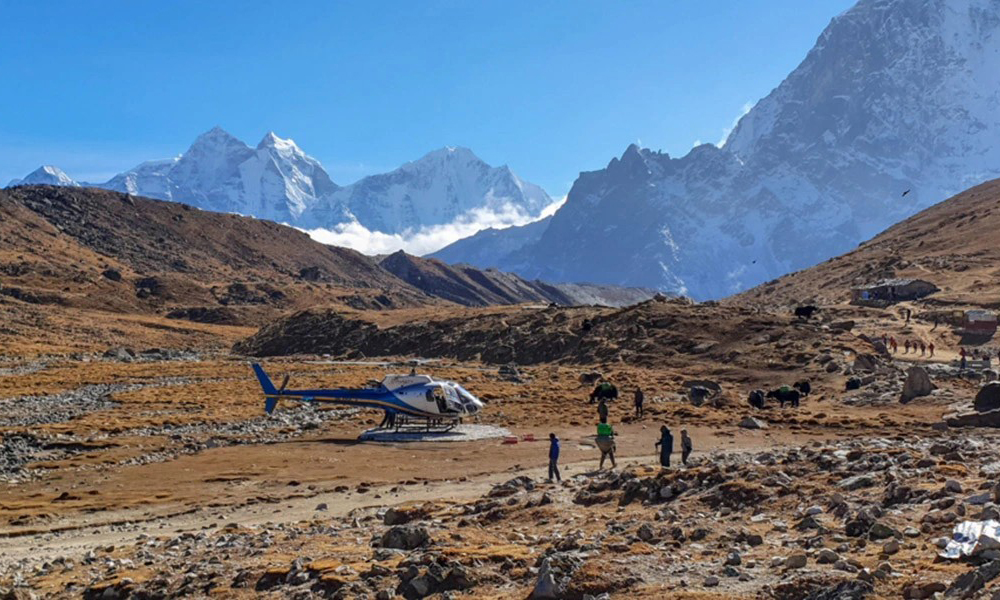
Accommodation options are limited and often basic in mountain regions. Proper planning for transportation, lodging, food, and porter support is essential to keep production running smoothly during high altitude film shooting in Nepal.
Working With Local Communities in Mountain Regions
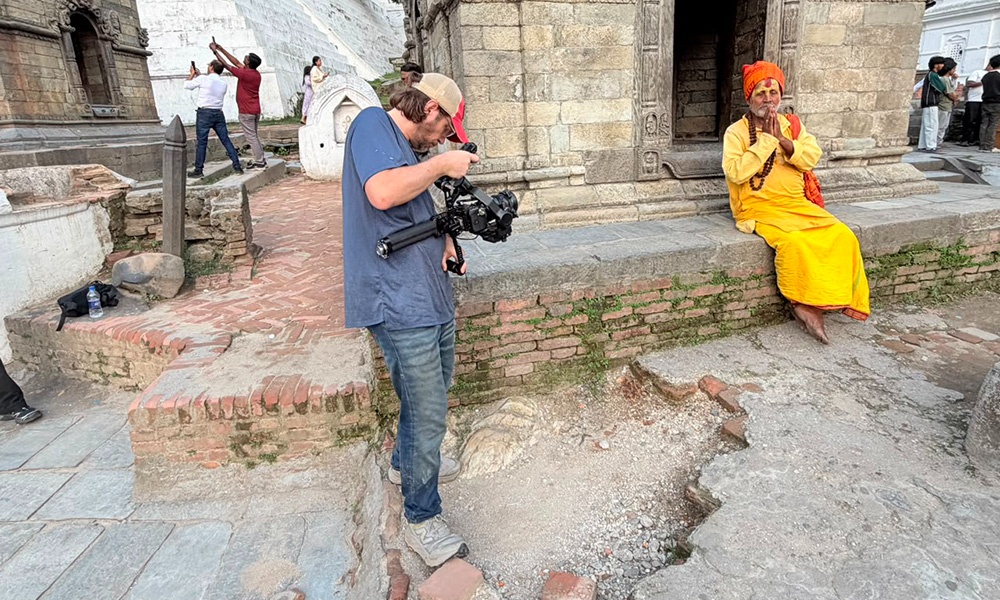
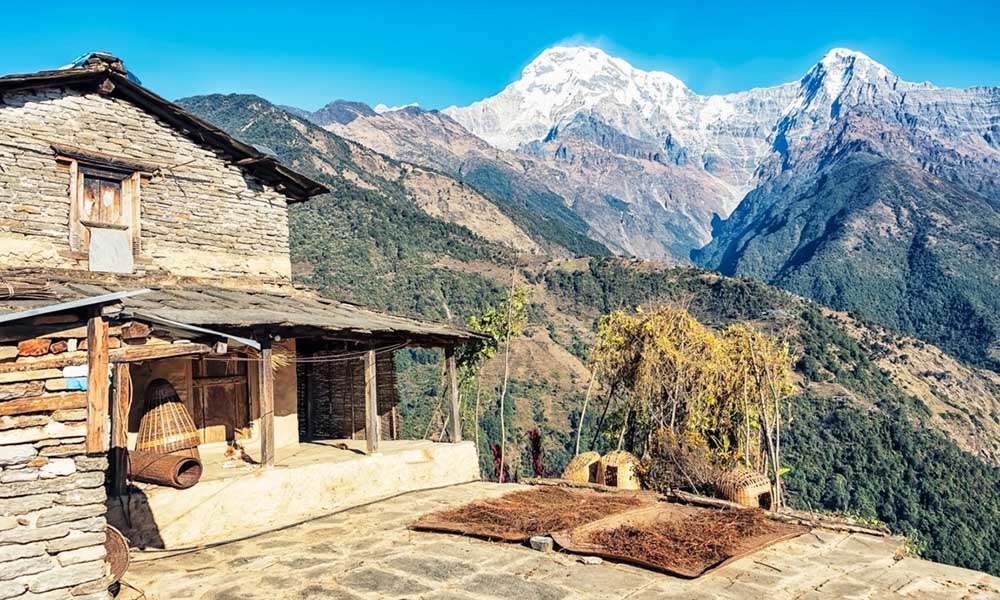
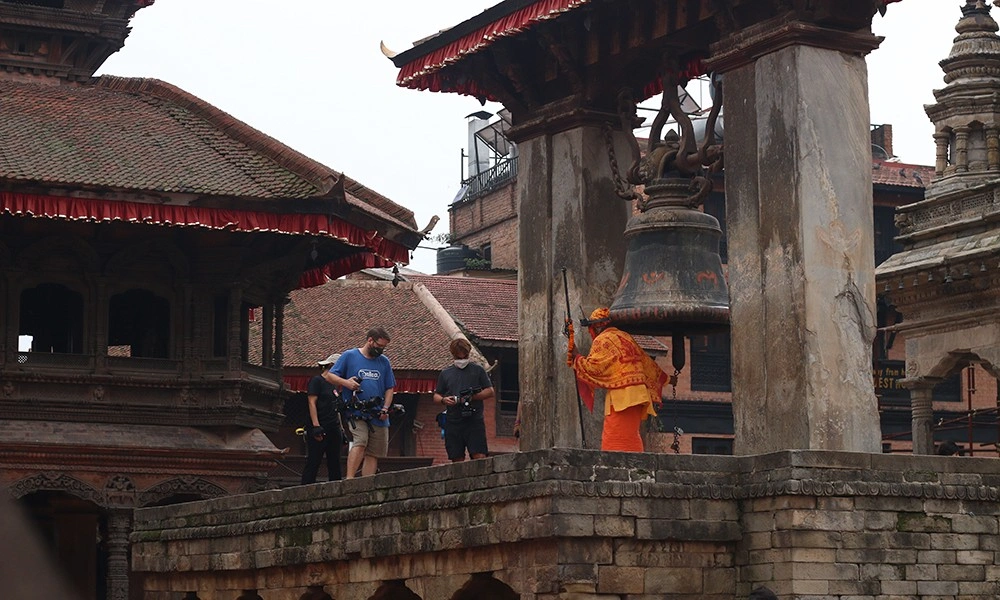
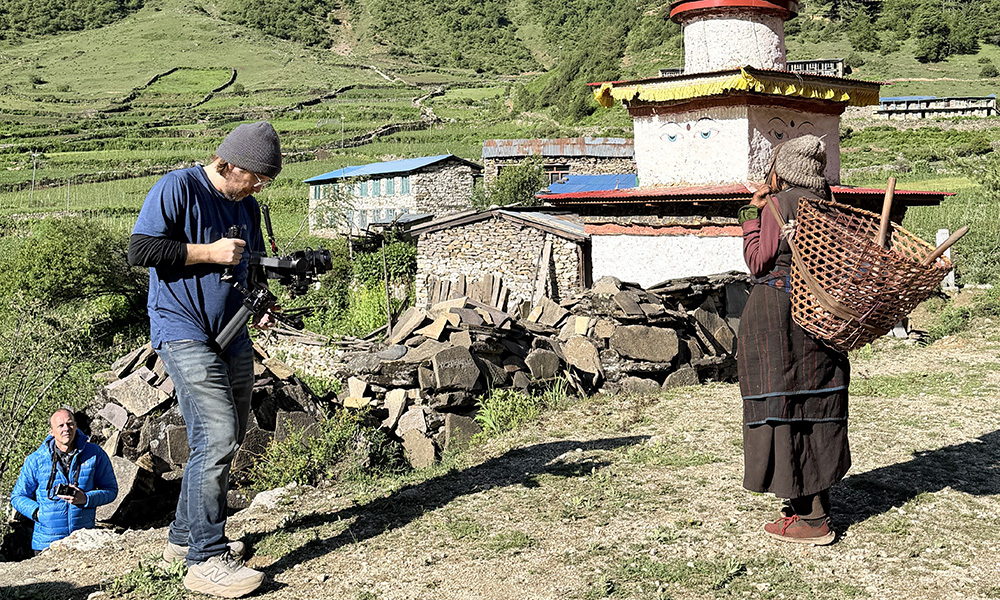
High-altitude regions of Nepal are culturally rich and deeply traditional. Respecting local customs, religious sites, and community rules is essential during filming.
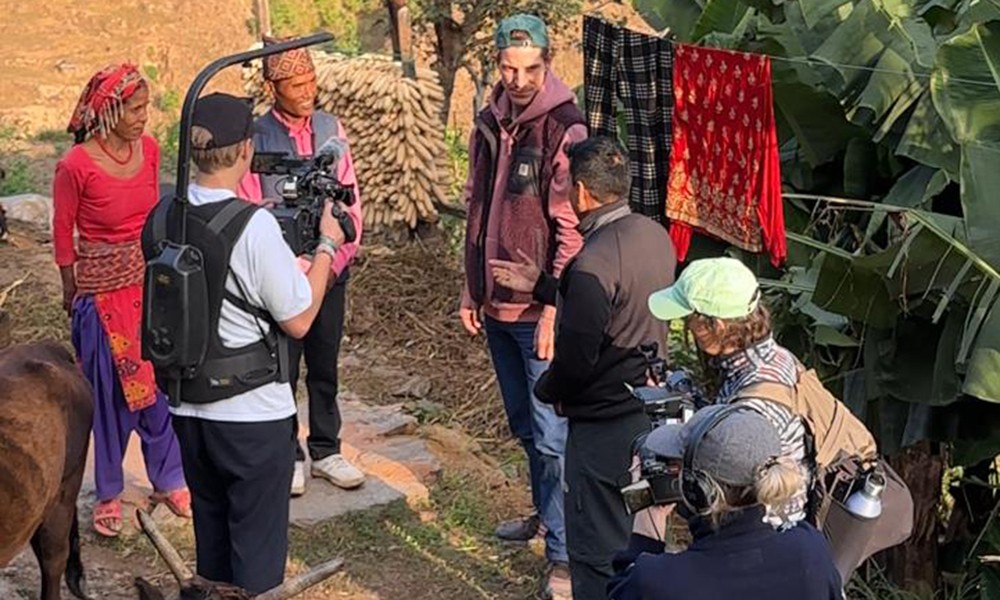
Productions that work closely with local coordinators and guides gain smoother access, better cooperation, and authentic storytelling opportunities. Local knowledge also helps identify alternative locations if weather or access conditions change unexpectedly.
Safety and Medical Support for High Altitude Filming
Safety planning is non-negotiable when filming in high locations in Nepal. Remote mountain areas often lack immediate medical facilities, making preparation critical.
Also Read: Filming Permit in Nepal: Complete Guide for Foreign Filmmakers
Professional productions arrange on-site medical support, emergency evacuation plans, and communication systems such as satellite phones. These measures protect the crew and ensure continuity during high altitude filming in Nepal.
Why Professional Film Coordination Is Essential
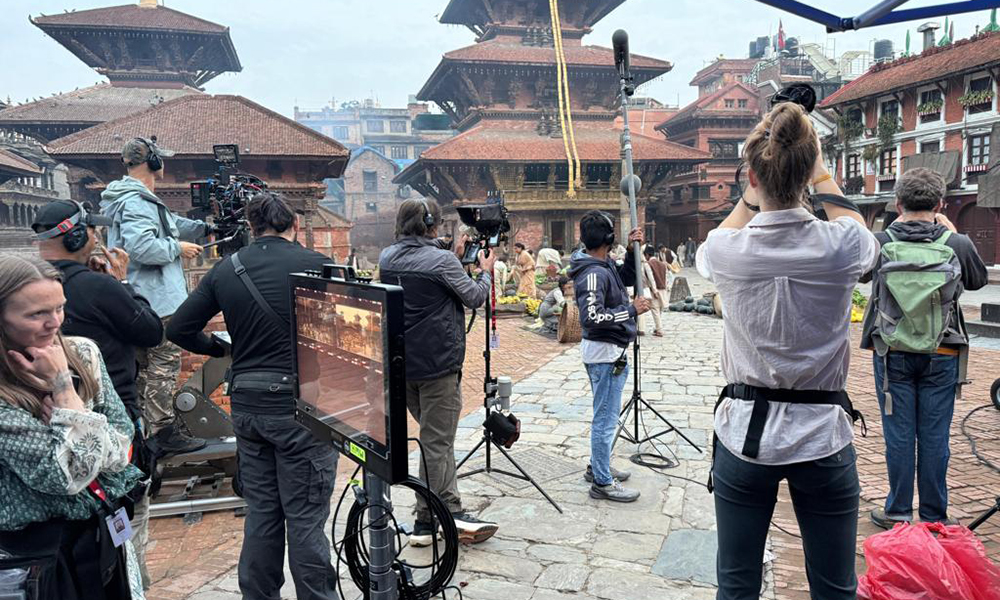
High altitude filming in Nepal requires far more than creative vision. It demands strong local knowledge, permit expertise, logistical planning, and real-time problem-solving. This is why international filmmakers rely on experienced local coordinators who understand both production needs and mountain realities.
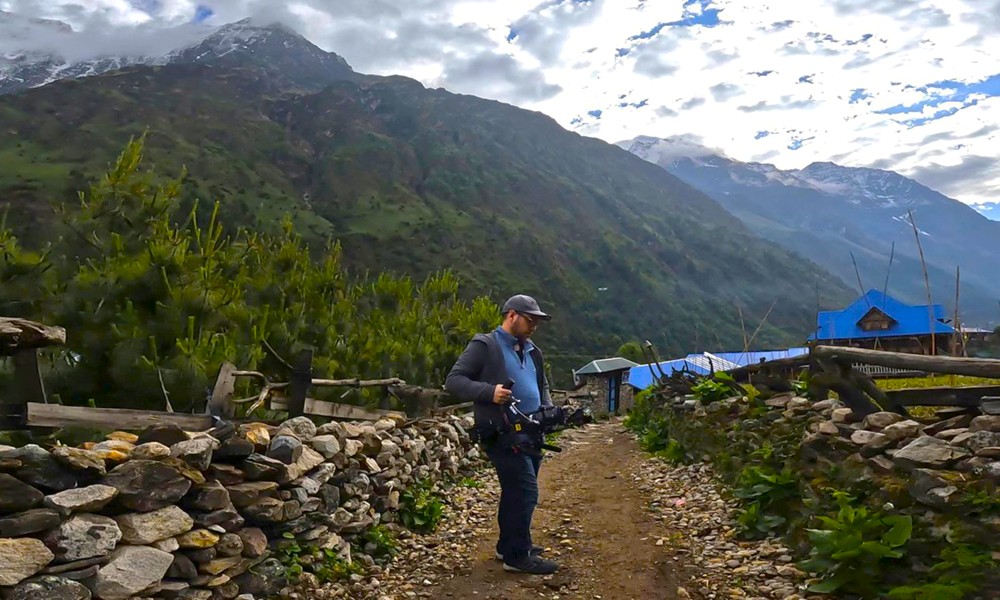
Companies like Wilderness Film Productions specialize in handling high altitude film shoots across Nepal. From securing permits and scouting mountain locations to managing logistics, crew coordination, and safety support, they help productions operate efficiently even in the most challenging environments.
High Altitude Filming in Nepal
High altitude filming in Nepal offers extraordinary cinematic rewards, but success depends on preparation, experience, and professional local support. Altitude, weather, permits, logistics, and safety all play a crucial role in shaping the outcome of a mountain film shoot.
With the right planning and expert coordination, filming in high locations of Nepal becomes smooth, safe, and highly rewarding. The Himalayan landscapes of Nepal provide beautiful natural backgrounds that make any film, documentary, or commercial stand out.












Latest Comments