

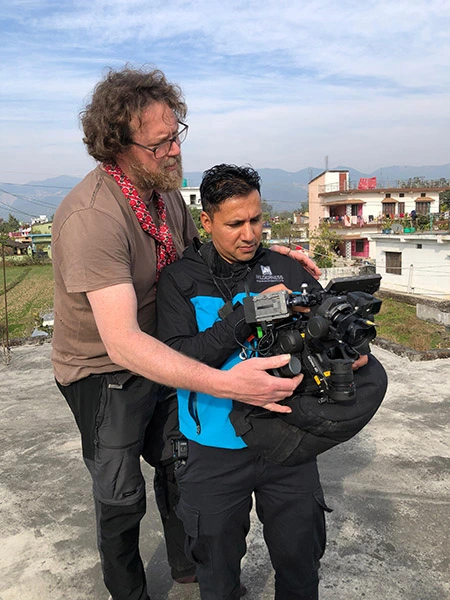

Published by Wilderness Film Productions.
We served as the Location Manager for the Nepal shoot of Tenzing (2026).
Introduction
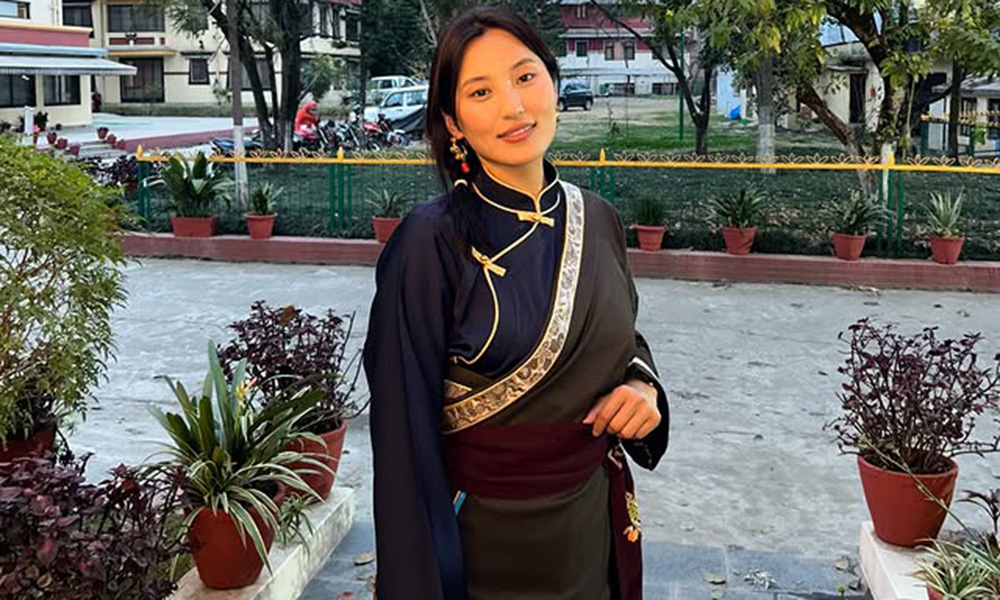
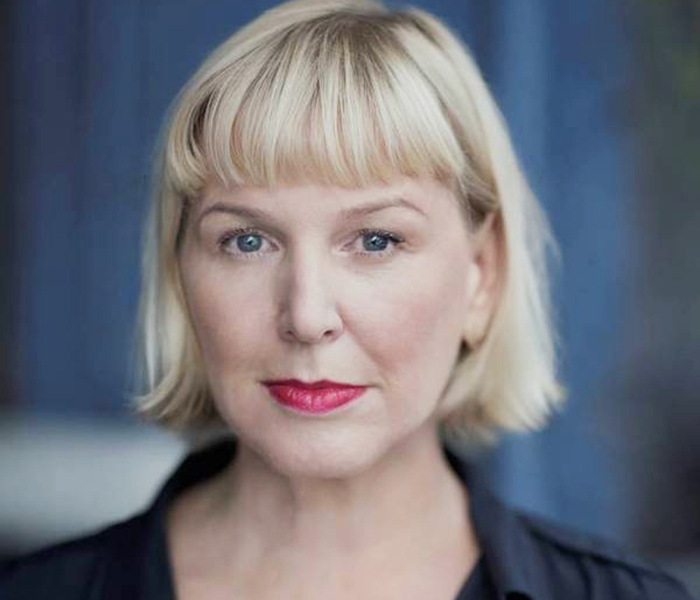
Thinley Lhamo was working as a trekking translator in Thamel, earning less than 300 US dollars a month, when a friend submitted her headshot to the casting team for Tenzing without telling her. That is how the actor playing Dawa Phuti entered this story. Not through an agent or an audition circuit. Through a friend with a phone and a quiet belief that the right person was being overlooked.
Dawa Phuti, also known as (Dakku), married Tenzing Norgay when he had almost nothing to offer except ambition and a body built for altitude. She bore his children in a stone house in the Khumbu Valley without electricity or running water. She died from a lung infection sometime around 1944, before her husband became one of the most recognized names in the history of exploration. She was in her twenties when she passed away. She never saw the summit of Everest. She never knew what the world would do with the man she had loved and sheltered and sent back into the mountains season after season.
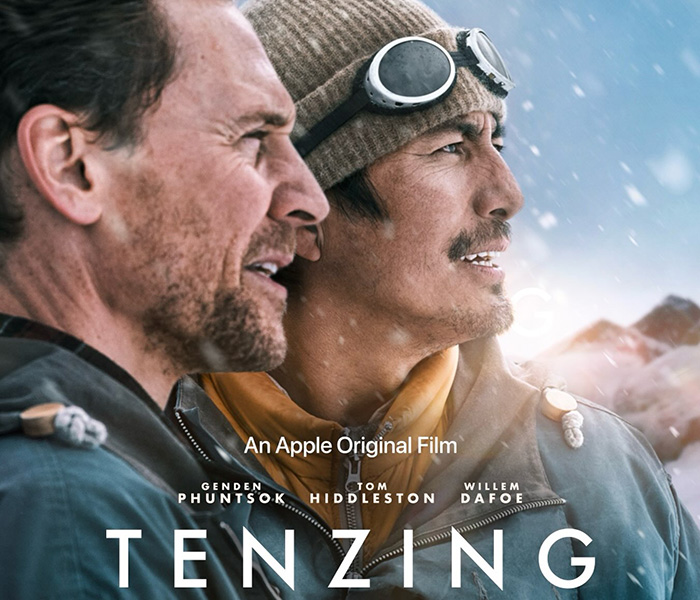
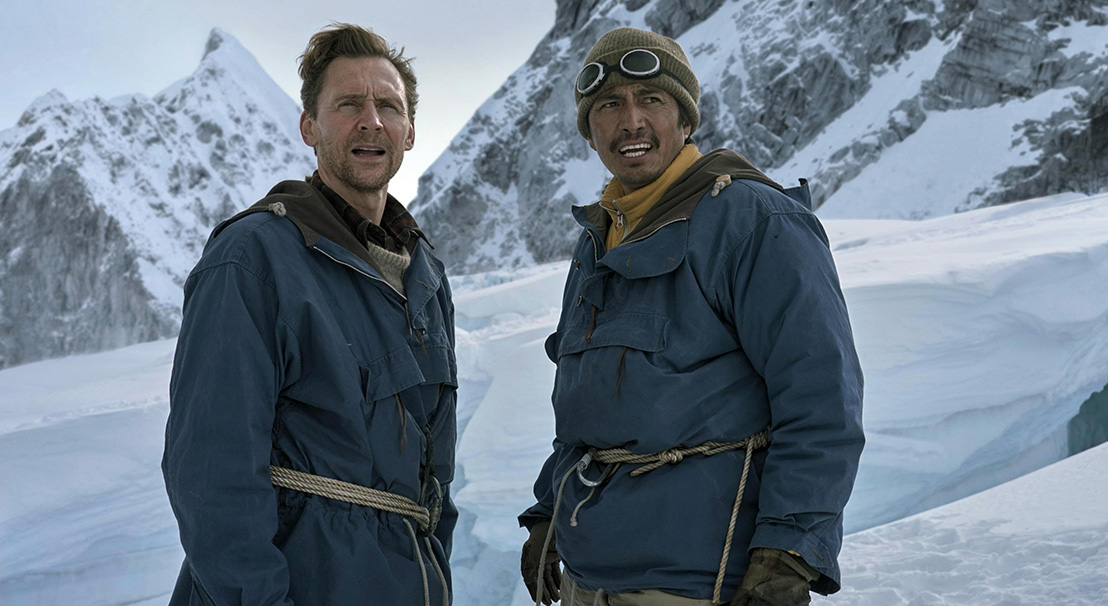
Related Articles: Tom Hiddleston Plays Edmund Hillary in Tenzing (2026)
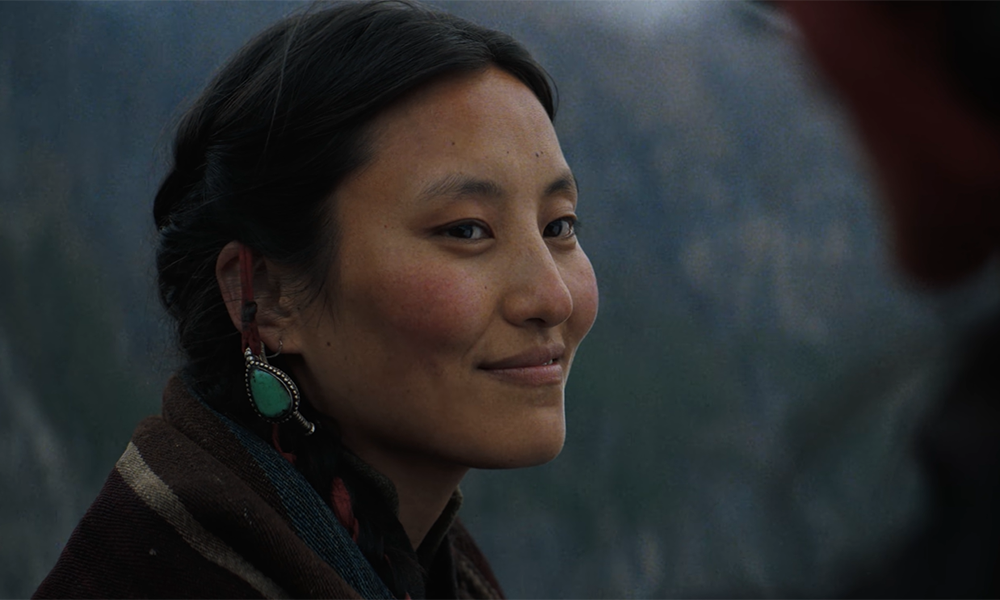
In Tenzing (2026), Dawa Phuti (Dakku) finally appears on screen for the first time in any major production. The actor carrying that responsibility is Thinley Lhamo, a 28-year-old Nepali performer of Sherpa and Tibetan heritage based in Kathmandu. She speaks three languages fluently. She had appeared in exactly one feature film before this production. She did not have an agent when she was cast for this role.
This blog explores the journey of Thinley Lhamo, from her early career to her breakthrough role in Shambhala and her casting as Dawa Phuti in Tenzing. We also examine what this means for Nepali and Himalayan representation in global cinema.
Executive Summary: Key Takeaways
- Who is Thinley Lhamo?
A 28-year-old Nepali-Tibetan actor based in Kathmandu. Her mother is a Sherpa. Her father is Tibetan. - What is her background?
She studied theater at Kathmandu University. She worked as a trekking translator in Thamel before this role. - What was her first film?
A supporting role in Naakaa (2017) and later Hari (2018). - What was her breakthrough role?
She played Pema in Shambhala (2024), Nepal's official Oscar entry and the first Nepali film selected for Berlinale competition. - Who does she play in Tenzing 2026?
Dawa Phuti, Tenzing Norgay's first wife, who died around 1944 in her twenties. - Why was she cast?
She performed her audition scene entirely in Sherpa. The casting director watched her finish and said, "That is not acting. That is memory." - Where was she filmed in Nepal?
Khumjung village near Everest and Patan Durbar Square in Kathmandu. - What role did Wilderness Film Productions play?
We served as the Location Manager for the Nepal shoot. We secured permits for all locations, managed local crew and translation services, and coordinated high-altitude medical support. The production lost zero shooting days. - When will Tenzing be released?
Tenzing will premiere in select theaters on October 9, 2026, and debut globally on Apple TV+ on October 16, 2026.
Who Is Thinley Lhamo? Biography and Early Life
Birth and Cultural Background
Thinley Lhamo was born circa 1997 in Sankhuwasabha District of eastern Nepal, a region that sits below the great peaks near the Arun River valley and the southern approaches to Makalu. Her mother worked as a weaver and speaks Sherpa as her first language. Her father drove trucks on the dangerous highway connecting Nepal to the Chinese border.
You May Also Prefer Reading: Tenzing (2026): The Untold Story of the Man Who Conquered Everest
She grew up speaking Sherpa at home and learned Nepali in primary school. Her family moved to Kathmandu in 2010, and she studied English at a government secondary school in the capital. She enrolled at Kathmandu University to study sociology, without any intention of working in film or theater at that time. By nationality and ethnicity, she is Nepali-Tibetan, with roots that connect her to both Nepali and Tibetan traditions.
Discovery Through Theater
A friend dragged her to a theater workshop in her second year at university for a change of pace. The workshop leader was a visiting director from Mumbai who asked Lhamo to improvise a scene about a mother leaving her child at a bus stop. She performed for seven minutes without speaking a single word during the entire exercise. The director told her she had a natural instrument, and she switched to the theater program the following semester without hesitation.
Education and Early Career
She graduated in 2019 with a Bachelor of Arts in Theater, and no job offers were waiting for her. She found work as a translation coordinator for a trekking company in Thamel, earning less than 300 US dollars per month. She continued doing small theater productions in Kathmandu on evenings and weekends to stay connected to her craft.
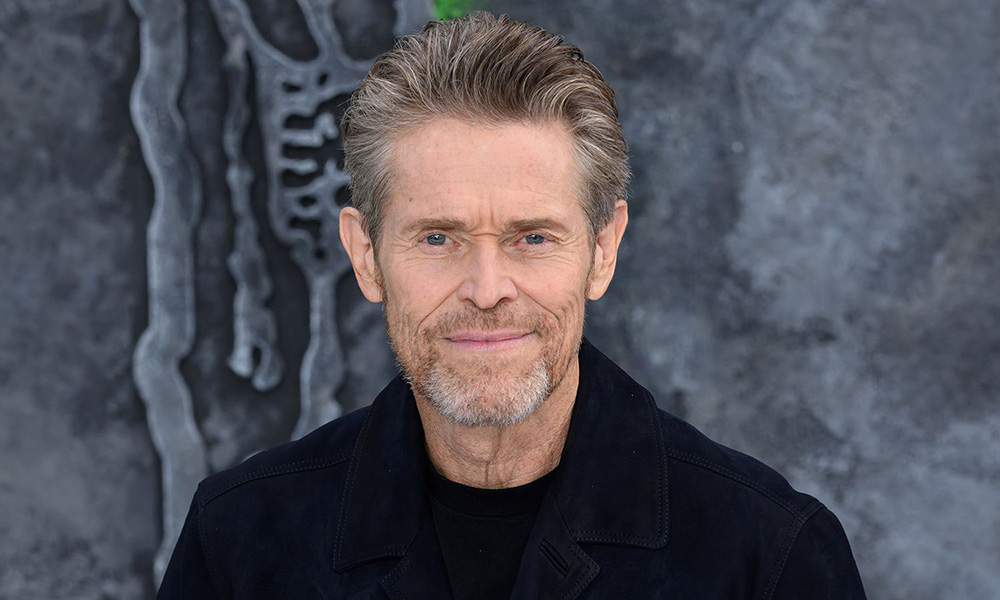
Also Read: Willem Dafoe Joins Tenzing (2026) as Colonel John Hunt
Her first film roles came in Naakaa (2017) and Hari (2018), early productions that gave her valuable experience in front of the camera. That was the sum of her screen credits when the casting team for Tenzing came looking for the right actor.
How Thinley Lhamo Was Cast as Dawa Phuti
The casting process for Tenzing began in late 2023 with a wide search across multiple countries. The team reviewed more than 150 applicants for the role of Dawa Phuti, drawing from actors across Nepal and India. Most applicants were professional performers with established credits and representation in the industry.
Lhamo did not apply for the role herself. A friend who worked as a production assistant submitted her headshot without telling her. She received a phone call in January 2024 asking if she could travel to Darjeeling for a screen test in three days. She borrowed money from her mother for the bus ticket to get there.
The Audition That Changed Everything
The audition took place in a small hotel conference room with minimal equipment. The casting director was Sarah Halley Finn, whose credits include Avengers: Endgame and Black Panther. Finn asked Lhamo to read a scene where Dawa Phuti bids farewell to Tenzing before a climbing season begins.
Lhamo asked if she could perform the scene in Sherpa rather than English for authenticity. Finn agreed without hesitation and adjusted the setup accordingly. Lhamo then requested two minutes of silence to prepare herself before beginning. She turned her back to the camera and stood motionless. When she turned around, her face looked different and fully transformed. According to a crew member present in the room, she was already crying before she spoke her first line of dialogue.
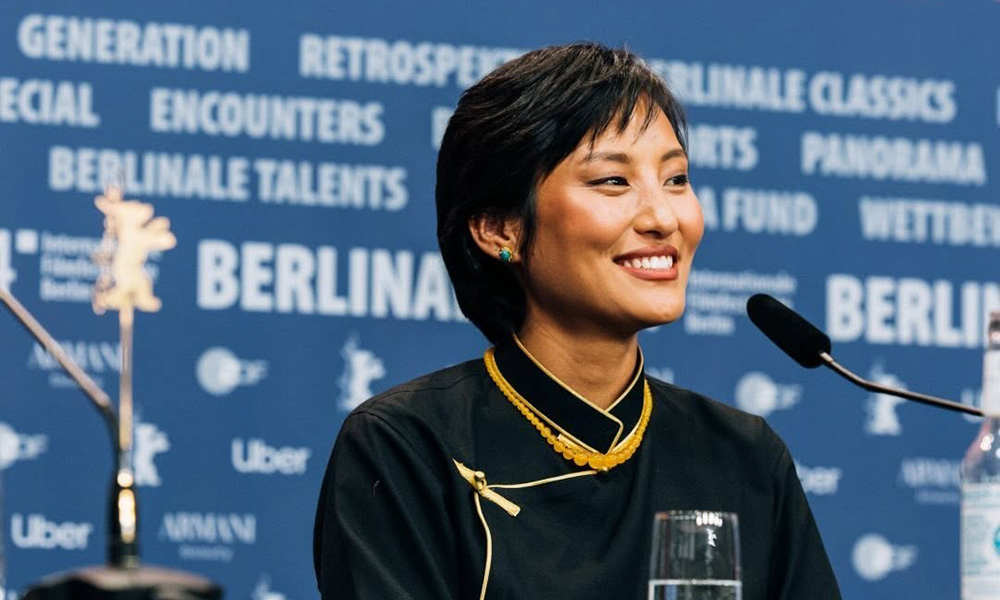
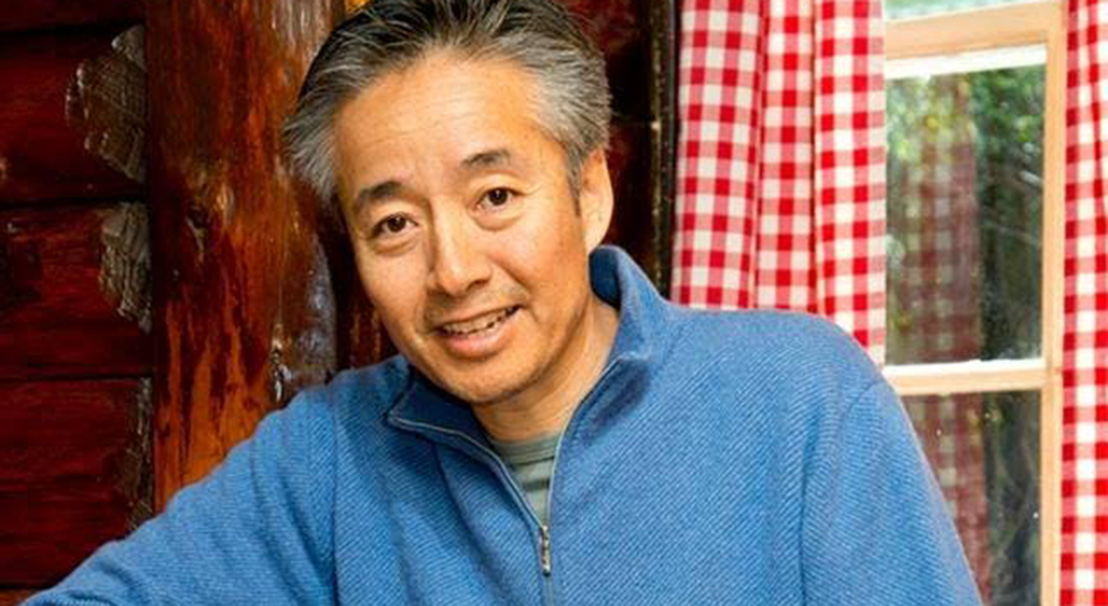
She delivered her lines without breaking character or losing control. She finished the scene and waited for a response. Finn said nothing for fifteen seconds, a long silence in an audition room. Then she said, "That is not acting. That is memory." The team offered Lhamo the role six days later without any other candidates called back. Norbu Tenzing, the son of Tenzing Norgay and executive producer on the film, watched the audition tape afterward. He reportedly told a member of the casting team, "That is how my mother moved. That is exactly it." No other actors were called back for a second audition.
How Lhamo Prepared for the Role
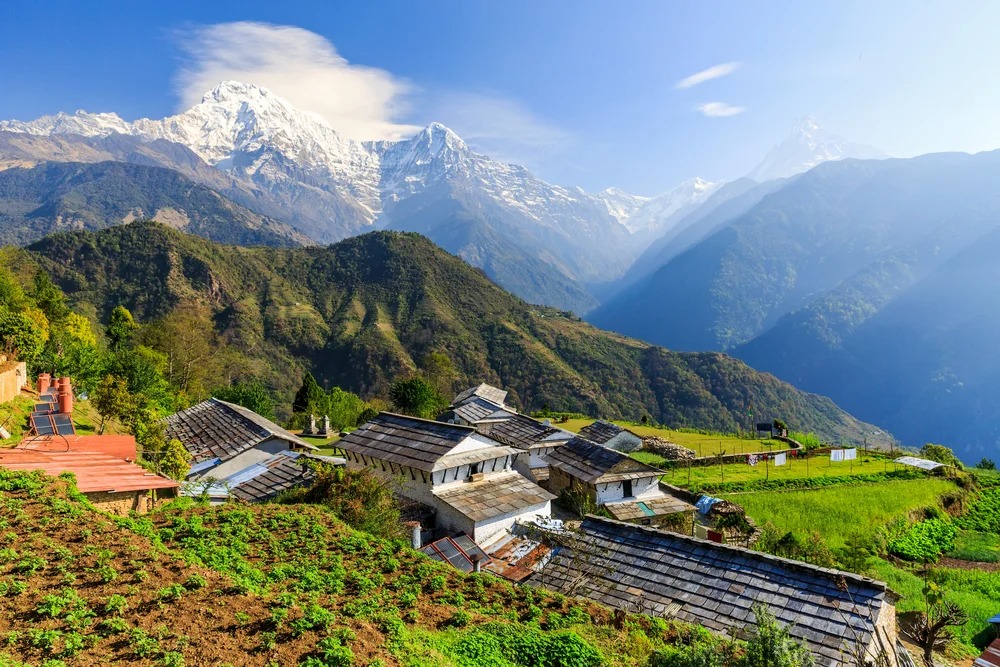
Lhamo did not prepare for Dawa Phuti by studying scripts or watching other performances. She prepared by living the life of the character she was about to portray on screen. She arranged to stay with a Sherpa family in Khumjung village for two weeks before filming began.
She learned to grind barley by hand using a traditional stone mill. She learned to carry a loaded doko basket on her back across uneven terrain without stopping. She woke before sunrise with the family and carried water from the source to the house each morning. She observed how the older women in the village moved through their daily work, the economy of motion that comes from decades of labor at altitude.
She also kept one personal item from the set after filming ended as a keepsake. An extra playing one of her daughters gave her a wool scarf on the final day at Khumjung. Lhamo wears it before interviews when she feels nervous or needs grounding. She has not explained what that object means to her, but she never interviews without it.
The Breakthrough Role in Shambhala
A Historic Achievement for Nepali Cinema
Before Tenzing, Lhamo had already made history with her role as Pema in Shambhala (2024), directed by Min Bahadur Bham. The film tells the story of Pema, a woman in a polyandrous marriage in a Himalayan village who embarks on a perilous journey into the unforgiving wilderness, which transforms into a personal odyssey of self-discovery and liberation.
Shambhala is the first Nepali film selected for the main competition at the Berlin International Film Festival, marking a landmark achievement for Nepali cinema on the global stage. It was also selected as Nepal's official entry for the Best International Feature Film at the 97th Academy Awards.

Our Articles: Jennifer Peedom Directs Tenzing (2026) After Making the Definitive Sherpa Documentary
Lhamo's performance in Shambhala earned her the prestigious Boccalino d'Oro Prize for Best Acting Performance at the 77th Locarno Film Festival in Switzerland in August 2024. This was a historic win and a first-of-its-kind recognition of a South Asian actor. The film's team dedicated the award to “the inspiring, resilient, and spirited women of the Nepali Himalayas”.
The film premiered at the Berlin International Film Festival, where it was selected for the prestigious competition section. This exposure brought Lhamo to the attention of international audiences and casting directors. Soon after, she was approached for the role of Dawa Phuti in Tenzing (2026).
Behind the Scenes: What Happened During Filming in Nepal
The following accounts come from interviews with production crew members present during the Nepal shoot. Some details have been reconstructed from multiple sources to ensure accuracy.
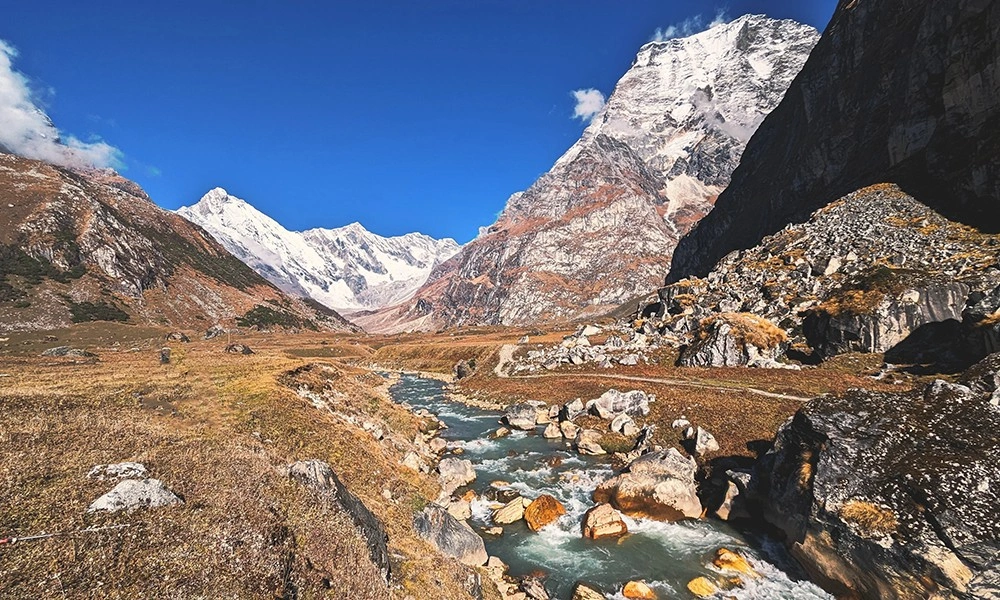
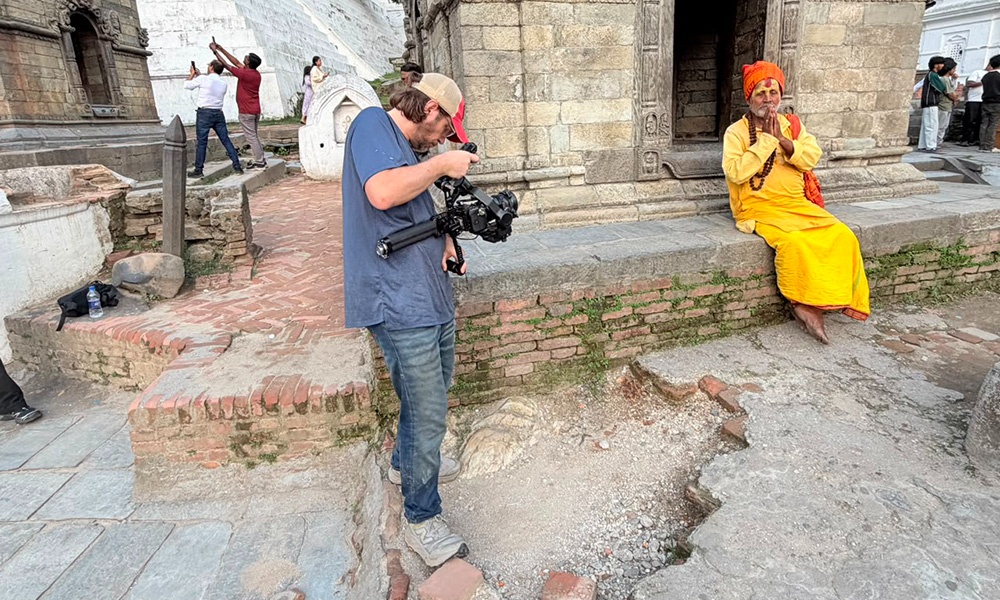
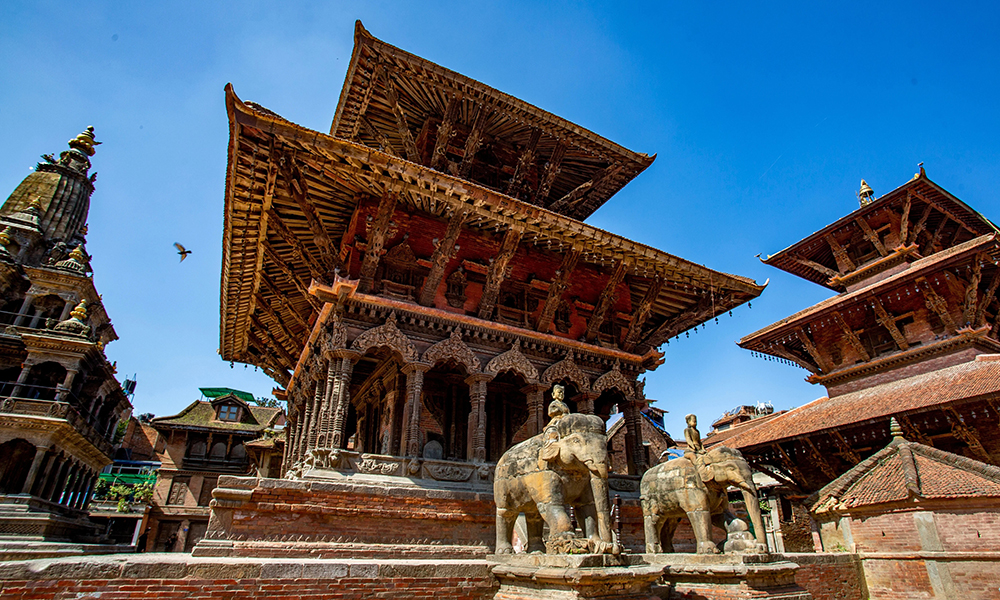
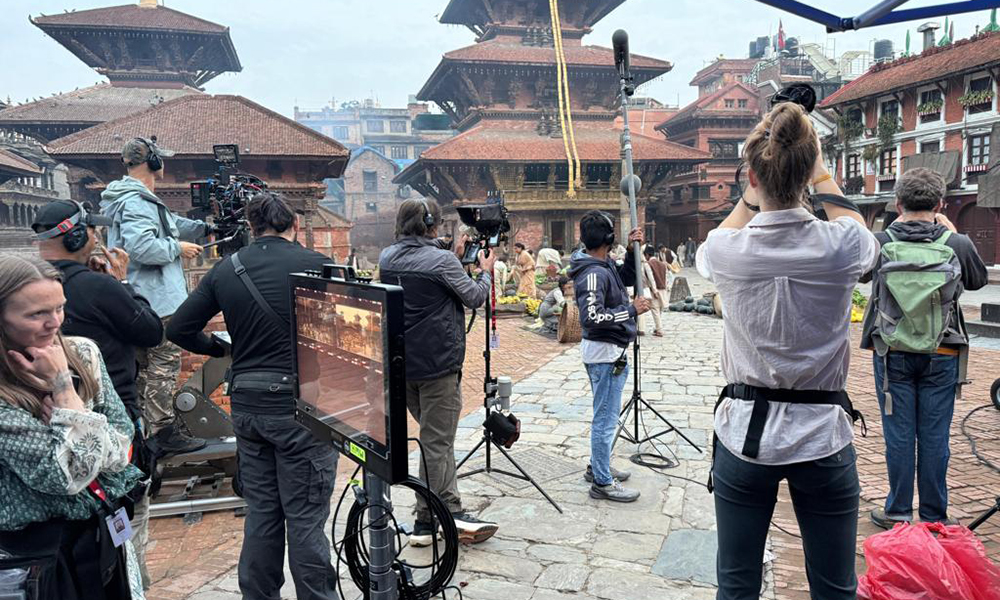
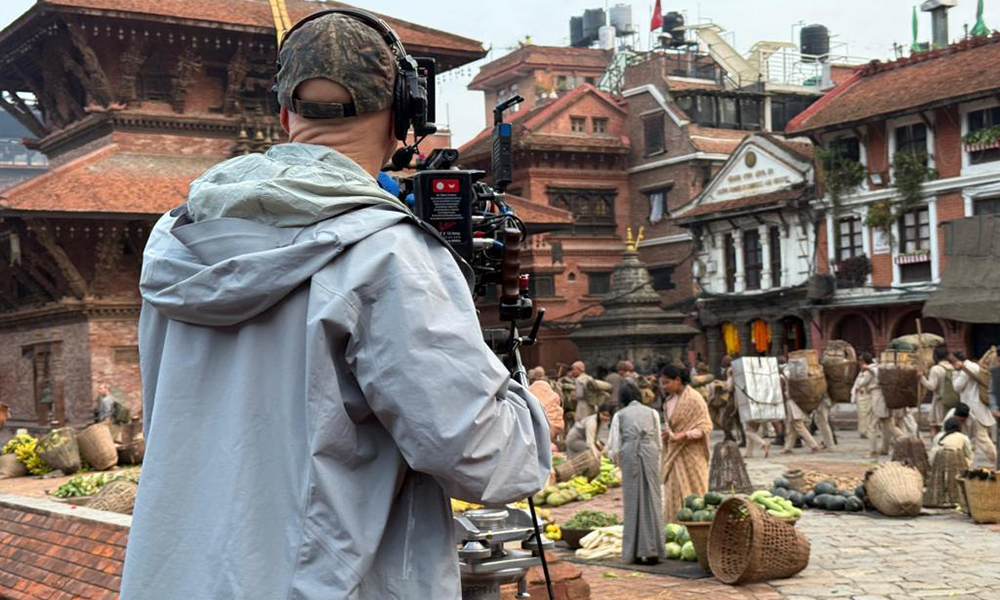
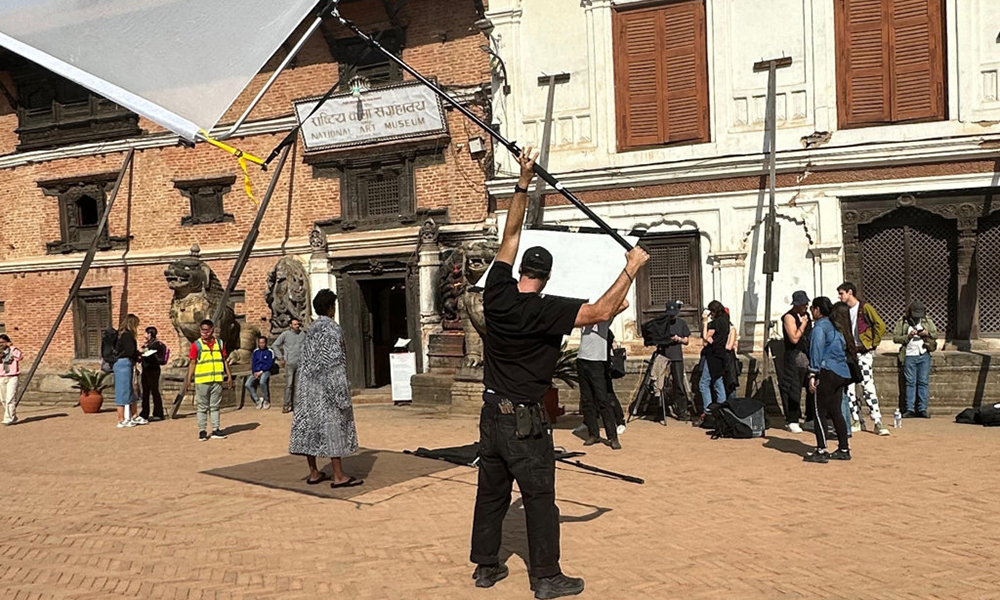
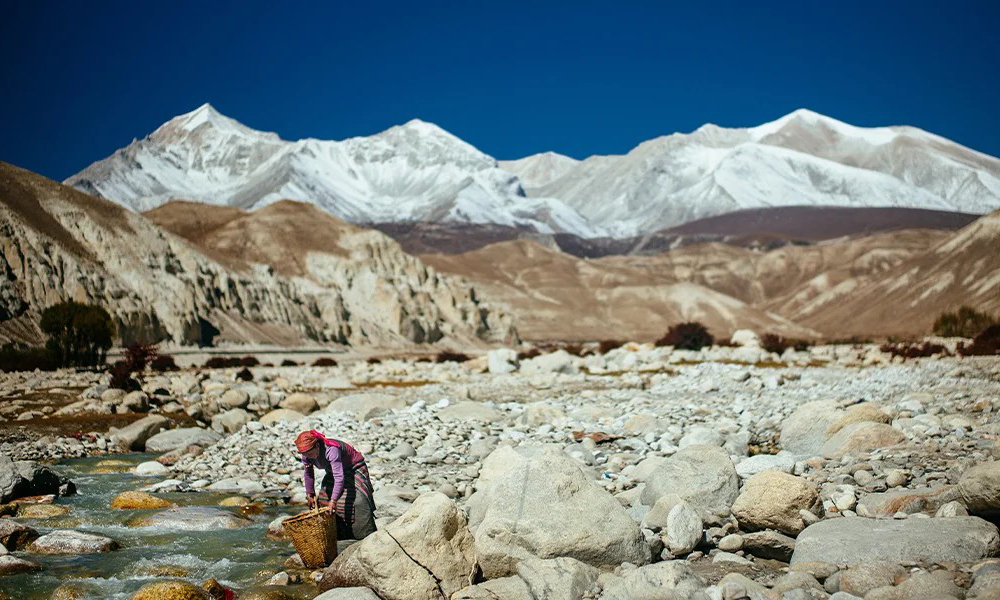
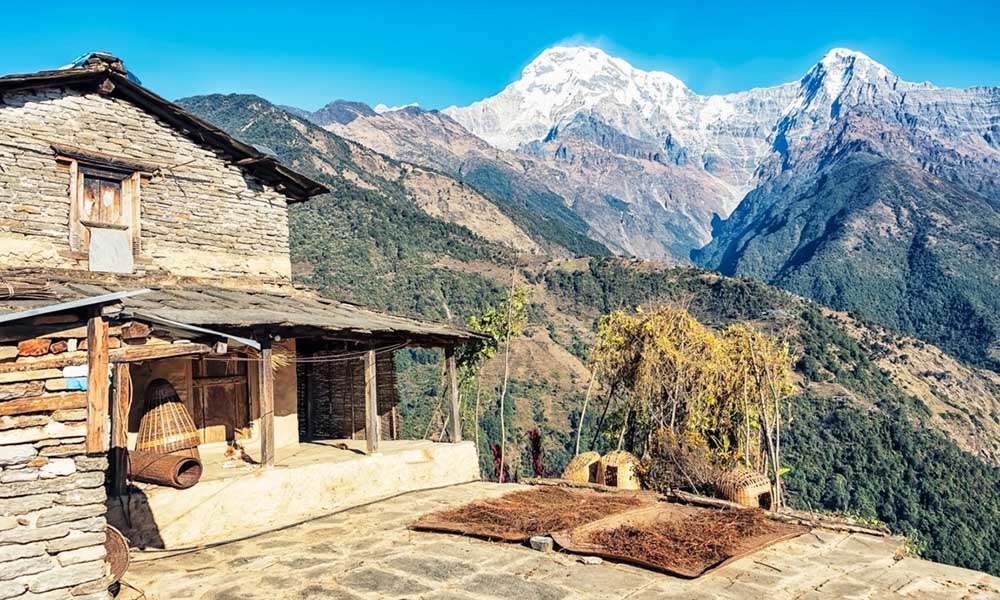
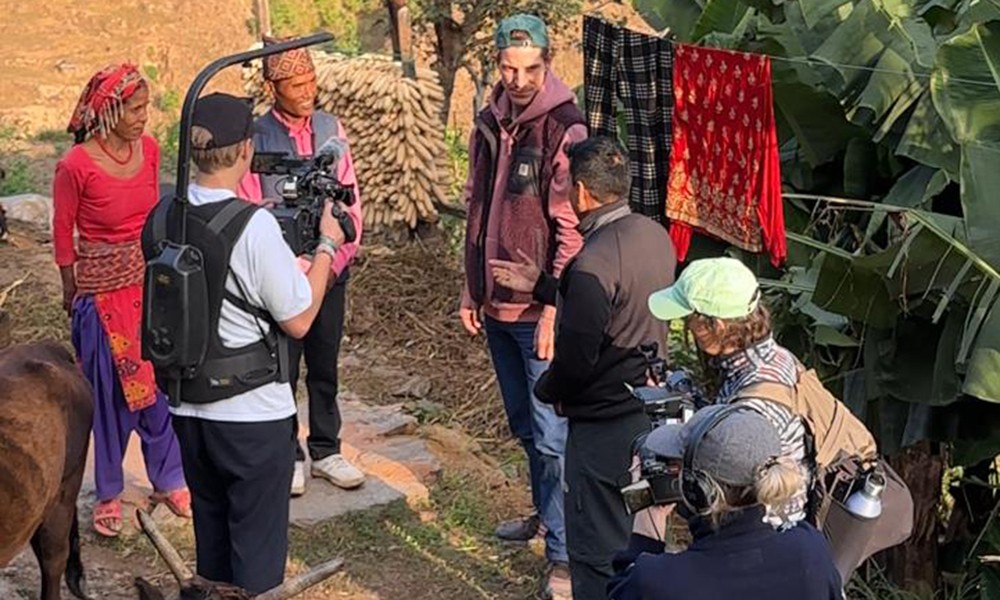
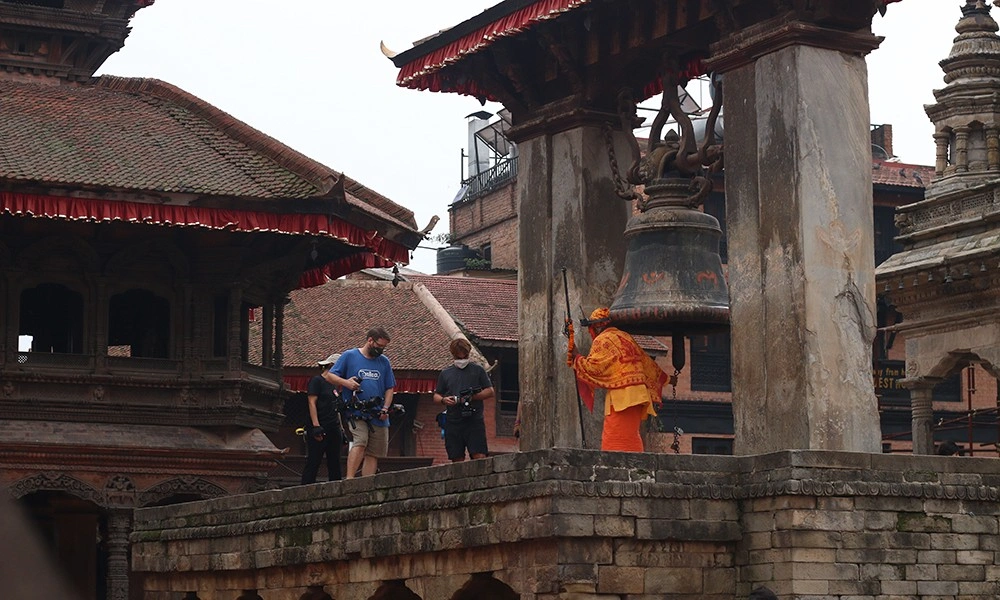
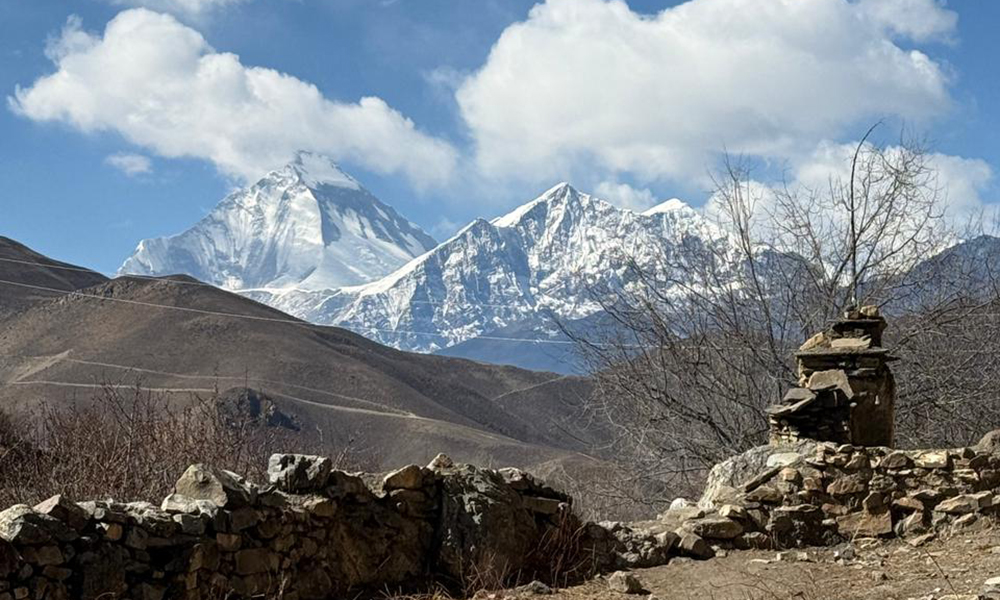
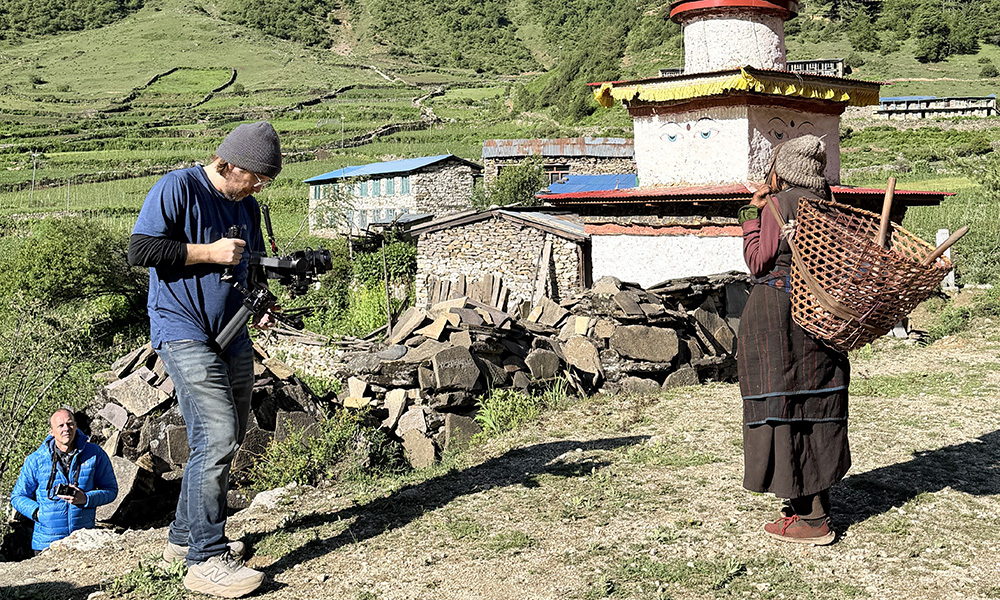
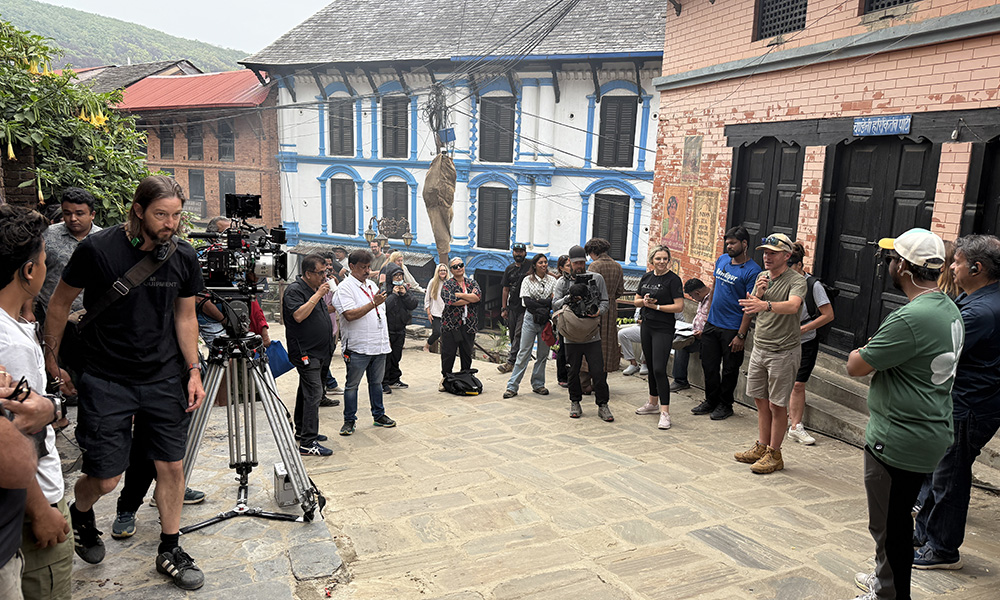
Principal photography began in May 2025 and continued into June 2025 across multiple locations. Lhamo filmed primarily at two locations during the production schedule. The first was Khumjung village in Solukhumbu at an elevation of 3,790 meters, where the production recreated the domestic world Dawa Phuti would have inhabited. The second was Patan Durbar Square in Kathmandu, transformed into 1950s Kathmandu with period-correct vehicles. Bandipur streets were shown as Darjeeling during the time of the summit. Mustang was shown as Tibet, specifically as Thanzig, the first home of Tenzing Norgay's ancestors. Location preparation for the expedition was also done at the British Embassy in Kathmandu.
The Scene That Required Five Takes
The most demanding scene for Lhamo did not involve altitude or physical hardship at all. It was a single close-up shot filmed inside a reconstructed stone house in Khumjung village. The scene shows Dawa Phuti washing her husband's shirt by hand while her young daughters play outside. She does not speak a single word during the entire sequence. The camera watches her face for 45 seconds without cutting away.
Director Jennifer Peedom wanted an expression that held both exhaustion and tenderness at the same time, without collapsing into either extreme. Lhamo filmed the scene five times to get it right. The first take showed resignation. The second showed anger. The third showed nothing at all. The fourth was technically correct but emotionally flat and unconvincing. Before the fifth take, Lhamo asked Peedom for two minutes alone in the room to gather herself. Peedom cleared the set without asking why.
When the camera rolled again, Lhamo began washing the shirt slowly and deliberately. Her jaw tightened as she worked. A single tear fell from her left eye, and she did not wipe it away. She did not change her breathing or break character. She finished the task and looked up at a point just beyond the camera lens. Peedom called a cut. Lhamo walked outside and did not speak to anyone for twenty minutes. The fifth take is the version used in the final film.
Working Without a Dialect Coach
The production did not hire a Sherpa dialect coach for the cast. The unit relied entirely on Lhamo and two local elders from Khumjung to verify every Sherpa line in the script. Lhamo corrected four lines in the final draft before filming began. One line used a Tibetan word that does not exist in Sherpa. Another placed a verb in the wrong tense. A third line was grammatically correct but would have sounded strange to a native listener from the Khumbu region. Each correction was accepted by the writing team without debate or argument.
She also recorded reference audio for Genden Phuntsok, who plays Tenzing Norgay in the film. He listened to her recordings each morning while hiking to the location for his scenes. By the third week of filming, the two actors could hold a basic conversation in Sherpa without a translator present. Peedom did not need to call for translation assistance during any of their joint scenes.
Why Thinley Lhamo Was the Right Choice for This Role
Director Jennifer Peedom had three requirements for the actor playing Dawa Phuti. She needed authentic spoken Sherpa. She needed a face that looked like it had lived a hard life at high elevation. She needed warmth that did not tip into sentimentality.
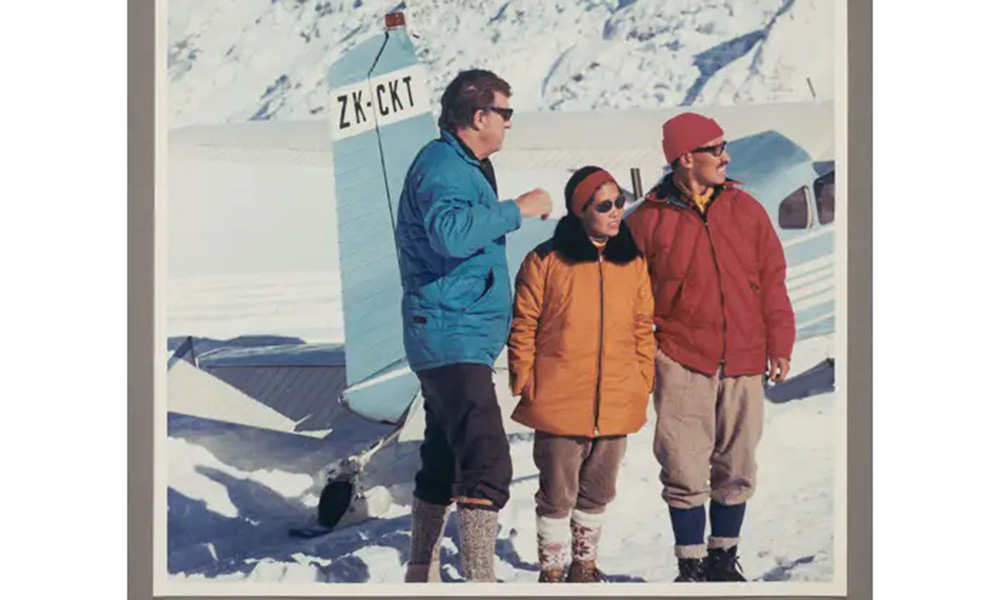
Lhamo met all three conditions without adjustment or coaching. She speaks Sherpa as her mother tongue, learned at home in Sankhuwasabha before she learned Nepali in school. Her face carries the geometry of the high Himalayas. Her hands, after two weeks of grinding barley and carrying water in Khumjung, showed the labor of a woman who had worked that land her whole life.
Peedom had spent over a decade building honest relationships inside the Sherpa community before she agreed to direct Tenzing. She understood that Dawa Phuti could not be performed from the outside by someone who did not share that world. The role required someone who carried that world inside her already. Lhamo did not need to learn it. She remembered it from her own life.
What This Role Means for Nepali Actors
Tenzing is Lhamo's first international production, and it will almost certainly not be her last. Apple Original Films distributes to more than 100 countries across every major market. The film will open in limited theatrical release on October 9, 2026, before streaming globally on Apple TV+ on October 16, 2026. That level of exposure has no precedent for a Nepali actor who had no agent eighteen months before the release date.
Also Read: Genden Phuntsok as Tenzing Norgay: The Actor Bringing a Mountaineering Legend to Life
Lhamo's casting carries weight beyond her own career and personal success. She is not a celebrity or a trained film actor. She was chosen because she could speak the language and access the emotions the role required. A major studio paid for the translation services she provided without hesitation. A major director cleared a set and waited while an actor gathered herself before a fifth take. A casting director who worked on Avengers: Endgame watched a woman perform in a language she did not understand and said yes without hesitation.
For Nepali and Sherpa performers, that sequence of events matters deeply. The door opened for Lhamo because she was exactly what the role needed at that moment. The question now is whether the industry remembers that lesson the next time a production comes to these mountains looking for faces that belong here.
The Friendship That Outlasted the Mountain
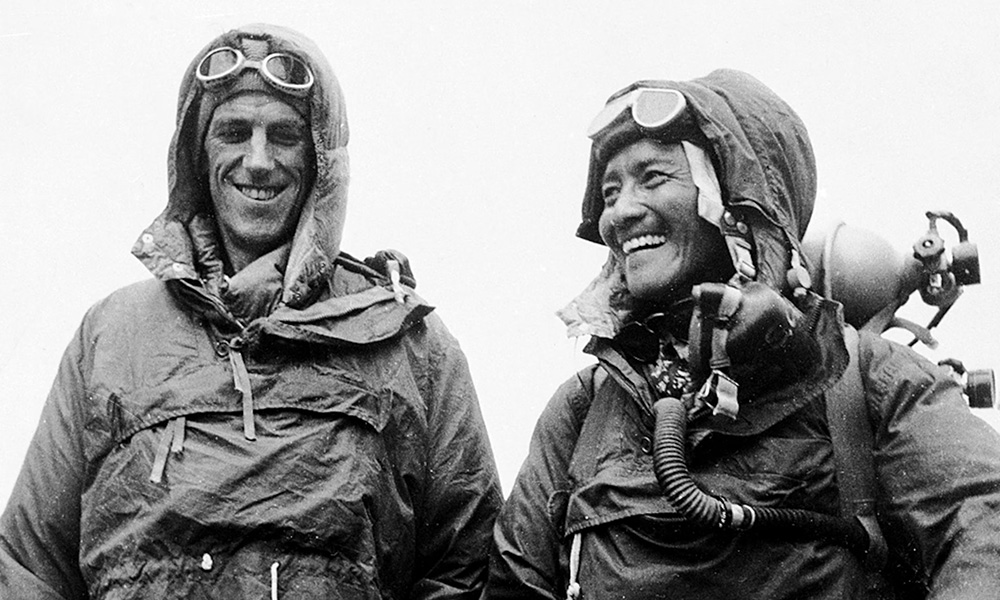
Dawa Phuti passed away before Tenzing Norgay reached the summit, but her memory remained a quiet force in the years that followed. The bond between Tenzing and Edmund Hillary did not end at the summit. It deepened over decades, and Dawa Phuti's presence continued to echo through that connection.
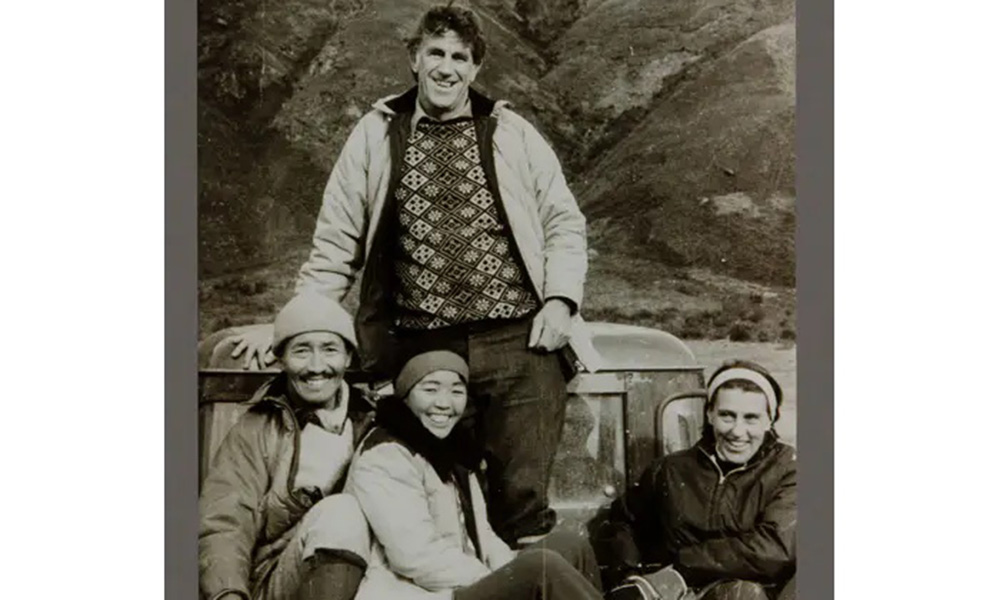
In 1971, Dawa Phuti and Tenzing Norgay visited New Zealand, where they were welcomed by Sir Edmund and Lady Louise Hillary. Photographs from that visit show the two families traveling together, sharing meals, and laughing in the back of vehicles. Dawa Phuti, affectionately known as Daku, stood alongside Hillary in several images, a quiet testament to the respect that endured between the two families.
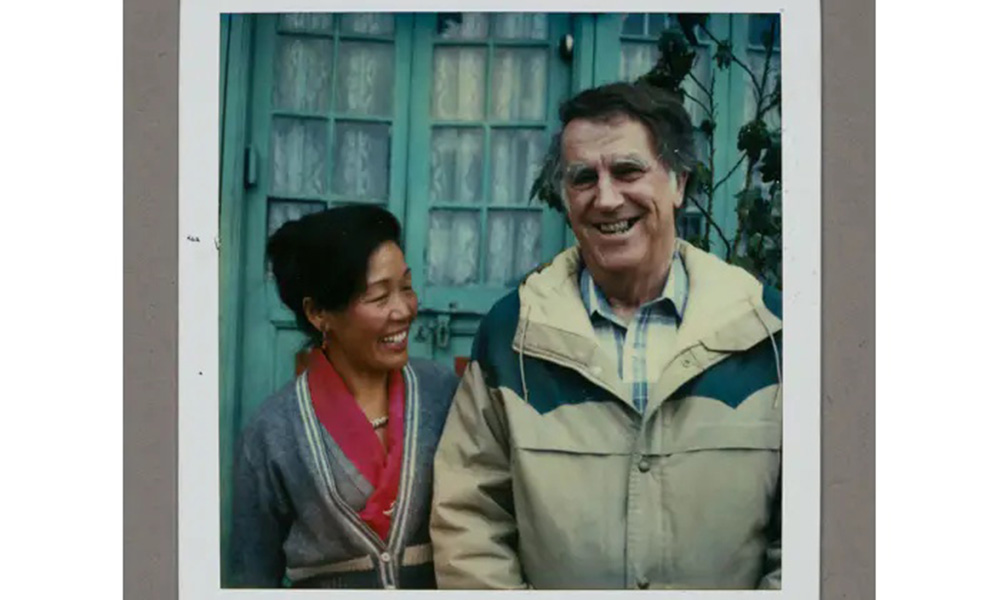
In 1975, Sir Edmund Hillary and Dawa Phuti posed together outside the Windemere Hotel in Darjeeling. The hotel was a gathering place for mountaineers and expeditions. That photograph captures a moment of quiet connection between two people whose lives were forever linked by a mountain.
These images remind us that the 1953 summit was not just a historic event. It was the beginning of a friendship that spanned decades, and Dawa Phuti's spirit remained part of that story long after she was gone.
How Wilderness Film Productions Supported the Nepal Shoot
Wilderness Film Productions served as the Location Manager for the Nepal shoot of Tenzing with full responsibility for the ground operation. At the time of filming, the work was handled by Wilderness Outdoors, our trekking and travel company that did not have a dedicated filming website. Later, we established Wilderness Film Productions as our official film company, with the same CEO managing both organizations.
Wilderness Outdoors handled all production work in Nepal, and we worked as a local production company managing logistics, permits, and all ground operations. The production chain began with See Saw, an Australian company serving as the foreign producer for the project. See Saw gave the production to India Take One Production, who then assigned all local film production in Nepal directly to Wilderness Outdoors. Why did Tenzing Productions choose India as a production supporter? It was due to Nepal's lack of experience and filming equipment. On the other hand, India had it due to the power of Bollywood and huge experience with movies such as the Oscar-nominated film Lion, written by the same writer as Tenzing.
All aerial and drone shoots were given directly to Wilderness Outdoors by Plum Productions and See Saw Productions. The aerial and drone shoots in the base camp took around two weeks and were smoothly handled by our team. A small crew from New Zealand handled the technical camera work, and the production did not lose a single day of shooting.
Location Scouting and Permits
Our work created the conditions where Lhamo and the entire cast could focus on performance rather than logistics throughout the production. We secured filming permits for Patan Durbar Square in Kathmandu, a UNESCO World Heritage site requiring approvals from three separate government agencies. That process took eleven weeks to complete. We also secured permits for Khumjung village in Solukhumbu and four additional restricted locations across Nepal, nine primary filming locations in total.
Local Crew and Logistics
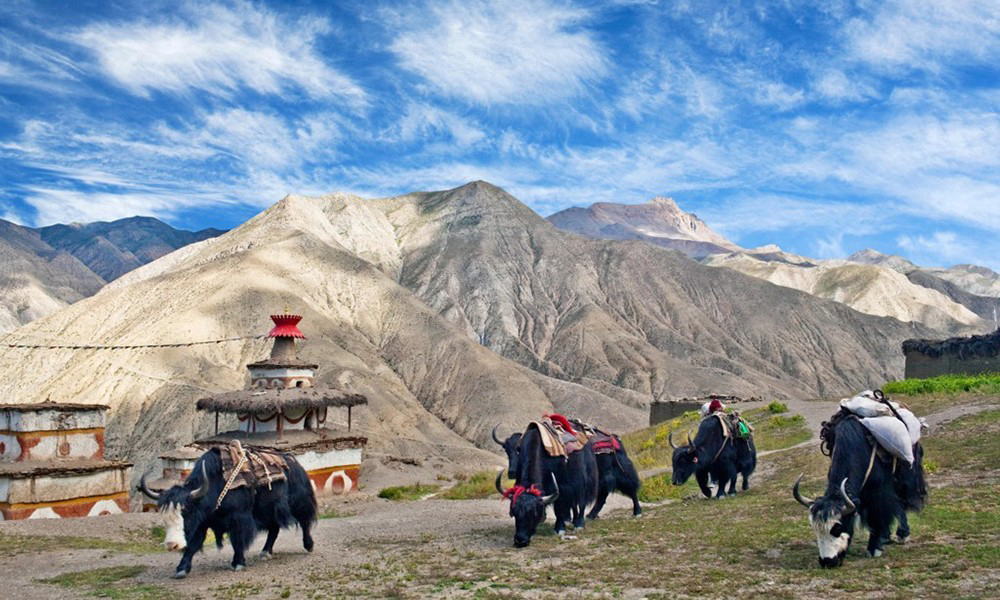
We managed location logistics at Khumjung at 3,790 meters elevation, coordinating with local village authorities and the Sagarmatha National Park office. We arranged accommodation for 120 crew members using guest houses and temporary tents across multiple locations. We hired and supervised 45 local crew members, including Sherpa guides, porters, cooks, and drivers. We provided Sherpa and Nepali translation for script readings, location negotiations, and on-set communication throughout the production.
We also provided equipment support during the Nepal shoot, assisting with local gear needs and logistical coordination. The main camera equipment, lighting, and sound gear were brought by the production team from overseas, and our team ensured they were transported safely to every location.
High Altitude Medical Support
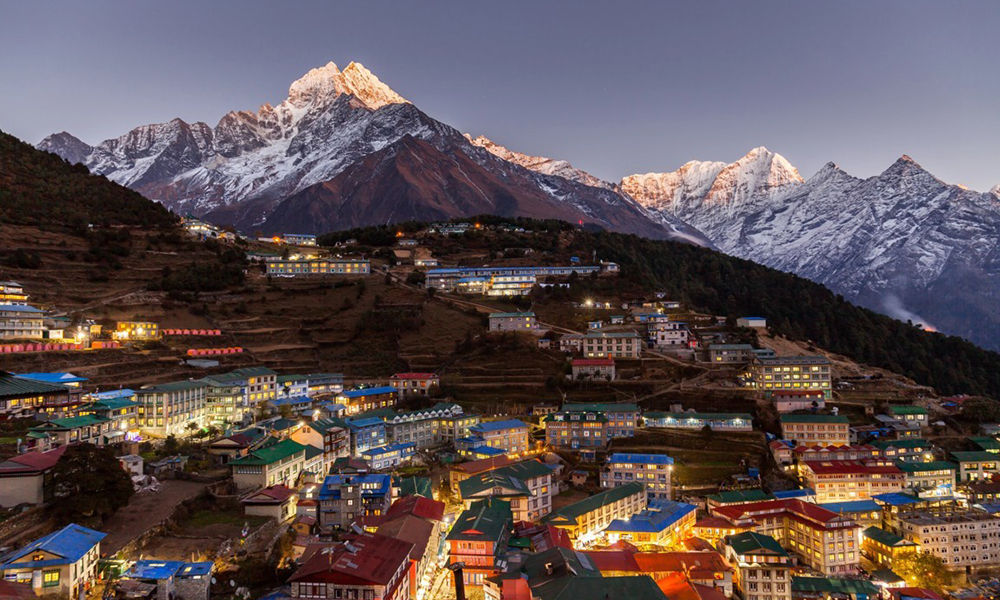
We stationed certified high altitude medical teams at every location above 3,500 meters to monitor everyone. Those teams monitored all cast and crew throughout the shoot and managed several cases of altitude sickness without disrupting the production schedule. When weather forced a last-minute location change at Namche Bazaar, our team negotiated new access with local village authorities, secured heritage approval from Sagarmatha National Park, and coordinated 35 local porters to move all equipment up the trail. The entire operation was completed within 72 hours, and the production lost zero shooting days.






Latest Comments