

Published by Wilderness Film Productions.
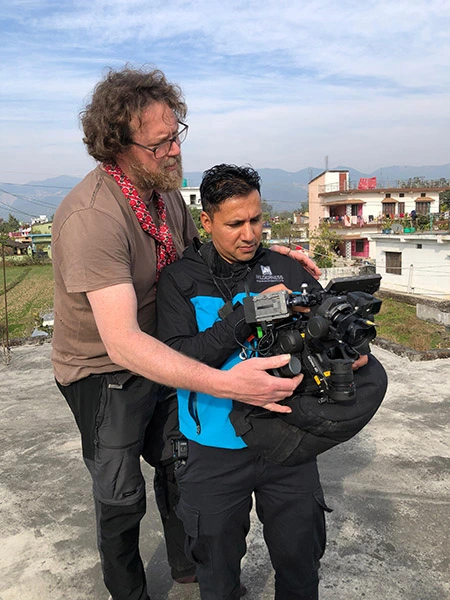
We served as the Location Manager for the Nepal shoot of Tenzing (2026).
Introduction
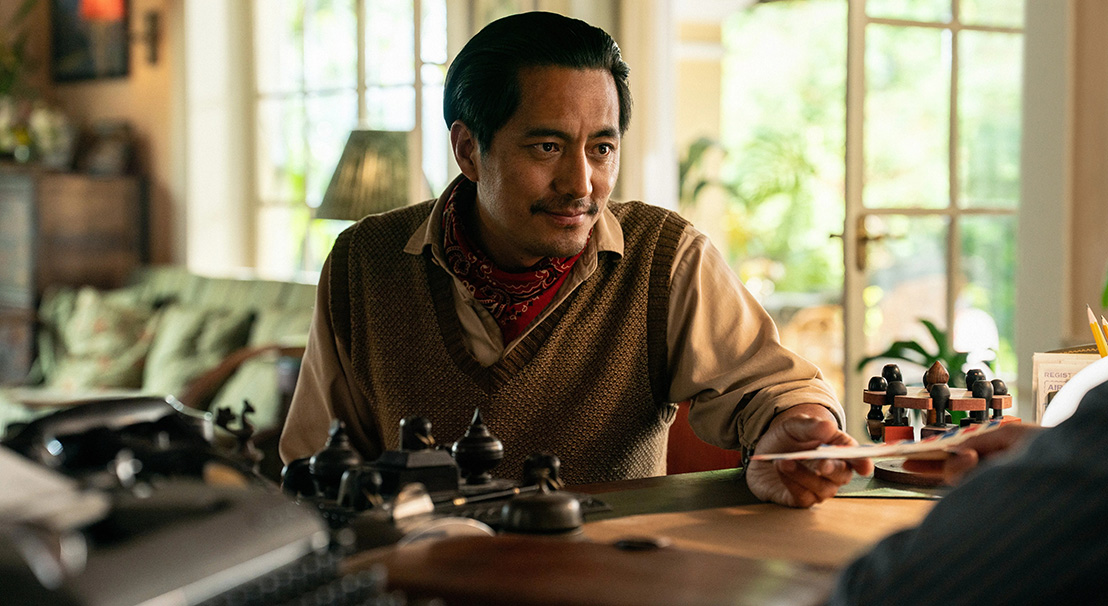
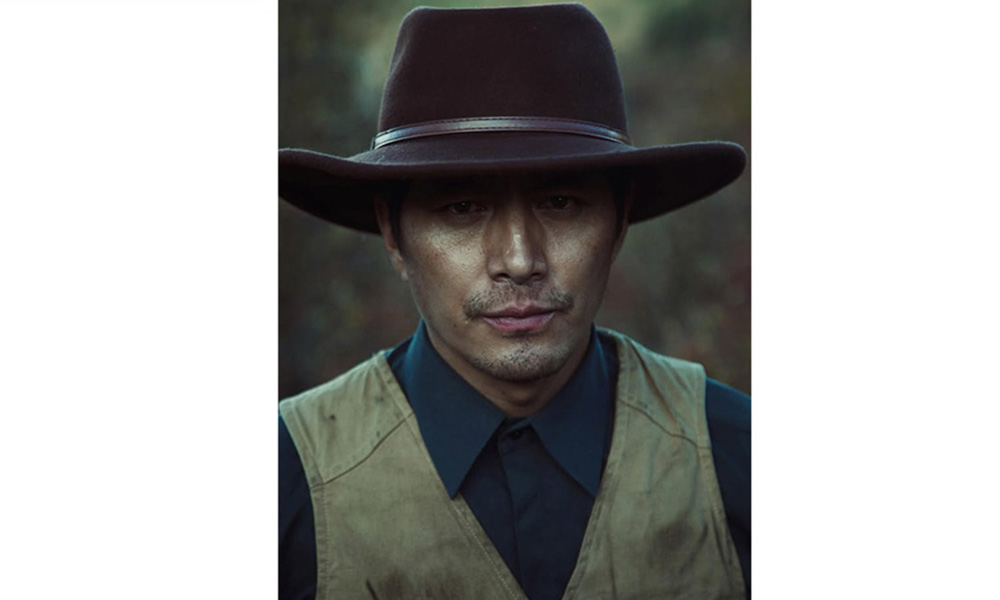
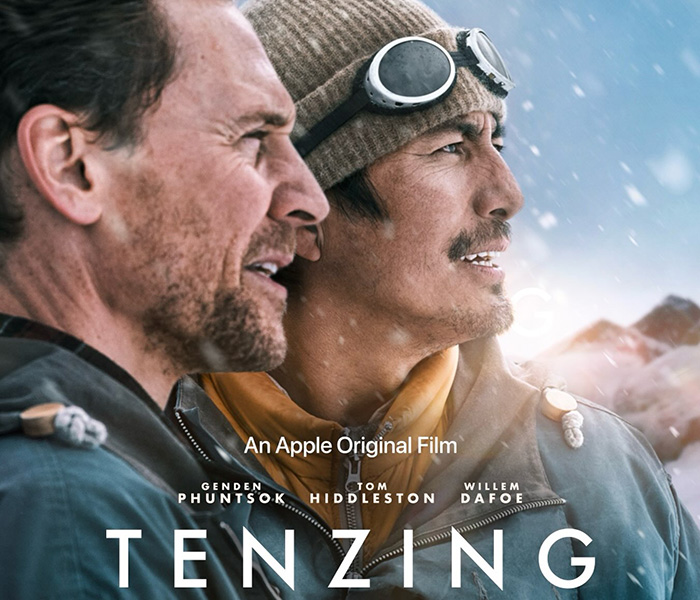
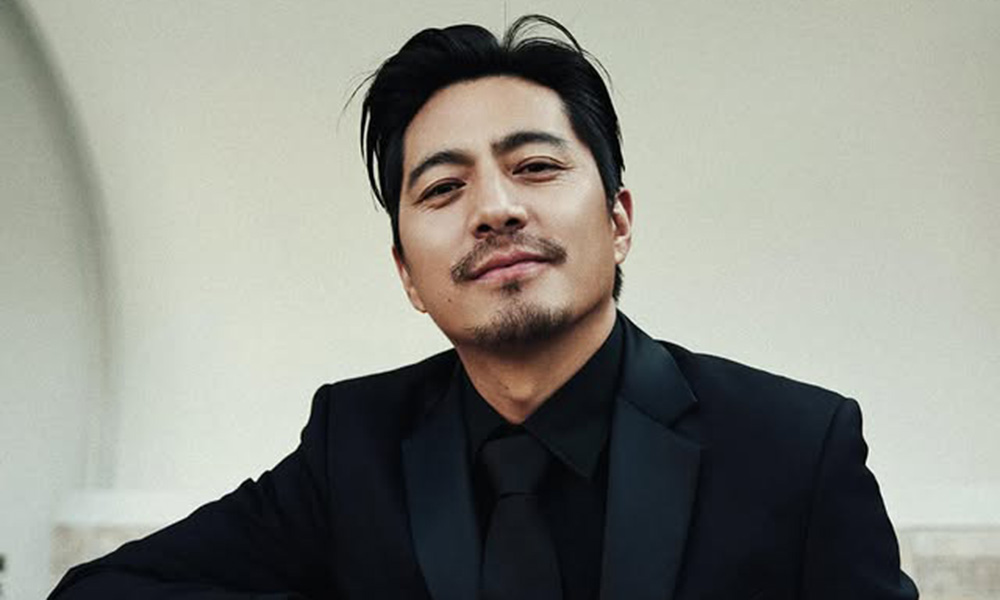
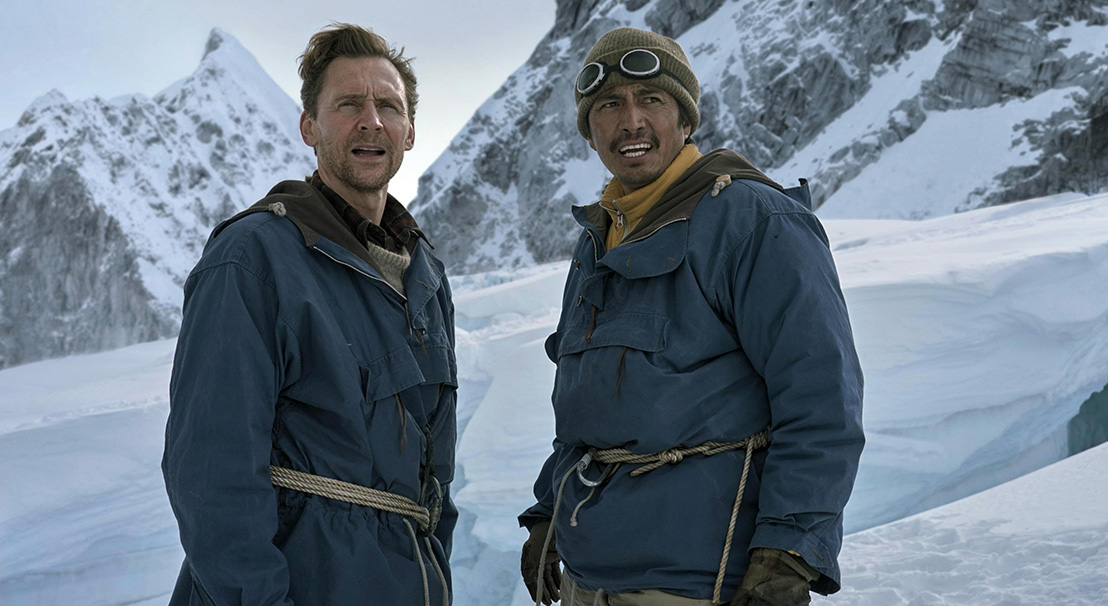
Casting the actor who plays Tenzing Norgay was always going to define this film's authenticity, its cultural honesty, and its reception across the world. The production reviewed more than 300 candidates across Nepal, India, and Tibet before making its final decision on who would carry this role. They selected Genden Phuntsok, a Tibetan actor from Ganzi, Sichuan Province, known internationally by the nickname Jinpa from his previous film work. He was 39 years old when principal photography began in May 2025 in the Khumbu Valley of Nepal.
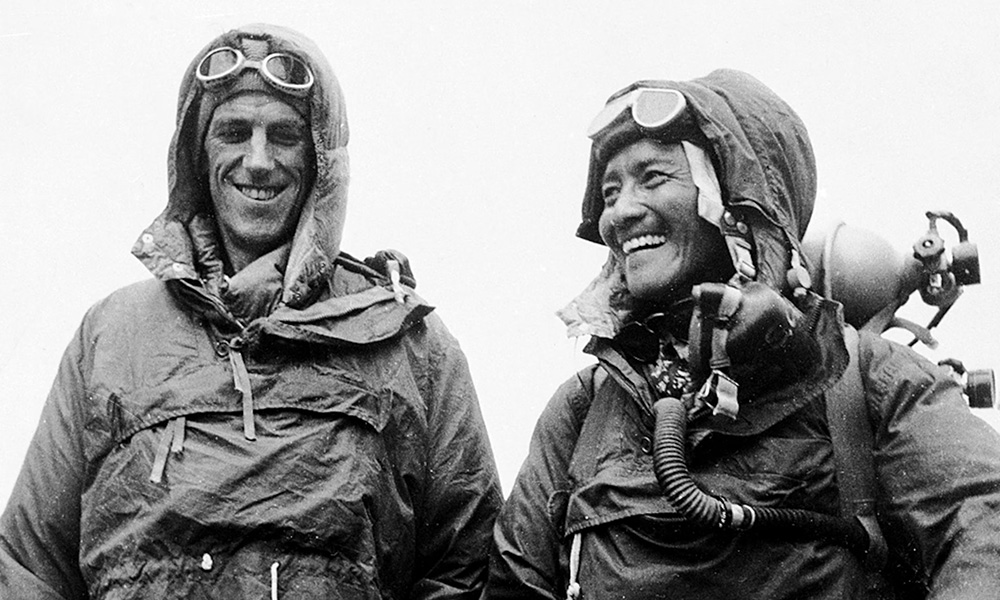
The search was not about finding a famous face but about finding the right person for this specific role. Tenzing Norgay summited Everest on his sixth attempt alongside Edmund Hillary on May 29, 1953, and that story had never been told from the Sherpa perspective on a global stage. The actor chosen to carry it needed to understand the mountain before he understood the script or the camera placement. Phuntsok understood both the mountain and the culture that surrounded it in ways that surprised even the production team.
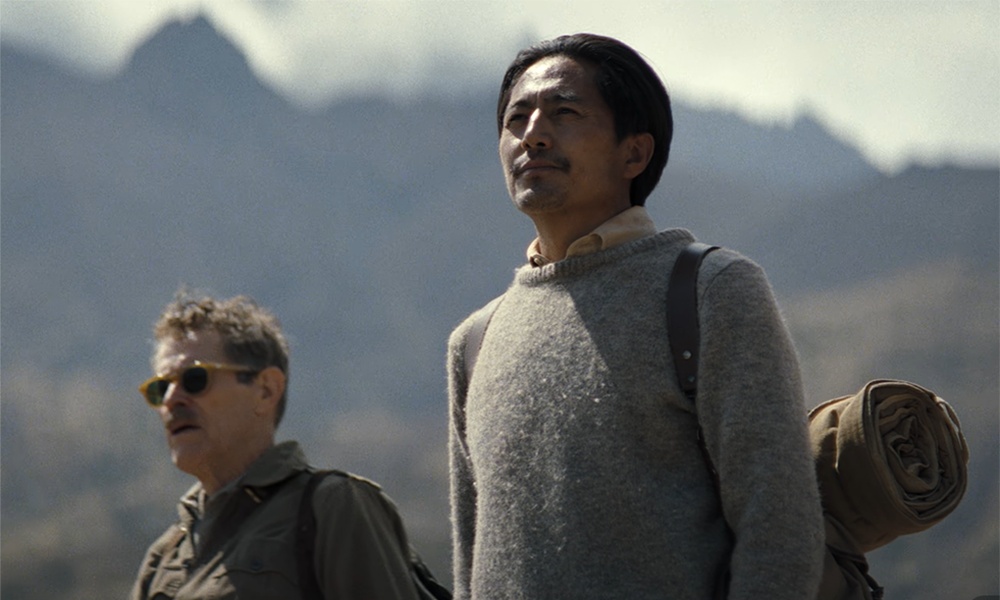
He had appeared in an Academy Award-nominated short film and had won at the Venice Film Festival for his previous work. He had spent two months hiking above 3,500 meters in his home region before arriving in Nepal for the production schedule. When Norbu Tenzing, the son of Tenzing Norgay, spoke with him in Tibetan on set in Kathmandu, he walked away and said three words that defined everything. He said that Phuntsok understood his father completely.
This blog explores everything you need to know about Genden Phuntsok, the Tibetan actor cast as Tenzing Norgay in Apple Original Films' Tenzing (2026). We cover his career, the cast and creative team behind the film, and the behind-the-scenes realities of shooting in Nepal. We also explain how Wilderness Film Productions supported the production as the official Location Manager for the Nepal shoot.
Executive Summary: Key Takeaways
- Who is Genden Phuntsok?
A Tibetan actor from Ganzi, Sichuan Province, China. He was born on October 27, 1985. - What is his most famous role?
He played a hitchhiking killer in Jinpa (2018), which won Best Screenplay at the Venice Film Festival Horizons section. - What is his Oscar connection?
He appeared in The Butter Lamp, nominated for Best Live Action Short Film at the 87th Academy Awards in 2015. - Who does he play in Tenzing 2026?
The title role of Tenzing Norgay, the Sherpa who summited Everest on his sixth attempt alongside Edmund Hillary. - Who else is in the cast?
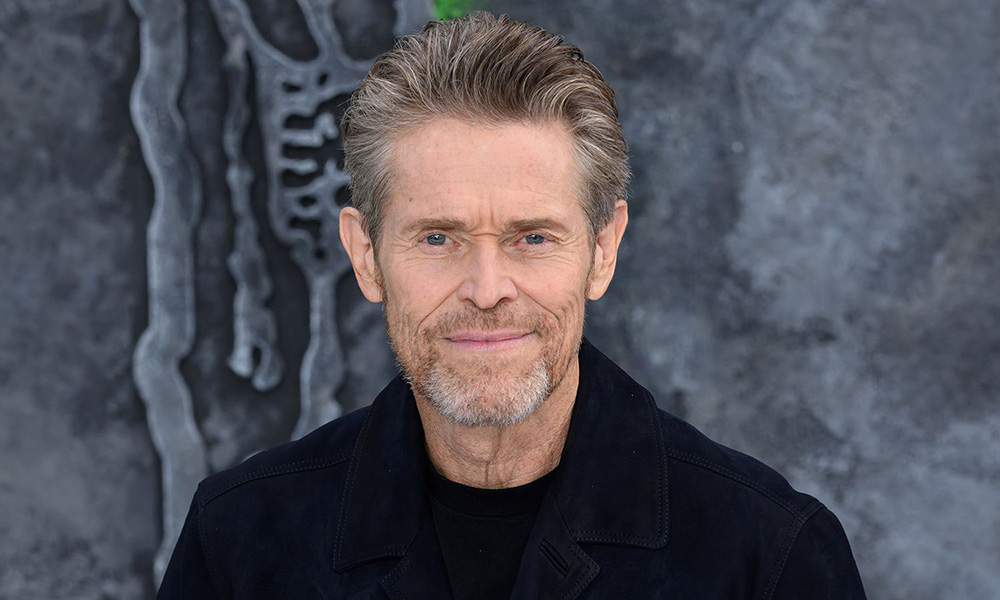
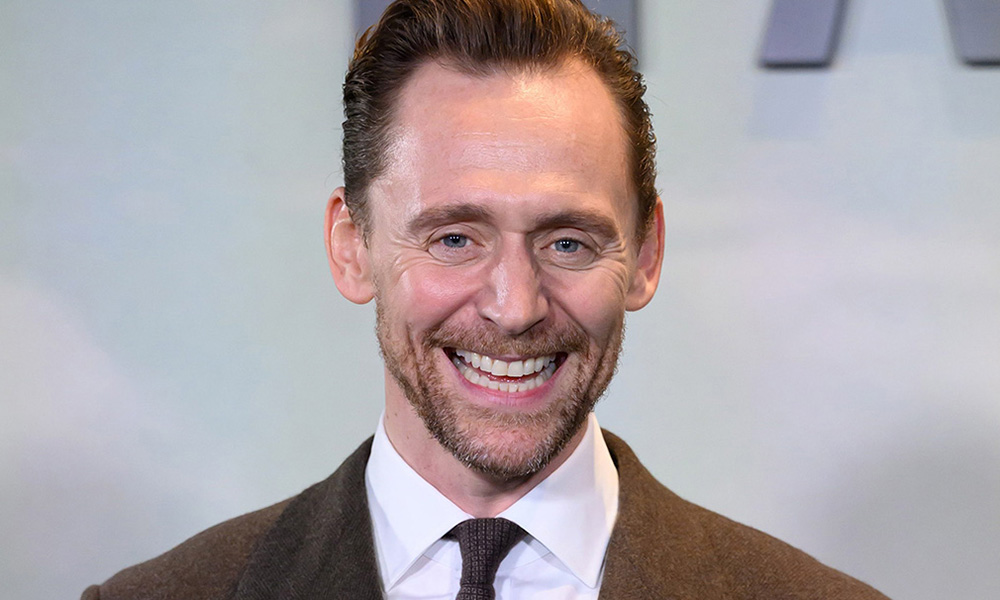
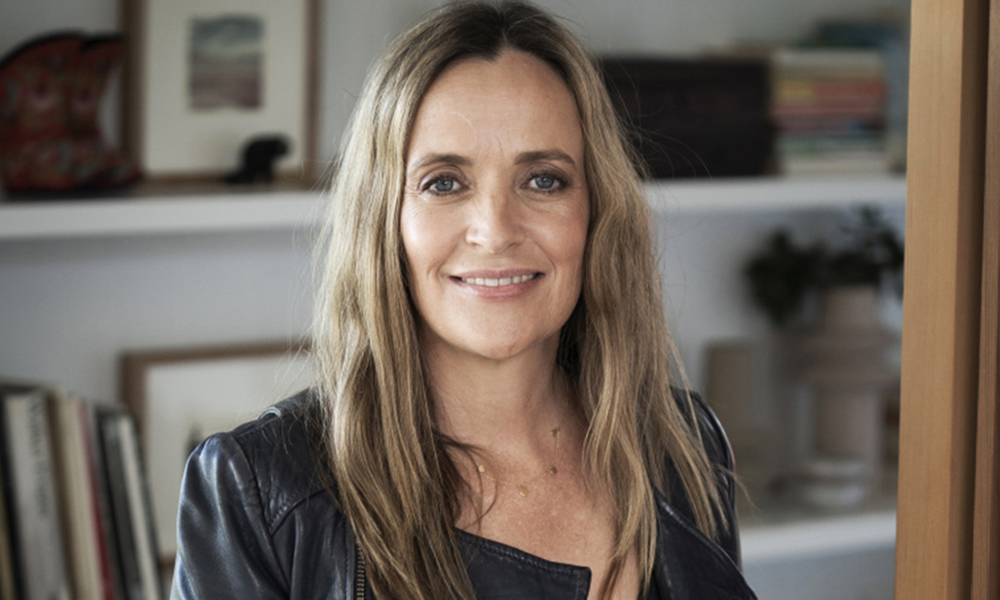
Tom Hiddleston plays Edmund Hillary. Willem Dafoe plays Colonel John Hunt. Caitríona Balfe plays Jill Henderson. Thinley Lhamo plays Tenzing's wife, Dawa Phuti. Tenzin Dalha has also joined the cast in a pivotal role. - Where was Tenzing filmed in Nepal?
Patan Durbar Square, Jomsom, Bandipur, Sindhupalchok, and Khumjung village in Solukhumbu. - What role did Wilderness Film Productions play?
We served as the Location Manager for the Nepal shoot, securing permits and managing on-ground logistics. The production lost zero shooting days. - When will Tenzing be released?
Tenzing will premiere in select theaters on October 9, 2026, and debut globally on Apple TV+ on October 16, 2026.
Who Is Genden Phuntsok? Biography and Early Life
Birth and Cultural Background
Genden Phuntsok was born on October 27, 1985, in Ganzi, Sichuan Province, China, a region shaped by high altitude and Buddhist tradition. Ganzi sits in the eastern reaches of the Tibetan Plateau, a region of high passes, Buddhist monasteries, and communities that have lived at altitude for generations. By nationality, he is Chinese, but by ethnicity, culture, and language, he is Tibetan through and through.
Language Skills and Physical Preparation
He speaks Tibetan and Mandarin Chinese fluently, and his work on international productions has required him to communicate effectively in English. His physical build is tall and athletic, which mattered for a role requiring months of high-altitude production work in challenging conditions. He turned 40 in October 2025, midway through post-production on the film, marking a new chapter in his career.
Also Read: Tenzing (2026): The Untold Story of the Man Who Conquered Everest
A location scout discovered him in Ganzi while working on an unrelated project in the region. Phuntsok had no formal acting training before that meeting and had never studied the craft in any institution. He had worked in his local community in various capacities, as many men from his region do to support their families. That chance encounter redirected the next two decades of his life toward a mountain he already knew by name, by story, and by the direction of the wind.
The Moment He Learned He Was Cast
When Phuntsok received word that he had been cast as Tenzing Norgay, he was hiking alone in the mountains outside Ganzi without any phone reception. His personal assistant reached him by phone after hours of trying, and according to that assistant, Phuntsok sat on a rock for nearly ten minutes without speaking. When he finally responded, he said, "I will need to walk in his footsteps. Literally and completely."
Related Articles: Thinley Lhamo: The Nepali Actor Bringing Tenzing Norgay's Wife to Life
He then asked the production to arrange a trek through the Khumbu Valley before filming began for his own preparation. He did not describe the request as research or method acting preparation. He called it a pilgrimage to honor the man he would portray on screen. The production approved it without discussion or hesitation.
Genden Phuntsok Movies and Career Highlights
Early Career in Tibetan Cinema
Phuntsok made his acting debut in the late 2000s through small productions that few outside his region noticed. His career built slowly through Tibetan language films that found audiences at international festivals long before they found mainstream distribution anywhere else. Each project deepened his reputation within Asian cinema without delivering the global platform that Tenzing now provides for his work.
Academy Award Nomination for The Butter Lamp
His first major international exposure came in 2015 when The Butter Lamp, a short film featuring Phuntsok as a rugged Khampa man named Moonlight, was nominated for an Academy Award. That nomination came in the Best Live Action Short Film category at the 87th ceremony, and it marked the first time many international audiences encountered his face on screen. The nomination opened doors that had been closed to Tibetan actors for decades.
Venice Film Festival Win for Jinpa (2018)
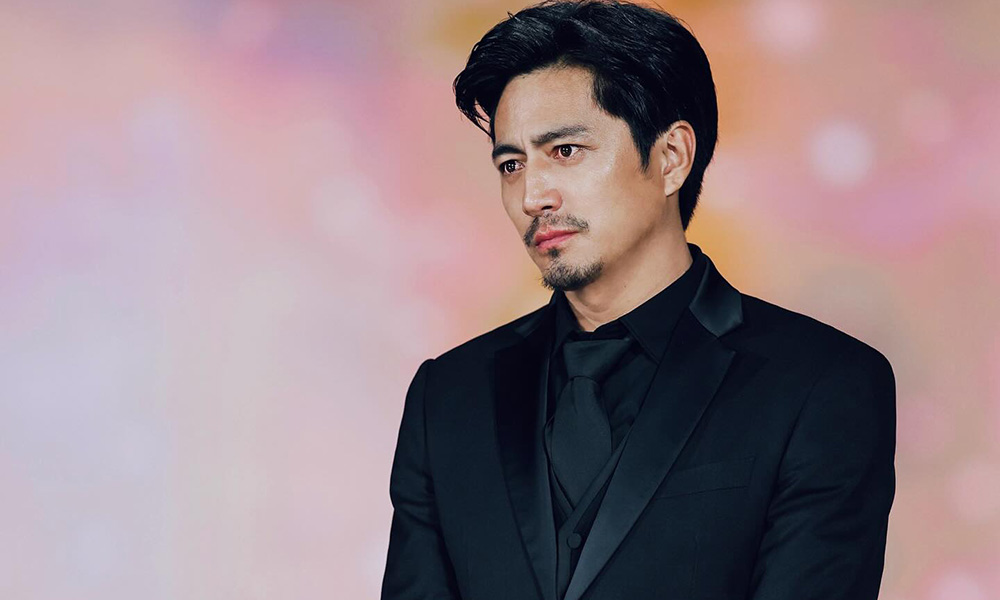
Jinpa (2018) remains his most recognized work outside China and gave him his enduring nickname. Directed by the late Pema Tseden, a celebrated Tibetan filmmaker, the film follows a truck driver who picks up a hitchhiker seeking revenge for his father's murder. Phuntsok played the hitchhiker with a quiet intensity that critics praised across multiple festivals. The film won Best Screenplay in the Horizons section at the Venice Film Festival, and the role gave him a nickname that followed him to the Tenzing set. Crew members and cast alike called him Jinpa throughout the Nepal shoot.
Also Read: Tom Hiddleston Plays Edmund Hillary in Tenzing (2026)
Other Notable Films and Television Work
He appeared in Paths of the Soul (2016), which premiered at the Shanghai International Film Festival to strong reviews. He starred in The Wind (2020), which premiered at the Busan International Film Festival and expanded his reputation across Asia. His television work includes City of Sunlight (2024), a series broadcast across China that reached millions of viewers. Each project deepened his reputation within Asian cinema without delivering the global platform that Tenzing now provides.
The Cast of Tenzing 2026
The film surrounds Phuntsok with actors who carry significant industry weight and international recognition. Tom Hiddleston plays Edmund Hillary, the New Zealand mountaineer who partnered with Tenzing on the final summit push in 1953. Willem Dafoe plays Colonel John Hunt, the English expedition leader who organized the 1953 British team with precision and care.
Caitríona Balfe plays Jill Henderson, a close associate of Tenzing who supported his post-summit career in London and Nepal. Thinley Lhamo, a Nepali actor based in Kathmandu, plays Dawa Phuti, Tenzing's first wife, who shared his early struggles. Lhamo was cast for her fluency in the Sherpa language and her understanding of the culture. Tenzing is her second feature film. Tenzin Dalha has also joined the cast in a pivotal role, having previously appeared alongside Thinley Lhamo in the Nepali film Shambhala.
International Star Power and Preparation
Hiddleston is known internationally for his role as Loki across the Marvel Cinematic Universe and for his performance in The Night Manager. Dafoe has received four Academy Award nominations across a career spanning four decades and multiple genres. Balfe earned a Golden Globe nomination for Outlander and appeared in Kenneth Branagh's Belfast alongside an ensemble cast. All three arrived in Nepal and spent their first week at altitude learning to breathe before learning their lines for the production. Phuntsok was already acclimatized to the elevation and had been waiting for them.
You May Also Read: Willem Dafoe Joins Tenzing (2026) as Colonel John Hunt
The creative team carries equal weight with the cast and brings their own expertise to the project. Jennifer Peedom directs with the authority of someone who knows the mountain intimately. Luke Davies, nominated for an Academy Award for his screenplay for Lion, wrote the script with attention to historical detail. See Saw Films produces, with Liz Watts, Emile Sherman, and Iain Canning leading the team alongside Desray Armstrong, Peedom, and Davies. Simon Gillis, David Michôd, and Norbu Tenzing serve as executive producers with personal stakes in the story.
Why Genden Phuntsok Was Cast in This Role
A Different Approach to Sherpa Casting
Previous productions set in the Himalayas cast non Asian actors in Sherpa roles, sometimes with heavy makeup and exaggerated accents. Others cast Nepali actors who did not share Tenzing's Tibetan cultural background or his specific community ties. This production took a different approach that reflected a deeper understanding of the culture and its history.
Cultural Authenticity and Shared Heritage
Phuntsok comes from a community shaped by altitude, Buddhist tradition, and deep reverence for the mountains that surround his homeland. Tenzing Norgay came from a similar world where the mountain was not a challenge but a sacred presence. The Tibetan name for Everest is Chomolungma, and the Sherpa name carries the same root meaning of mother of the world. That shared language of respect for the mountain is not something a script can supply to an actor who does not carry it naturally.
Jennifer Peedom's Relationship With the Sherpa Community
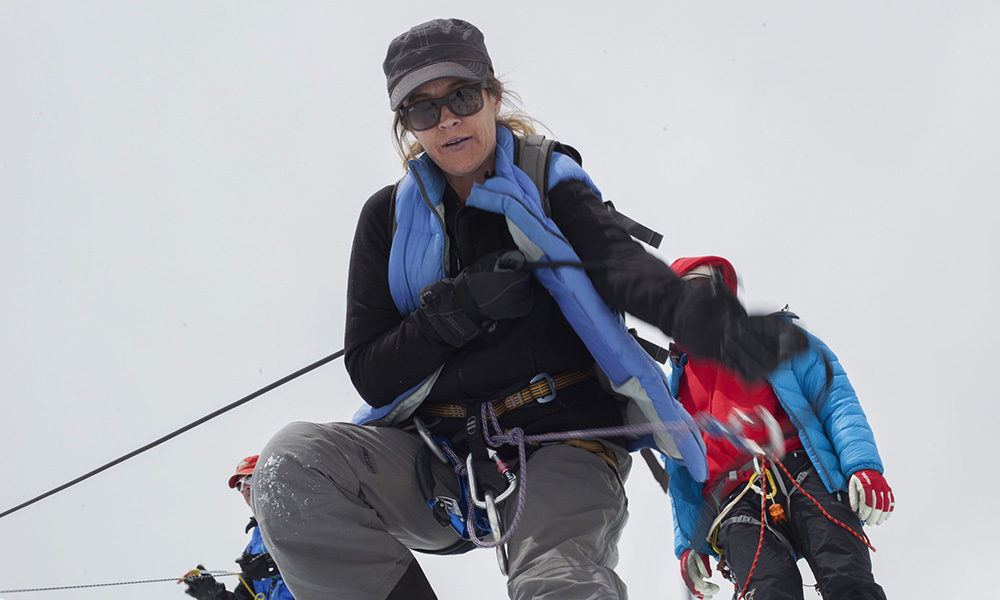
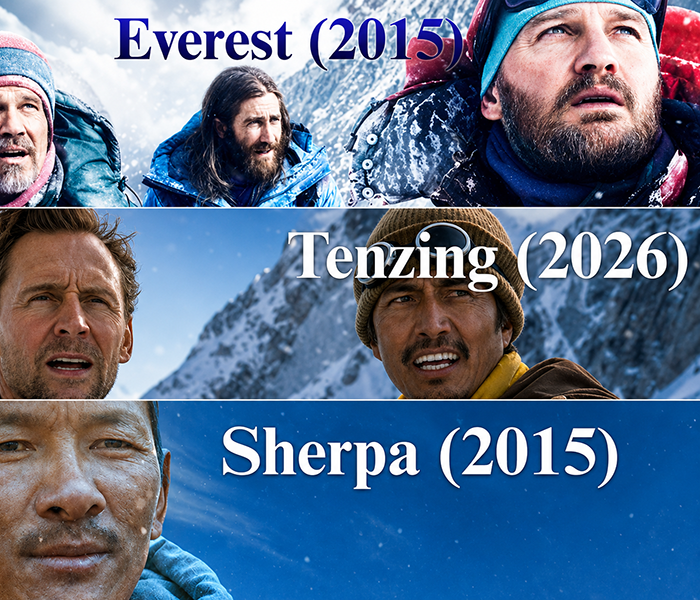
Director Jennifer Peedom had spent over a decade building relationships inside the Sherpa community before she agreed to direct Tenzing. She had made Sherpa (2015), screened it in Khumjung village for the families of men who died on the mountain, and returned to Nepal because those communities trusted her. She understood that the actor playing Tenzing needed to come from the same cultural world as the man himself.
Related Articles: Jennifer Peedom Directs Tenzing (2026) After Making the Definitive Sherpa Documentary
Norbu Tenzing Approval and Family Trust
Norbu Tenzing had rejected multiple film proposals before this one arrived with the right team. He wanted a filmmaker who would not reduce his father to a supporting character in a colonial expedition story written by outsiders. He wanted an actor who would not perform the Sherpa identity from the outside without understanding it internally. When he spoke with Phuntsok in Tibetan on set in Kathmandu, he was not making small talk or socializing. He was deciding whether his father would be treated honestly on screen. He walked away satisfied.
Behind the Scenes: What Happened During Filming in Nepal
The following accounts come from interviews with production crew members present during the Nepal shoot. Some details have been reconstructed from multiple sources to ensure accuracy.
Principal photography began in May 2025 and continued into June 2025 across multiple locations in Nepal.
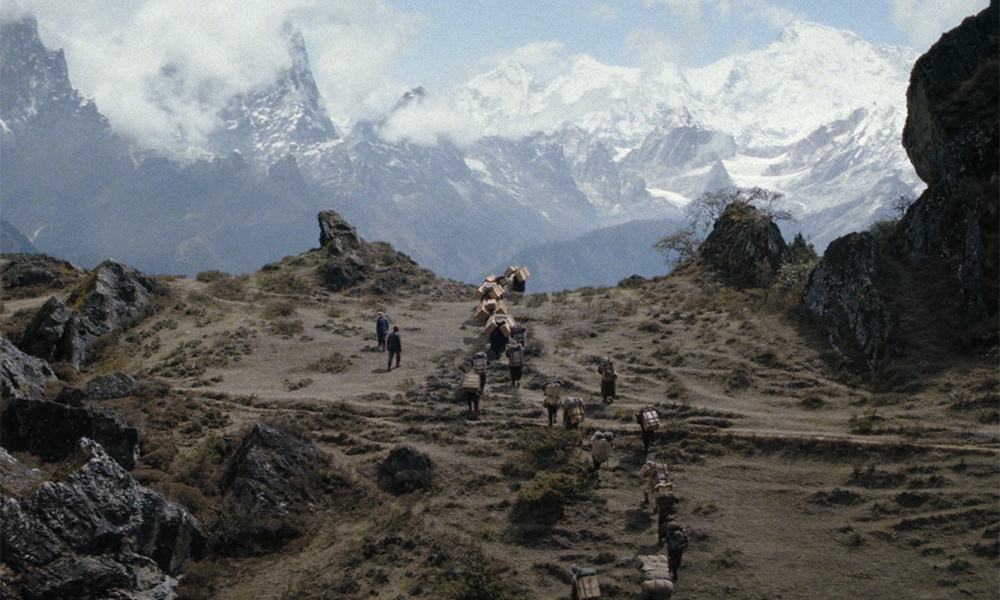
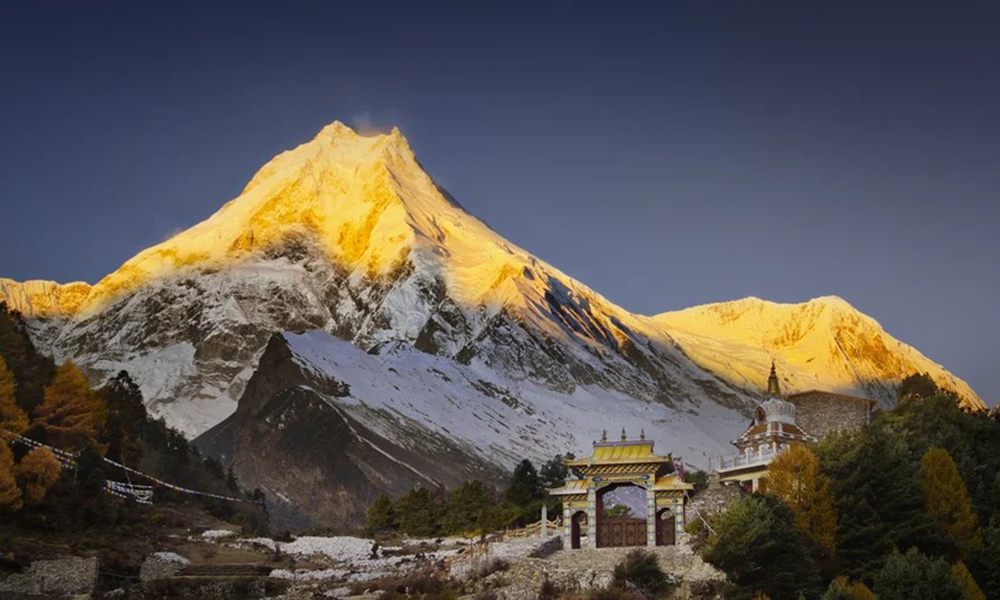
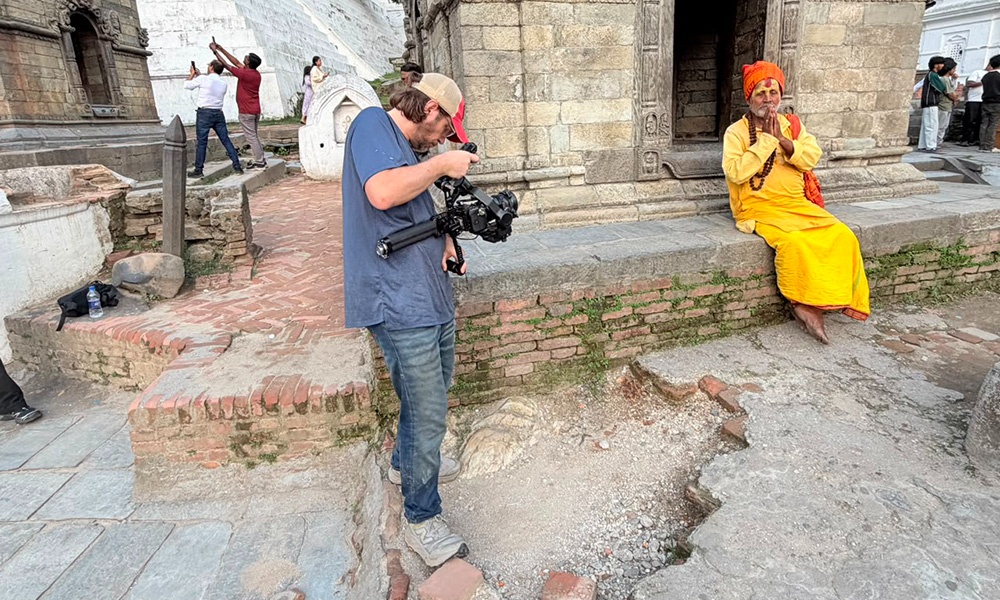
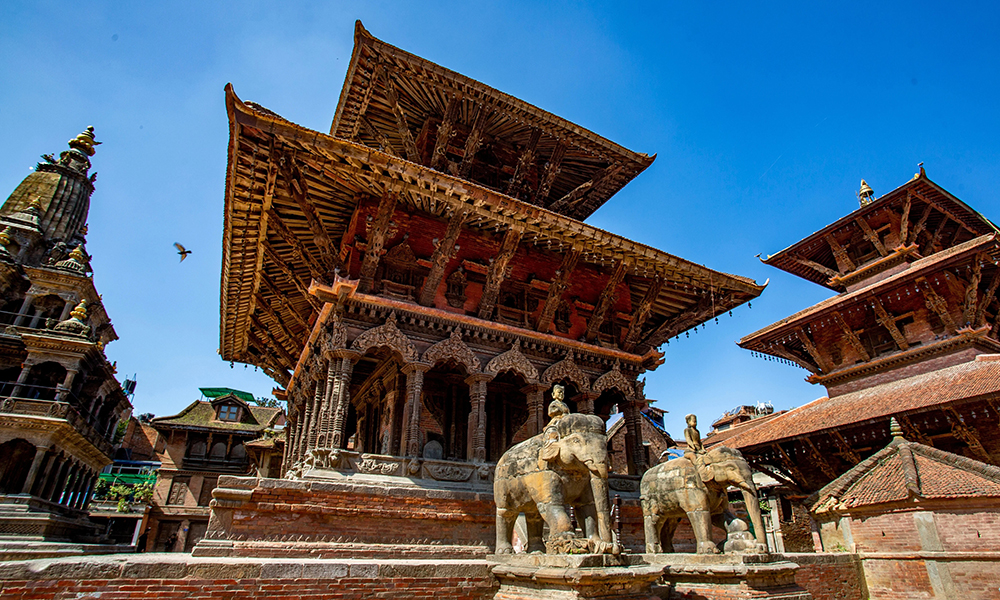
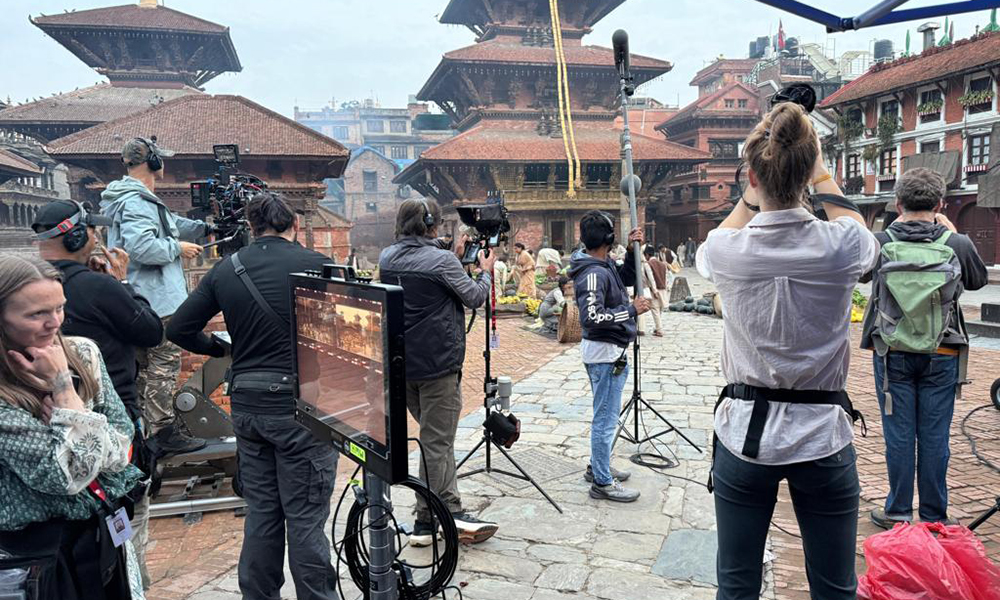
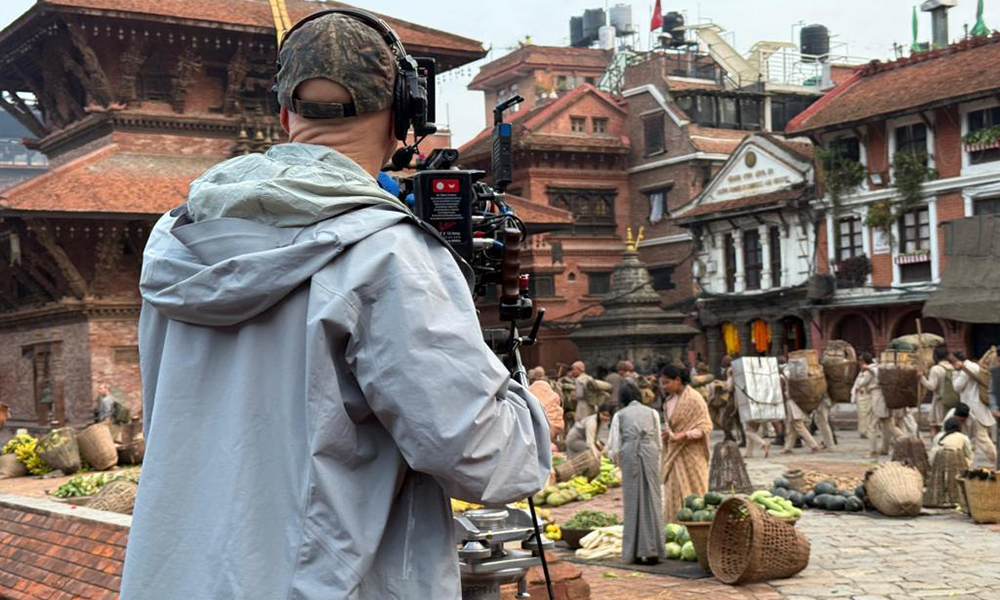
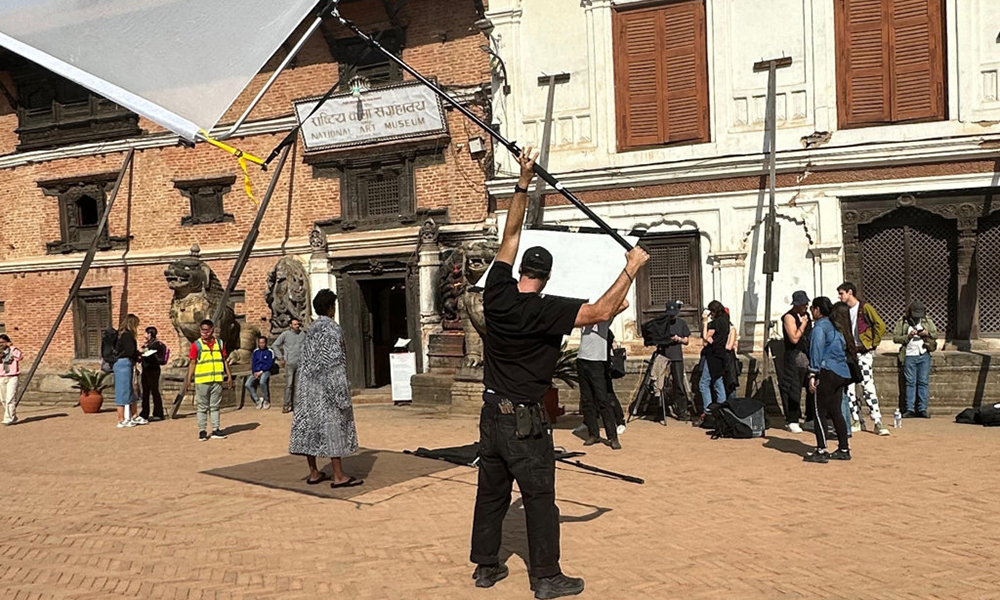
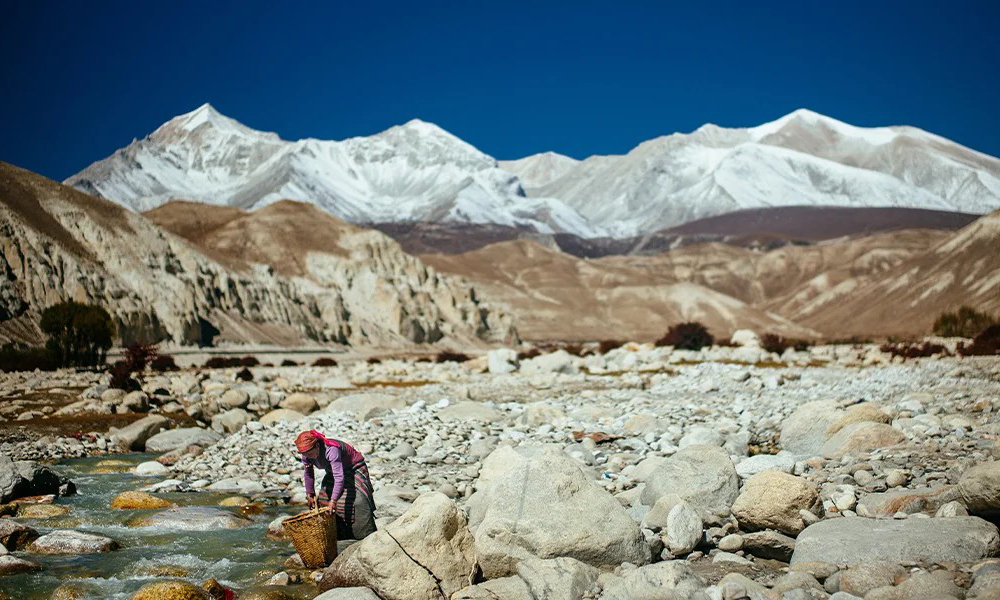
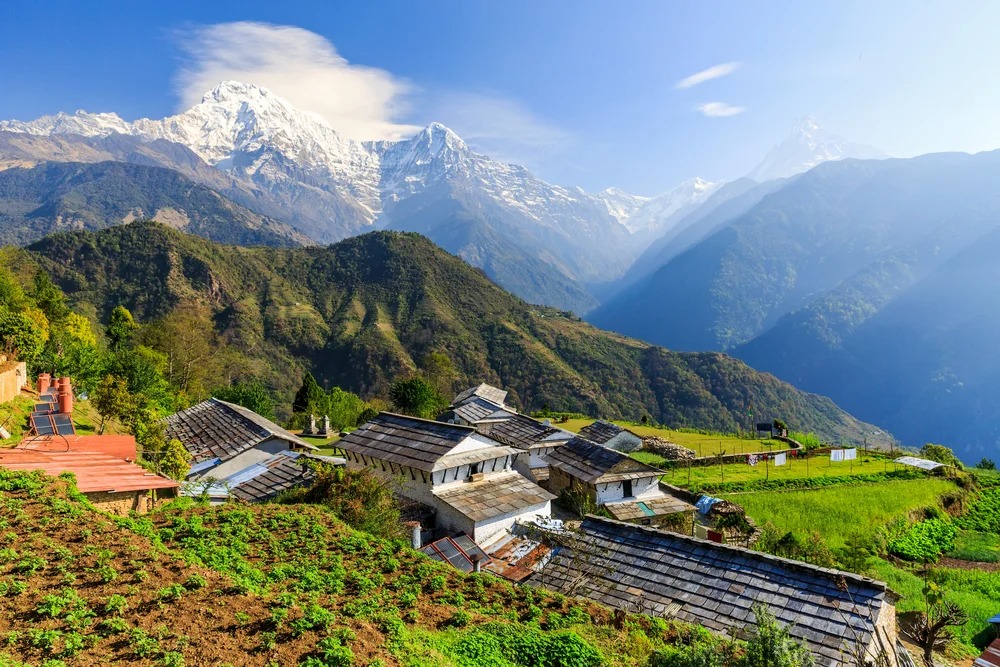
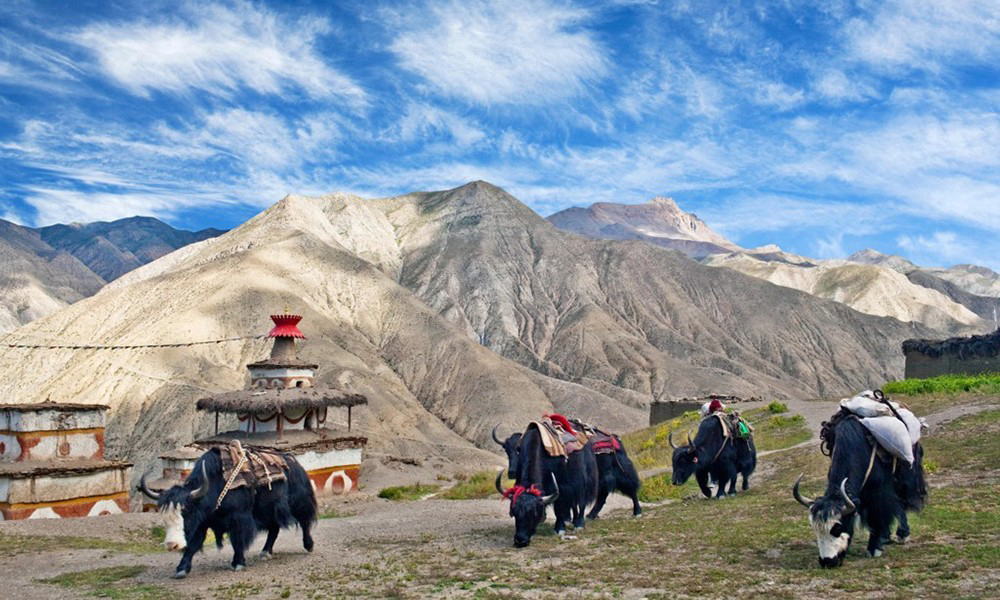
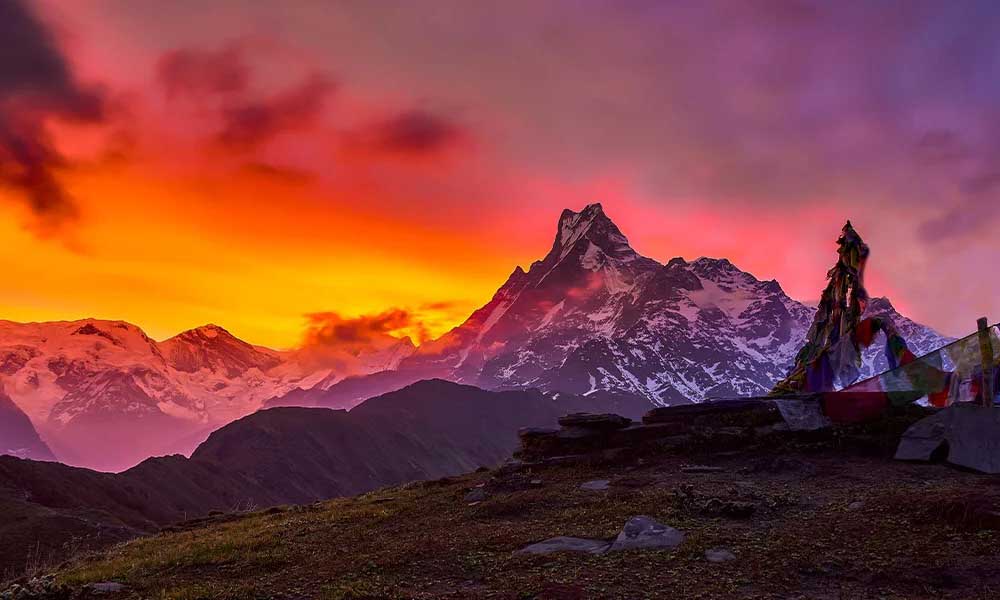
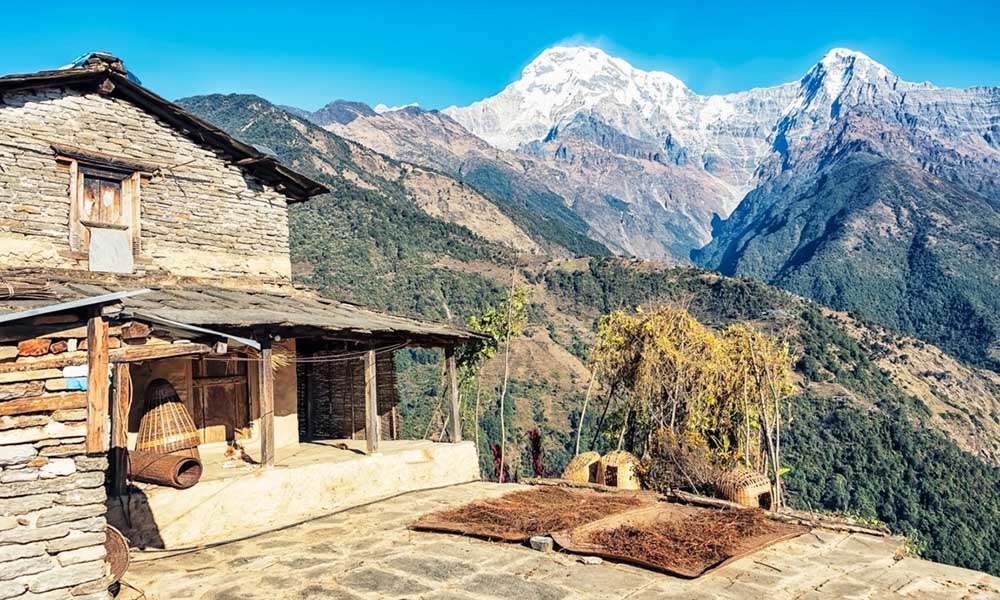
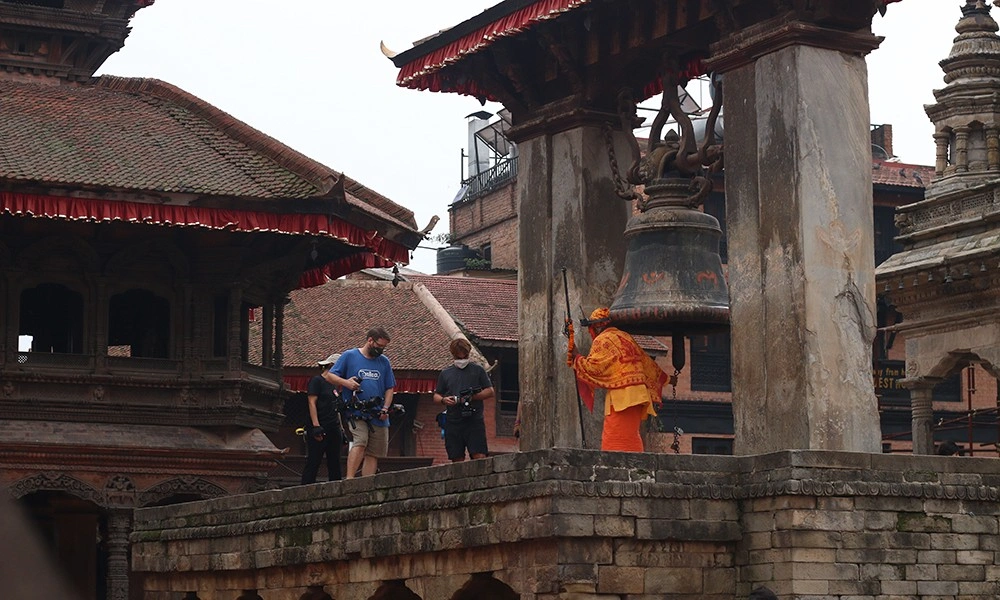
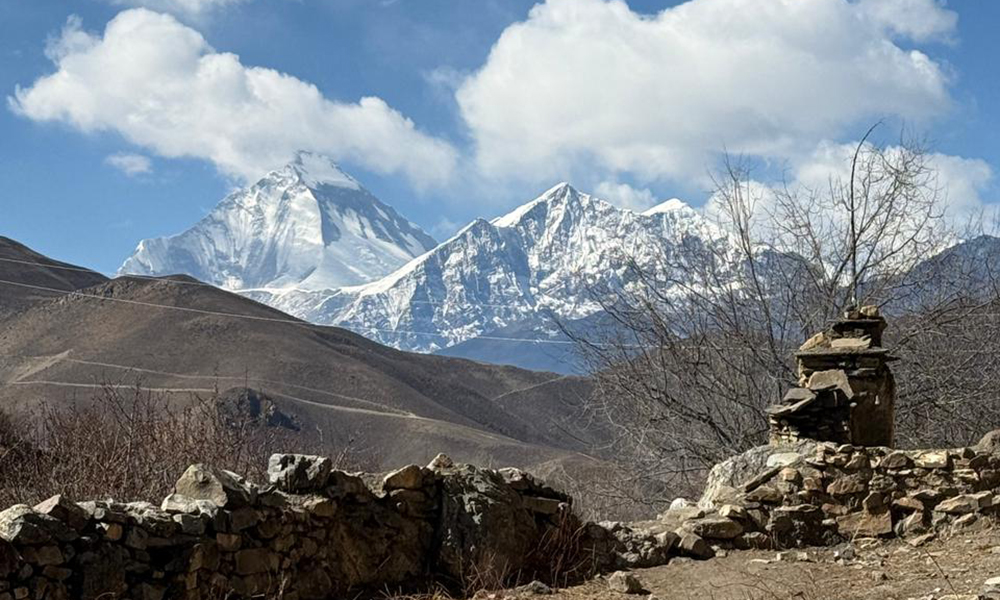
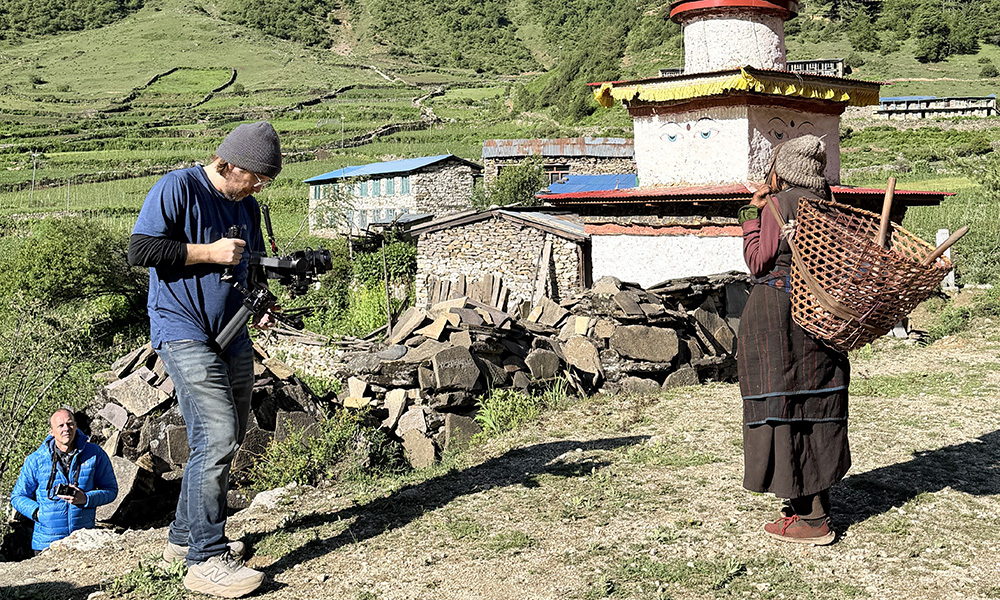
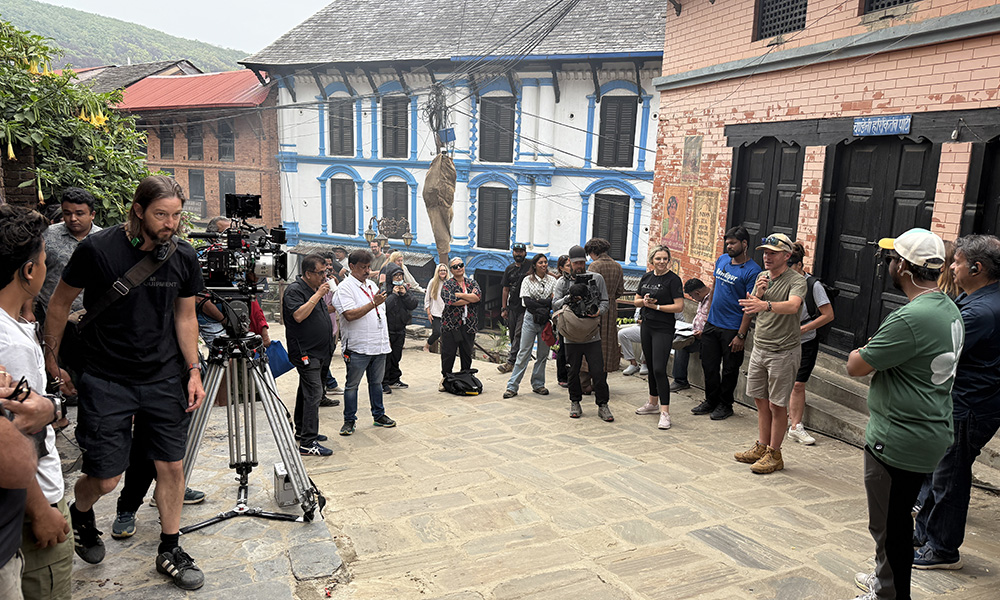
The production filmed at Patan Durbar Square in Kathmandu, a UNESCO World Heritage site, transformed into 1950s Kathmandu with pack horses and period-correct vehicles. The crew also filmed in Jomsom in Mustang district, Bandipur in Tanahun, Sindhupalchok northeast of Kathmandu, and Khumjung village in Solukhumbu. Khumjung was where the production recreated the 1953 expedition base camp environment with painstaking accuracy. Bandipur streets were shown as Darjeeling during the time of the summit. Mustang was shown as Tibet, specifically as Thanzig, the first home of Tenzing Norgay's ancestors. Location preparation for the expedition was also done at the British Embassy in Kathmandu.
The Offering Scene
On the third day of filming at Khumjung, the crew scheduled a quiet interior moment that would become one of the film's most powerful scenes. The scene showed Tenzing making a small offering to the mountain before the final summit push began. The script drew from historical accounts of Sherpa climbing rituals practiced before high-altitude attempts on the mountain.
Phuntsok arrived on set already in character and did not speak to anyone for 45 minutes before the camera rolled.
You May Also Prefer Reading: Thinley Lhamo: The Nepali Actor Bringing Tenzing Norgay's Wife to Life
When Peedom called action, he knelt on the cold ground and placed a small butter lamp and a handful of tsampa on a flat stone. Tsampa is roasted barley flour used in Tibetan Buddhist ritual offerings. He began whispering in Tibetan under his breath. What happened next was not written in the script and surprised everyone on set. Phuntsok remained kneeling for nearly two minutes after Peedom called a timeout without moving or speaking. A production assistant moved toward him to check on his condition, but Phuntsok raised one hand in a quiet signal to wait.
He later explained that he was reciting a Buddhist prayer for safe passage on the mountain, the same prayer Tenzing Norgay would have known by memory. Peedom kept the cameras rolling through the entire moment without cutting. That take became the version used in the film. Head location scout Dorje Sherpa, who was present, said afterward: "It was not acting. It was something else entirely. Everyone on set felt it."
Altitude and Endurance
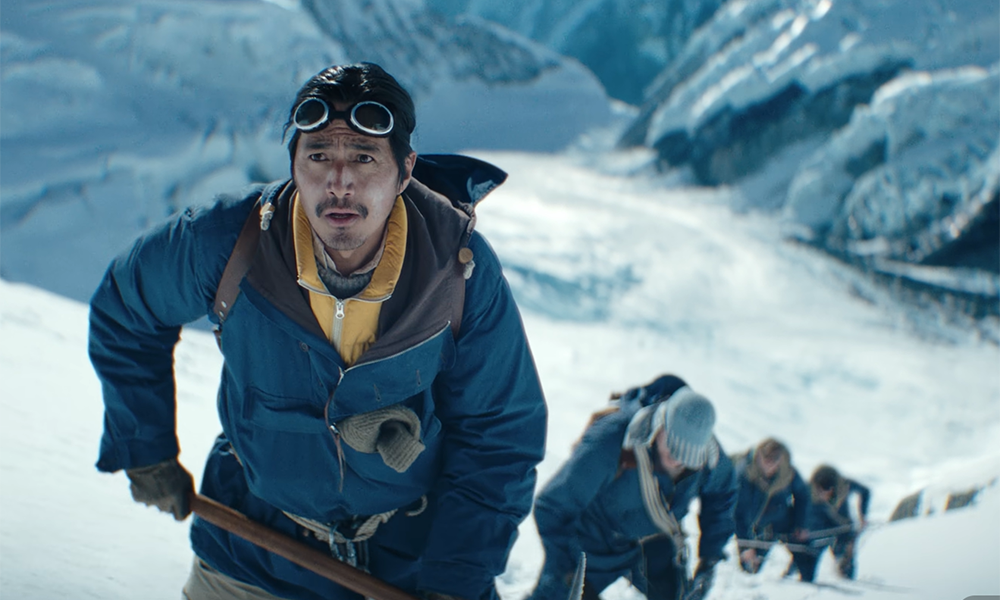
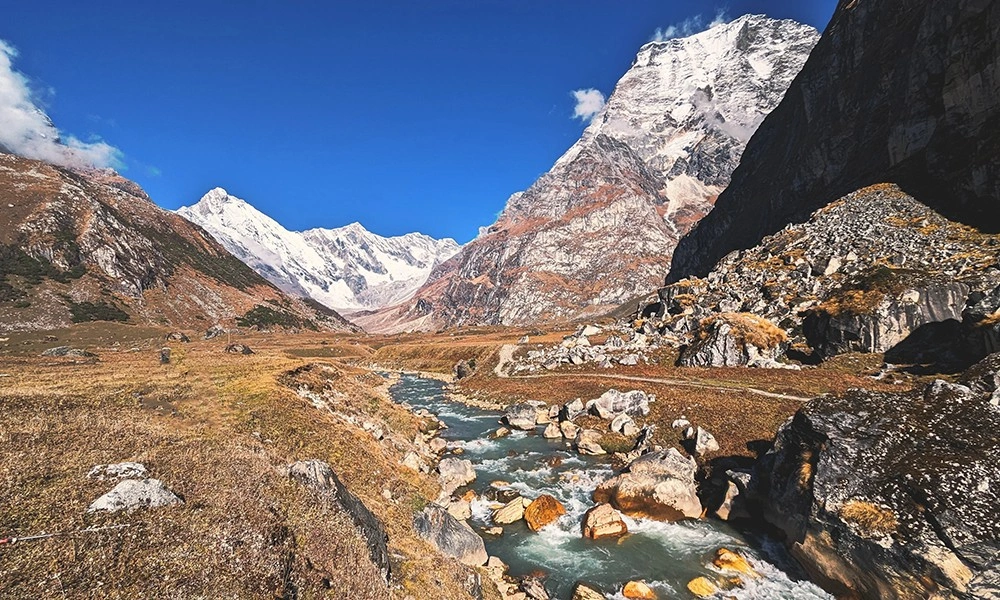
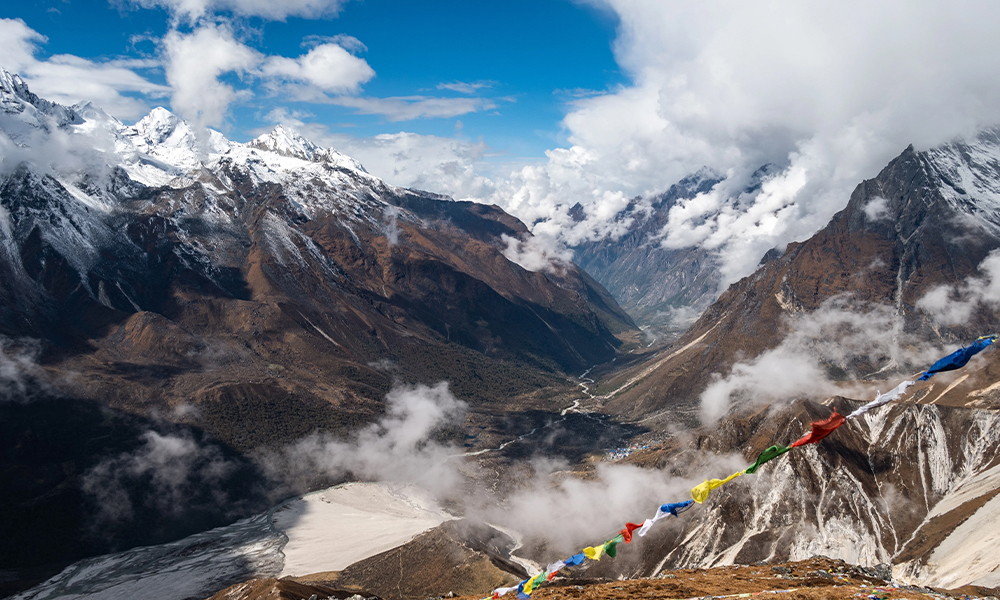
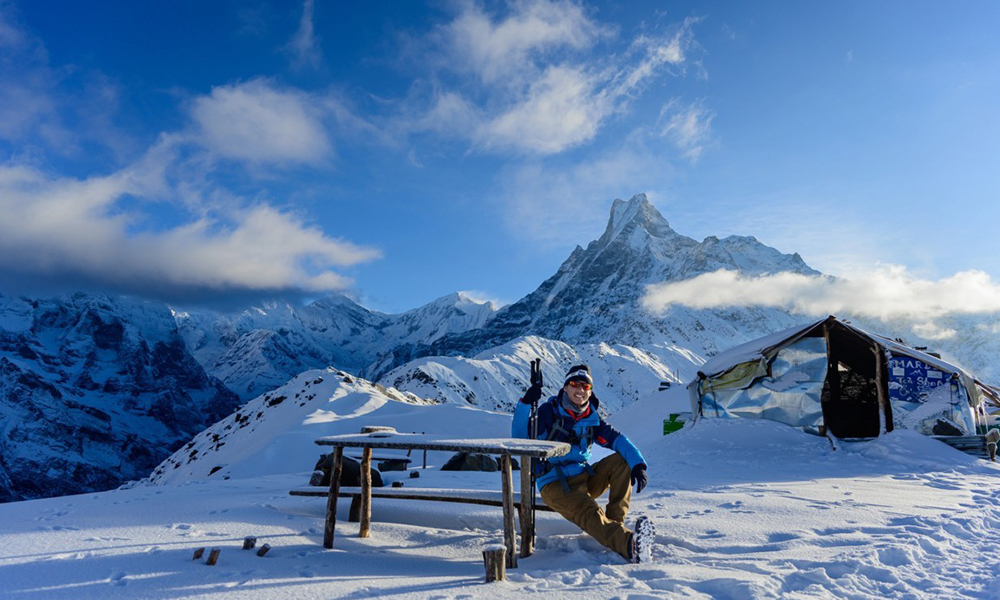
The high altitude locations above 4,000 meters presented physical challenges for the entire cast and crew throughout the production. Most actors could work for approximately 90 seconds per take before needing supplemental oxygen to continue safely. Phuntsok demonstrated superior endurance at these elevations and required less frequent oxygen support than his colleagues. He refused supplemental oxygen between takes on multiple shooting days at those elevations.
You May Also Prefer Reading: Filming Location in Mustang
His preparation made the difference between struggle and success at altitude. He had spent two months before filming hiking in the Ganzi region at elevations above 3,500 meters, conditioning his lungs for the work ahead. The production's certified high-altitude medical team monitored all cast and crew throughout the high-altitude schedule with care. No shooting days were lost to altitude-related incidents despite the challenging conditions. (Altitude Sickness Incident - Recheck)
Working Alongside Hiddleston
Tom Hiddleston asked Phuntsok to teach him basic Sherpa phrases before their joint scenes began filming. Phuntsok agreed immediately and took the request seriously. The two actors spent downtime running lines together, using a mixture of English, Tibetan, and improvised gestures to find the rhythm of their shared scenes.
A set photographer captured a moment of Hiddleston laughing while Phuntsok corrected his pronunciation of Jomolungma, the Tibetan name for Everest. That image has not been publicly released, but crew members who saw it described it as capturing something true about the relationship between the two characters at the center of the film.
What This Role Means for Tibetan Cinema
Phuntsok has built his career through films that played at Venice, Busan, and Shanghai, but those audiences remained limited. Festival recognition arrived early in his career, with Venice, Busan, and Shanghai all programming his work before mainstream audiences outside Asia had encountered his name. Tenzing changes that arithmetic completely and permanently by placing him on a global stage.
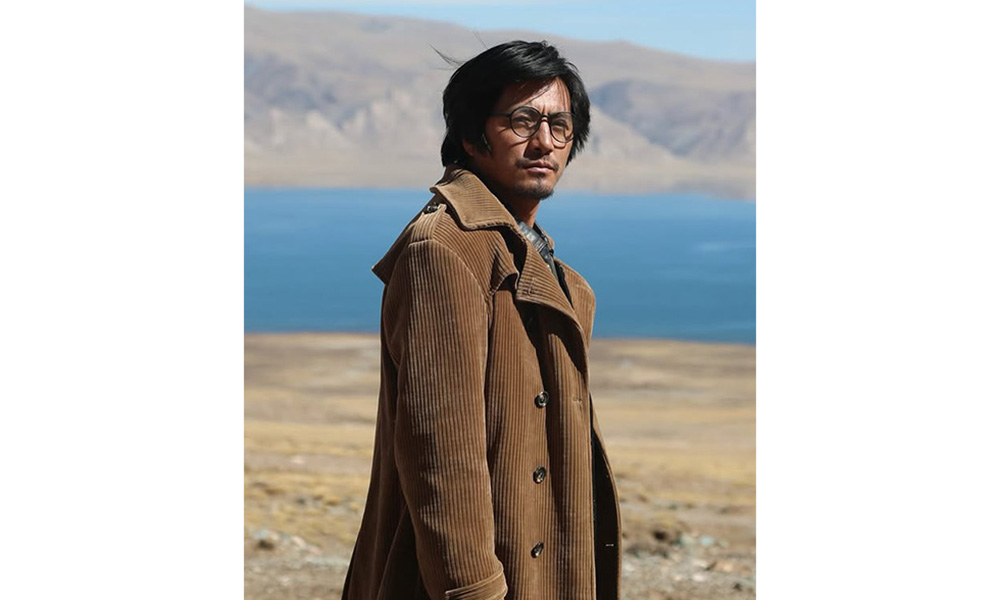
Apple Original Films will distribute the picture to more than 100 countries across every major market. The marketing campaign will run across every major platform with significant investment behind it. Phuntsok's face will appear in places that Tibetan cinema has rarely reached, and that visibility carries weight beyond any single performance. Tenzin Thuthob Tsarong appeared in Seven Years in Tibet in 1997 and introduced some Western audiences to Tibetan faces on a global screen. Phuntsok arrives nearly three decades later with a lead role in a production built specifically around the Himalayan perspective rather than the Western expedition narrative.
The executive producer of Tenzing is Norbu Tenzing, the son of the man whose life the film portrays with such care. That presence created accountability on set that no production memo could manufacture or enforce. Phuntsok was not performing for a global audience alone but for a family watching every choice he made. That distinction shaped every choice he made on camera throughout the production.
Why the Tenzing Norgay Legacy Is Important to Everest History
For decades after May 29, 1953, the dominant narrative described Edmund Hillary as the man who climbed Everest alone. Tenzing Norgay appeared in that story as the Sherpa who accompanied him without agency or expertise. That framing removed his agency, erased his expertise, and reduced a man who had attempted the summit six times to a footnote in someone else's achievement.
Tenzing Norgay had been on Everest before Hillary arrived in Nepal for the first time. He knew the mountain's moods, its routes, and its dangers better than any other person alive at that time. He carried equipment, managed logistics, and made decisions that kept the expedition alive through dangerous conditions. He also carried something Hillary did not carry. He carried the grief and the hope of a community for whom the mountain was not a sporting challenge but a sacred presence in their lives.
Tenzing (2026) builds its story around that perspective with care and attention. The film follows Tenzing as he moves through the politics of the expedition, the cold mathematics of high-altitude survival, and the personal cost of becoming a symbol for people on opposite sides of a complicated world. Phuntsok's performance places a Tibetan man at the center of a story that belonged to him all along.
How Wilderness Film Productions Supported the Nepal Shoot
Wilderness Film Productions served as the Location Manager for the Nepal shoot of Tenzing, with full responsibility for the ground operation. At the time of filming, the work was handled by Wilderness Outdoors, our trekking and travel company that did not have a dedicated filming website. Later, we established Wilderness Film Productions as our official film company, with the same CEO managing both organizations.
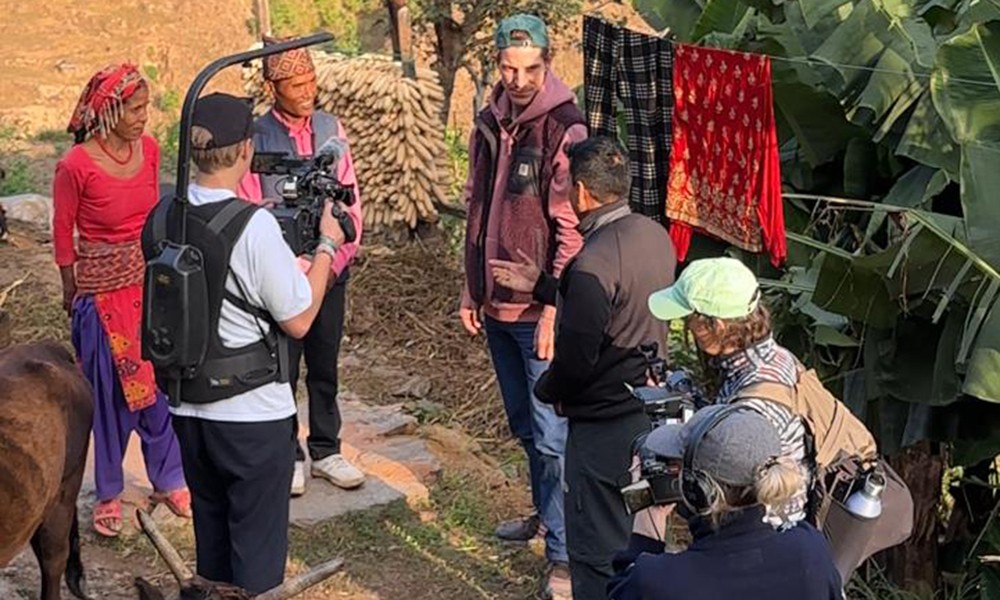
Wilderness Outdoors handled all production work in Nepal, and we worked as a local production company managing logistics, permits, and all ground operations. The production chain began with See Saw, an Australian company serving as the foreign producer for the project. See Saw gave the production to India Take One Production, who then assigned all local film production in Nepal directly to Wilderness Outdoors.
Why did Tenzing Productions choose India as a production supporter? It was due to Nepal's lack of experience and also its lack of filming equipment. India had it due to the power of Bollywood and huge experience with movies such as the Oscar-nominated film Lion, written by the same writer as Tenzing.
Aerial and Drone Shoots
All aerial and drone shoots were given directly to Wilderness Outdoors by Plum Productions and See Saw Productions. The aerial and drone shoots in the base camp took around two weeks and were smoothly handled by our team. A small crew from New Zealand handled the technical camera work, and the production did not lose a single day of shooting.
Location Scouting and Local Crew Management
We managed location scouting before the director arrived in Nepal to identify the right sites. Our team identified and photographed candidate sites across the country, assessed accessibility for a crew of 120 people, and delivered detailed reports to the production office in advance of principal photography.
We hired and supervised 45 local crew members who knew the terrain better than any foreign team could. These included Sherpa guides, porters, drivers, translators, and production assistants who worked across all departments. Several of these crew members worked directly with Peedom as department heads on the high-altitude locations where their expertise was essential.
We also provided equipment support during the Nepal shoot, assisting with local gear needs and logistical coordination. The main camera equipment, lighting, and sound gear were brought by the production team from overseas, and our team ensured they were transported safely to every location.
Medical Support and Altitude Challenges
We stationed certified high-altitude medical teams at every location above 3,500 meters to monitor everyone. These teams monitored cast and crew throughout the shoot and managed several cases of altitude sickness without disrupting the production schedule.
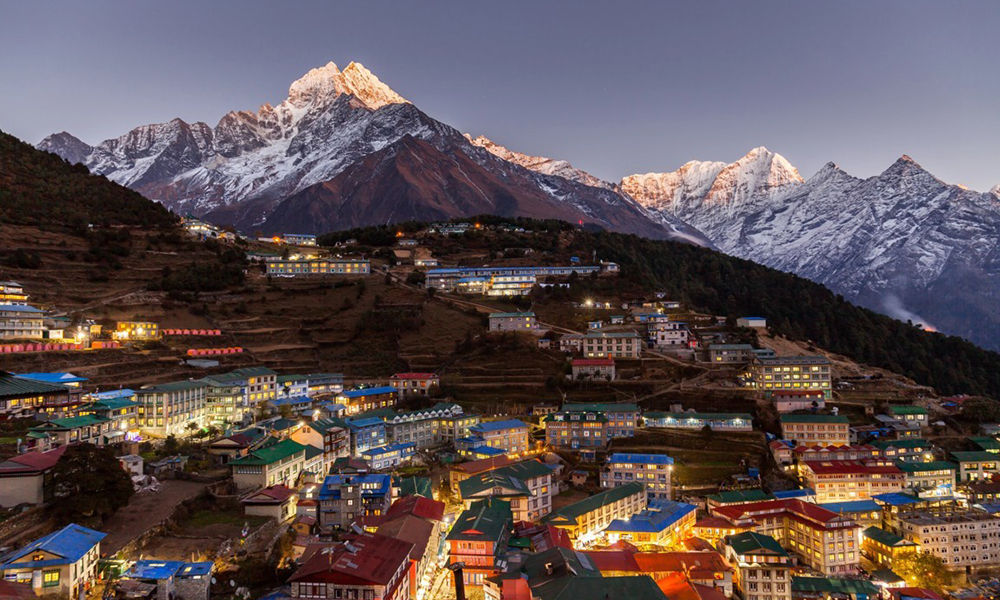
When weather forced a location change at Namche Bazaar, our team negotiated new access with local village authorities, secured heritage approval from Sagarmatha National Park, and coordinated 35 local porters to move all equipment up the trail. The entire operation was completed within 72 hours, and the production lost zero shooting days despite the unexpected change.






Latest Comments