

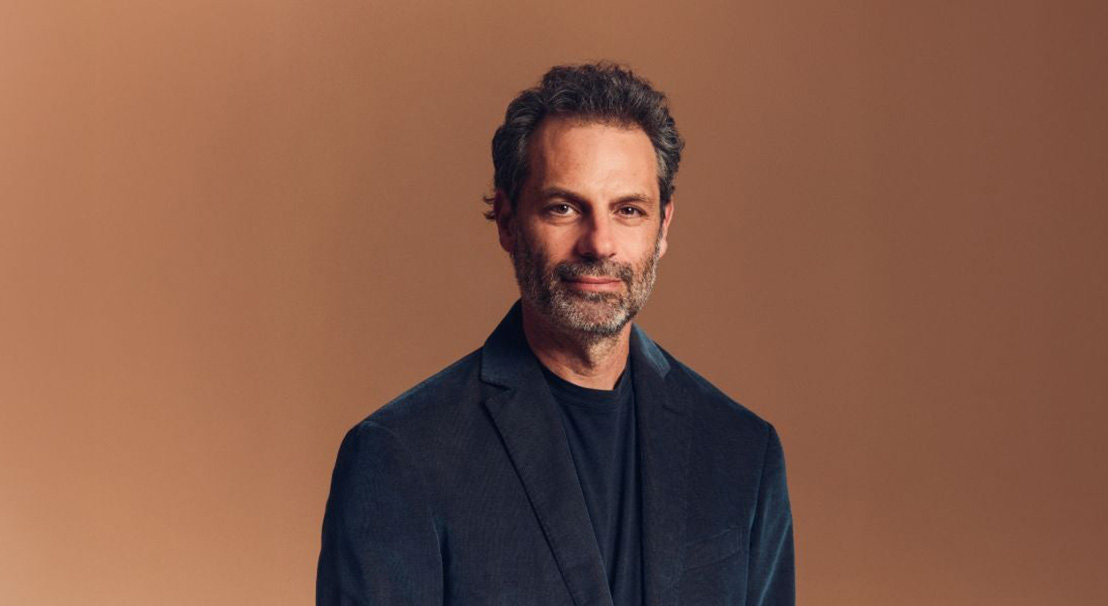
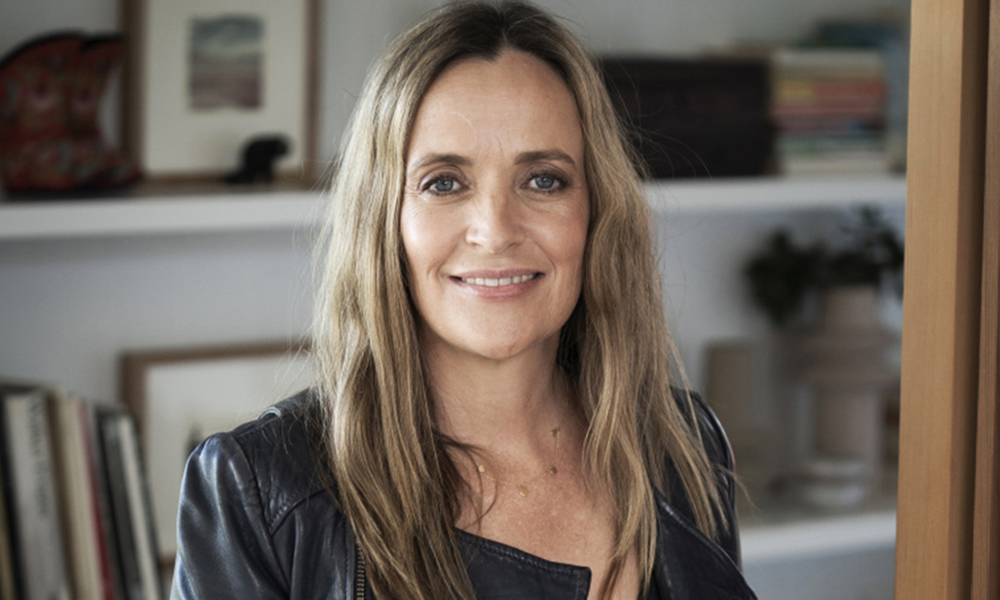
Before Emile Sherman ever produced an Oscar winner, his very first film as a producer never even made it into a cinema. It was a documentary about his own great-great-uncle, a Lithuanian Jew who survived two world wars and the Bolshevik revolution. No festival premiere, no distributor, no reviews. Just a family story Sherman felt needed telling.
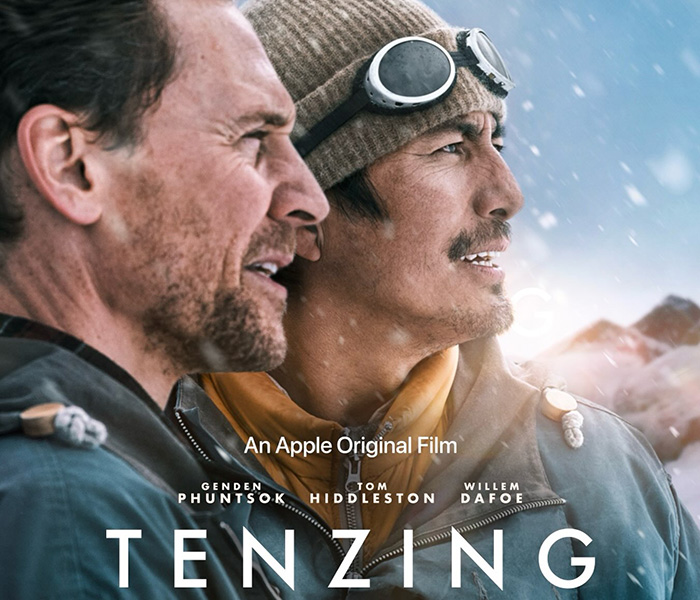
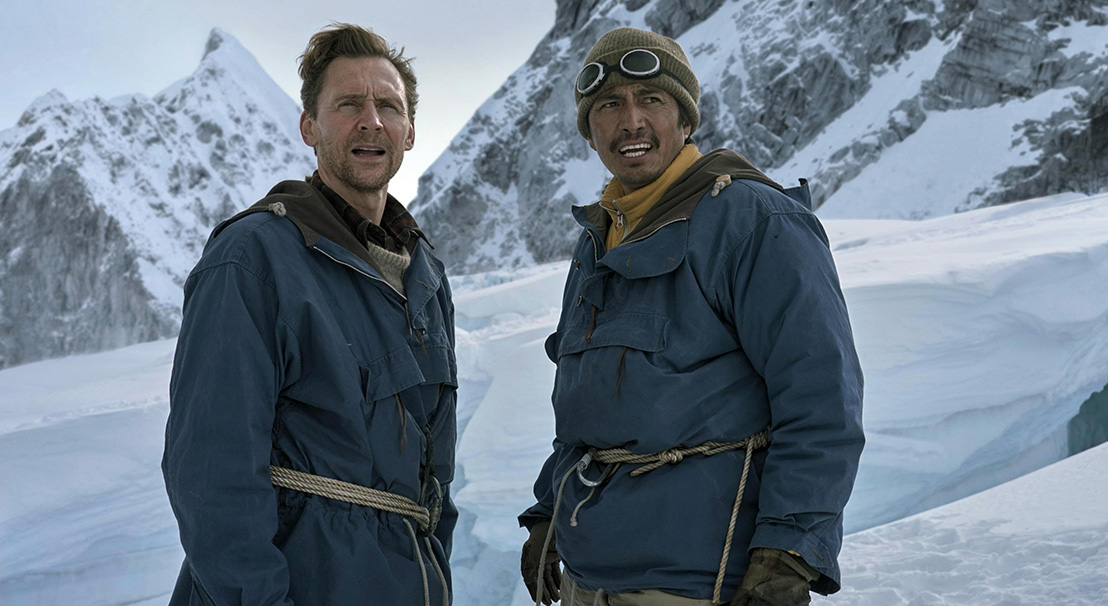
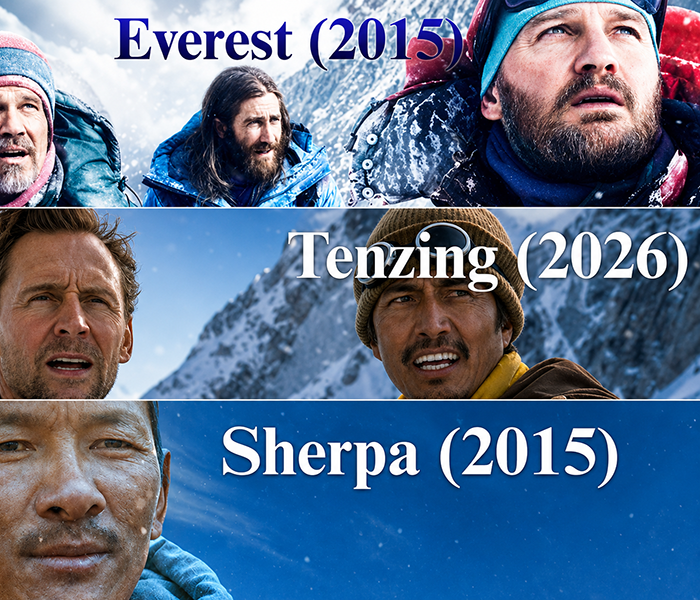
That same instinct now sits behind an Academy Award for Best Picture and a string of internationally acclaimed dramas. It also sits behind Tenzing (2026), a story about a man whose own history went untold for far too long.
A Law Degree That Led to a Film Set
Sherman was born in South Africa in June 1972, and his family relocated to Australia when he was four. He studied at Cranbrook School in Sydney before enrolling at the University of New South Wales. There he earned degrees in arts and law, along with a master's in arts.
Law rarely produces filmmakers, but Sherman's path bent early. His first narrative feature, Sample People, arrived in 2000, co-written with a friend from law school and starring Kylie Minogue and Ben Mendelsohn. He then founded Sherman Pictures, financing Rabbit-Proof Fence in 2002, followed by Oyster Farmer, Candy, and Disgrace.
Two Cities, One Company
In 2008, Sherman partnered with UK producer Iain Canning to launch See-Saw Films, splitting operations between Sydney and London from the start. The same year, the pair founded Fulcrum Media Finance, a financing venture that has since backed more than twenty films, Animal Kingdom among them.
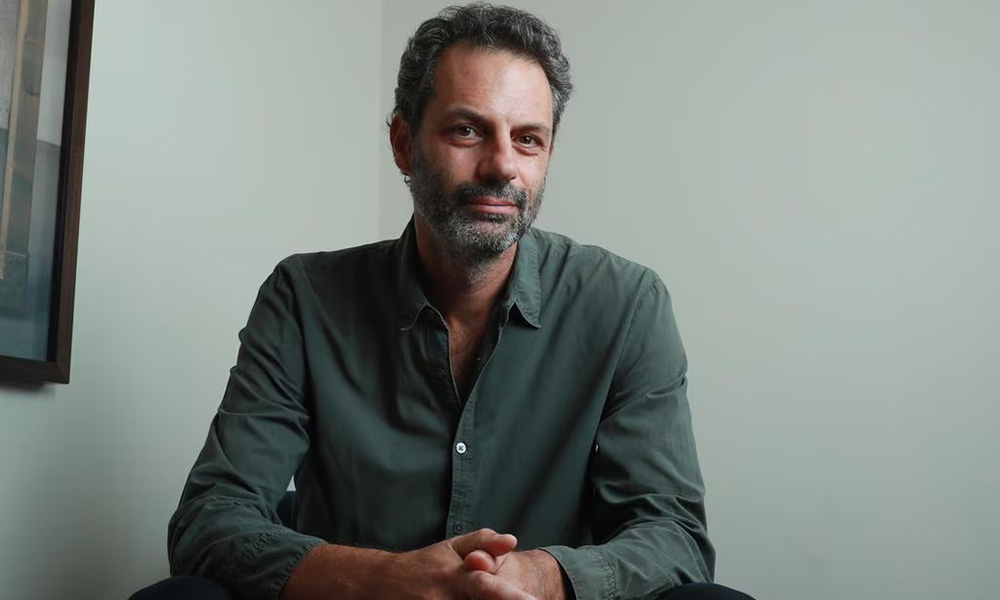
Also Read: Iain Canning, the Producer Who Built See-Saw Films From the Ground Up
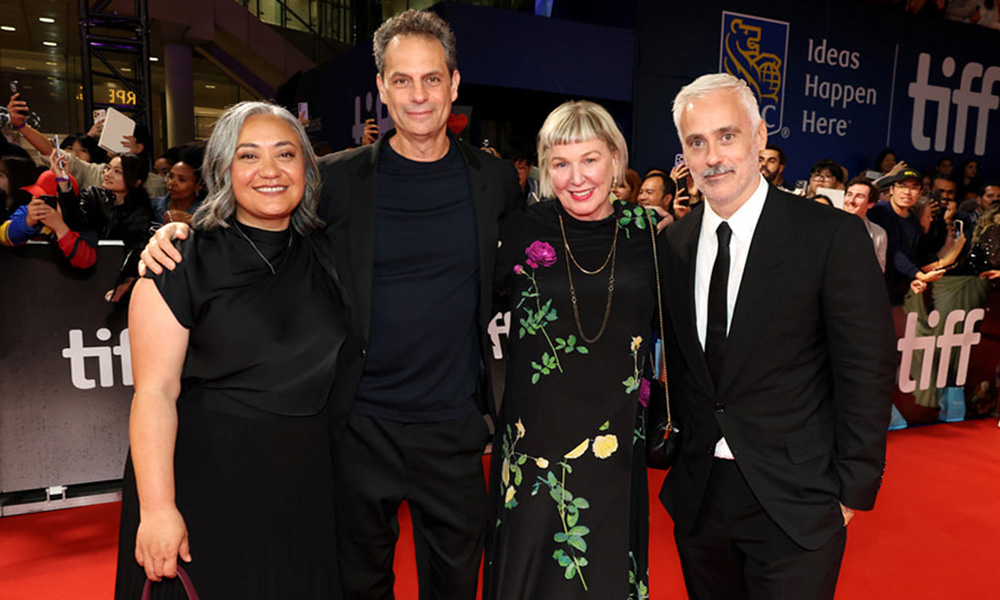
The partnership paid off almost immediately. See-Saw's first release, The King's Speech (2010), won the Academy Award for Best Picture and two BAFTA awards. That same year, Sherman and Canning also collected the Producers Guild of America's Darryl F. Zanuck Award.
What Came After Best Picture
A single hit rarely defines a producer, and Sherman's résumé since The King's Speech proves the point. He has worked with director Jane Campion three times, on Top of the Lake, its sequel China Girl (1987), and The Power of the Dog (2021). Shame, Tracks, Lion, and Ammonite round out a decade defined by repeat collaborations rather than one-off successes.
The numbers tell their own story. Sherman holds three Academy Award nominations with one win, five BAFTA nominations with three wins, and two Emmy nominations with one win. That tally sits exactly level with Canning's own record, a rare kind of matched partnership in an industry built on solo credit.
Away From the Camera
Sherman's work reaches past filmmaking into causes closer to home, a family habit as much as a personal one. He directs Voiceless, the animal protection foundation his father and sister launched in 2004, and sits on the board of the Sherman Foundation. A separate role at the Sydney Film School keeps him connected to the country's next wave of filmmakers.
A Seventy-Year Wait, Finally Told
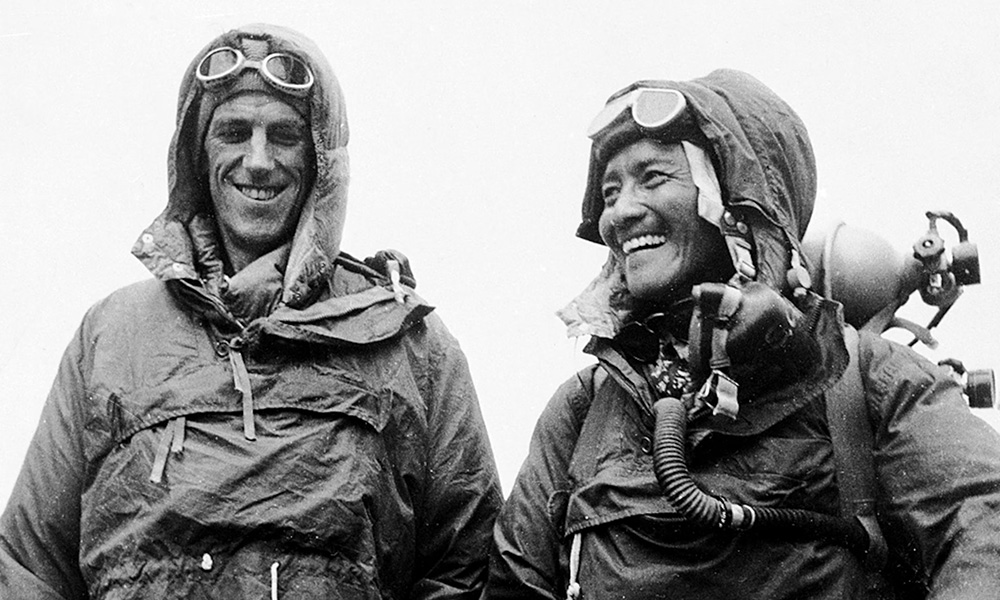
Tenzing Norgay summited Everest in 1953, yet the full weight of his story took decades to reach a screen built specifically around it. That kind of overlooked history is exactly where Sherman's instincts have always pointed. It traces back to the same impulse that sent him chasing his own family's past before he ever ran a studio.
Related Articles: Liz Watts and See-Saw Films, The Producer Behind Tenzing (2026)
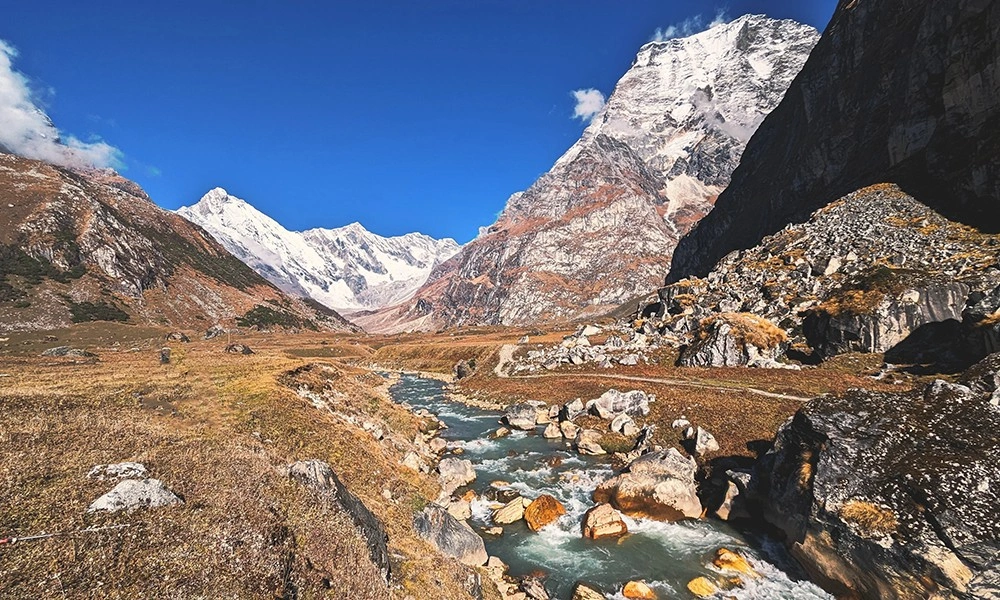
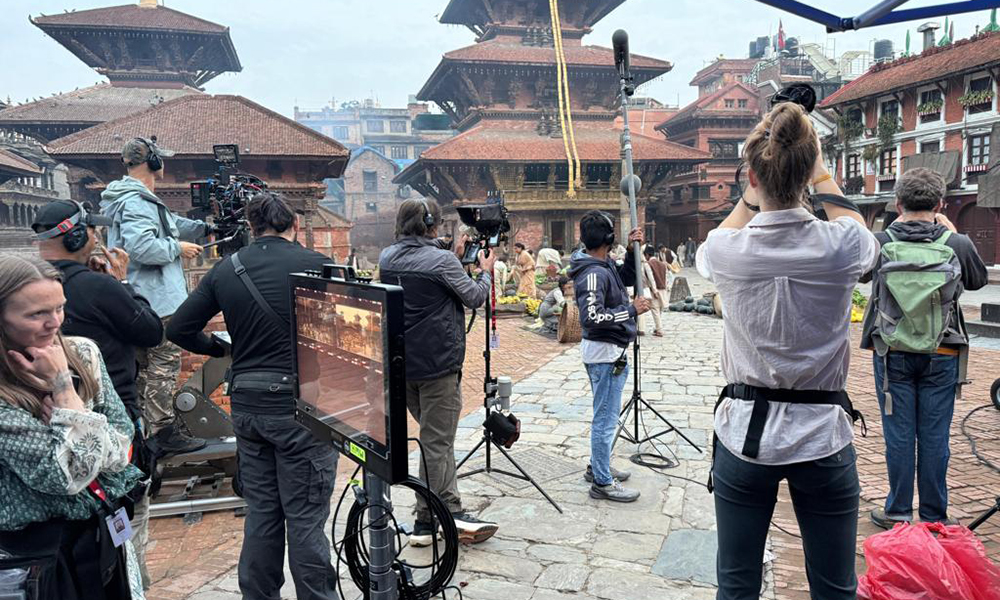
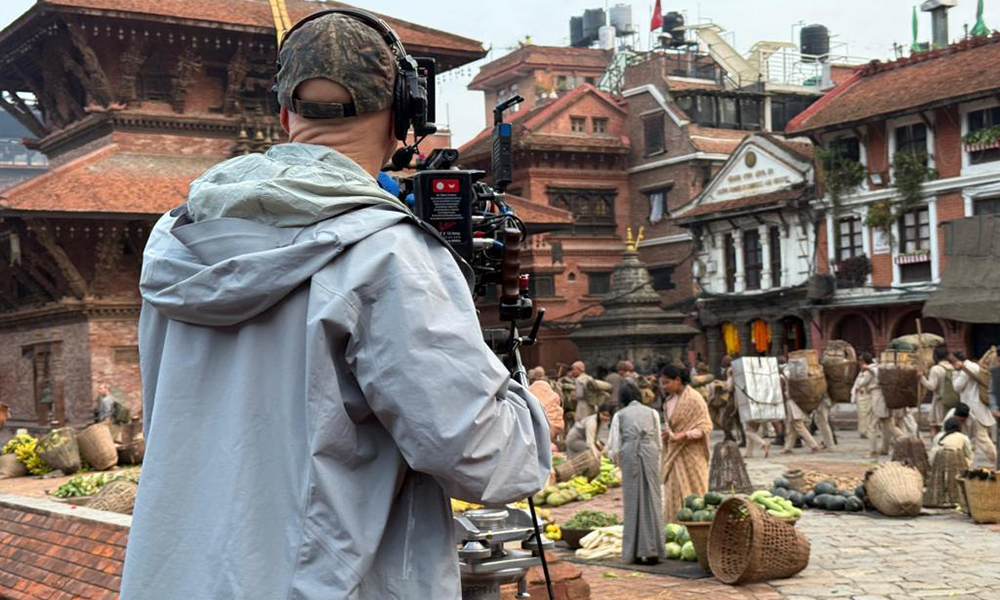
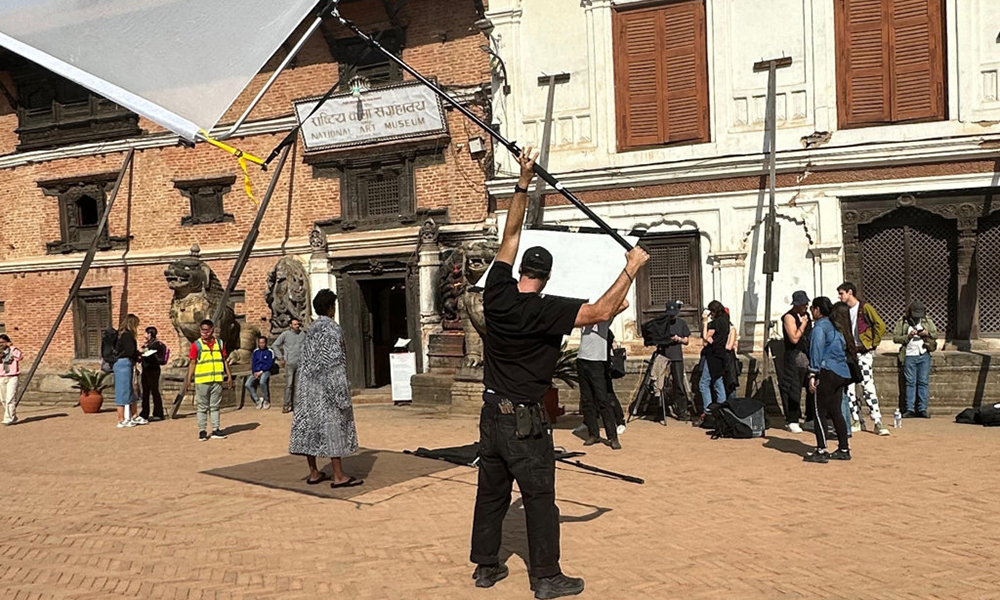
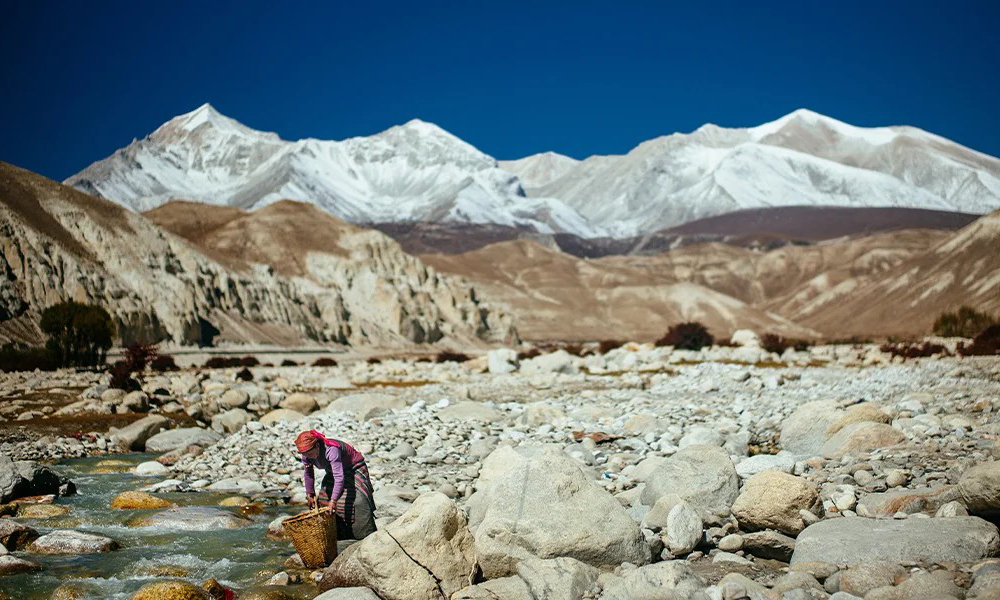
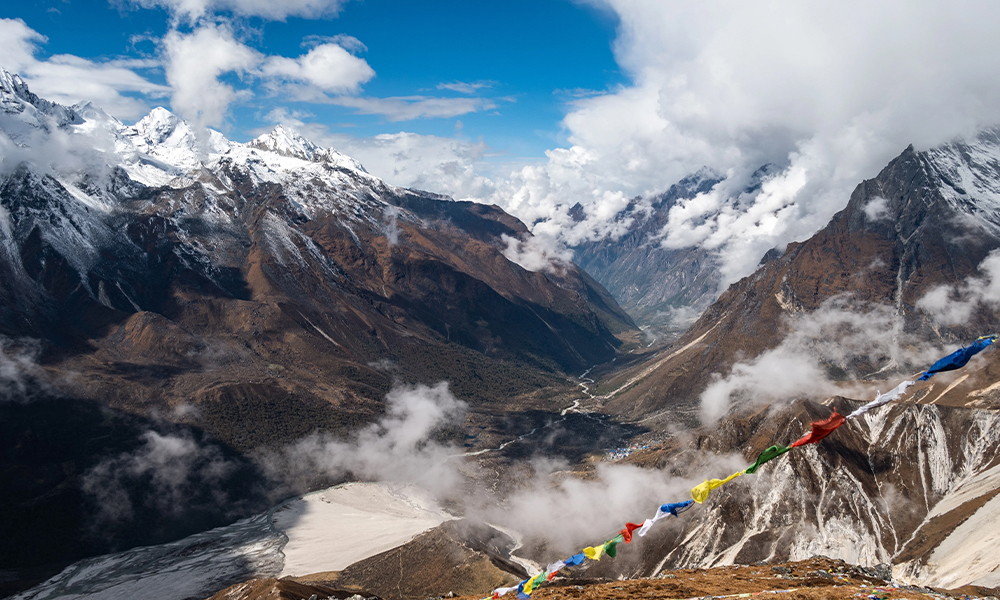
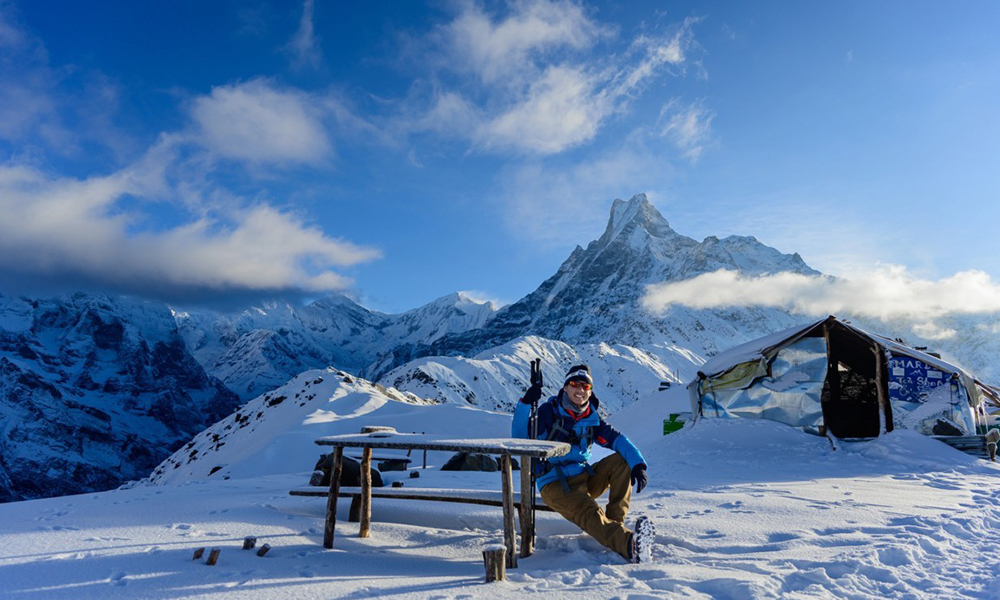
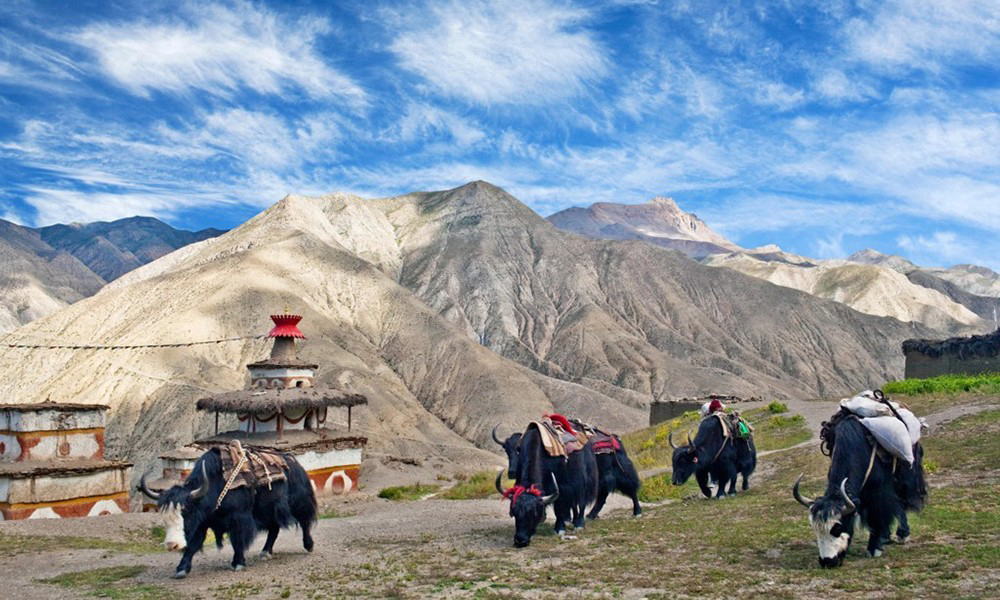
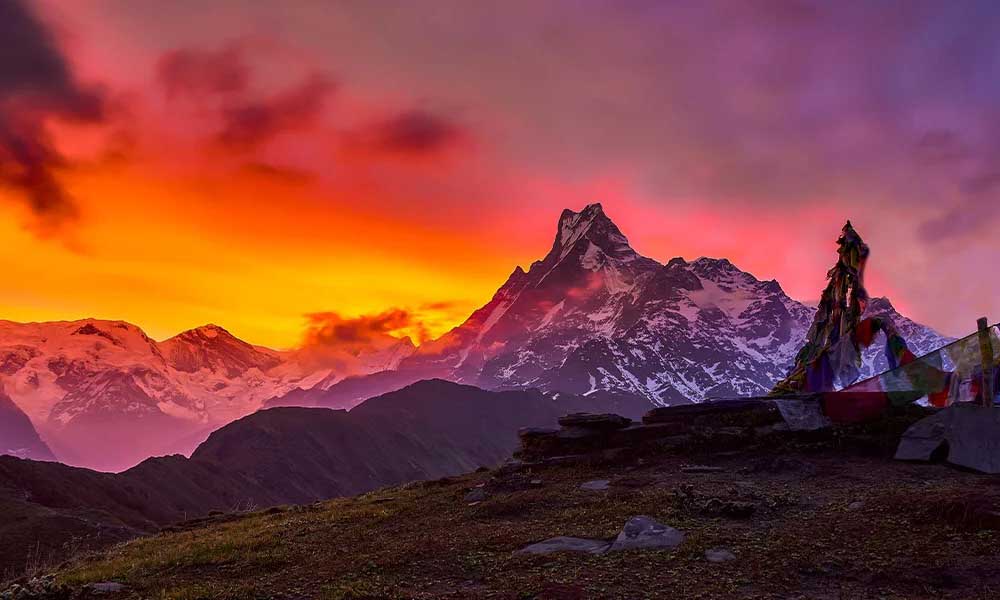
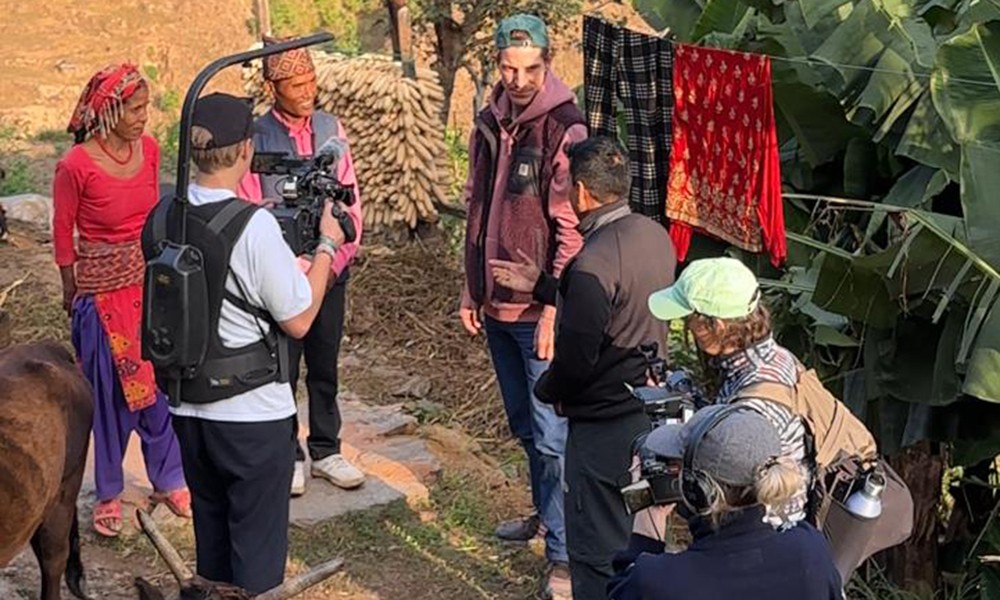
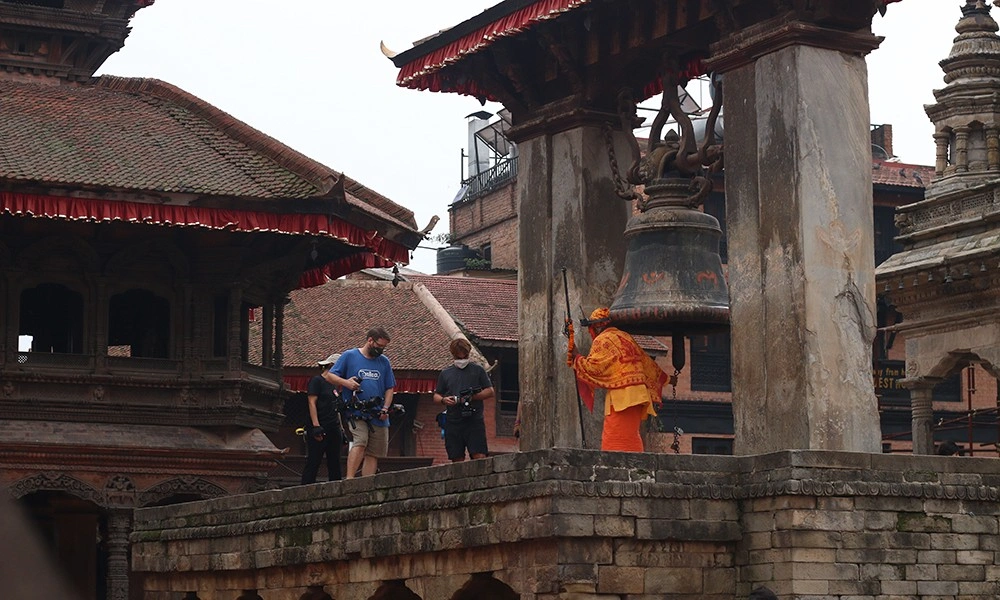
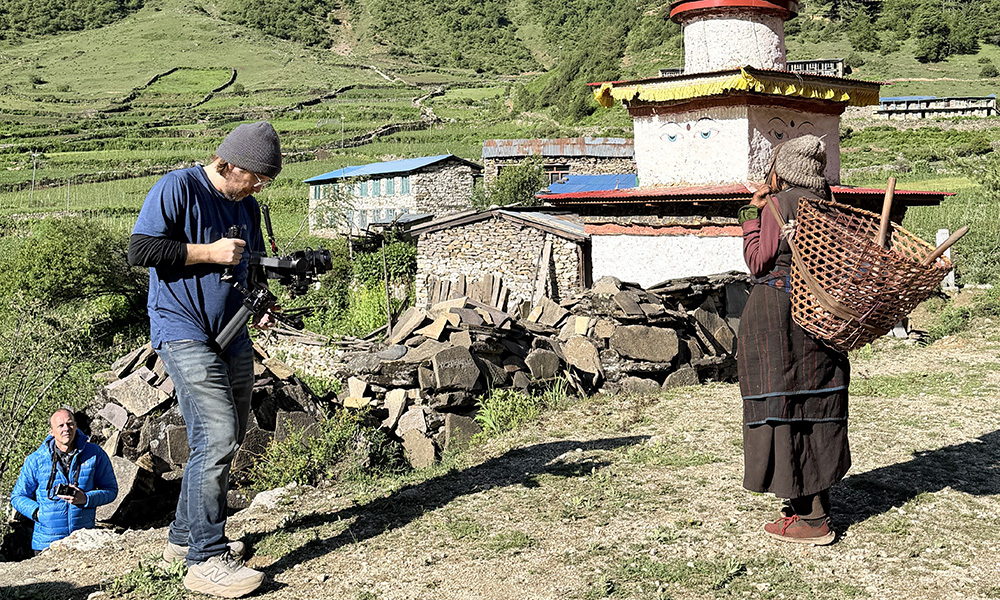
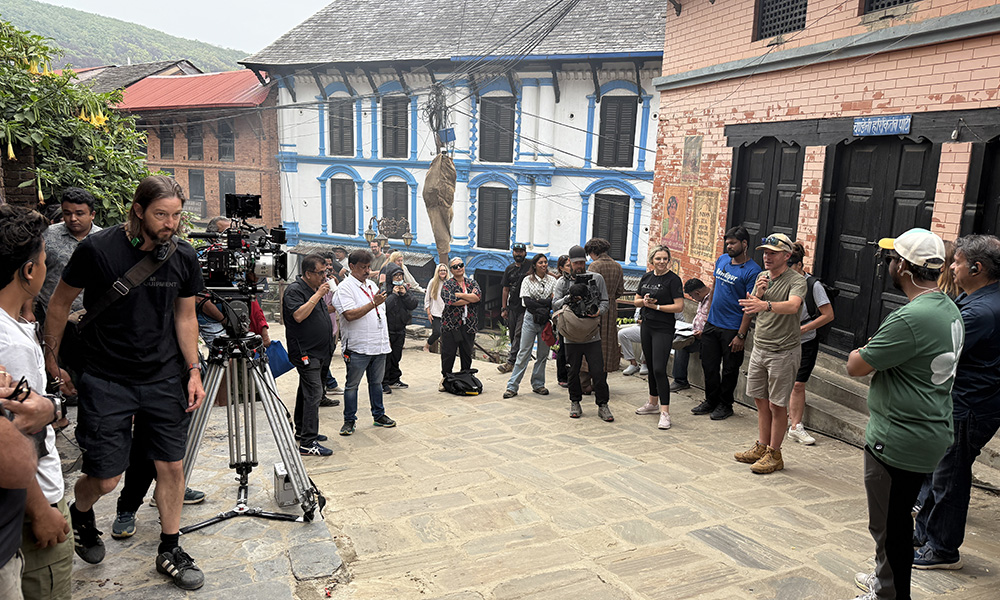
A script alone could not deliver that story. It needed a crew capable of working across nine locations and some of the most demanding terrain in Nepal. That crew had to match Sherman and Canning's standard for craft with the physical reality of the mountain itself.
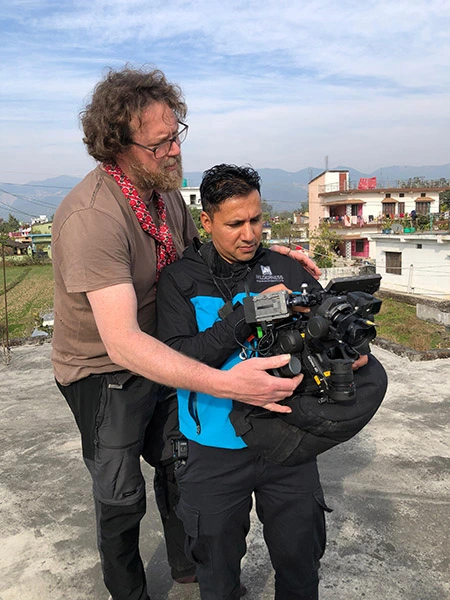
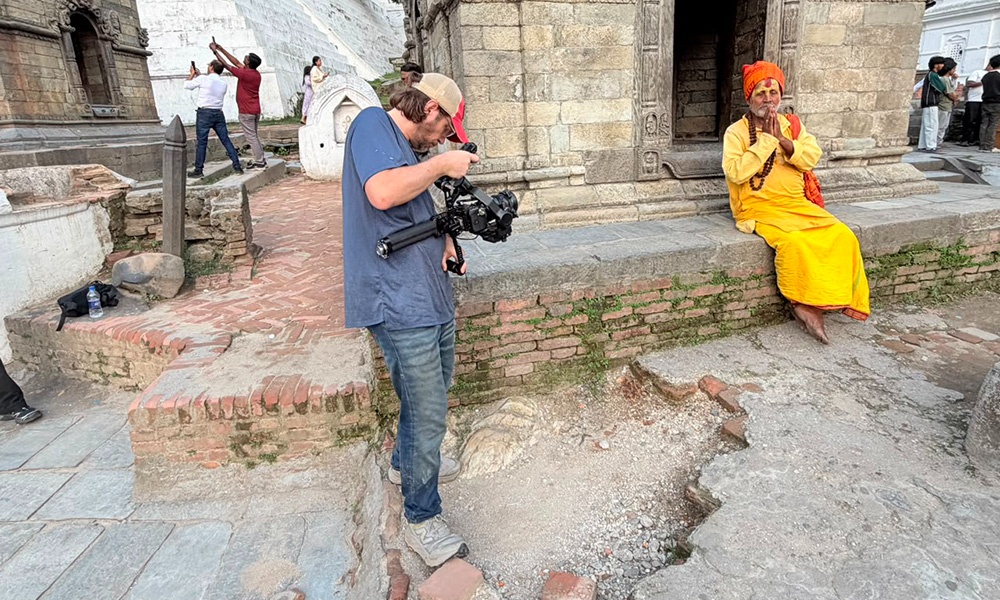
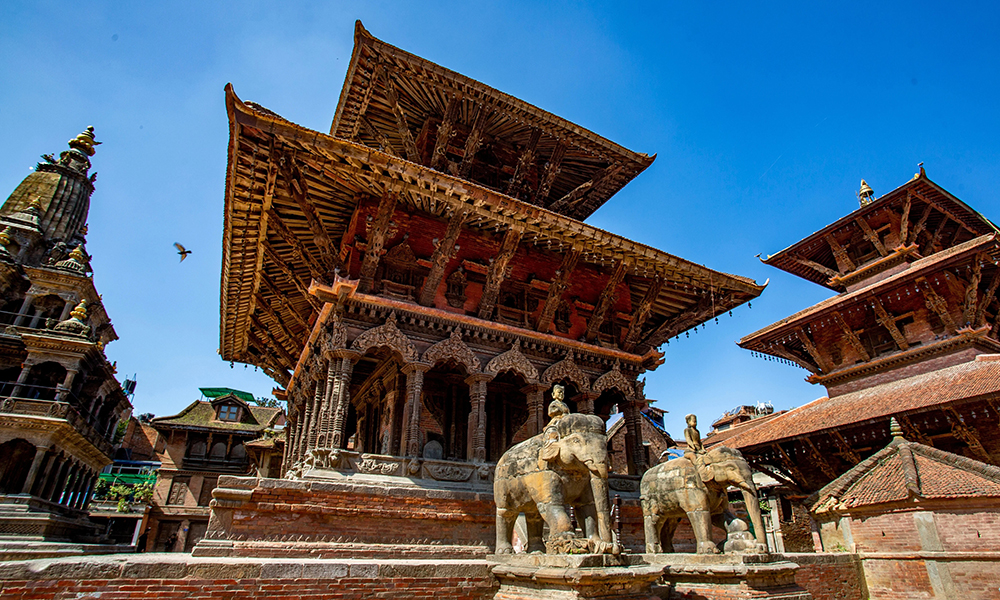
We handled the permits and logistics that put Sherman's production on the real ground Tenzing Norgay once walked. That experience now supports future international productions filming across Nepal.
Published by Wilderness Film Productions. We served as the Location Manager for the Nepal shoot of Tenzing (2026).
Bhuwan Bharati, Chief Executive Officer. Your Nepali partner for international film production.













Latest Comments