

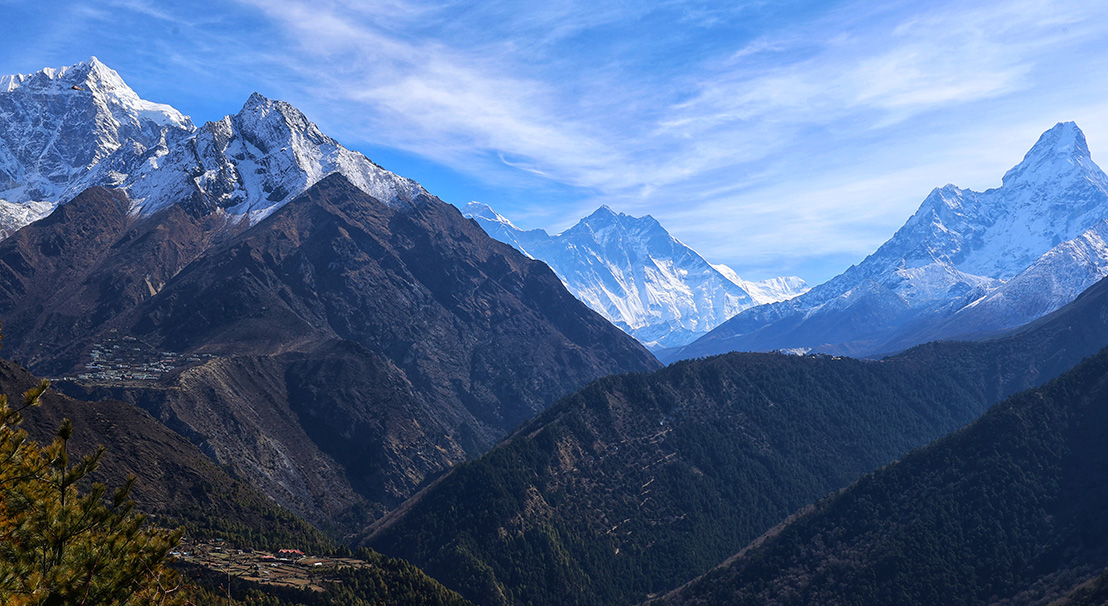
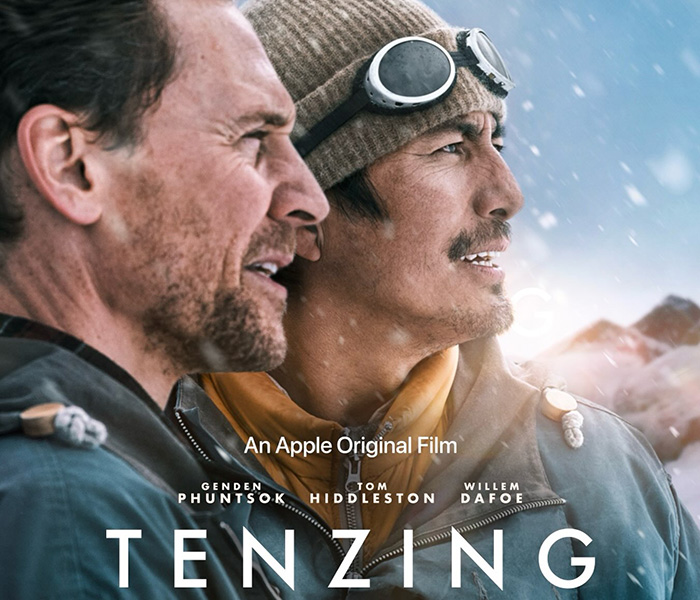
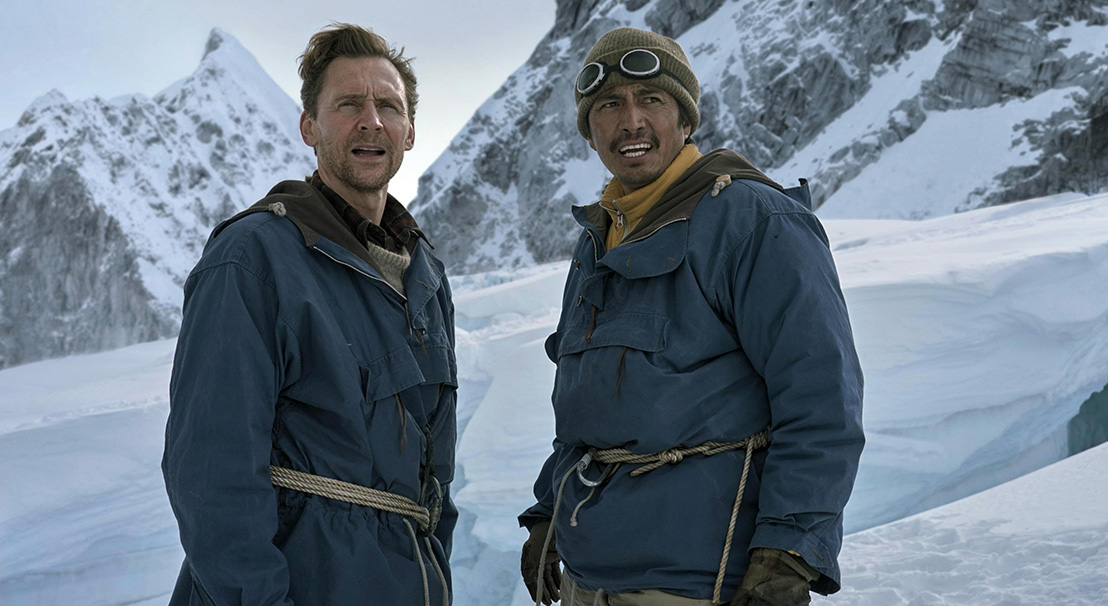
Tenzing (2026) tells the story behind one of the most significant achievements in mountaineering history, the first confirmed ascent of Mount Everest in 1953. Before the film reaches theaters, it helps to know the real events it draws from, since the true story carries as much weight as anything a script could add to it.
The real 1953 expedition involved more than 400 people, a decade of failed attempts by other nations, and a partnership between two men from entirely different backgrounds who reached the summit together. What follows separates the documented history from the dramatization, covering who led the climb, what actually happened on the mountain, and why the world only learned the full story years later.
The Expedition Behind the Climb
Also Read: Norbu Tenzing Serves as Executive Producer on His Father's Story
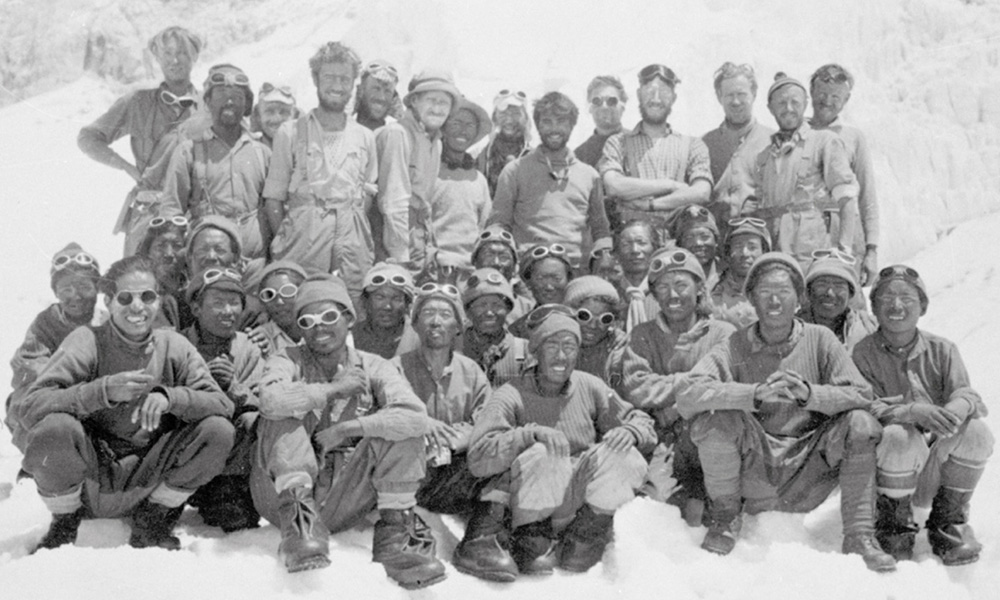
The 1953 ascent came from the British Everest Expedition, organized and led by Colonel John Hunt. The team formed after a series of earlier attempts on the mountain had failed, including a Swiss expedition in 1952 that came close to the summit without reaching it.
Hunt structured the 1953 attempt around multiple climbing pairs, supply lines up the mountain, and a support team large enough to give any pair a real chance at reaching the top. The expedition included over 400 people in total once porters and support staff were counted, though only a small number of climbers were positioned for a genuine summit attempt.
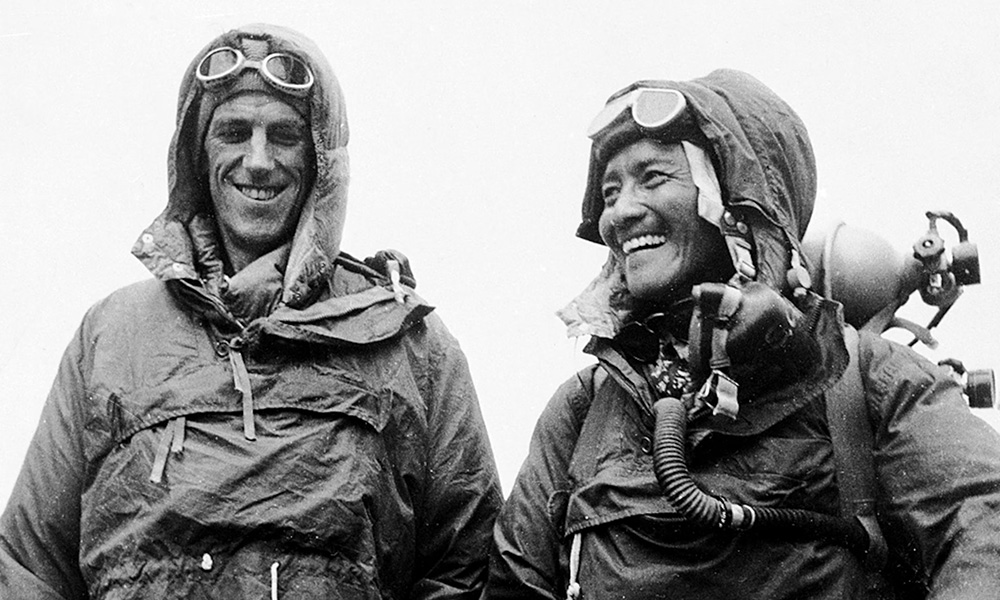
Tenzing Norgay and Edmund Hillary
You May Also Prefer Reading: Tenzing (2026): The Untold Story of the Man Who Conquered Everest
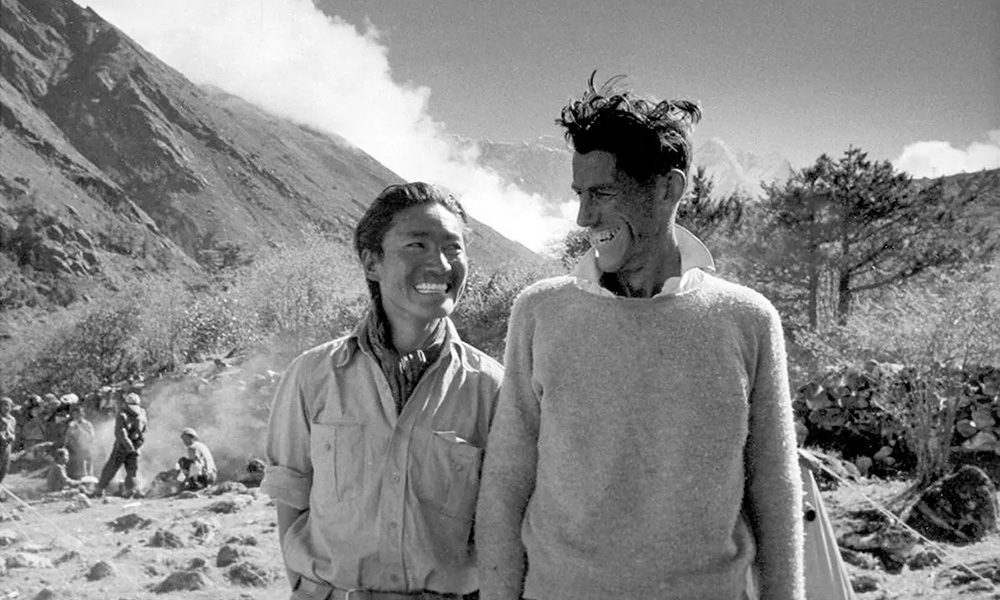
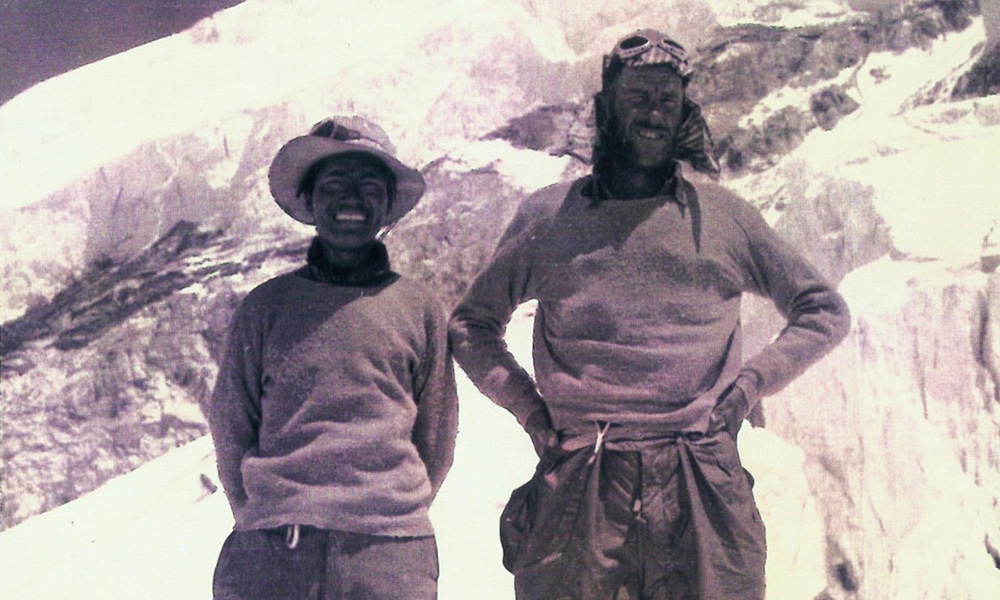
Tenzing Norgay, a Sherpa climber from the Khumbu region, had already taken part in several earlier Everest expeditions before 1953, building the experience and altitude knowledge that made him central to the team's chances.
Edmund Hillary, a beekeeper and mountaineer from New Zealand, joined the expedition as one of its strongest climbers. Hunt paired the two together for a summit attempt after an earlier pair, Charles Evans and Tom Bourdillon, came close but turned back short of the top due to problems with their oxygen equipment.
The Ascent
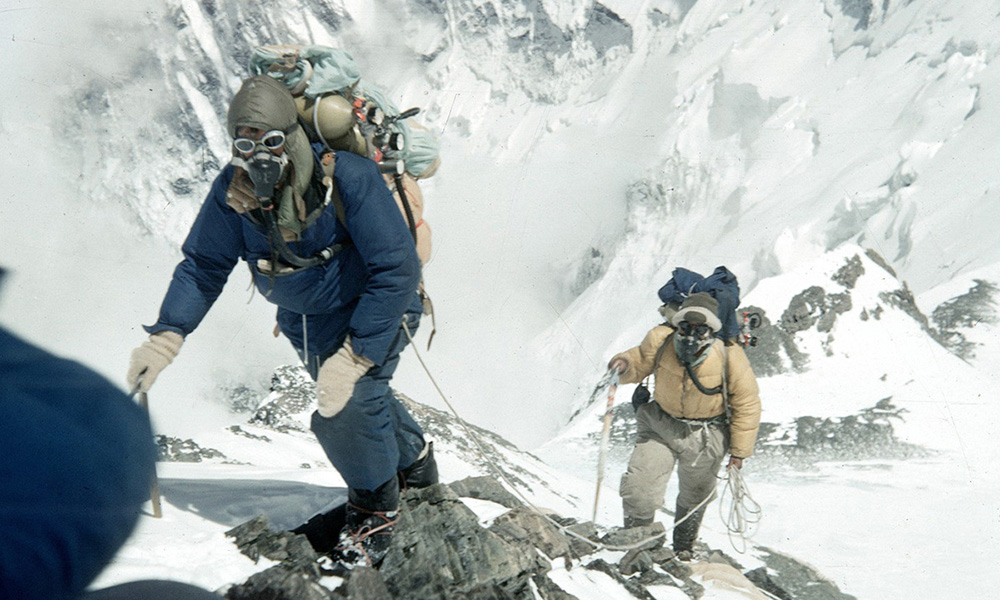
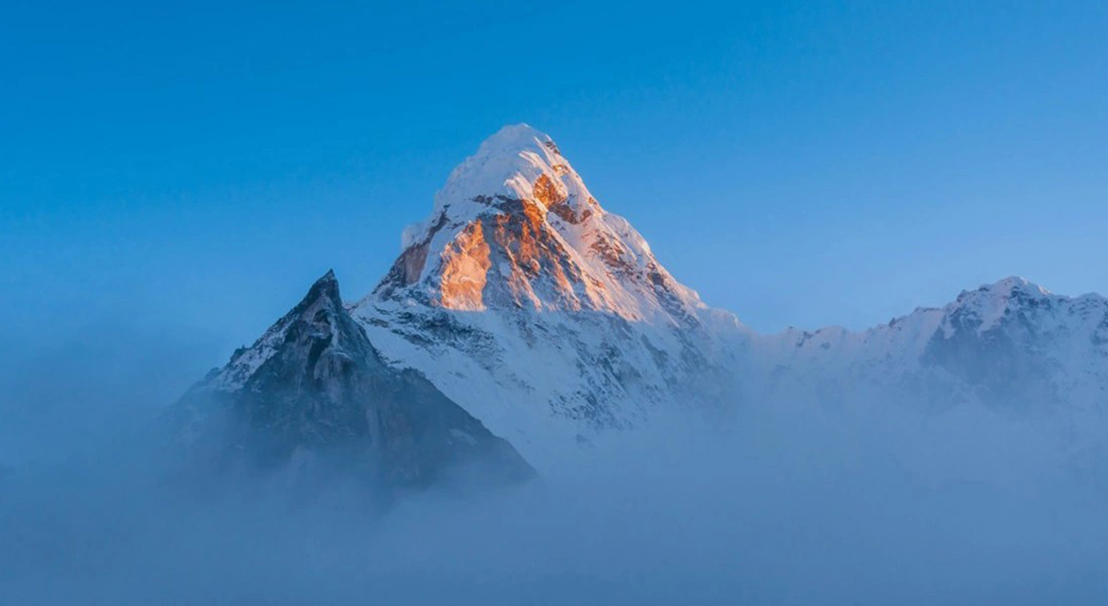
On the morning of May 29, 1953, Tenzing Norgay and Edmund Hillary set out from their high camp toward the summit, using supplemental oxygen for the final stretch. They reached the top of Mount Everest that same morning, becoming the first climbers confirmed to have stood on the summit.
Exactly what happened in the final steps between the two men, including the question of who stepped onto the summit first, was something Tenzing and Hillary largely kept private for years, addressed later in each man's own memoirs rather than settled in public at the time. On the summit, Tenzing left an offering of food in the snow as a Buddhist gesture of gratitude, while Hillary photographed the moment before the pair began their descent.
The News Reaches the World
Word of the successful ascent reached London on June 2, 1953, the same day as the coronation of Queen Elizabeth II, and the timing turned the achievement into global news almost overnight. Tenzing Norgay became a national hero across Nepal and India, and Edmund Hillary was knighted for the accomplishment.
Newspapers around the world ran the story as a coronation-day triumph, tying the ascent to the start of a new era for Britain and giving the climb a place in public memory far beyond the mountaineering community.
The Legacy That Followed
Related Reading: Where Was Tenzing (2026) Filmed? A Complete Guide to Nepal Locations
The 1953 expedition changed how the world viewed Everest, shifting it from an unclimbed mystery to a proven, if still extremely difficult, objective. Tenzing Norgay's role also changed how Sherpa climbers were recognized within international mountaineering, since his summit alongside Hillary made clear that local expertise was central to any successful attempt on the mountain.
Everest has been climbed thousands of times since, but the 1953 ascent remains the reference point every later expedition has been measured against.
The 1953 Expedition's Legacy in Tenzing (2026)
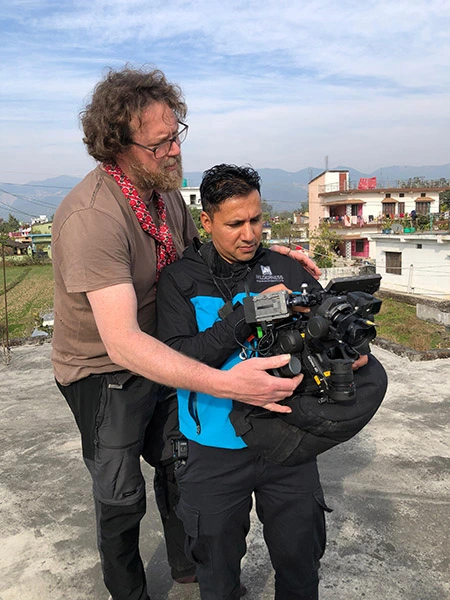
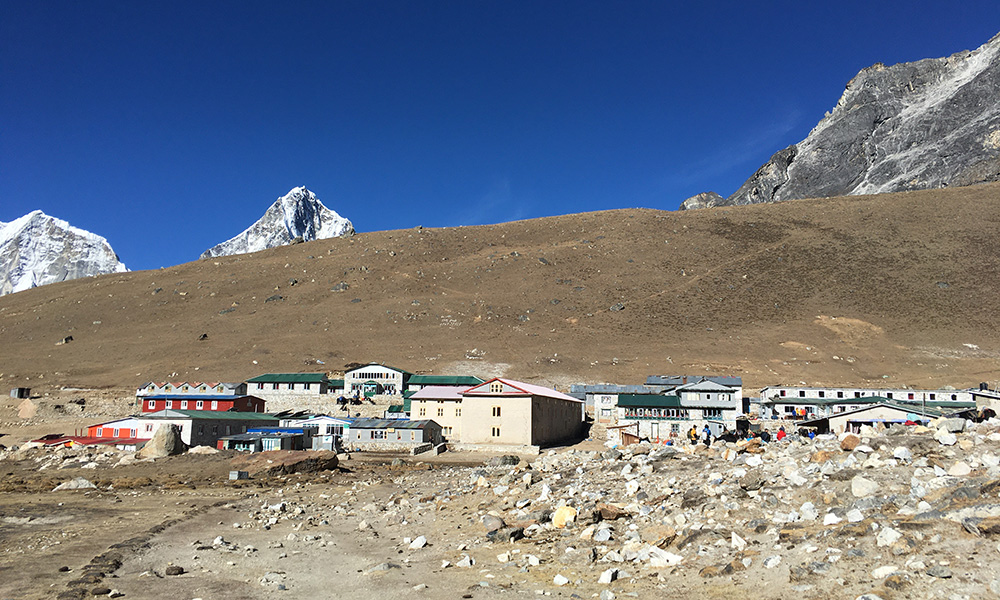
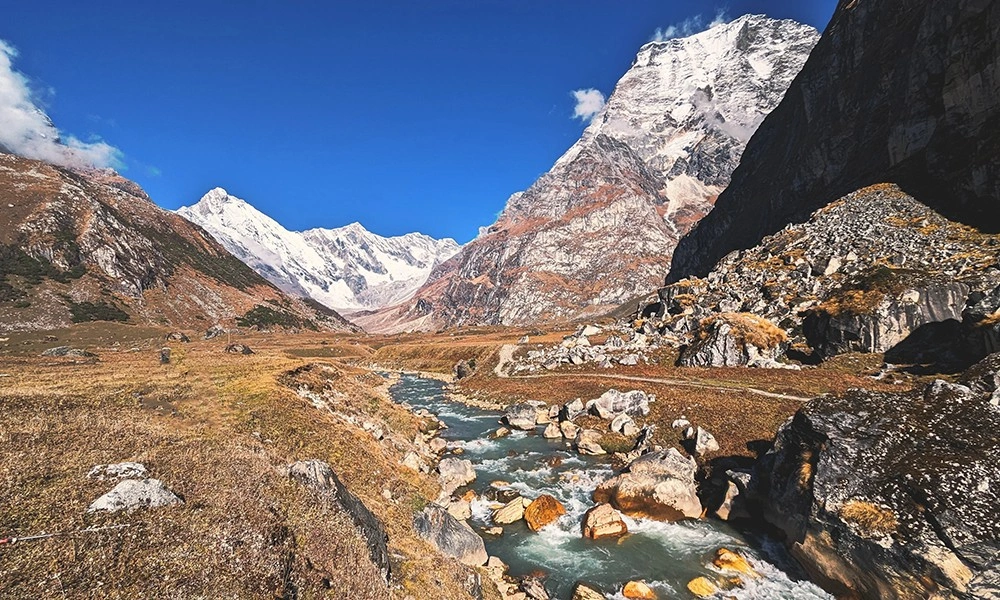
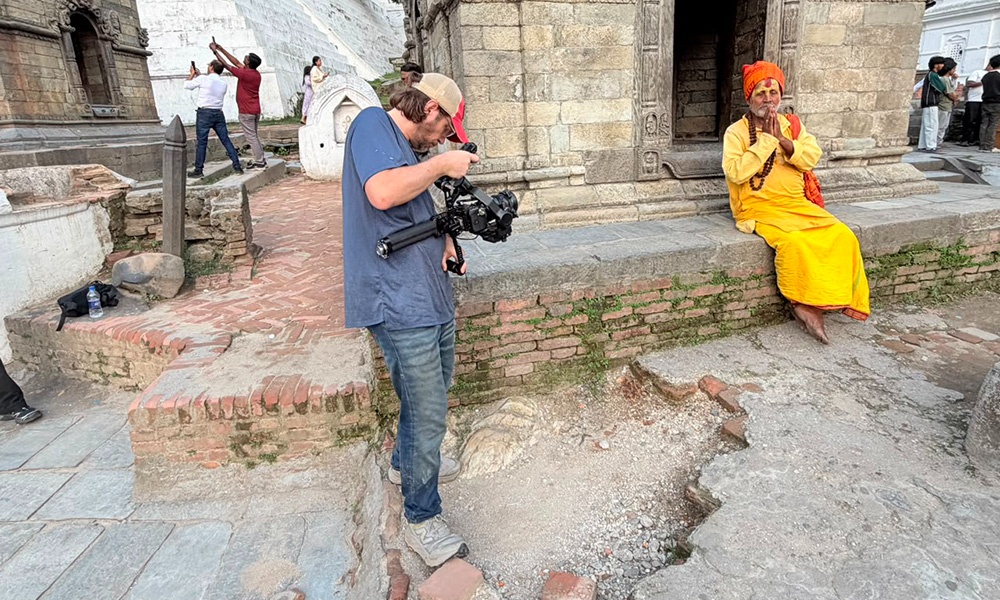
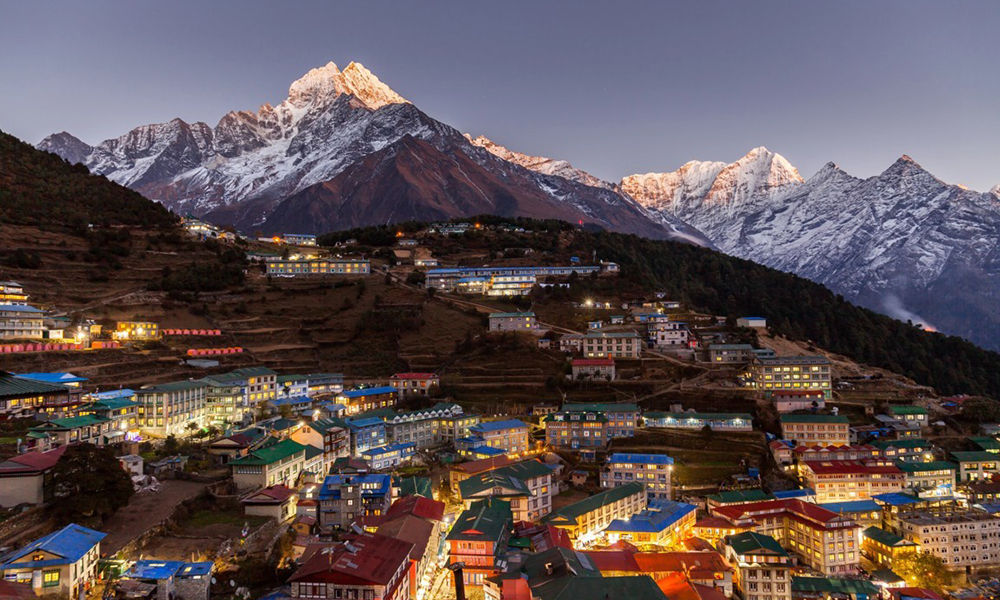
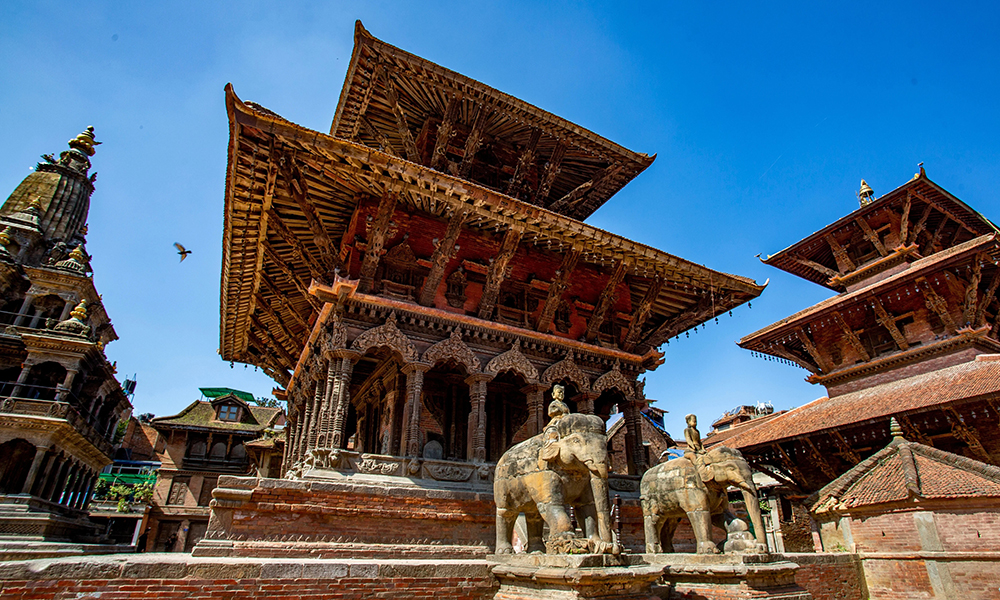
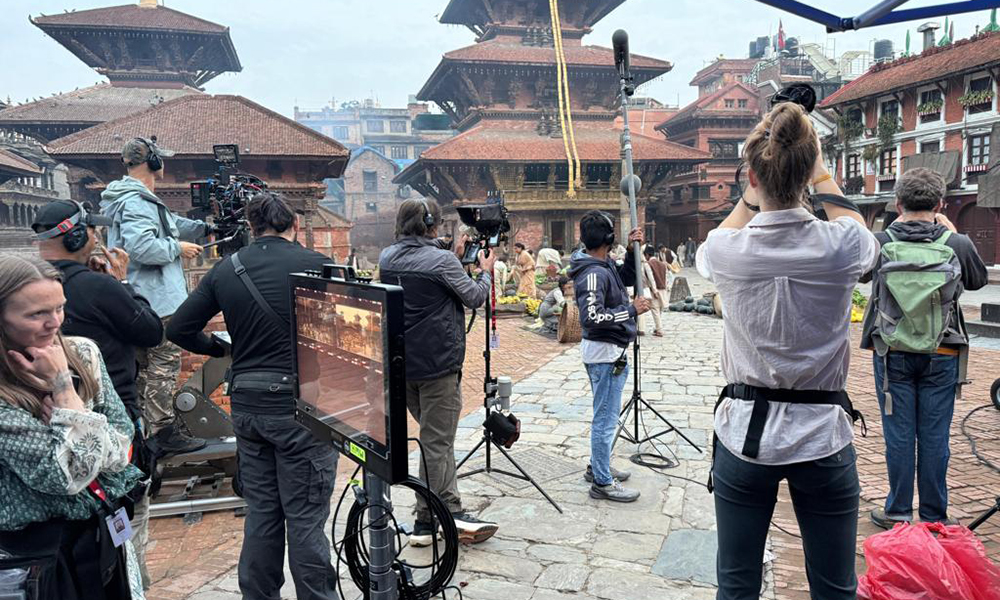
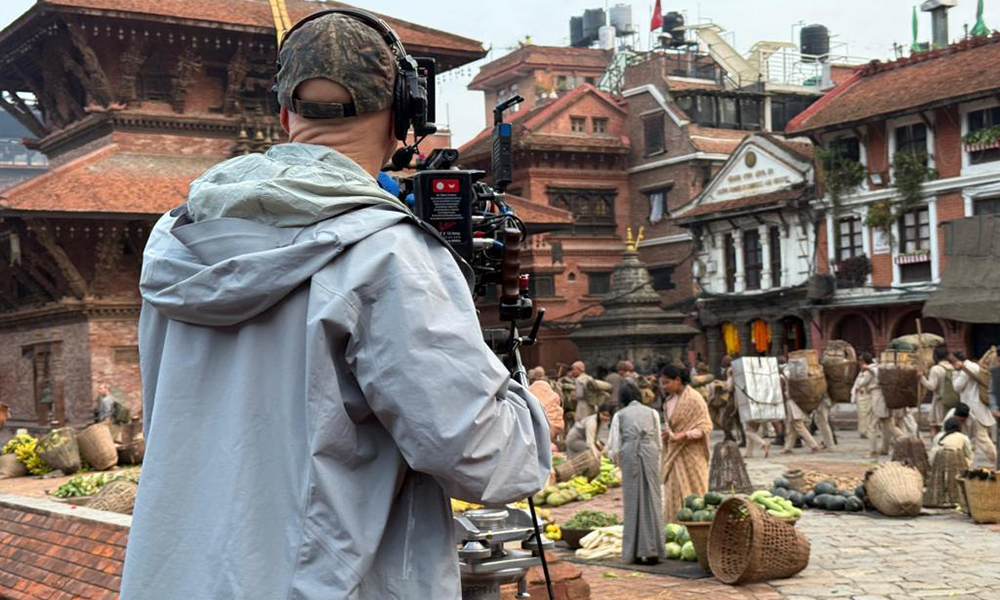
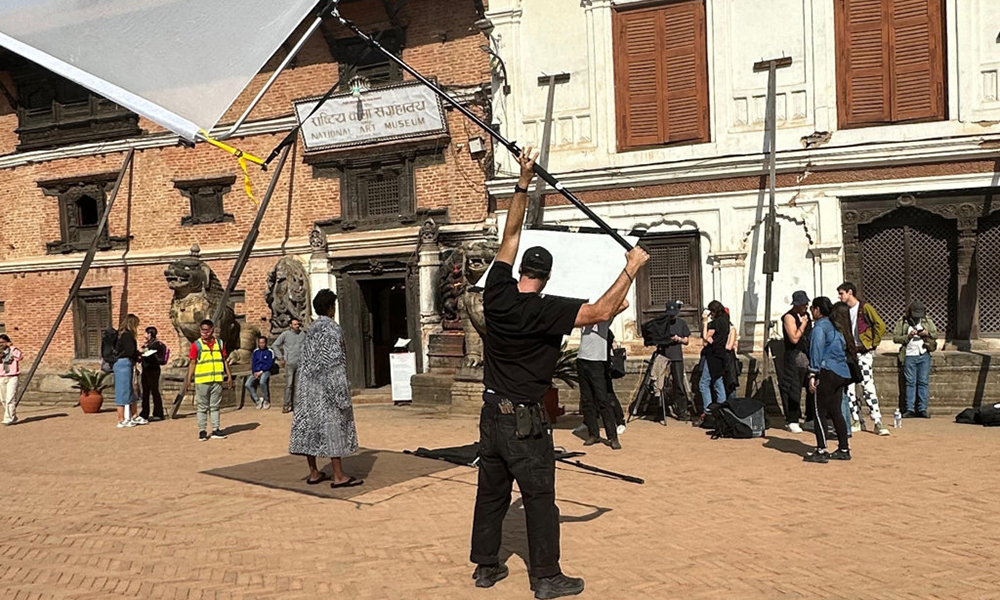
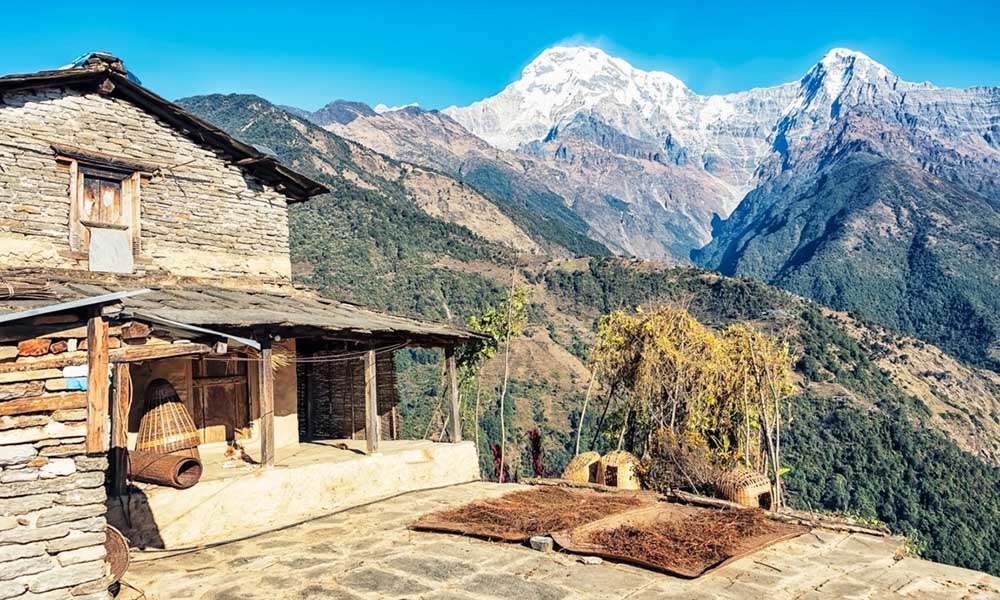
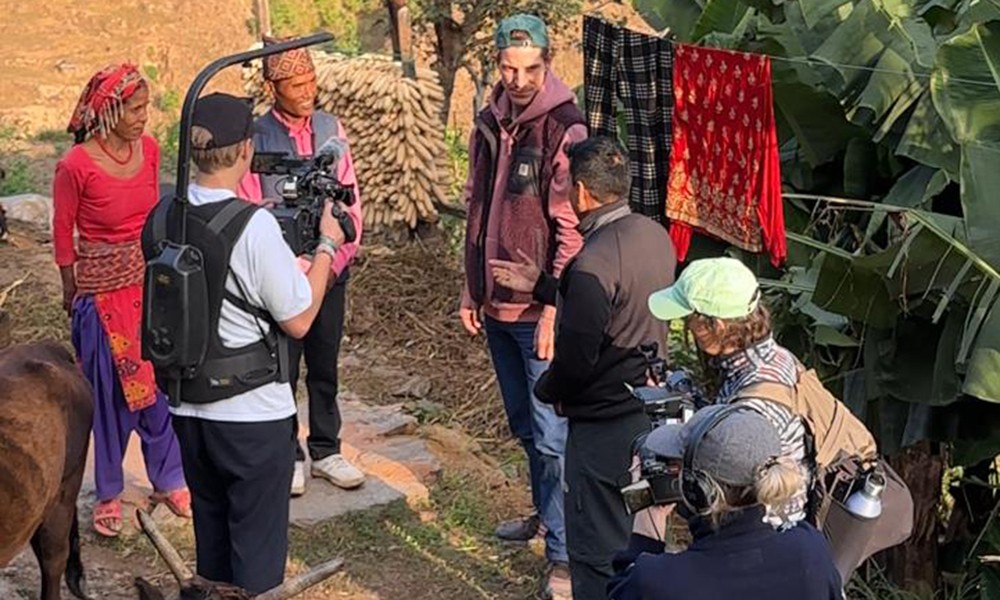
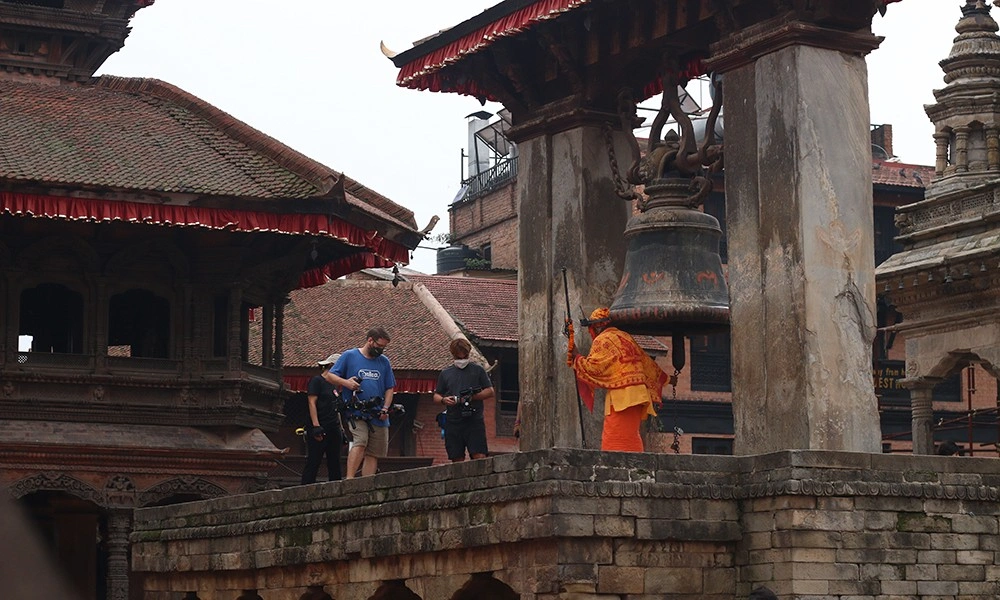
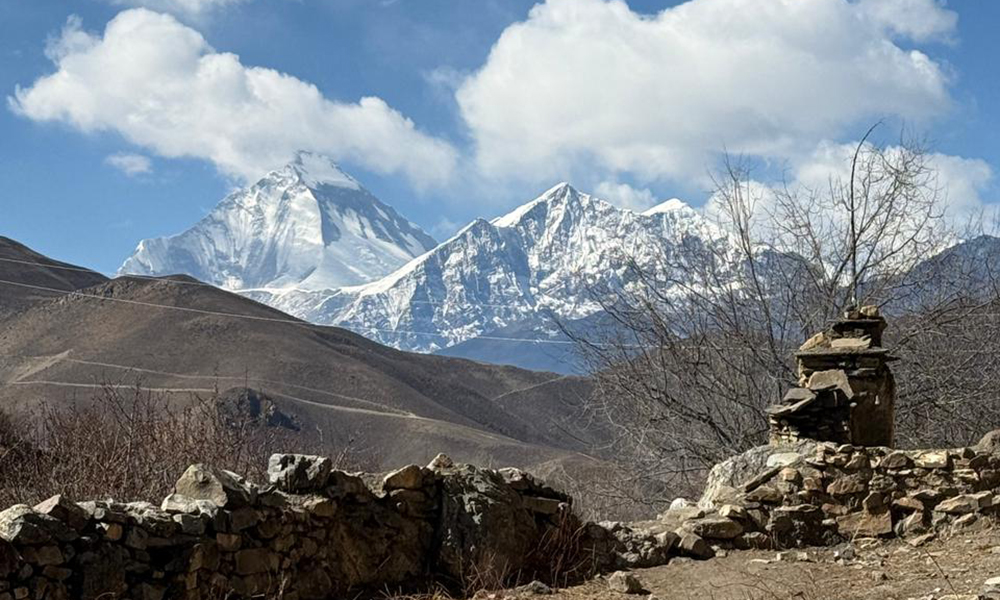
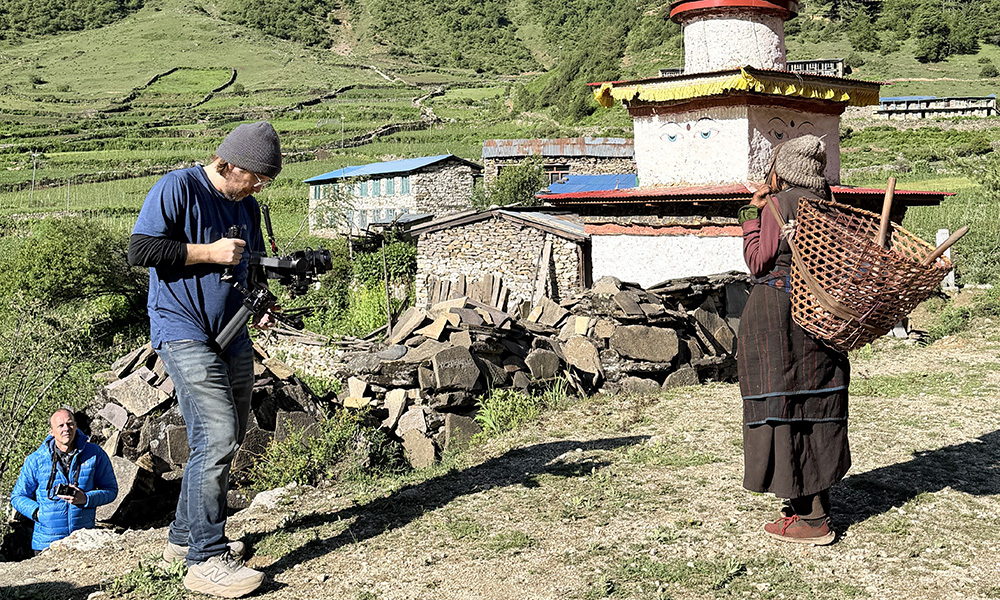
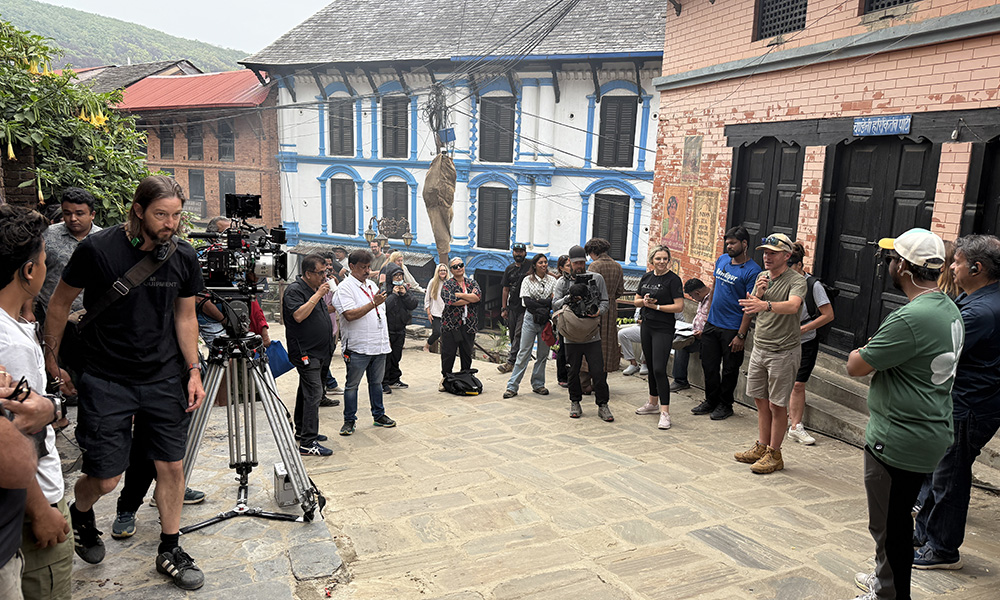
Tenzing (2026) returns to this moment with production support from Wilderness Film Productions across nine Nepal locations, including sites in the Everest region itself. Telling this story accurately, on the ground where it happened, connects the film directly to the history it represents and gives audiences a grounded account rather than a dramatized version detached from the real events.
That experience now supports future international productions filming across Nepal. Published by Wilderness Film Productions. We served as the Location Manager for the Nepal shoot of Tenzing (2026). Bhuwan Bharati, Chief Executive Officer. Your Nepali partner for international film production & fixer services.















Latest Comments