

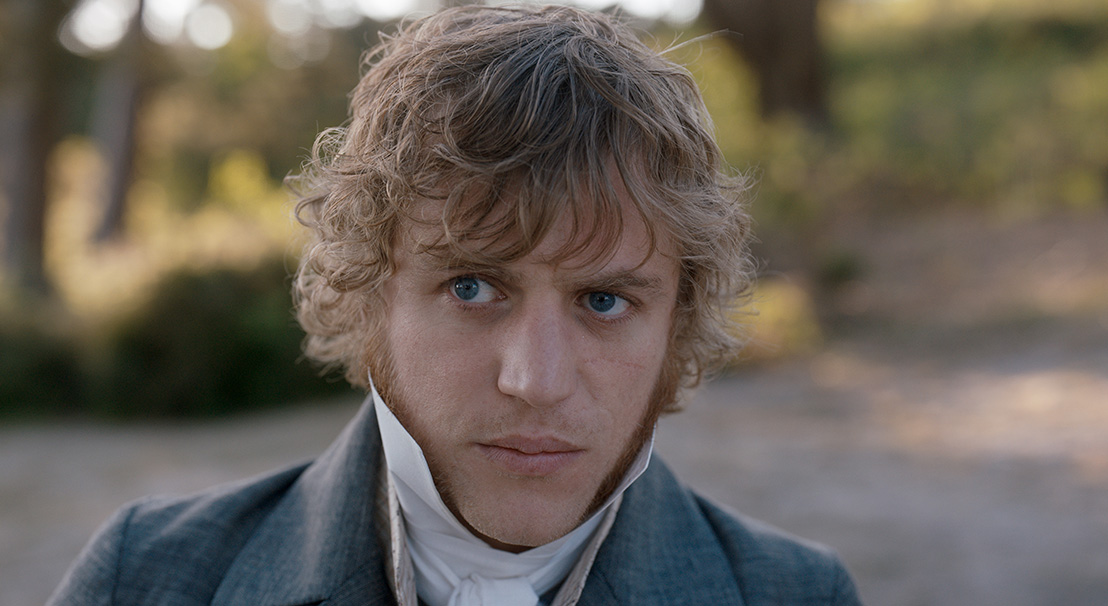
Reviews of Telluride and TIFF have confirmed a casting detail that had not been reported anywhere before this month. Johnny Flynn appears in Tenzing as George Mallory, the British mountaineer whose 1924 disappearance on Everest remains one of the sport's oldest unsolved mysteries.
His role is brief, confined to flashback sequences, but multiple critics have singled it out as a meaningful piece of the film's structure. This piece covers who Flynn is, who Mallory actually was, and how the film uses that history to frame Tenzing Norgay's own story.
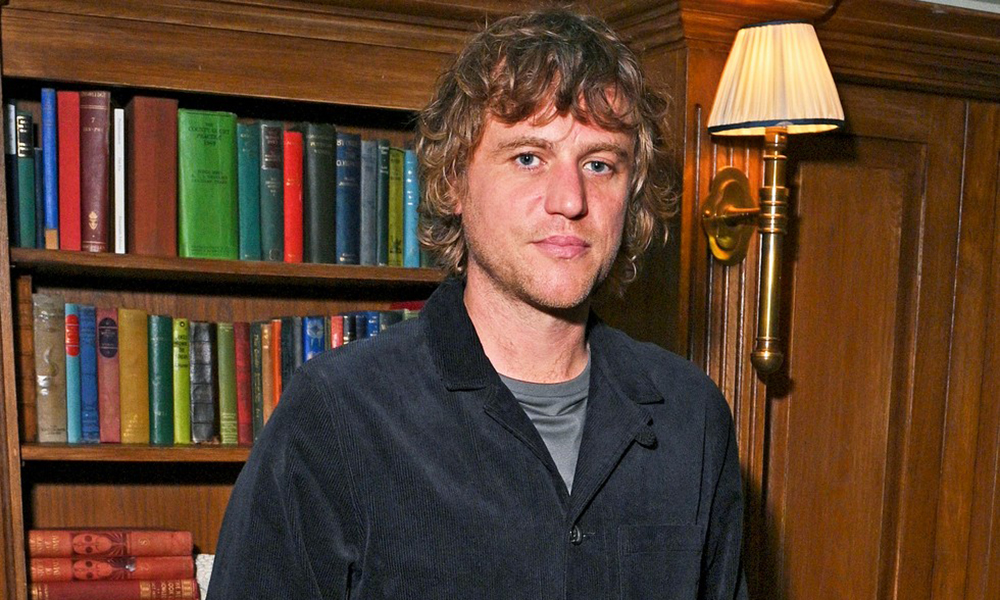
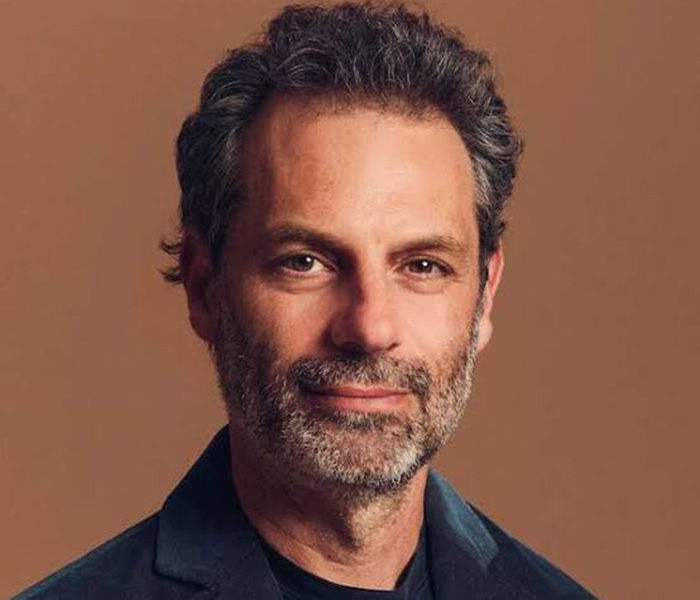
Who Is Johnny Flynn
Flynn is a South African-born British actor and musician, born in Johannesburg in 1983. He was raised in a family with deep ties to performance. His father, Eric Flynn, was a British actor and singer, and his half-brother Jerome Flynn is widely known for his role in Game of Thrones.
Similar Articles: The True Story of the 1953 Everest Expedition Behind Tenzing (2026)
Flynn's film career includes playing David Bowie in Stardust, Mr. Knightley in the 2020 adaptation of Emma, and a young Nicholas Winton in One Life. He is also a working musician, fronting the band Johnny Flynn and the Sussex Wit. He composed the theme song for the television series Detectorists.
Who Was George Mallory
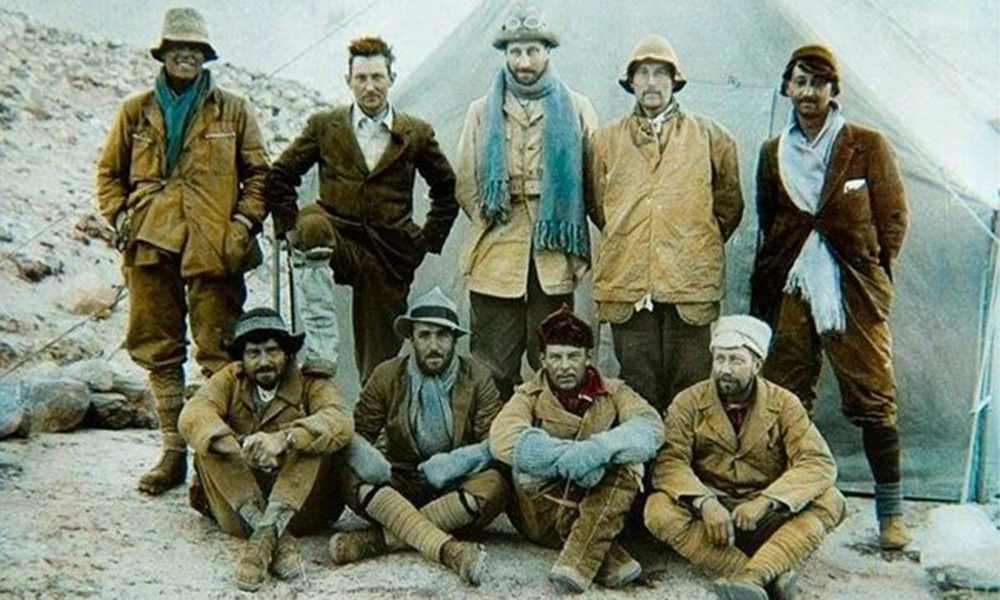
Mallory was a real British mountaineer who took part in early British expeditions to Everest in the 1920s. In June 1924, he and climbing partner Andrew Irvine disappeared high on the mountain during a summit attempt. Neither man was seen alive again.
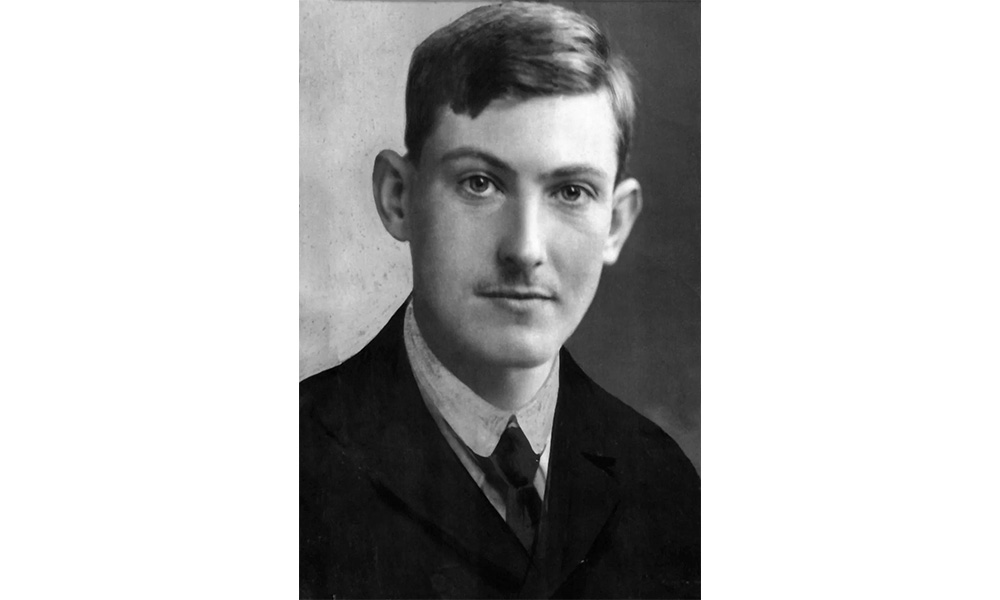
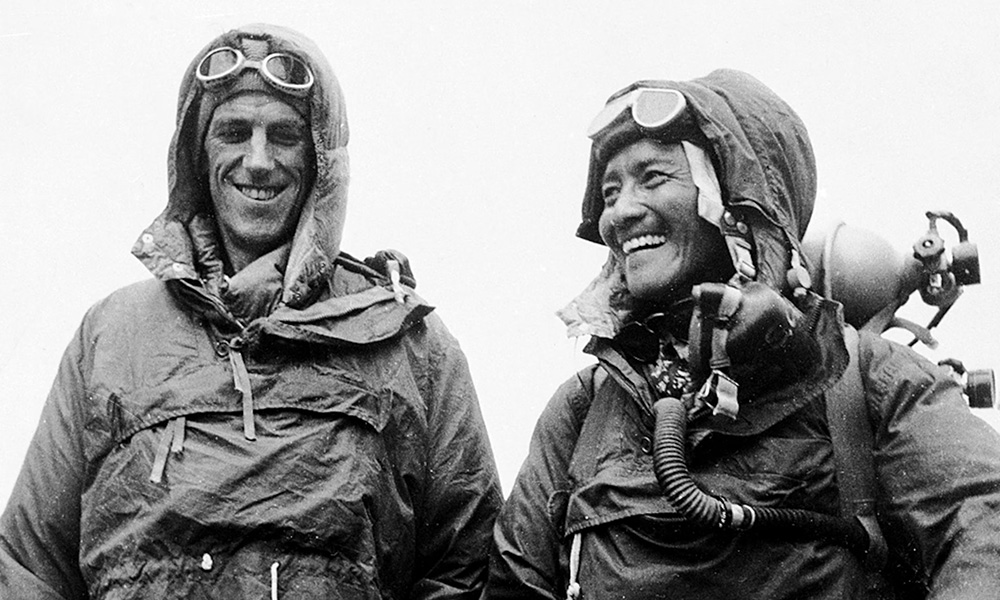
If Mallory and Irvine reached the summit before their deaths has never been conclusively established. That question has hung over mountaineering history for a century, remaining one of the sport's most enduring open mysteries. It sat unresolved for nearly thirty years before Tenzing Norgay and Edmund Hillary's confirmed 1953 ascent.
How Mallory Appears in the Film
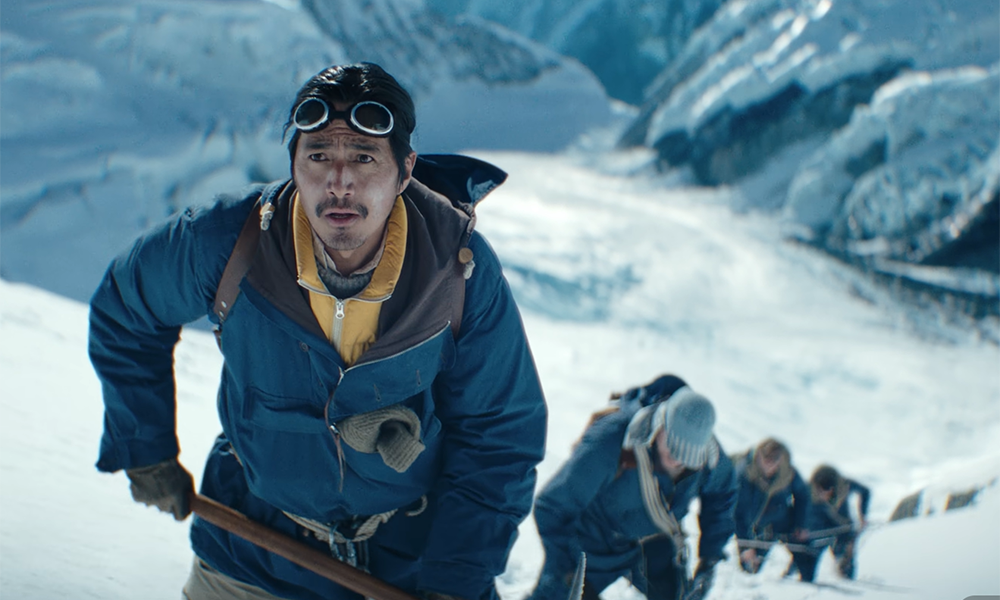
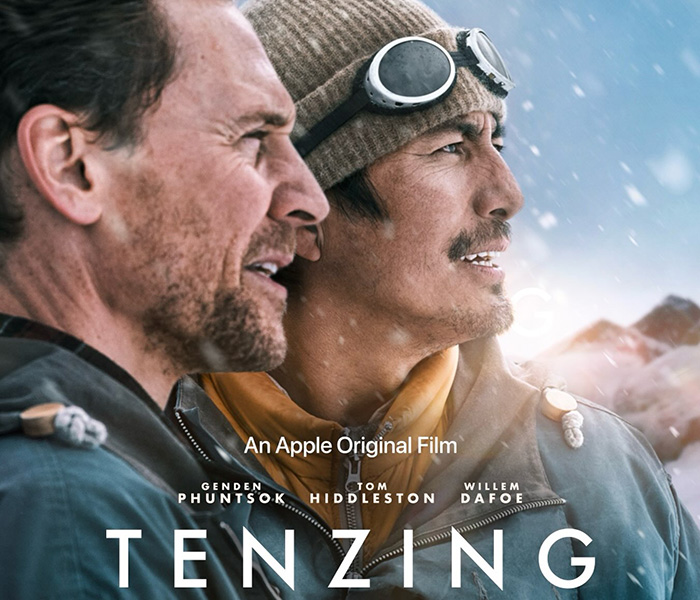
According to reviews from both festivals, Tenzing opens with a young Tenzing Norgay in 1920s Tibet, watching the arrival of a foreign expedition led by Mallory. Critics have described that meeting as a speculative framing device rather than a documented historical event. It sets young Tenzing on the path toward his lifelong fixation on the mountain he calls Chomolungma.
Also Read: Tenzing (2026) Premieres at Telluride to Its First Reviews
Flynn's screen time is limited to these early flashback sequences. His Mallory functions less as a character in his own right and more as the spark that ignites the story the rest of the film goes on to tell.
Mallory's Presence Runs Deeper Than One Scene
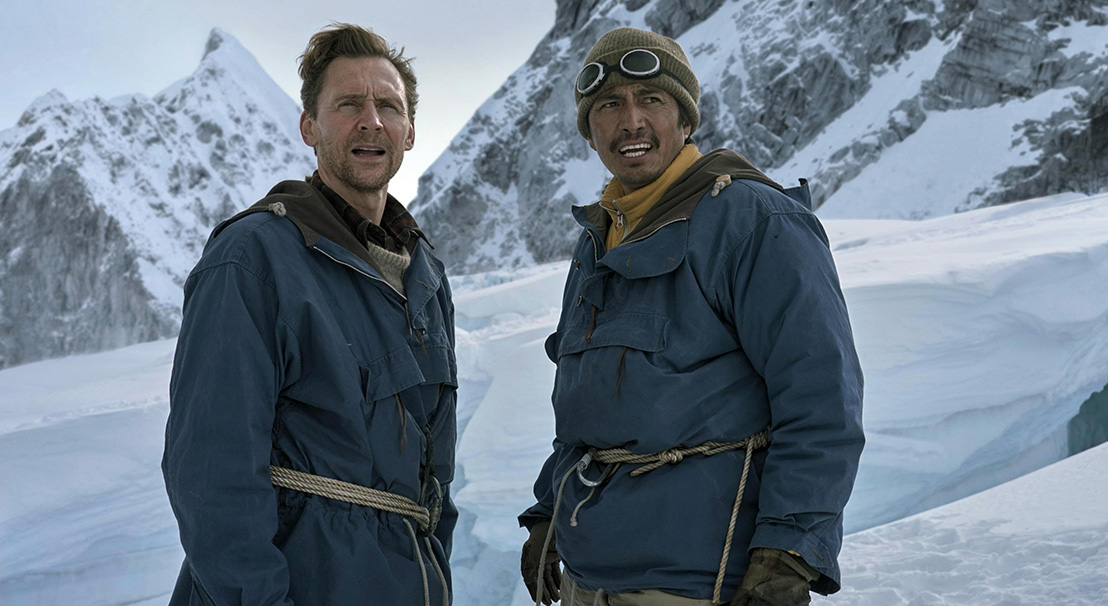
Mallory does not disappear from the story once the opening flashback ends. Reviewers have described a later exchange between Hillary and Tenzing where Hillary calls Mallory "the reason we're all here." Tenzing's reply, "I was already here," reframes Mallory's legacy from Tenzing's own point of view rather than the West's.
That exchange draws directly on real history. Mallory is famously quoted as saying he wanted to climb Everest "because it's there," one of the most famous lines in mountaineering. His body was not found until 1999, seventy-five years after he vanished. Remains believed to belong to Andrew Irvine were only discovered in 2024, and definitive proof that either man reached the summit has still never surfaced.
That Shelf's review of the film called the invented meeting between young Tenzing and Mallory "an excellent framing device." The review also acknowledged the meeting is speculation rather than documented fact. The device works because it borrows real weight from an unresolved piece of history everyone already recognizes.
Why Critics Have Noted the Choice
Several reviews out of Telluride and TIFF have called out this framing device specifically, while also noting it takes real liberties with the historical timeline. Reviewers have generally credited Tenzing with using that invention responsibly rather than distorting the history that follows.
That kind of controlled invention, using a real historical figure to establish a fictionalized emotional throughline, is a common tool in biographical filmmaking.
One Mystery Resolved by Another Man's Certainty
Mallory's fate was never confirmed. Tenzing Norgay's was. The film opens with a question mountaineering never answered and spends the rest of its runtime building toward an answer history actually recorded, Tenzing and Hillary standing on the summit in 1953, witnessed and undisputed.
That structural choice says something about what the film is actually interested in. It is not the mystery of who reached the top first in some unresolved past, but the certainty of who did, and how long the world took to give that man his due.
Related Readings: Tenzing (2026): The Untold Story of the Man Who Conquered Everest
That experience now supports future international productions filming across Nepal.
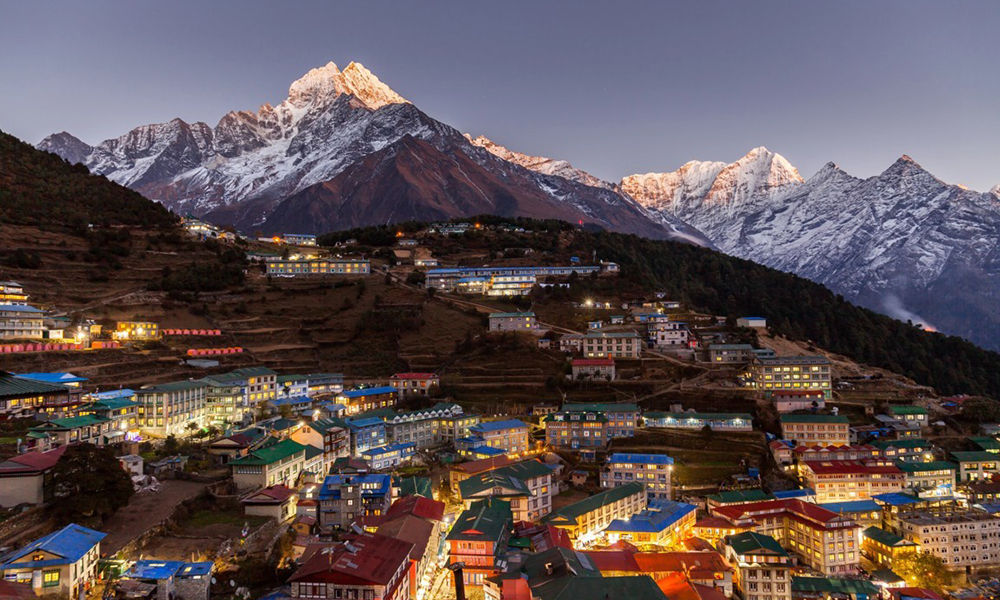
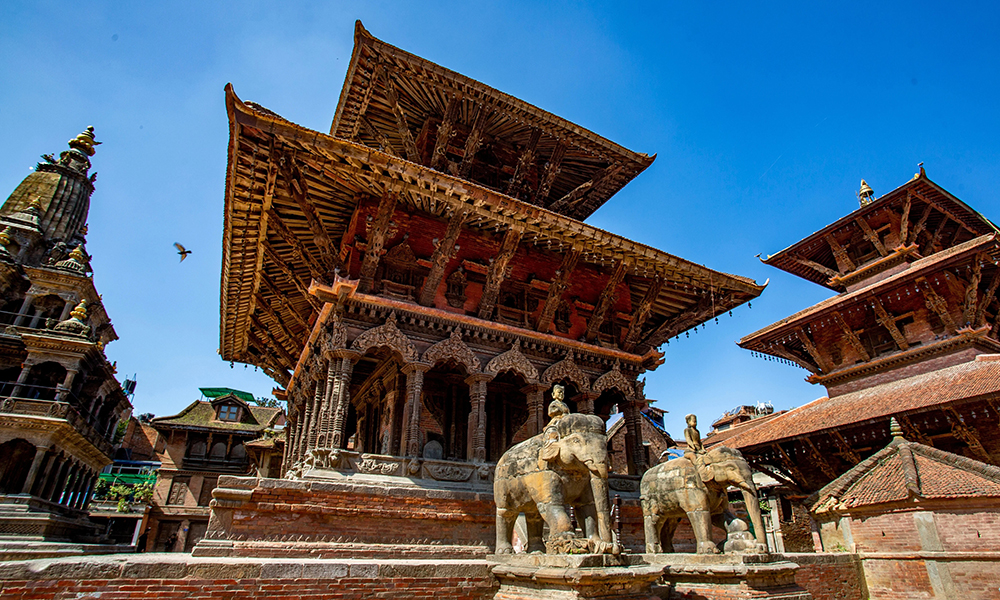
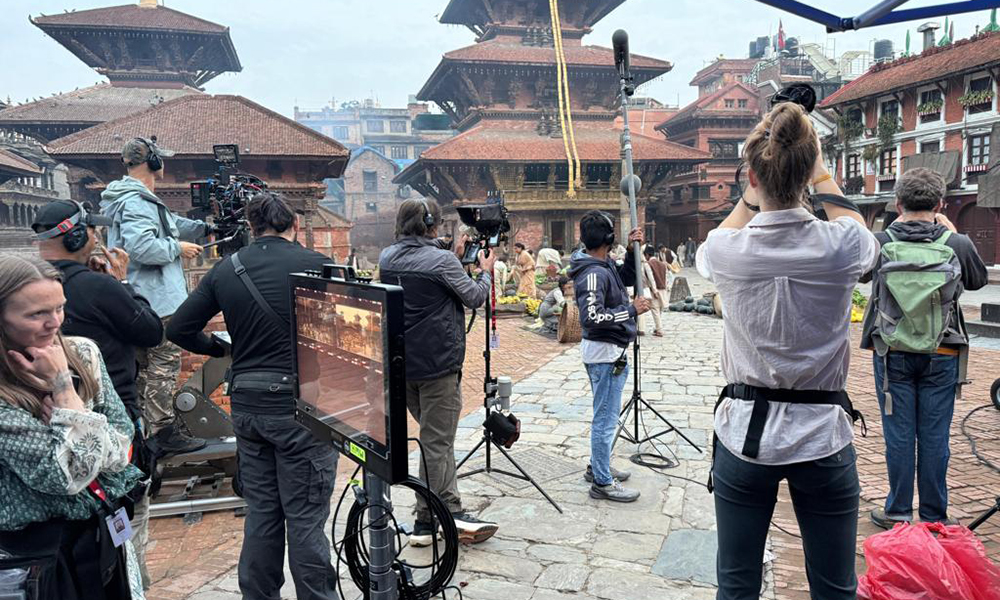
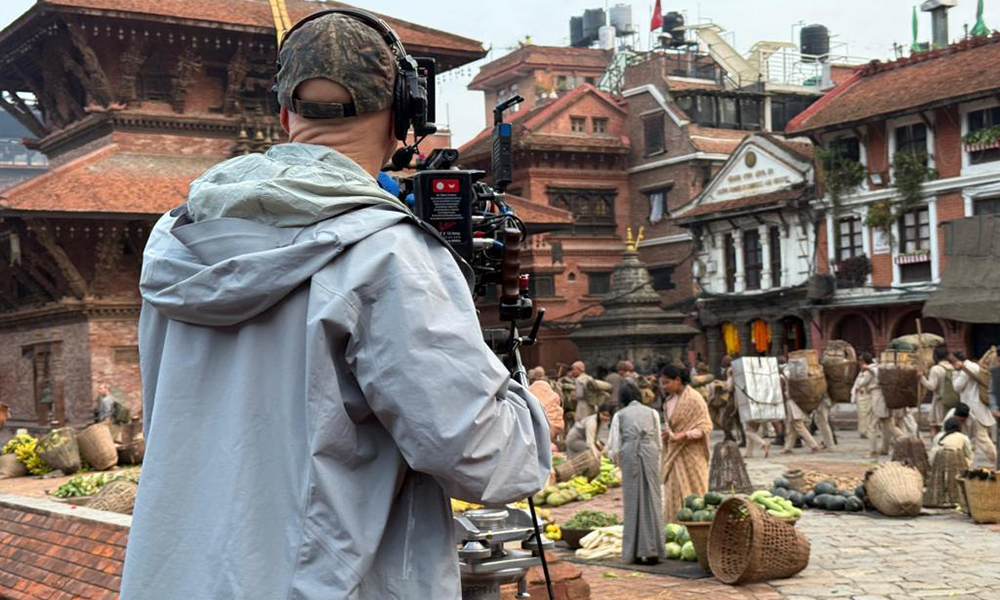
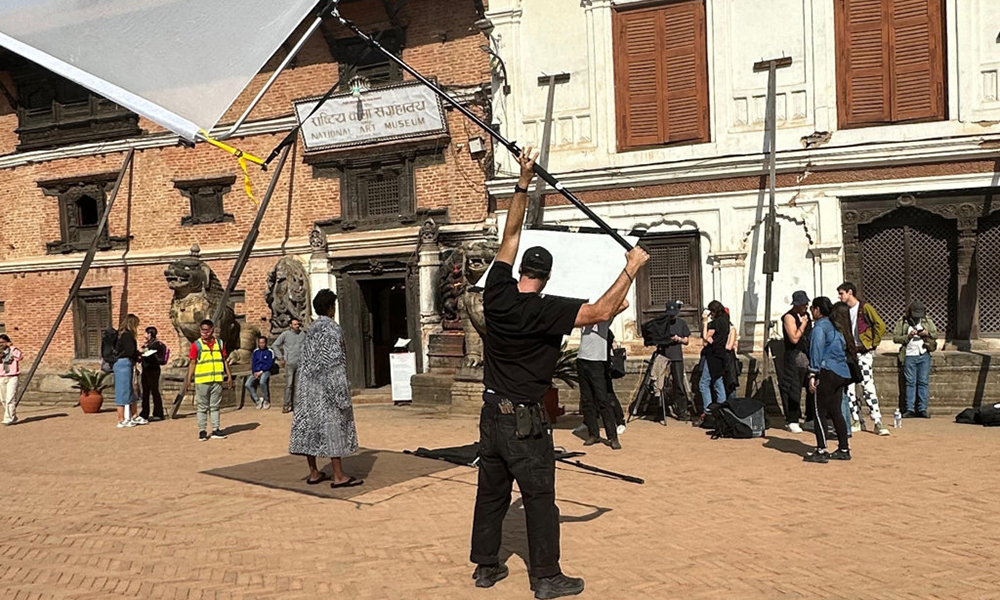
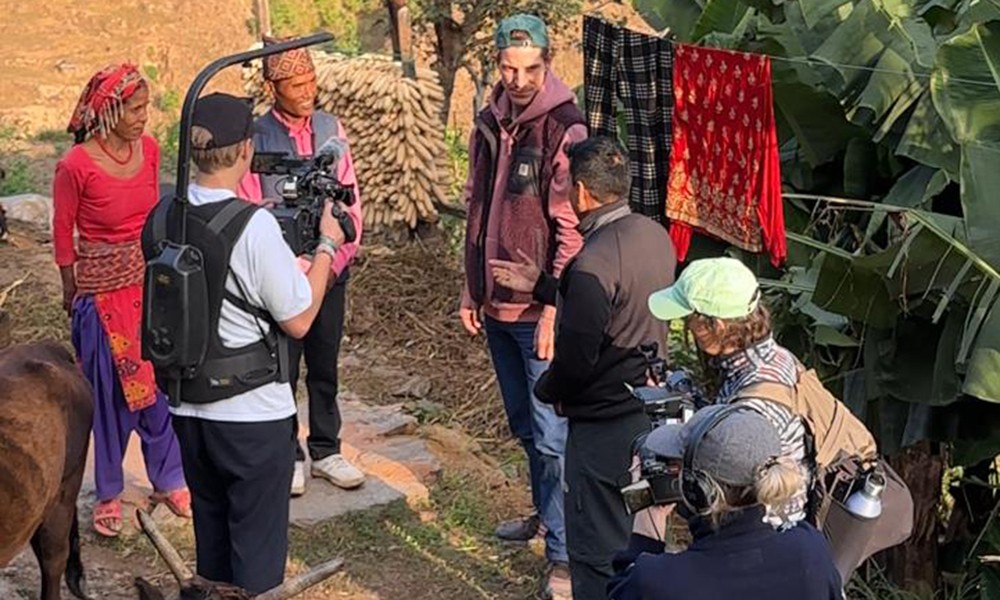
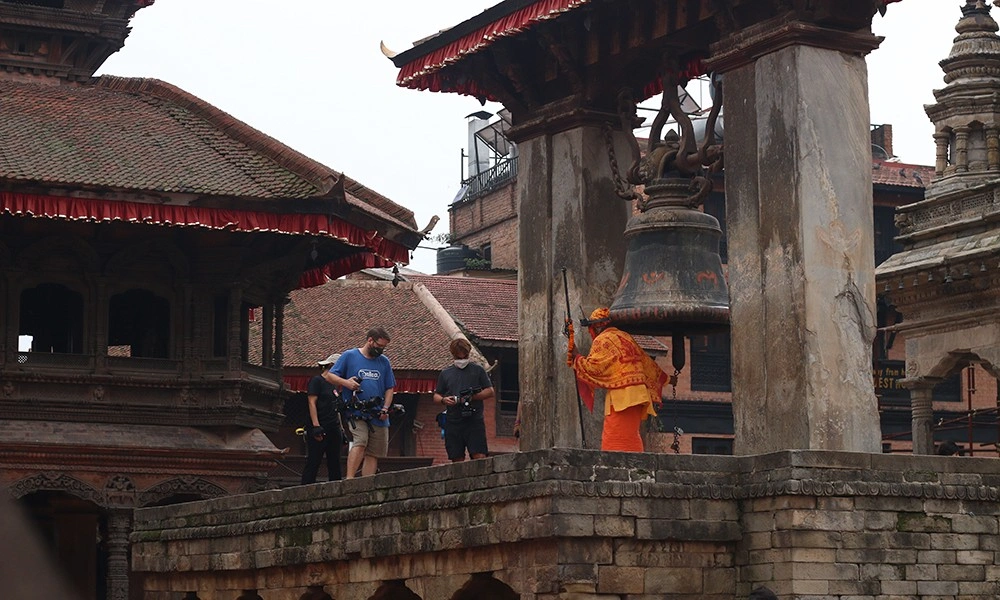
Every location in this story, real or featured only in flashback, still needed permits, coordination, and someone on the ground to make it work. That was Wilderness Film Productions' job on Tenzing (2026), and it is the same work we bring to any international production choosing to film in Nepal.
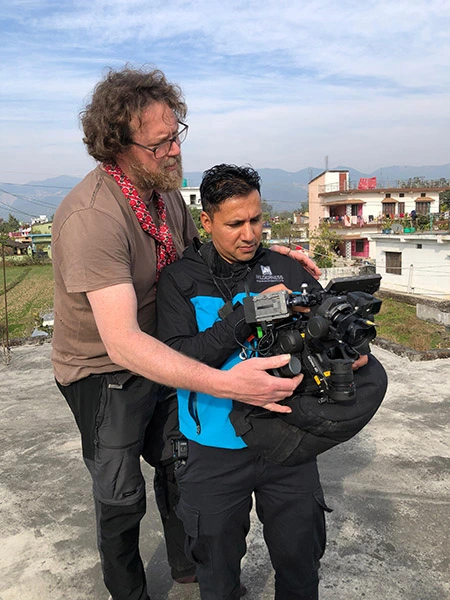
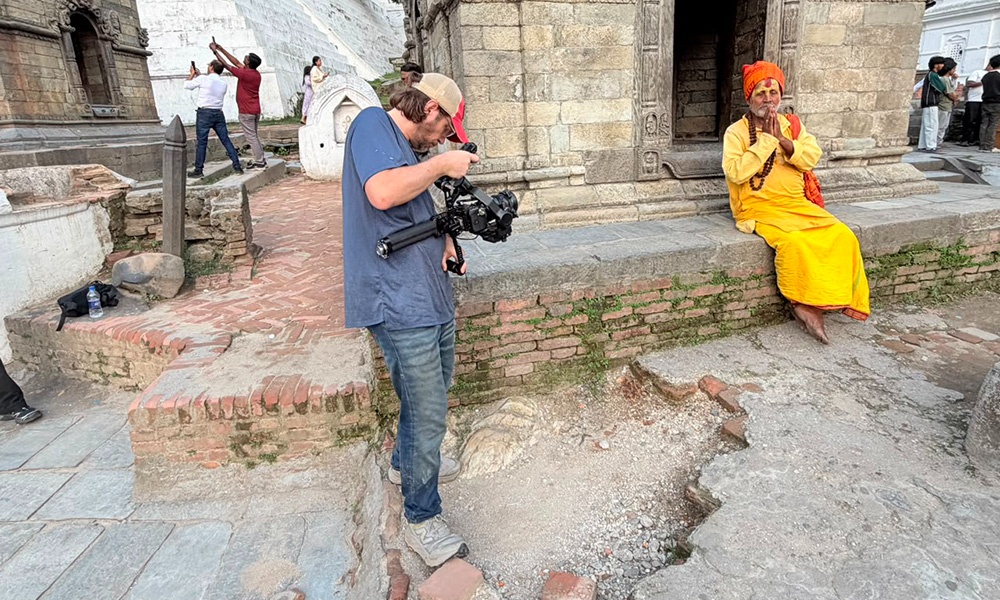
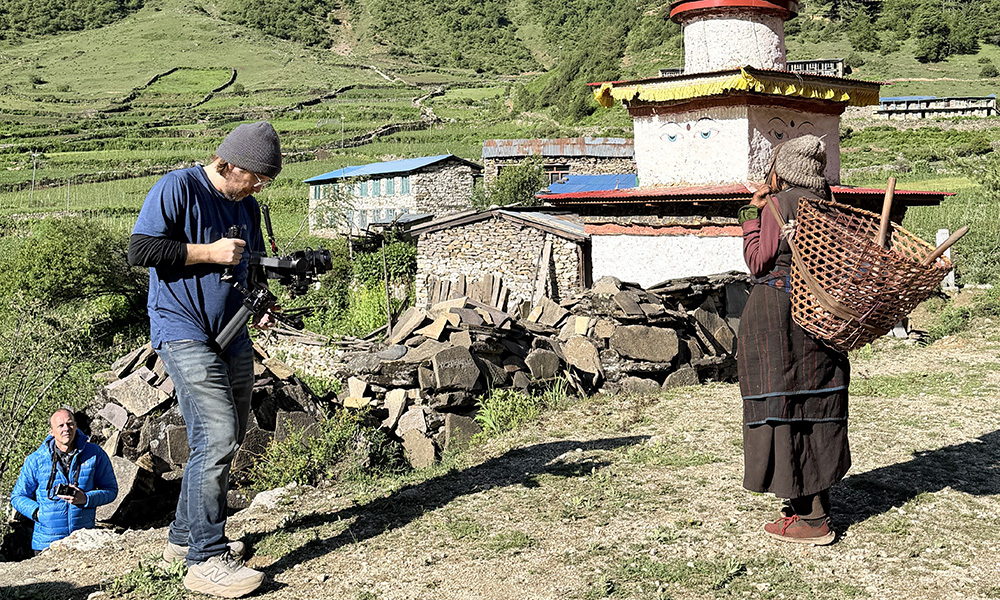
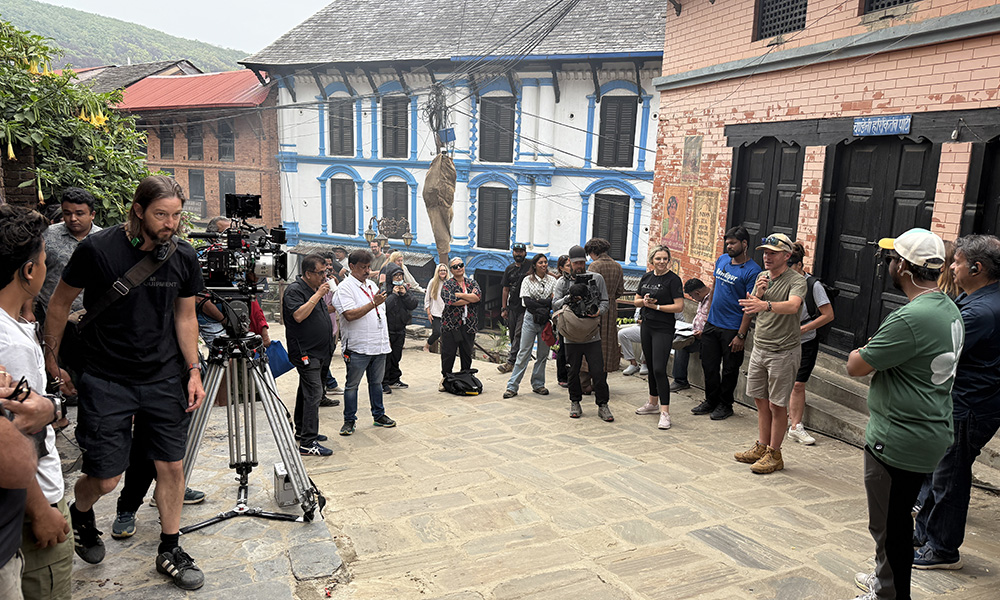
Wilderness Film Productions served as Location Manager for the Nepal shoot of Tenzing (2026), work that put the production on the ground for a story now proving to span far more history than Mallory's own unresolved chapter.
Bhuwan Bharati leads Wilderness Film Productions & Wilderness Outdoors as Chief Executive Officer, running Nepal's production support for crews arriving from anywhere in the world.









Latest Comments