

Published by Wilderness Film Productions.
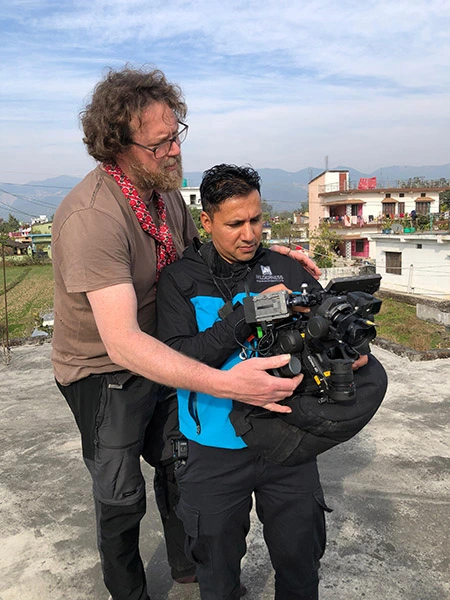
We served as the Nepal production support company for the Tenzing (2026) shoot.
Introduction
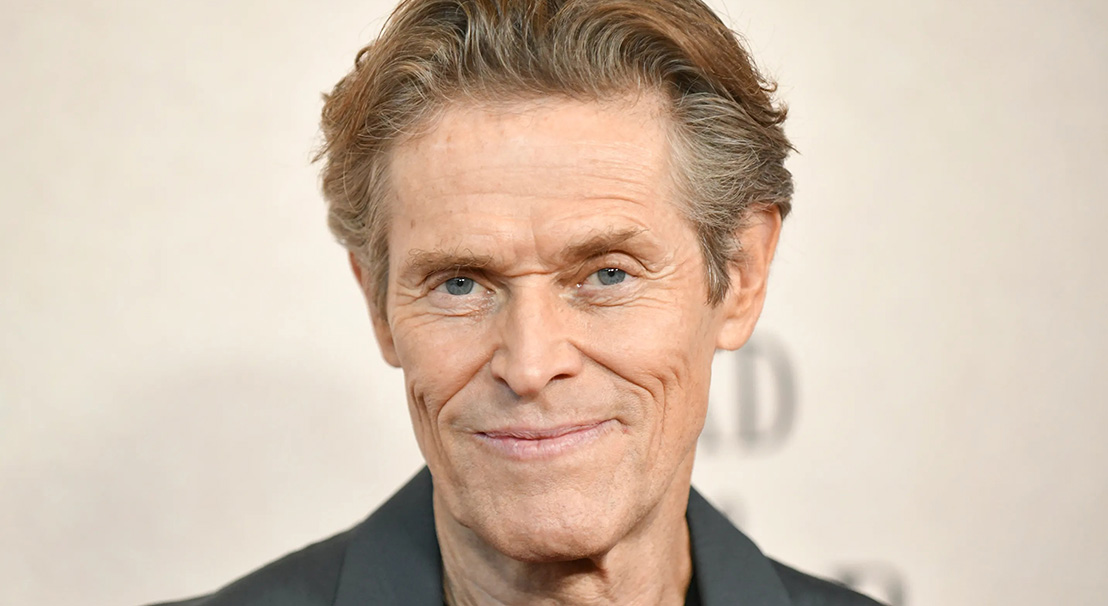
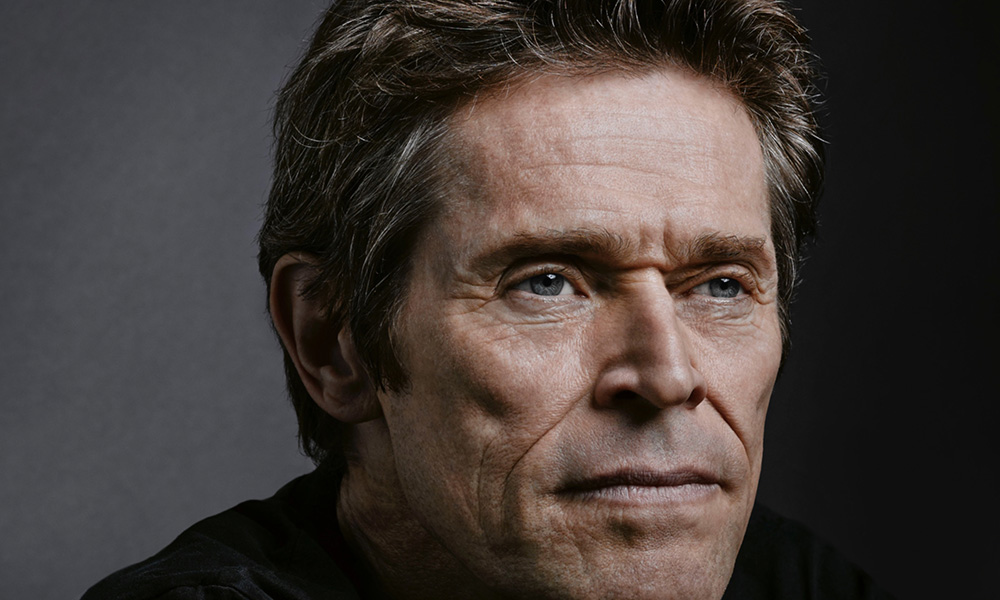
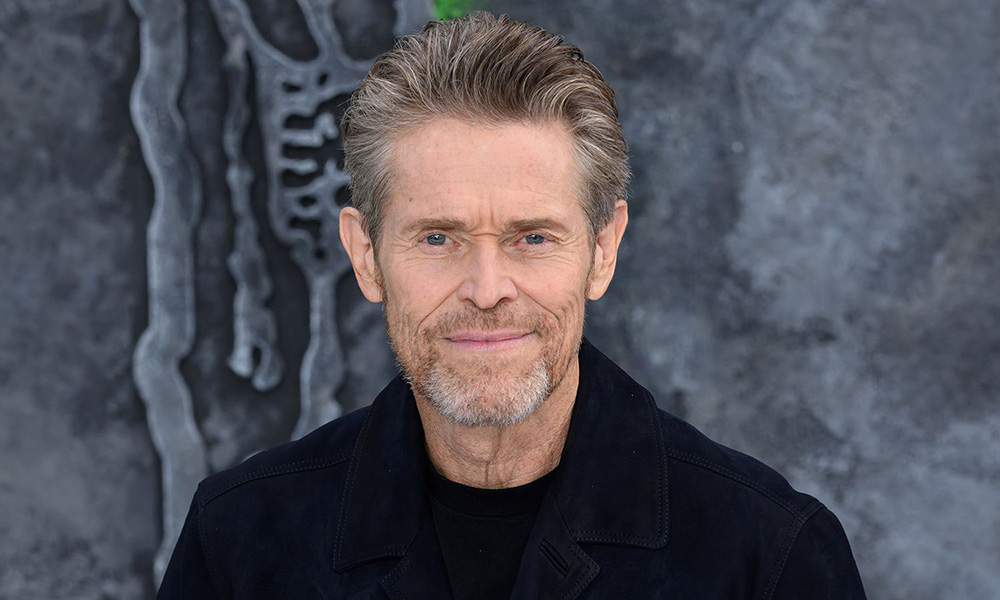
Willem Dafoe has built a career across more than four decades and over one hundred films spanning nearly every genre in modern cinema. He has earned four Academy Award nominations and worked with some of the most respected directors currently making films. In Tenzing (2026), Dafoe takes on the role of Colonel John Hunt, the British Army officer who organized and led the 1953 Everest expedition that placed Tenzing Norgay and Edmund Hillary on the summit.

Hunt never stood on the summit himself, and history has largely treated him as a supporting figure in a story his own planning made possible. This piece looks at who Hunt actually was, the historical weight of the 1953 expedition, why Dafoe was chosen for this role, and how Wilderness Film Productions supported the Nepal portion of this production.
Who Was Colonel John Hunt
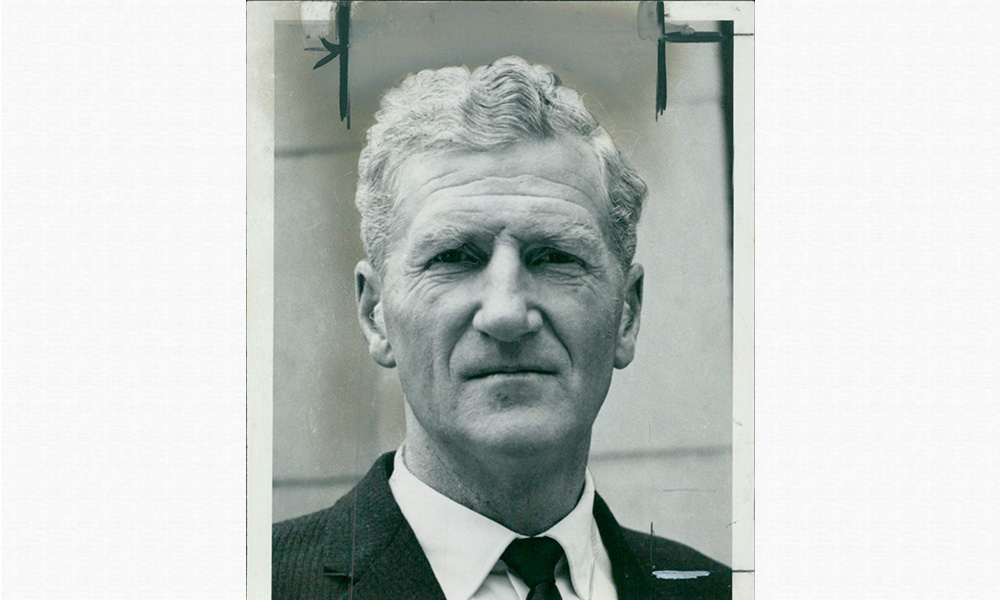
John Hunt was born in India in 1910 to a family with a long history of British military service, and the family returned to England while he was still a child. He joined the British Army in 1930 after attending military school, and he spent several years posted in India before the Second World War changed the direction of his career entirely. During the war, he led a unit operating behind enemy lines in North Africa and Greece, and he received the Distinguished Service Order for that service.
You May Also Prefer Reading: Tenzing (2026): The Untold Story of the Man Who Conquered Everest
After the war, Hunt became secretary of the Joint Himalayan Committee, the organization responsible for planning British attempts on Everest. He later wrote a detailed account of the expedition titled The Ascent of Everest, published shortly after the climb, which remains a primary historical source for researchers and filmmakers today. Queen Elizabeth II knighted him shortly after the expedition's success became public. He spent much of the remainder of his life in public service, including years directing the Duke of Edinburgh's Award scheme, before his death in 1998 at the age of eighty-eight.
Four Failed Expeditions Before Hunt
British mountaineers had already attempted Everest four separate times between 1921 and 1952, and every attempt ended without reaching the summit. The 1921, 1922, and 1924 expeditions explored routes from the Tibetan side and lost climbers to the mountain, including George Mallory and Andrew Irvine, whose fate remained unknown for decades afterward.
A 1952 Swiss expedition came remarkably close from the Nepalese side, reaching within a few hundred meters of the top before weather forced a retreat. By the time Hunt took charge of the 1953 attempt, pressure to succeed before another nation reached the summit first had grown significant across the British mountaineering establishment.
The Scale of the 1953 Expedition
According to Hunt's own published account, the 1953 expedition required more than four hundred people to reach the mountain and support the summit attempt. That total included 362 porters and twenty Sherpa guides, who together carried roughly ten thousand pounds of supplies and equipment across some of the most demanding terrain on earth. Hunt organized this operation across nine separate camps positioned at increasing altitude, each one a calculated tradeoff between oxygen supply, weather exposure, and the physical limits of the climbers carrying loads upward.
Hunt's Relationship With Tenzing and Hillary
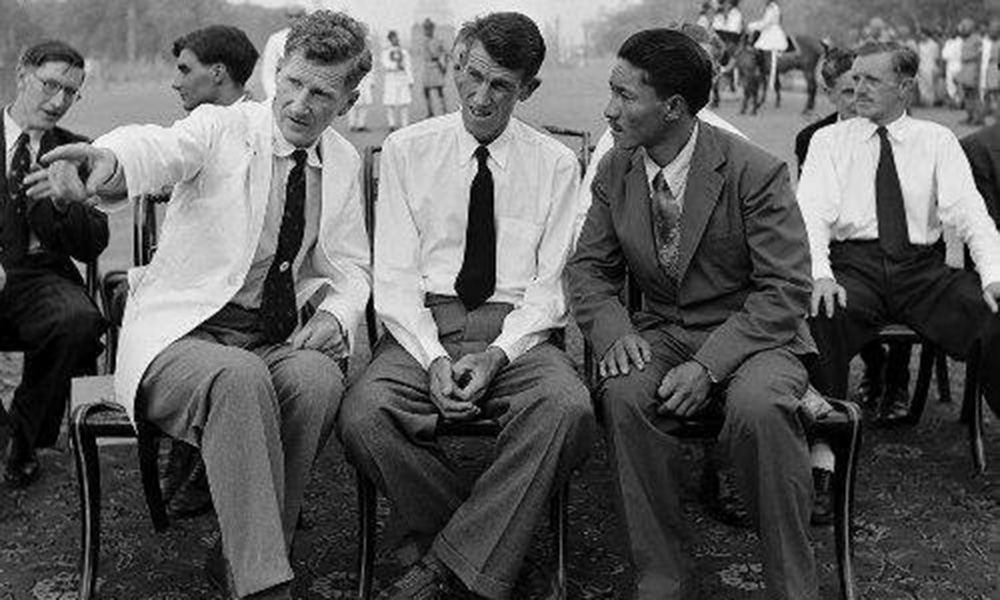
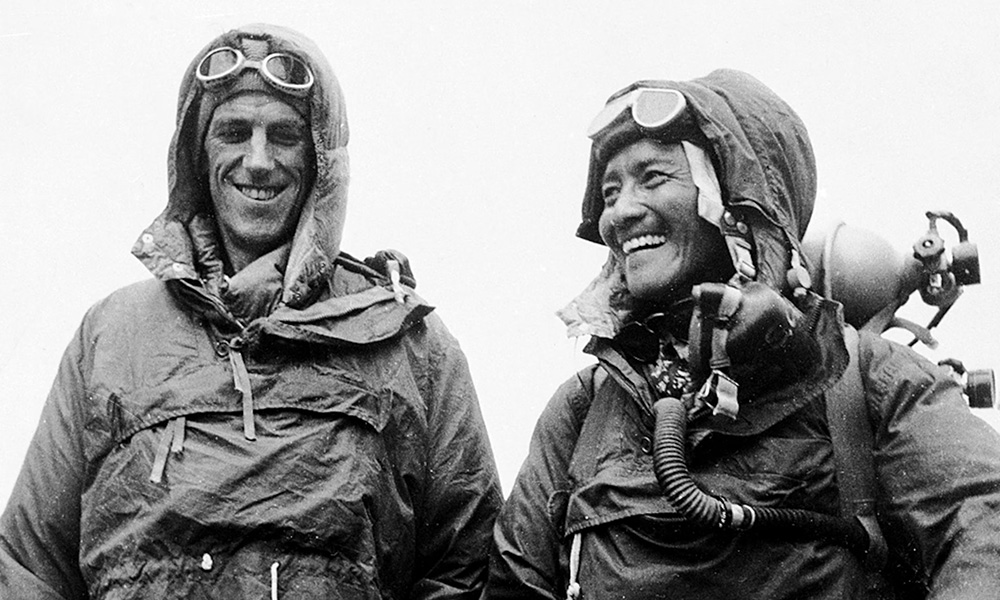
Hunt selected Tenzing Norgay and Edmund Hillary for the final summit attempt only after carefully assessing every climber on the expedition roster. Historical accounts describe him treating Tenzing as a full professional member of the team rather than as hired support, at a time when Sherpa guides were routinely excluded from that kind of recognition within British expeditions. When a controversy emerged after the climb over which man had stepped onto the summit first, Hunt consistently declined to answer the question, maintaining that both men reached the top together and that the order made no meaningful difference.
Also Read Our Other Articles: Thinley Lhamo: The Nepali Actor Bringing Tenzing Norgay's Wife to Life
Hunt received the radio confirmation at Base Camp on the morning of May 29, 1953, that Tenzing and Hillary had reached the summit. That message marked the end of more than three decades of British attempts on the mountain and the beginning of Tenzing Norgay's recognition as one of the defining mountaineers of his generation.
Why Dafoe Was Cast as Hunt for Tenzing (2026)
Director Jennifer Peedom needed an actor capable of projecting quiet authority without relying on volume or conventional charisma. Hunt was not a commanding presence in the traditional dramatic sense. He was a methodical organizer who trusted preparation and structure over instinct, and that quality needed to come through the performance without a single shoot outburst.
Dafoe has spent much of his career playing men who carry weight without demanding recognition for it. His performance as Sergeant Elias in Platoon showed a soldier leading through steady competence rather than display. His work in The Lighthouse required him to hold tension beneath a controlled exterior across long stretches of screen time.
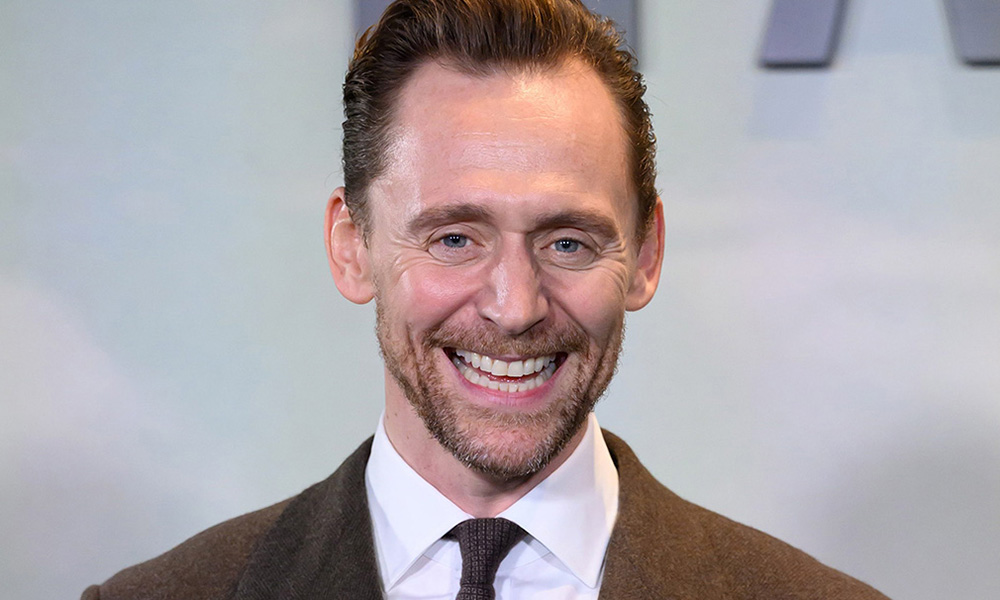
Related Articles: Tom Hiddleston Plays Edmund Hillary in Tenzing (2026)
His role in Poor Things demonstrated his willingness to work against audience expectation across an entire film. Earlier credits including Spider-Man, Aquaman, and The Florida Project show a range that stretches from blockbuster villainy to quiet independent drama, and casting him as a man defined by restraint rather than spectacle follows naturally from that range.
About Tenzing (2026)
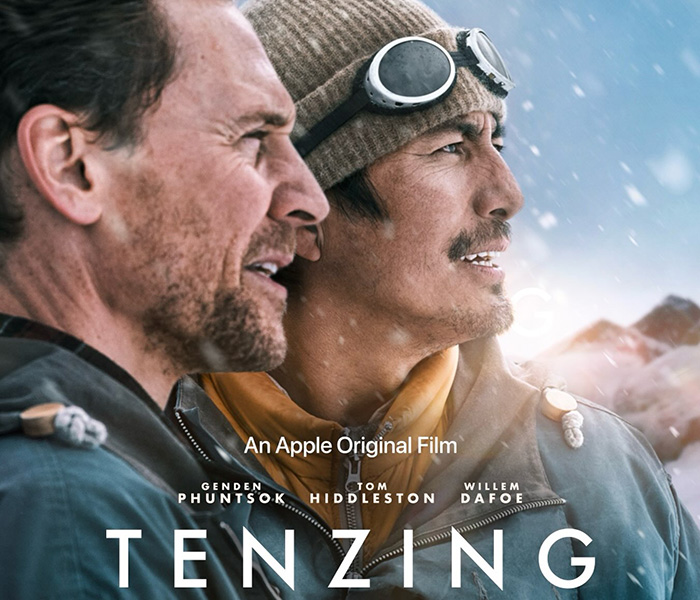
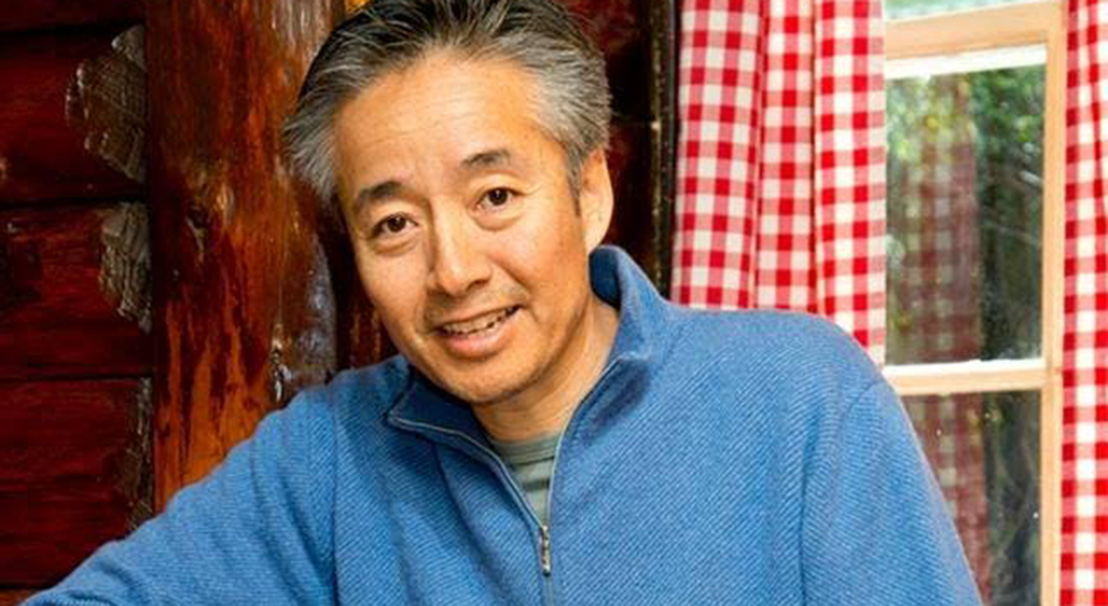
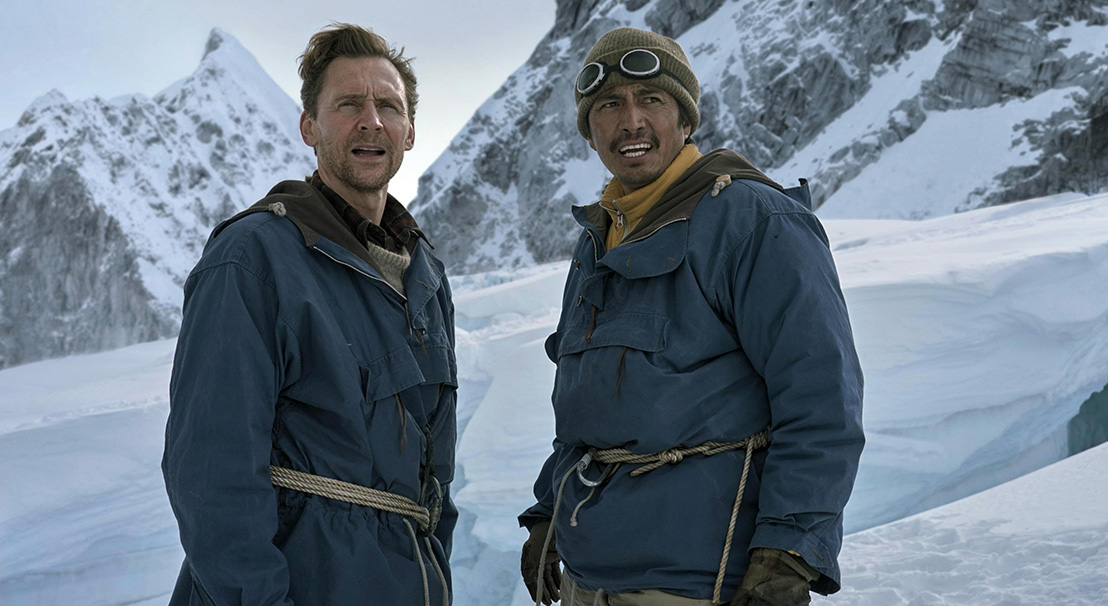
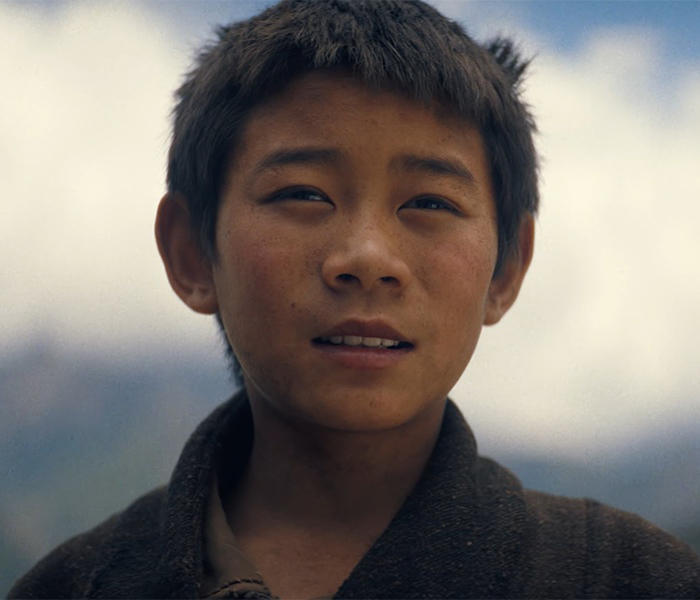
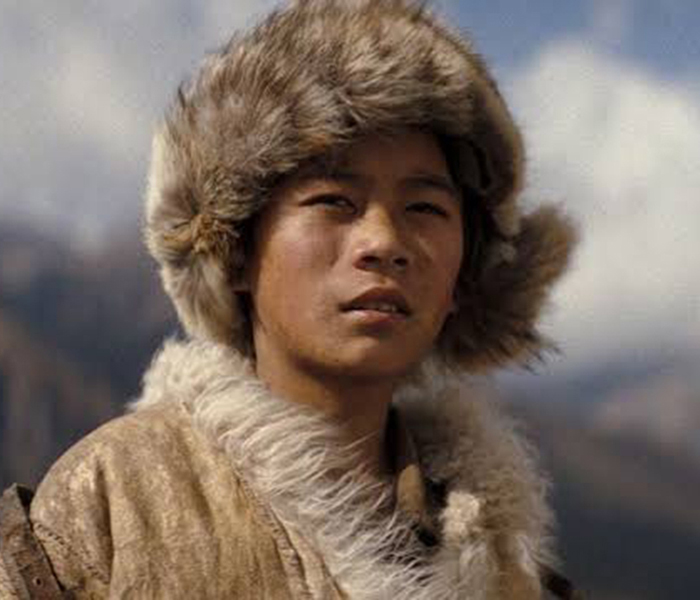
Tenzing is an Apple Original Films production directed by Jennifer Peedom and written by Luke Davies, telling the story of Tenzing Norgay's decades-long path to the 1953 Everest summit. Genden Phuntsok plays Tenzing Norgay in the lead role, and Tom Hiddleston plays Edmund Hillary. Caitríona Balfe is cast as Jill Henderson, and Tenzin Dalha also joins the cast in a significant role. The film is produced by See Saw Films, whose earlier credits include The King's Speech and Lion. Tenzing premieres in select theaters on October 9, 2026, and debuts globally on Apple TV+ on October 16, 2026.
Filming Locations in Nepal
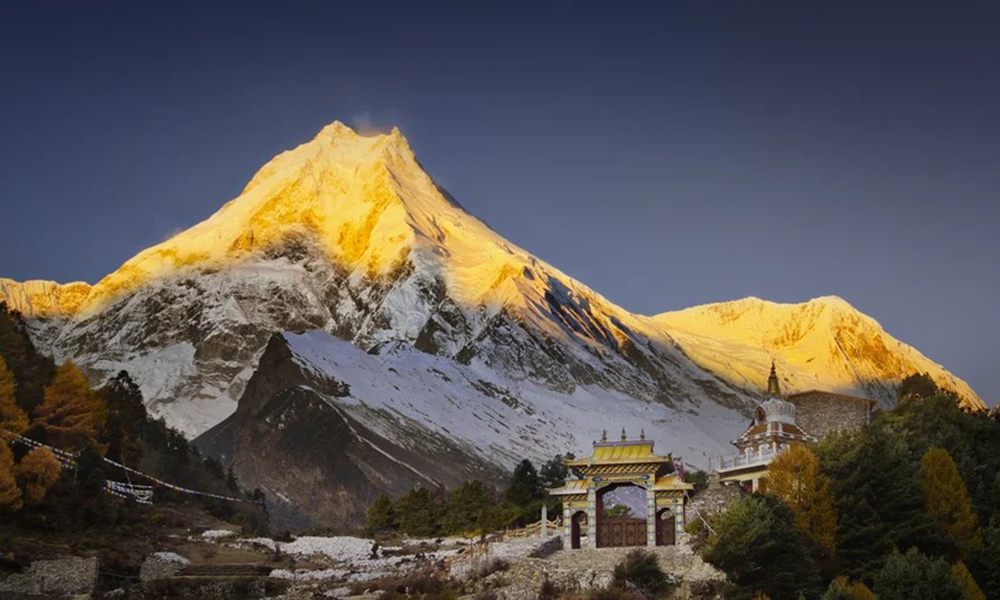
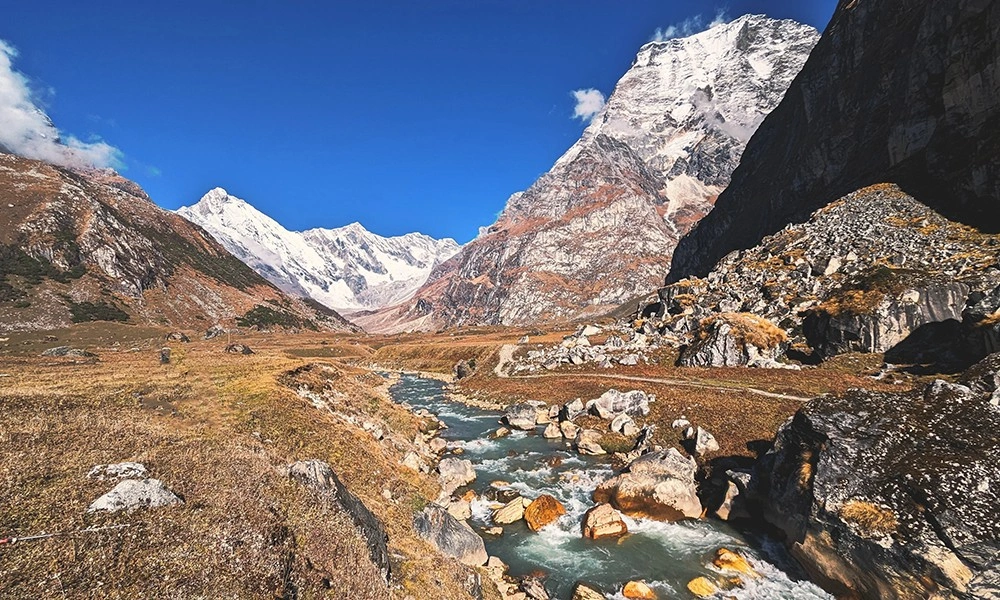
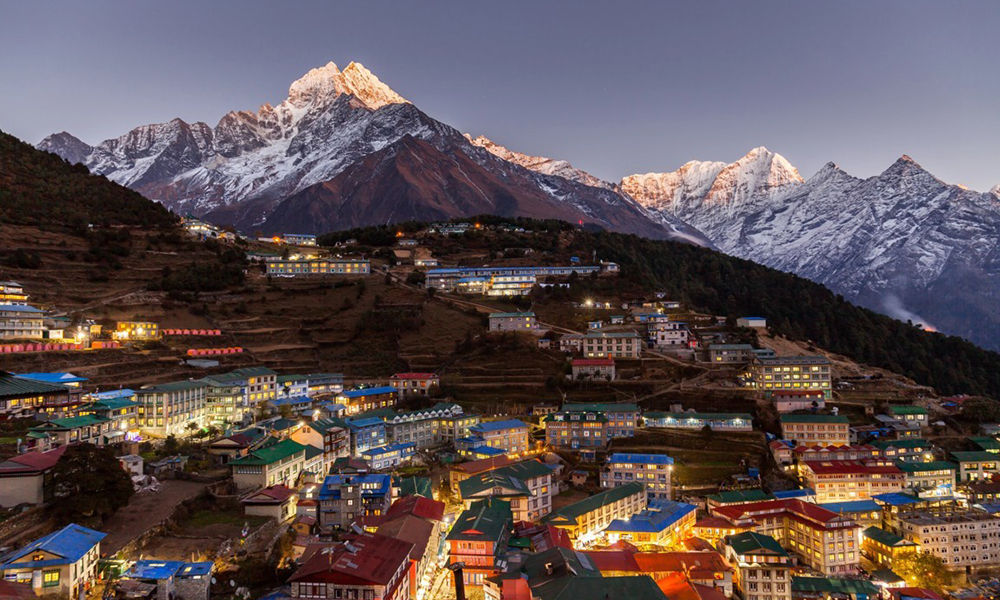
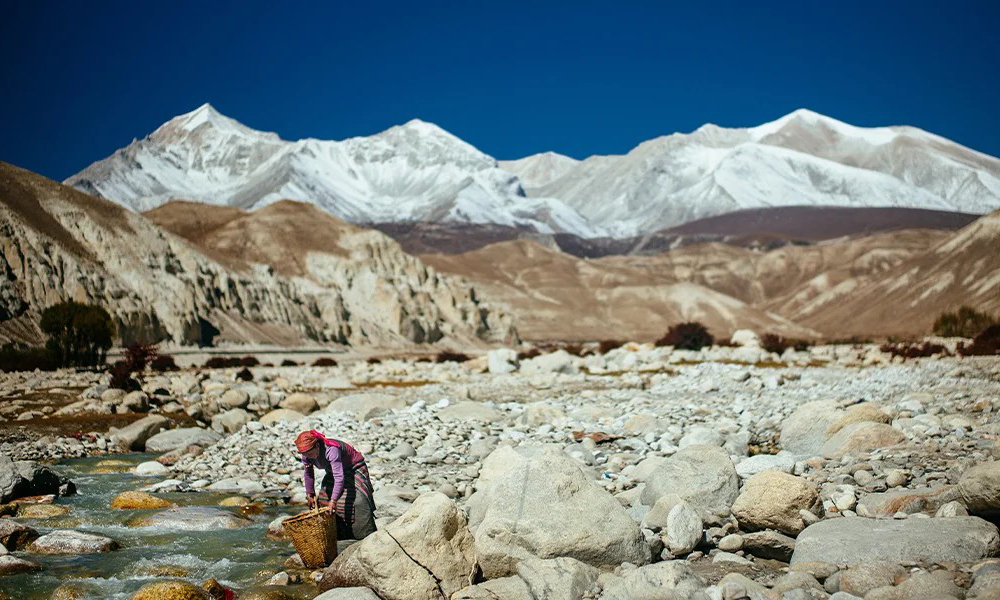
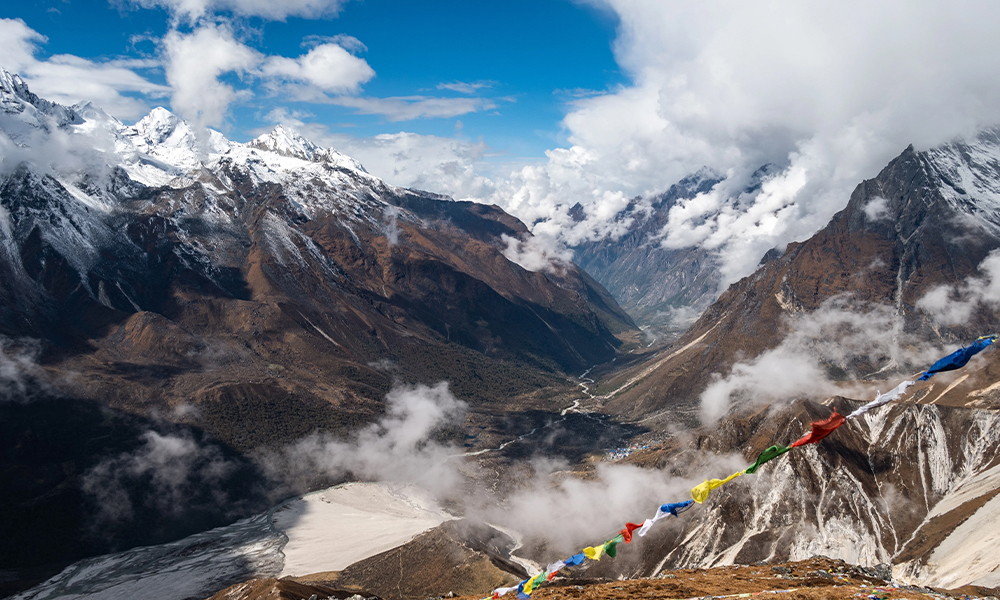
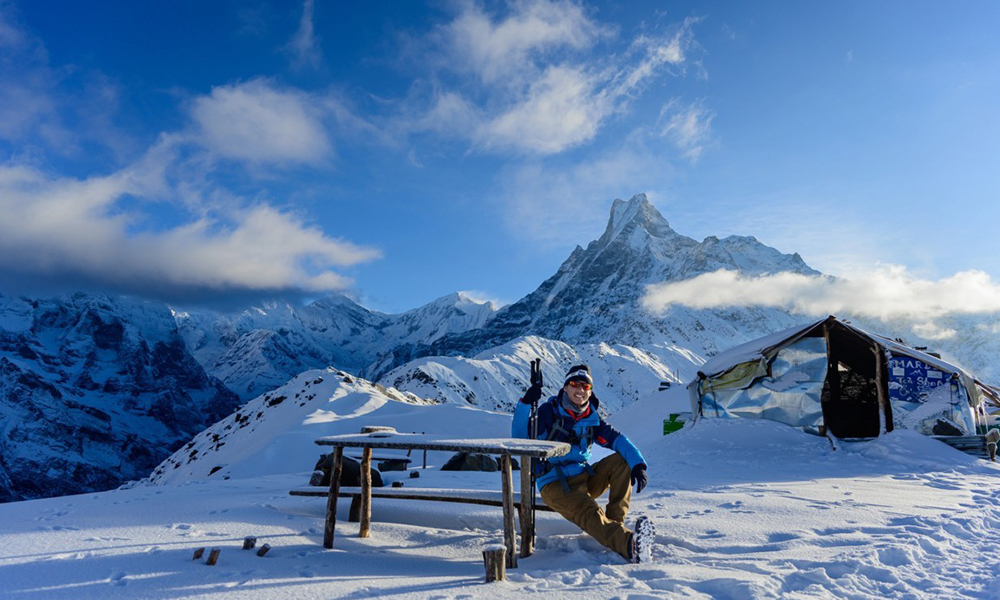
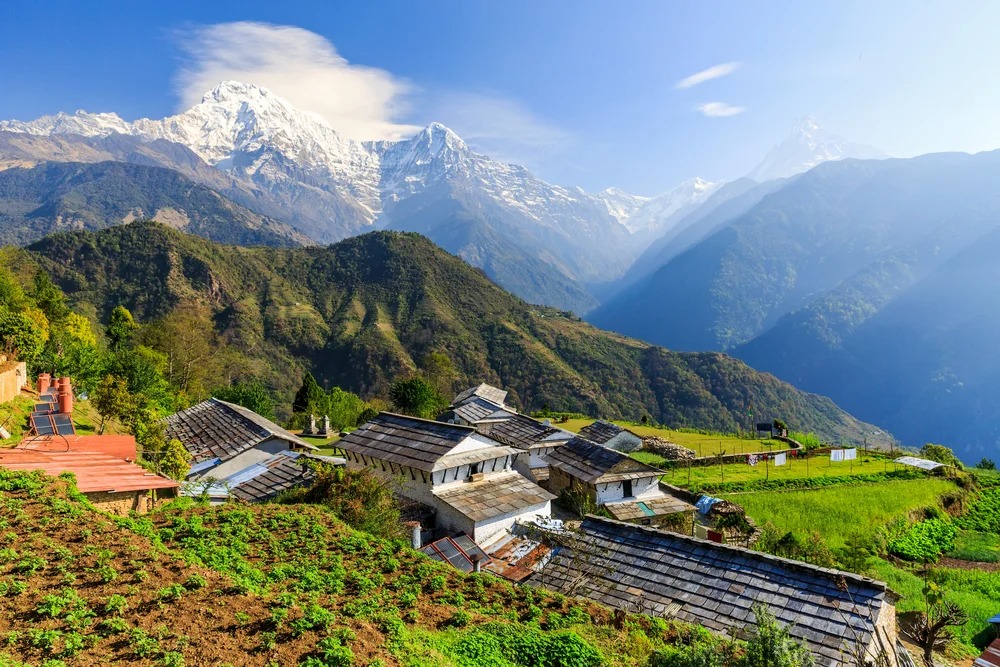
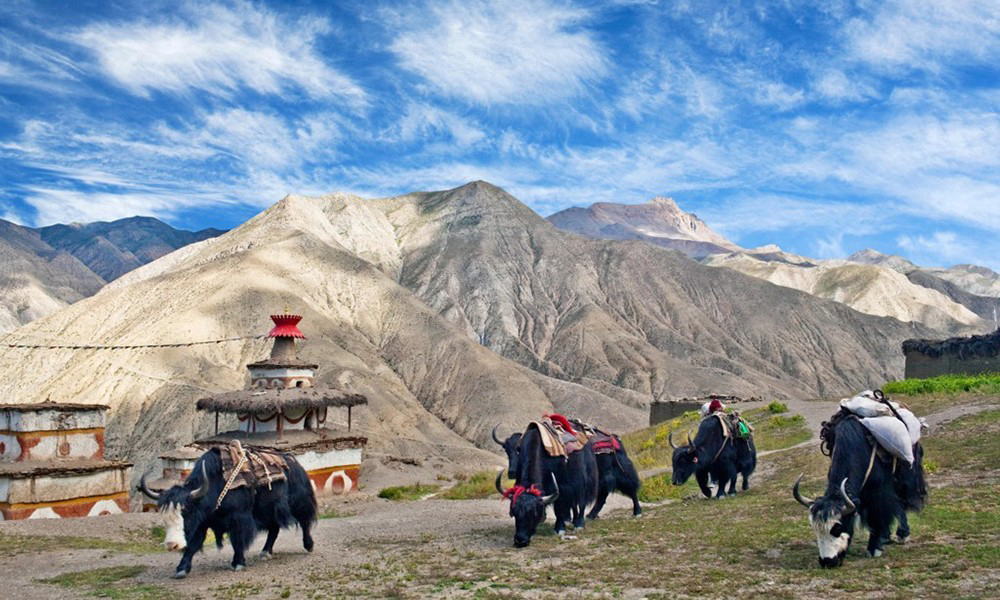
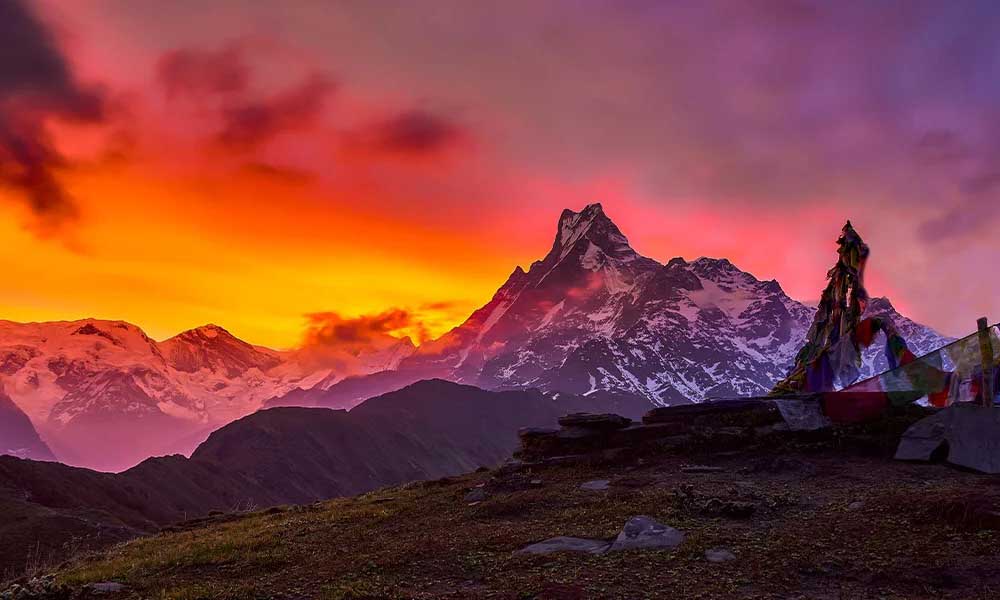
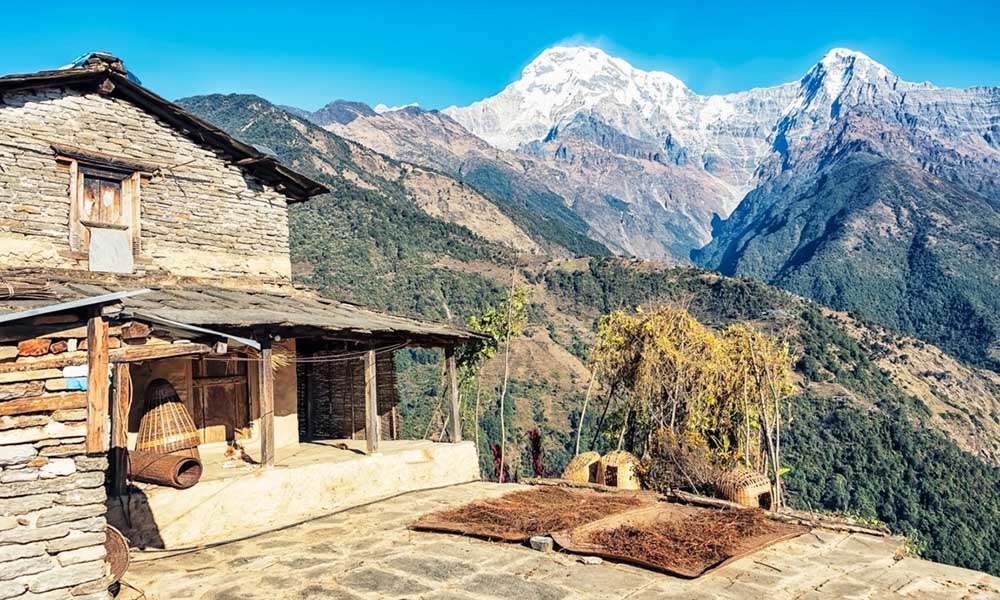
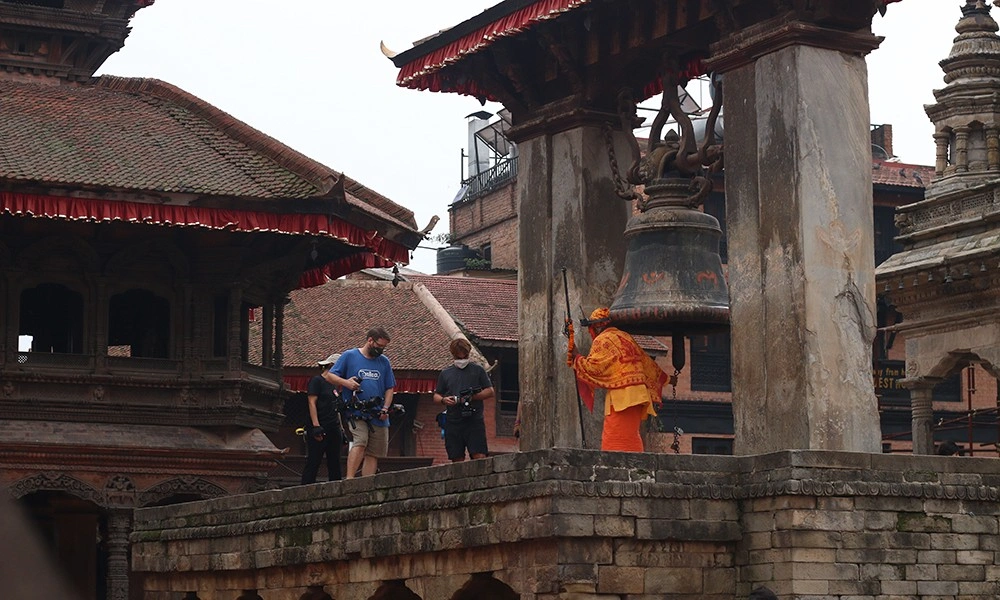
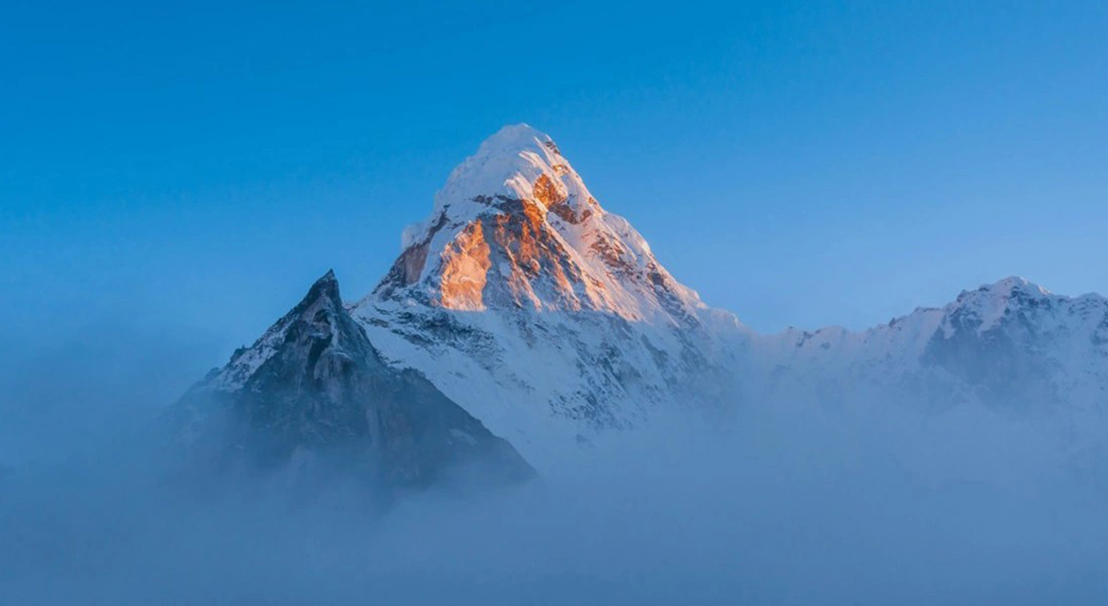
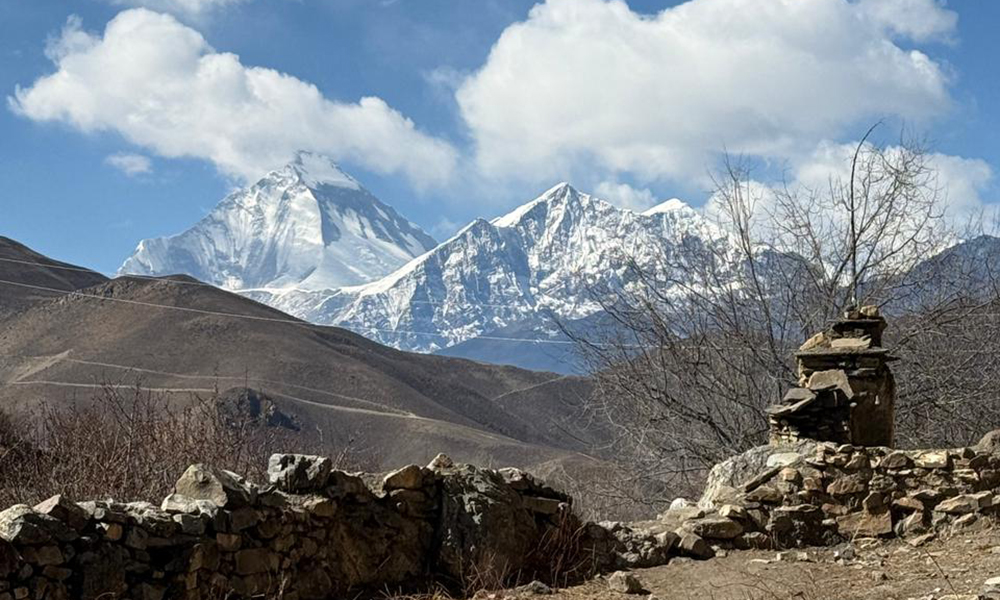
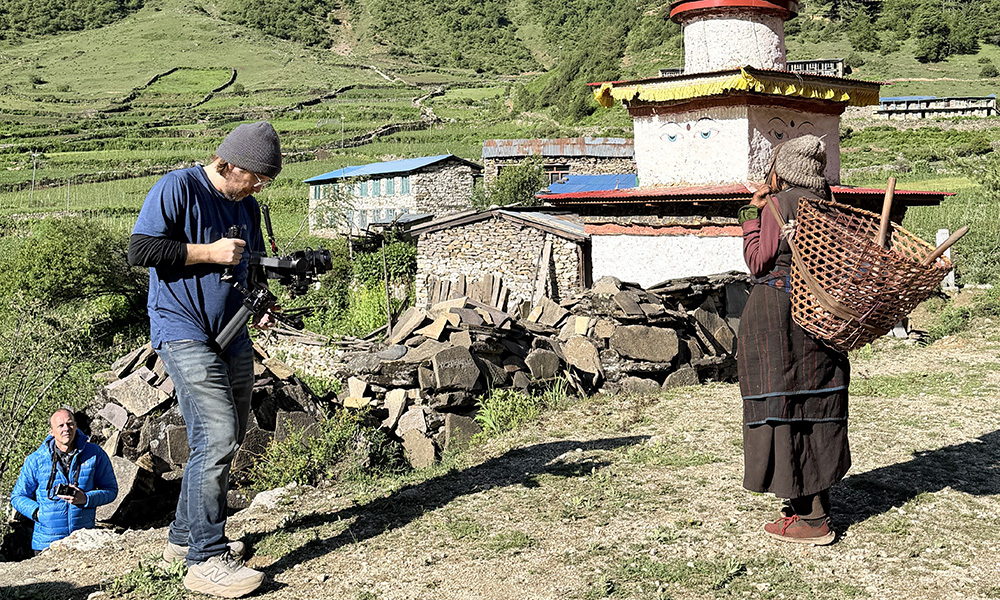
Large portions of Tenzing were filmed on location across Nepal rather than recreated on a soundstage, which is unusual for a major studio production of this scale. Locations included sites across the Kathmandu Valley, the Khumbu region near Everest itself, and the Mustang district in western Nepal, each selected to match a different period or setting within the story.
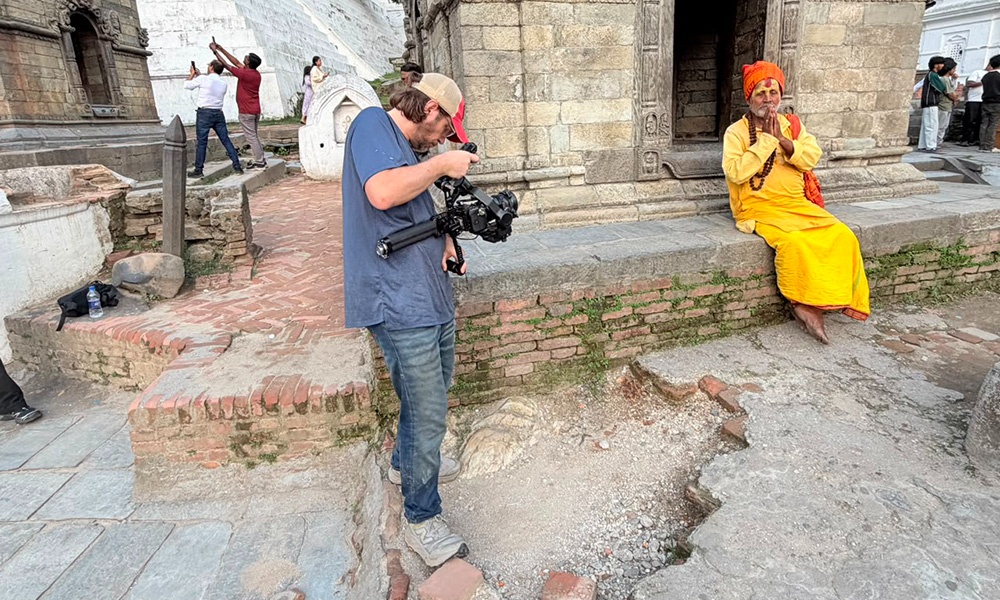
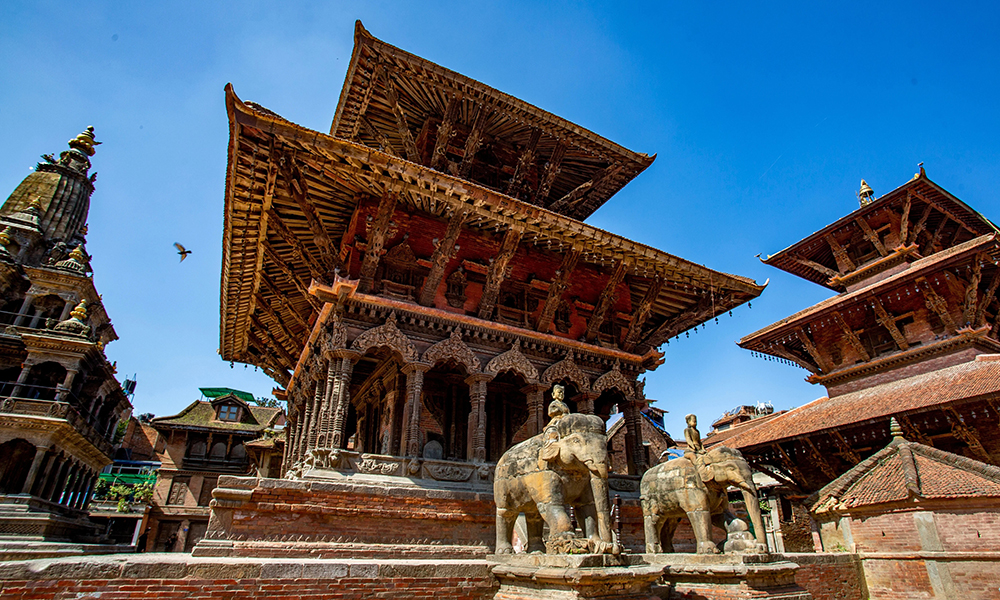
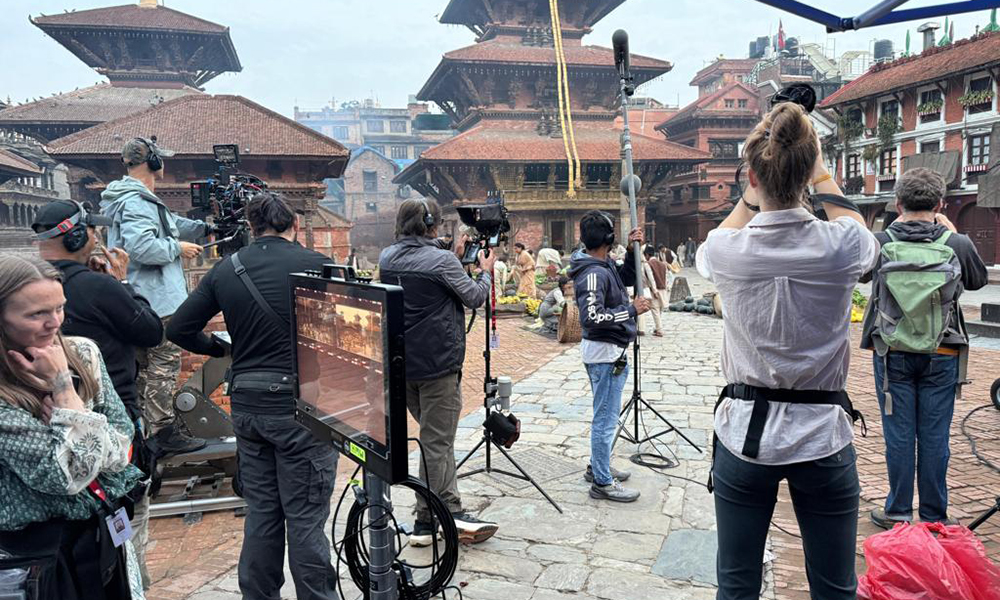
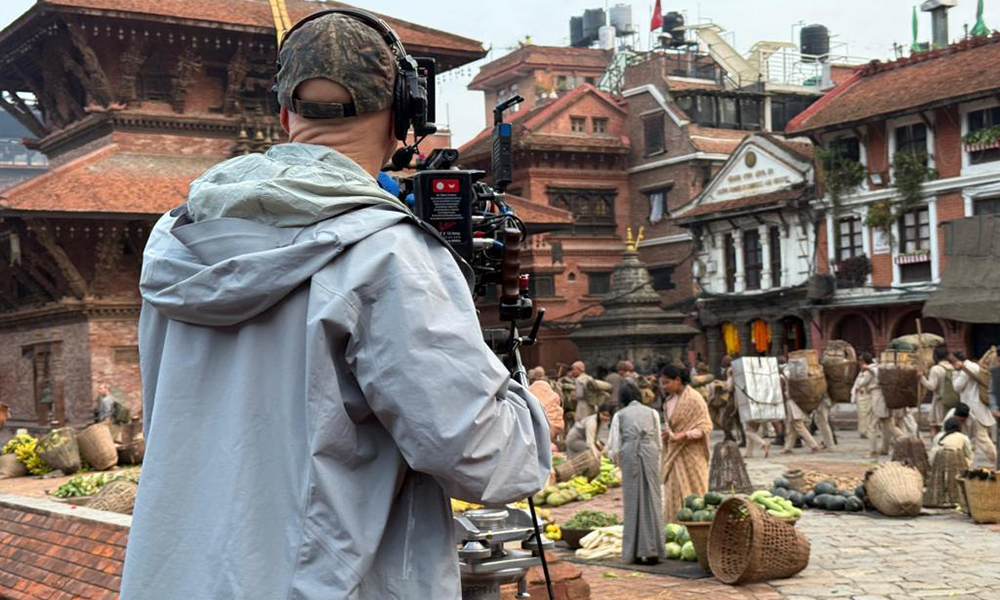
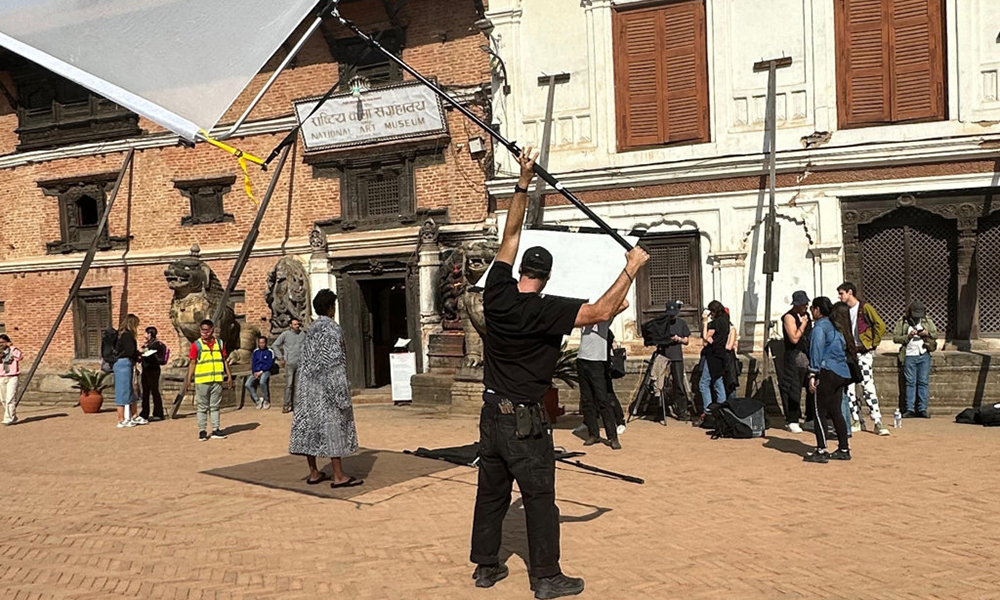
Patan Durbar Square, a UNESCO World Heritage site in Kathmandu, was among the locations used, requiring approval from multiple government agencies before filming could begin. Sites in the Khumbu region and Mustang district needed separate permits and coordination given their remoteness and, in some cases, restricted status.
How Wilderness Film Productions Supported the Shoot
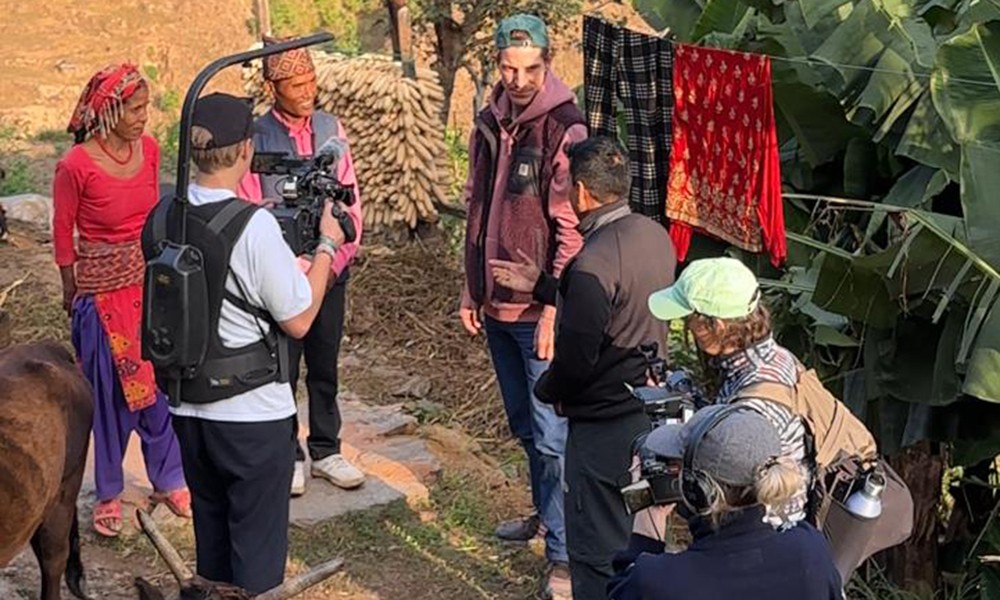
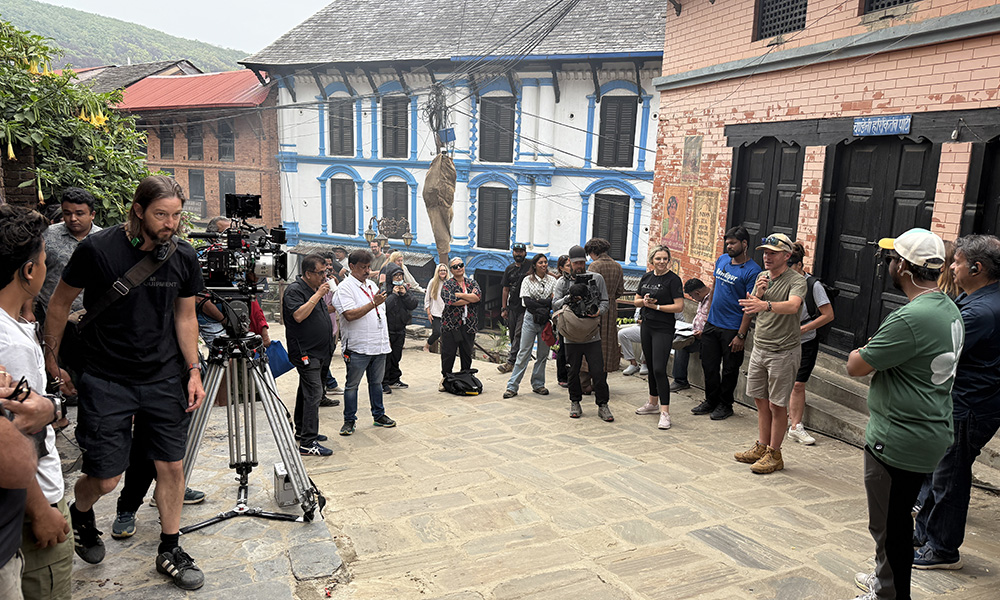
Wilderness Film Productions, working alongside our sister company Wilderness Outdoors, supported the ground operation for the Nepal portion of this production. Our team secured government permits across multiple agencies, coordinated logistics across locations at significantly different altitudes, and managed a production chain that began with See Saw Films as the international producer and extended through India Take One Production for local coordination in Nepal.
We arranged local crew, transportation, and accommodation across every location used, and we provided high-altitude medical support at sites above 3,500 meters. The Nepal shoot proceeded on schedule throughout production, without losing shooting days to permit or logistical issues.
Similar Articles: Jennifer Peedom Directs Tenzing (2026) After Making the Definitive Sherpa Documentary
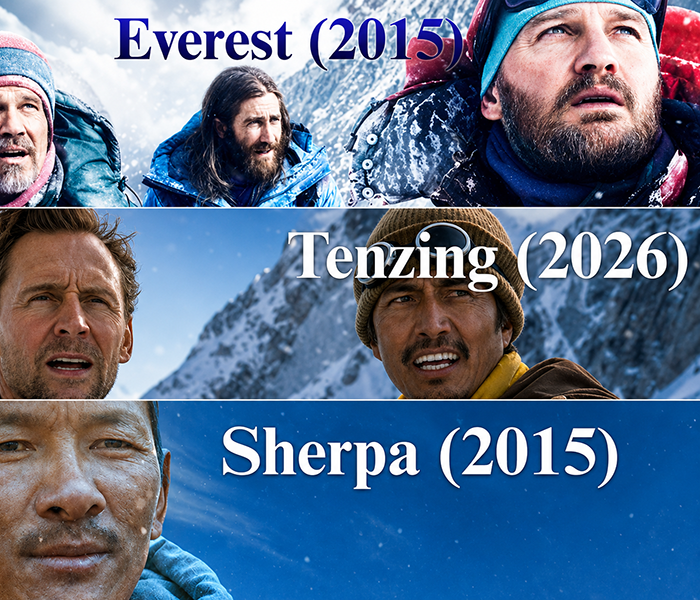
This kind of ground support, permits, location access, crew, medical readiness, and transportation is the core of what we offer international productions filming in Nepal. Our earlier work on Everest (2015), Doctor Strange (2016), and The Creator (2023) reflects the same range of services applied across very different kinds of productions and locations.
Why Nepal Is Drawing International Productions
Nepal offers filmmakers a combination of astonishing high-altitude terrains, historic architecture, and cultural value that is difficult to replicate through digital effects or studio sets. Productions increasingly choose to film on location here specifically because audiences can tell the difference between a real mountain and a recreated one.
That authenticity requires a local partner who understands government permitting, altitude logistics, and the practical realities of moving cast, crew, and equipment through remote terrain safely and without delay, which is the role a fixer and production coordination company like ours is built to fill.
Dafoe's presence in Tenzing signals that the production is treating the 1953 expedition with the seriousness the story deserves, rather than as a conventional adventure narrative built around spectacle. Hunt's part in the story is logistical and emotional rather than physical, and casting an actor known for restraint in that role reflects the same commitment to historical accuracy that runs through the rest of the film.










Latest Comments