

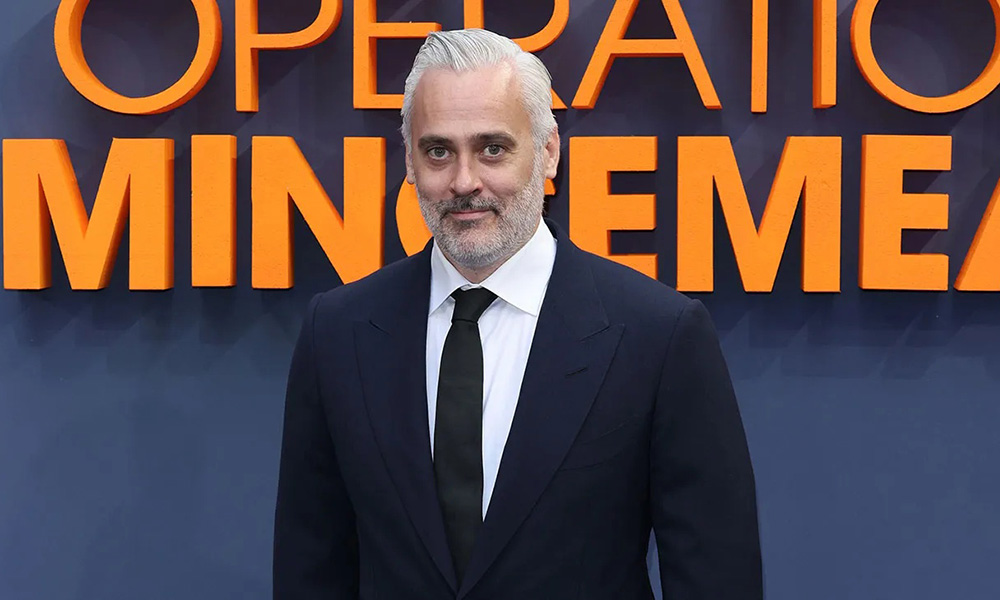
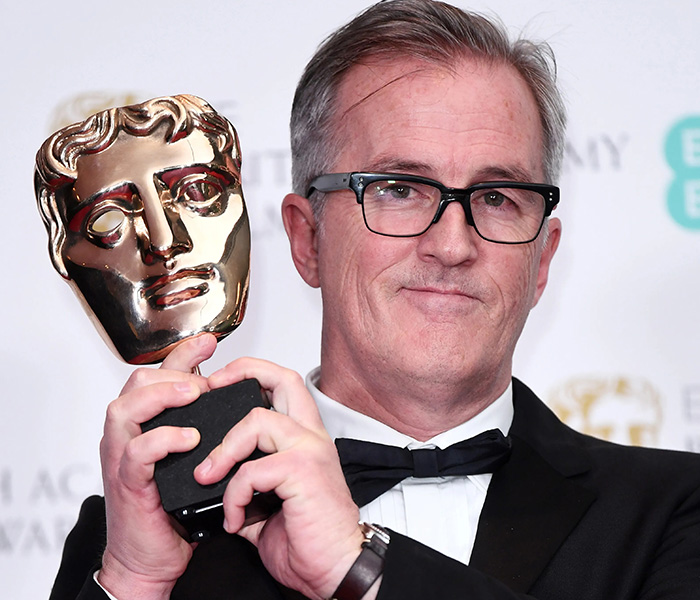
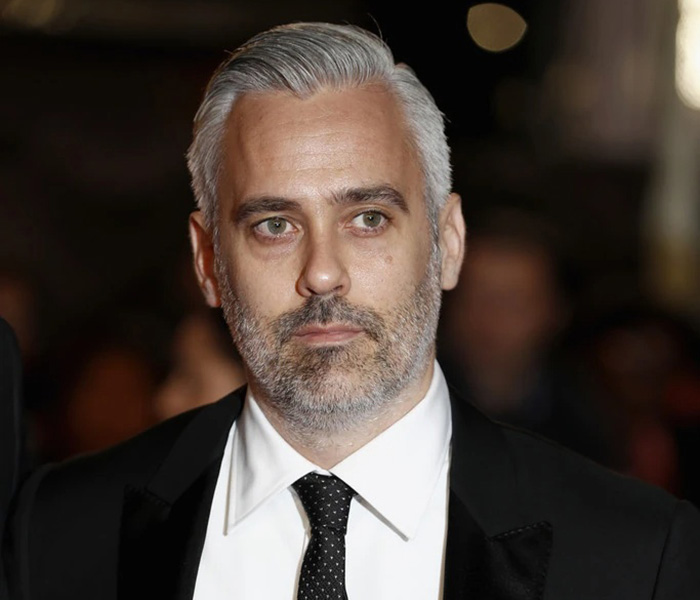
Before Iain Canning co-founded See-Saw Films and won an Academy Award, he started in the industry the way many British producers do, as a runner, fetching coffee and answering phones at a London production company.
That climb from the ground floor still shapes how Canning is described across the industry today. He is a producer known for building his reputation project by project, rather than arriving with an established name behind him.
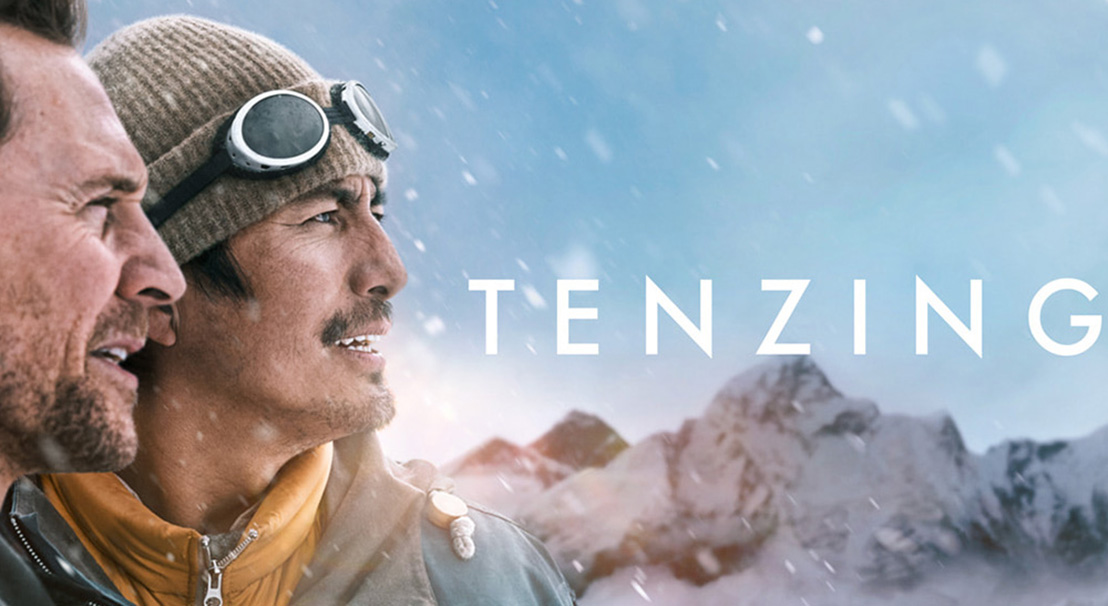
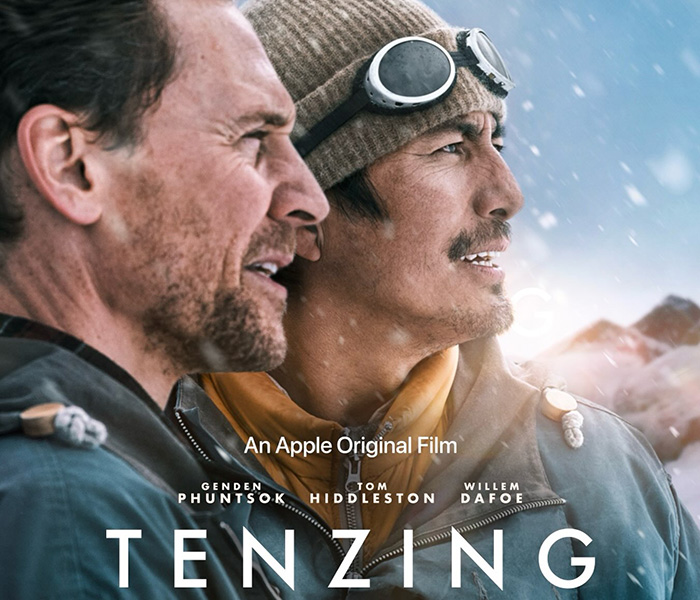
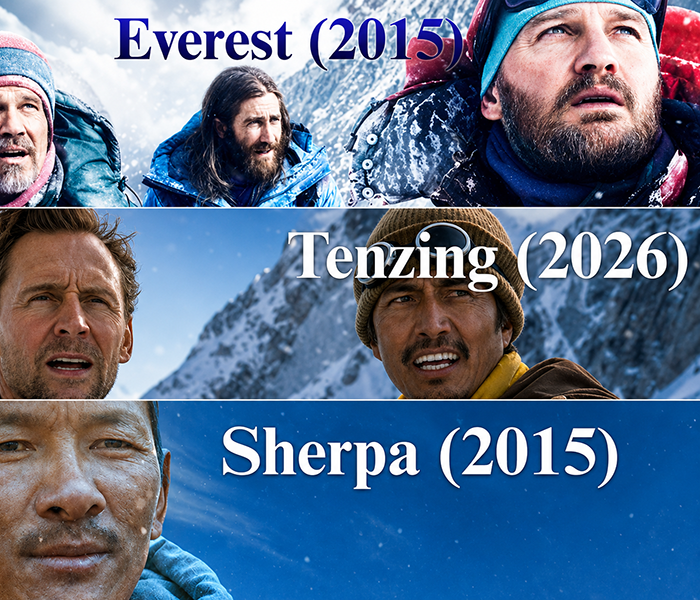
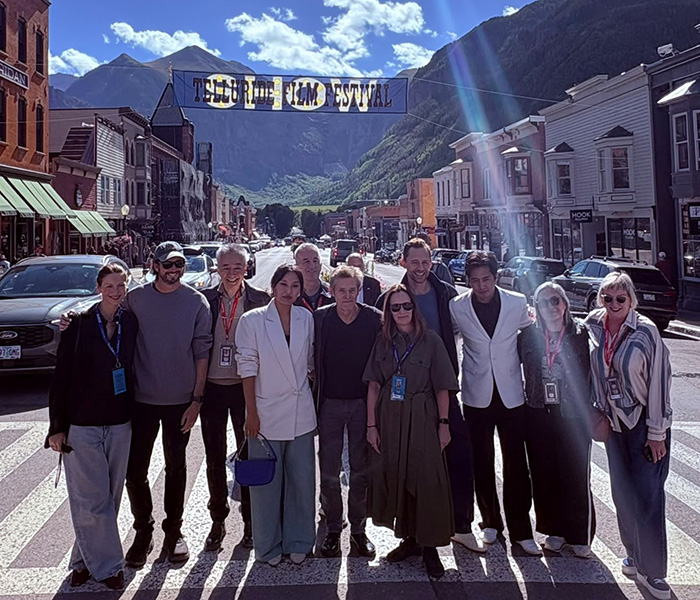
Canning now produces Tenzing (2026) through See-Saw Films, the company he built into one of the most respected houses in British and Australian cinema.
How Iain Canning Started as a Runner in London
Iain Canning was born in Bristol in July 1979 and studied at Filton College and Cardiff University before entering the film industry through Renaissance Films in London. He worked his way up through the company over several years, learning the mechanics of production from the bottom before ever taking a producing credit of his own.
You May Also Prefer Reading: Tenzing (2026): The Untold Story of the Man Who Conquered Everest
That grounding in the practical side of filmmaking- budgets, scheduling, the countless unglamorous details that determine whether a film actually gets made, became the foundation for everything that followed.
The Steve McQueen Films That Launched His Career
Before founding See-Saw, Canning executive produced two films that announced him as a serious producer in his own right. Control, about Joy Division singer Ian Curtis, won a BAFTA Carl Foreman Award and received a Caméra d'Or mention at Cannes in 2007.
The following year, he executive produced Hunger (2008), artist Steve McQueen's directorial debut, which won the Caméra d'Or at Cannes outright, the Sydney Film Prize, and a BAFTA. That early collaboration with McQueen established a working relationship Canning has returned to repeatedly across his career.
Building See-Saw Films With Emile Sherman
In 2008, Canning co-founded See-Saw Films with Australian producer Emile Sherman, splitting the company's operations between London and Sydney. Their first film together, The King's Speech, won the Academy Award for Best Picture in 2011, along with BAFTA awards for Best Film and Best British Film.
Also Read: Liz Watts and See-Saw Films, The Producer Behind Tenzing (2026)
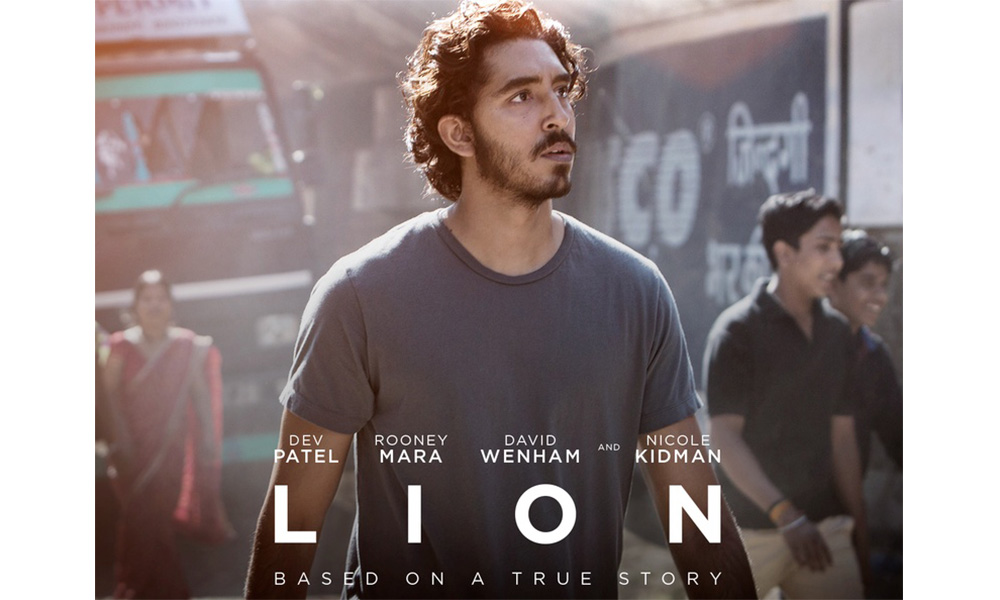
Canning has since produced Lion (2016), The Power of the Dog, Ammonite, and Widows, along with television projects including Top of the Lake and Slow Horses. Across his career, he has earned three Academy Award nominations, winning one, five BAFTA nominations, winning three, and two Emmy nominations, winning one.
What Canning's Background Brings to Tenzing (2026)
Canning's early work with McQueen shows a consistent instinct for stories built around real, difficult historical subjects treated without sentimentality, Ian Curtis's decline, Bobby Sands's imprisonment- subjects that demanded restraint rather than spectacle from everyone involved.
That same instinct runs through See-Saw's biggest successes since. Tenzing Norgay's own story, a man whose historical significance was underplayed for decades, fits naturally within the kind of project Canning has built a career choosing.
Two Producers, One Standard, Applied in Nepal
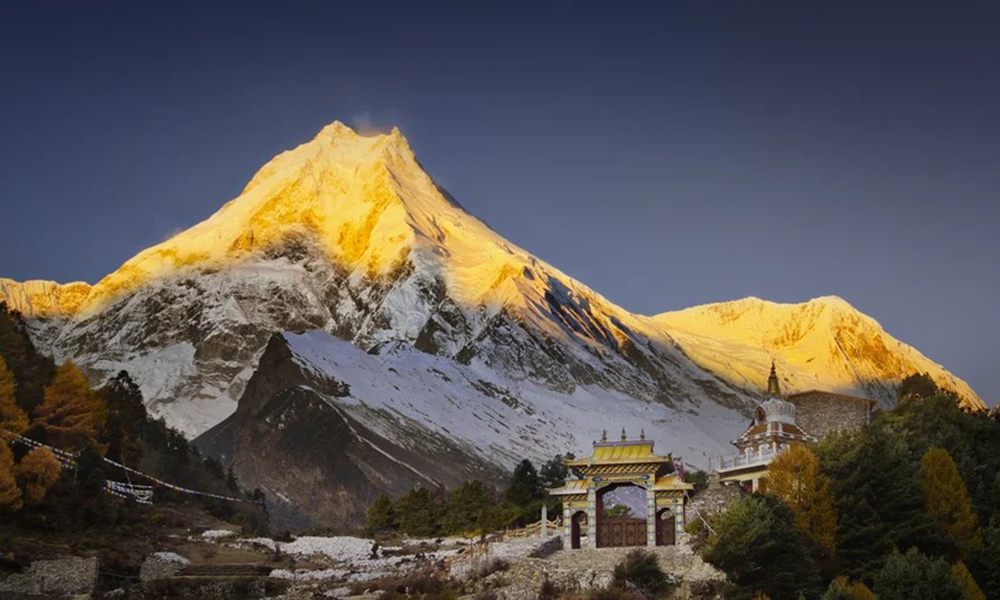
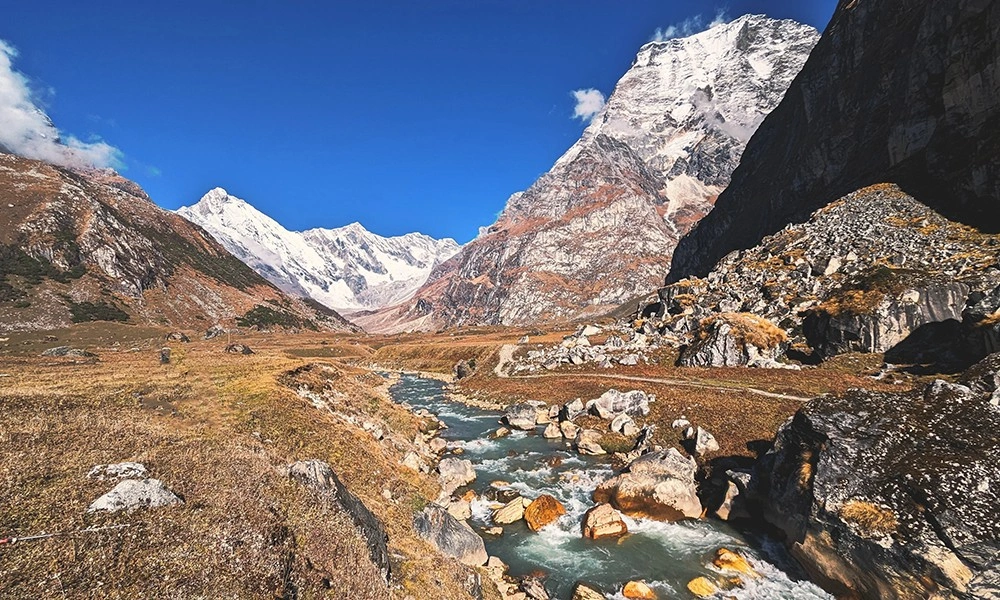
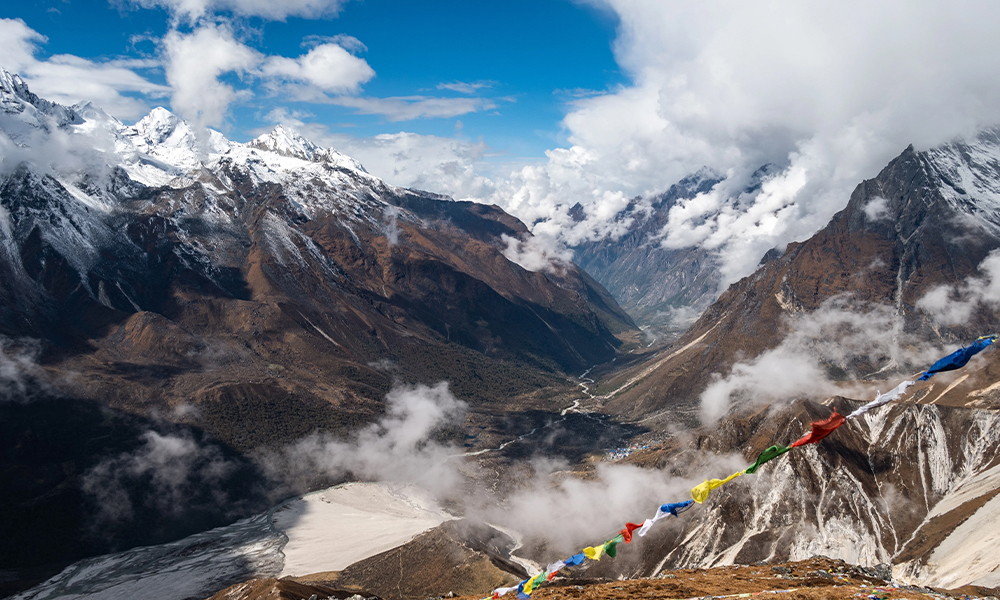
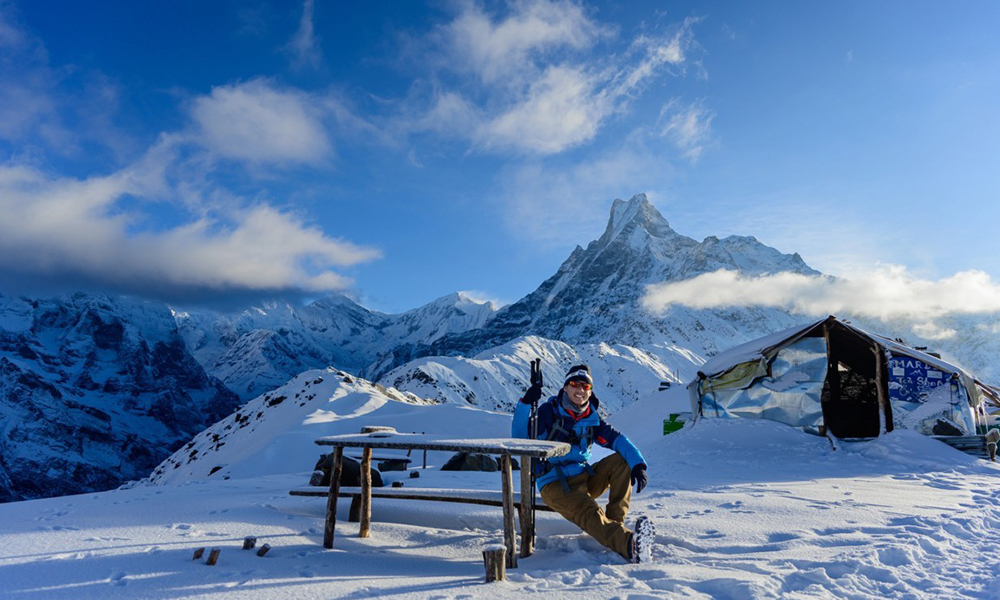
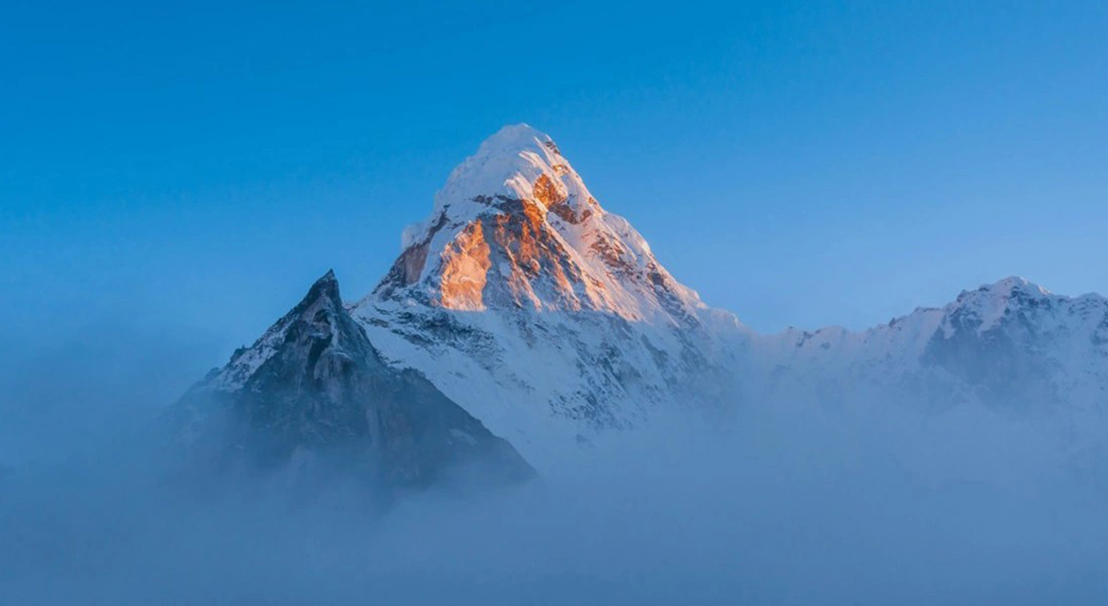
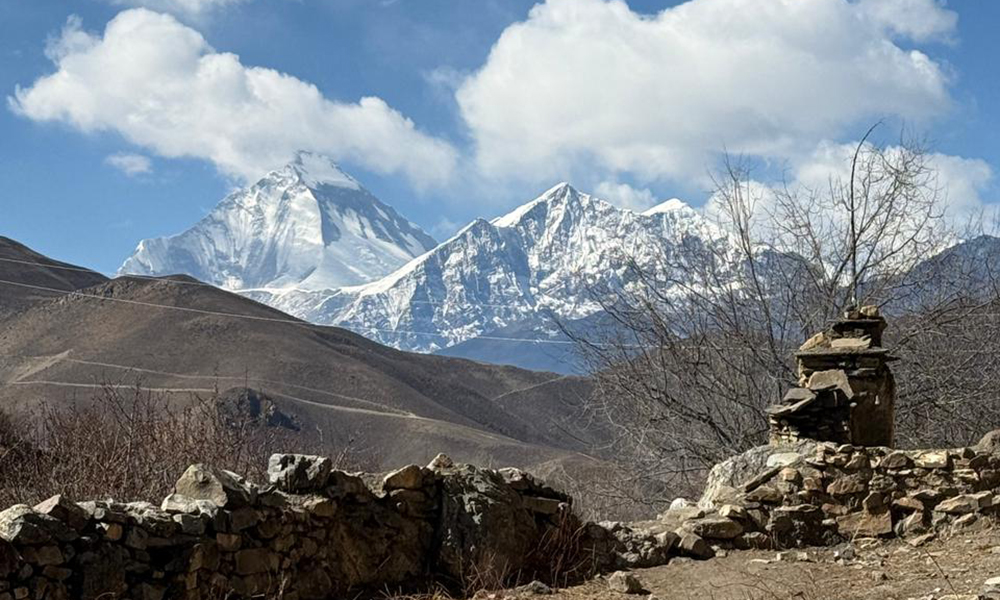
Canning and Sherman built See-Saw Films around a shared belief that a true story earns its weight through genuine craft and restraint, not scale for its own sake. Tenzing (2026) put that belief against real mountains rather than a controlled set, a test few of the company's earlier films faced in the same physical way.
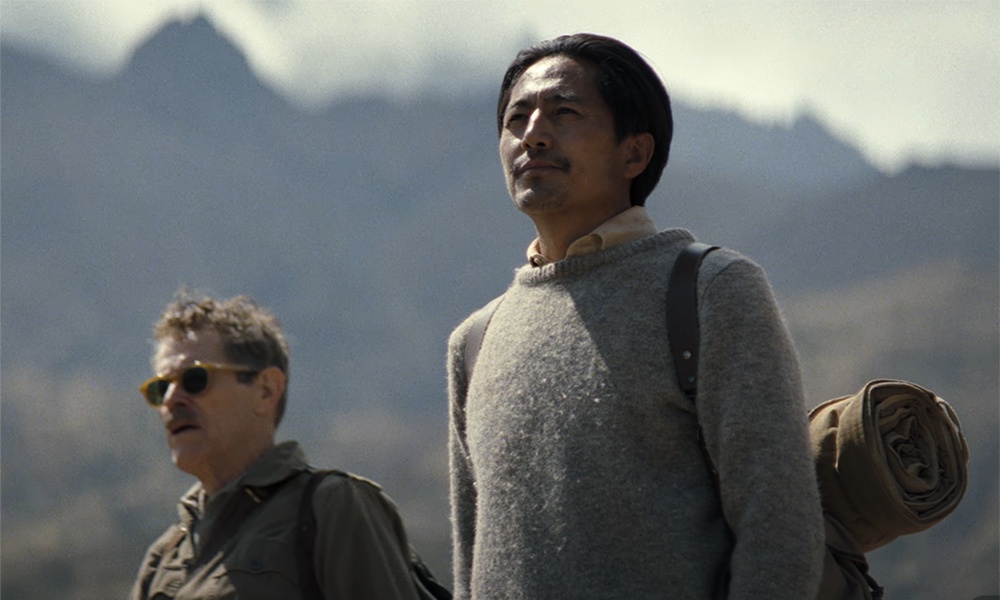
Related Readings: Luke Davies, The Screenwriter Connecting Tenzing (2026) and Lion
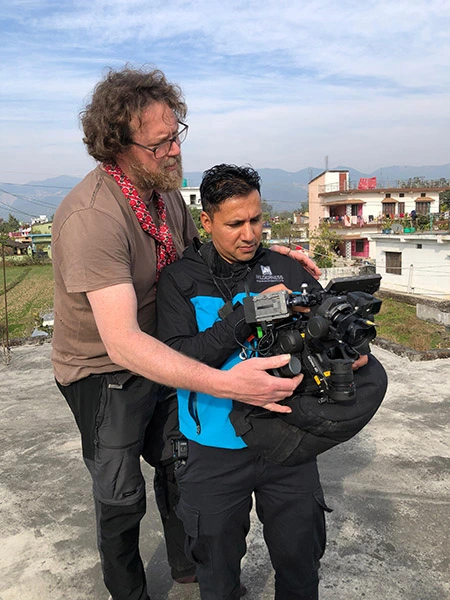
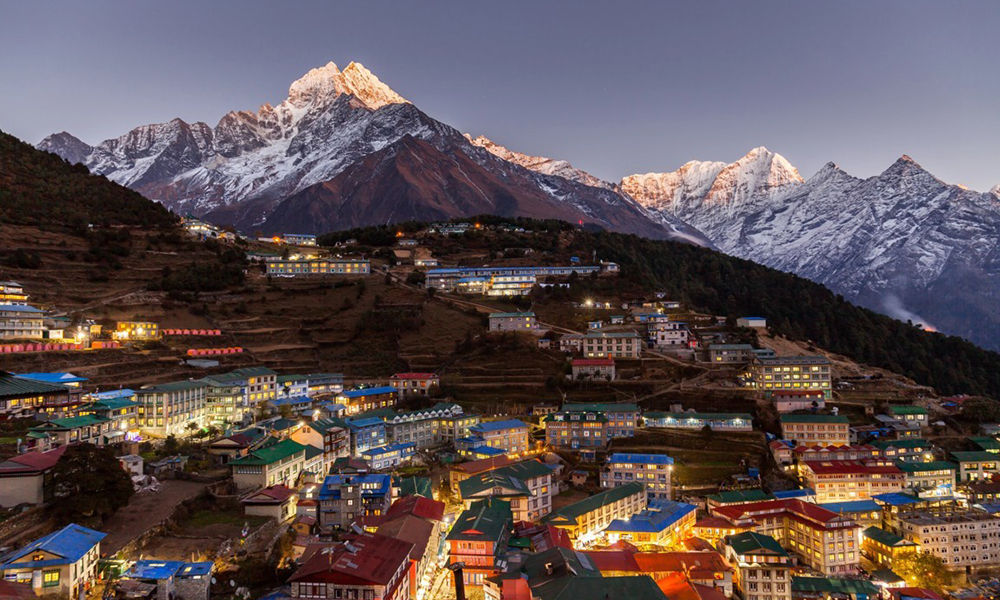
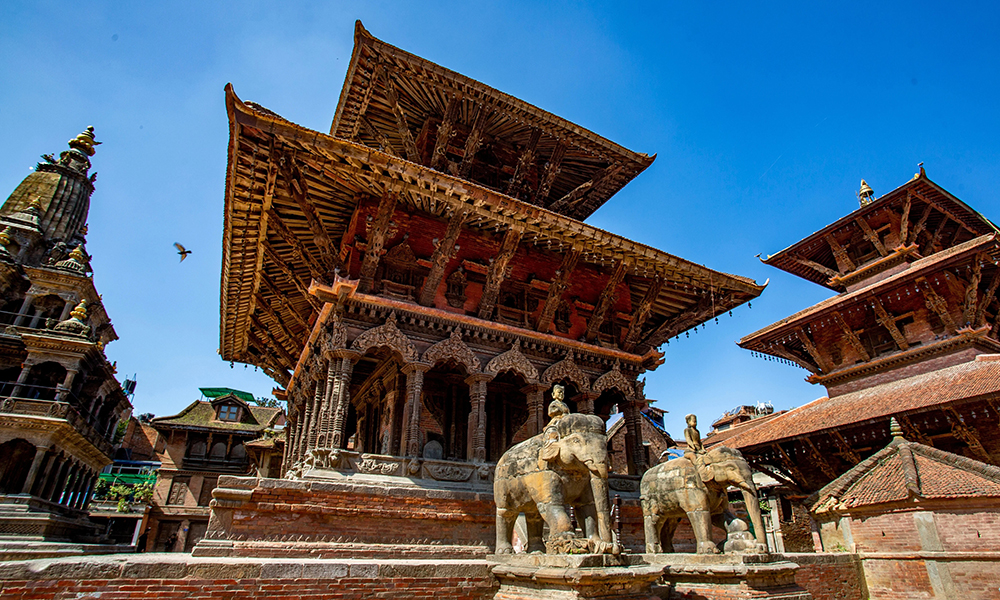
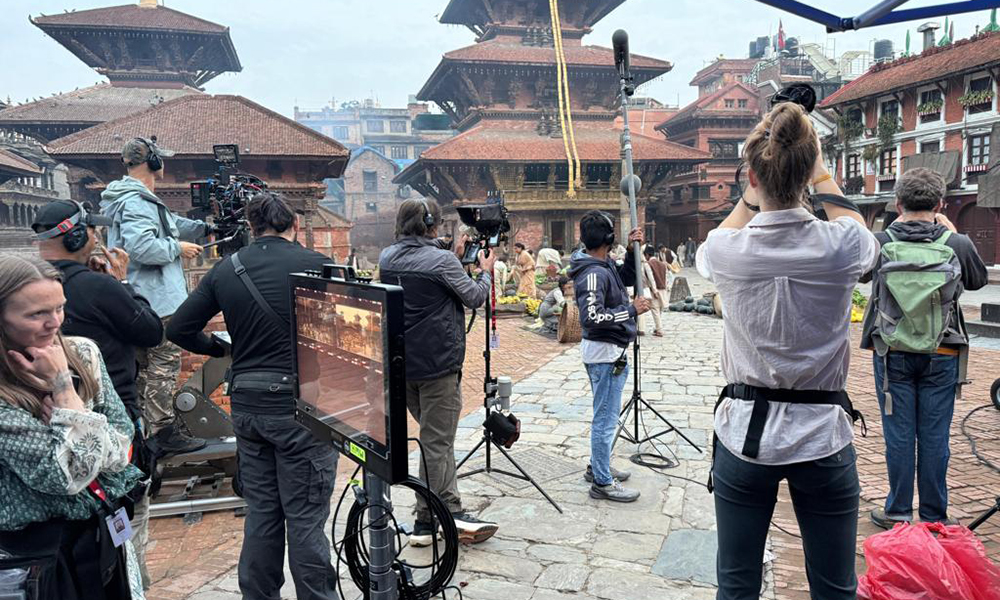
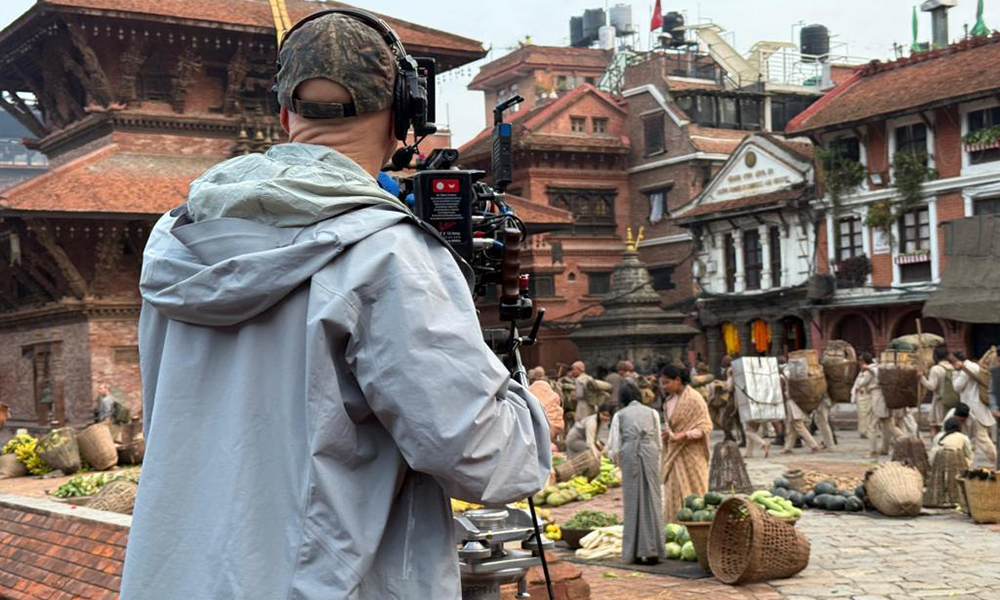
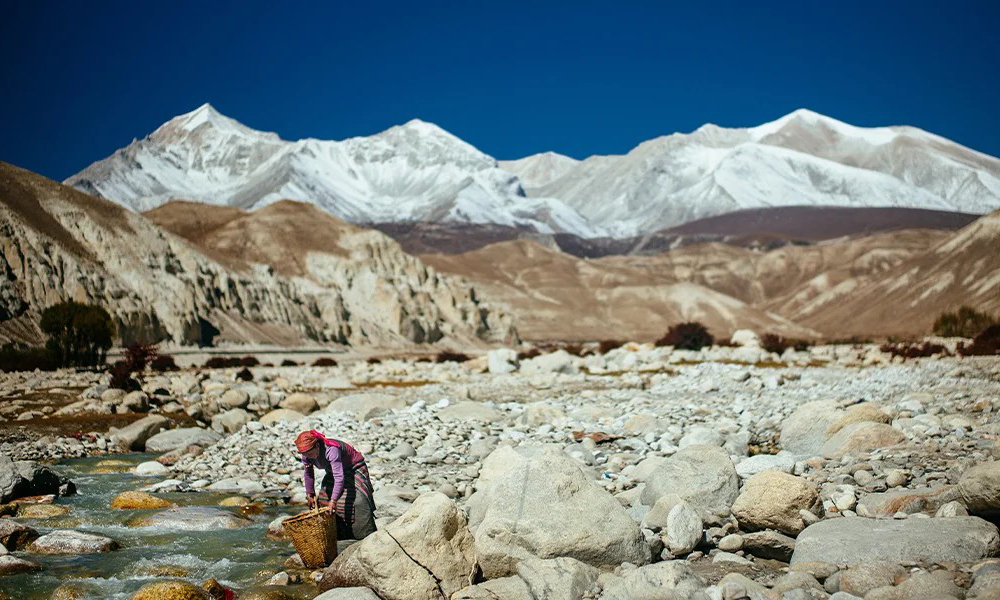
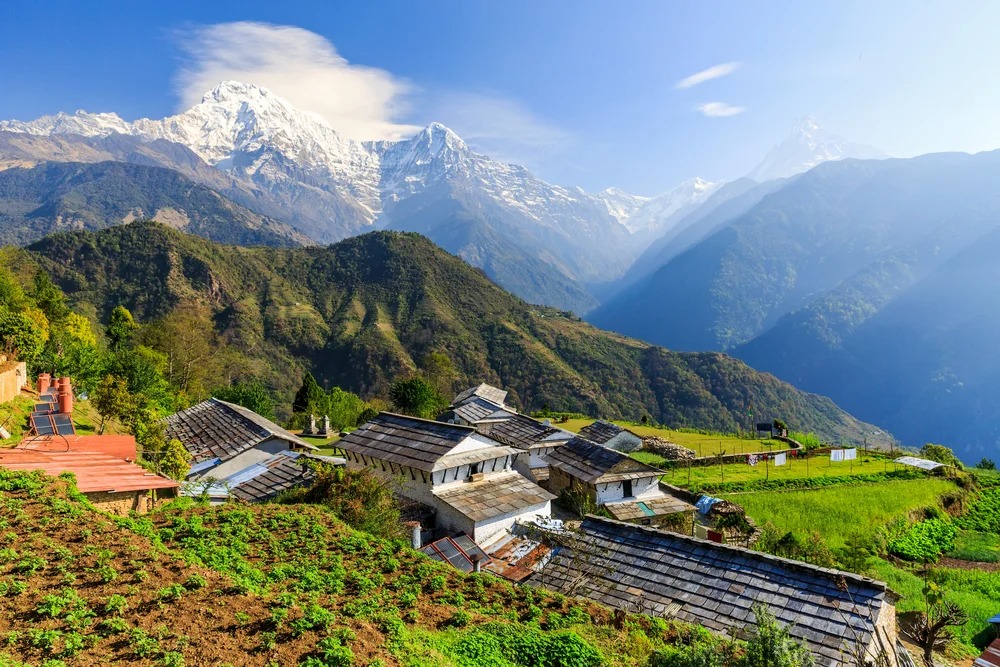
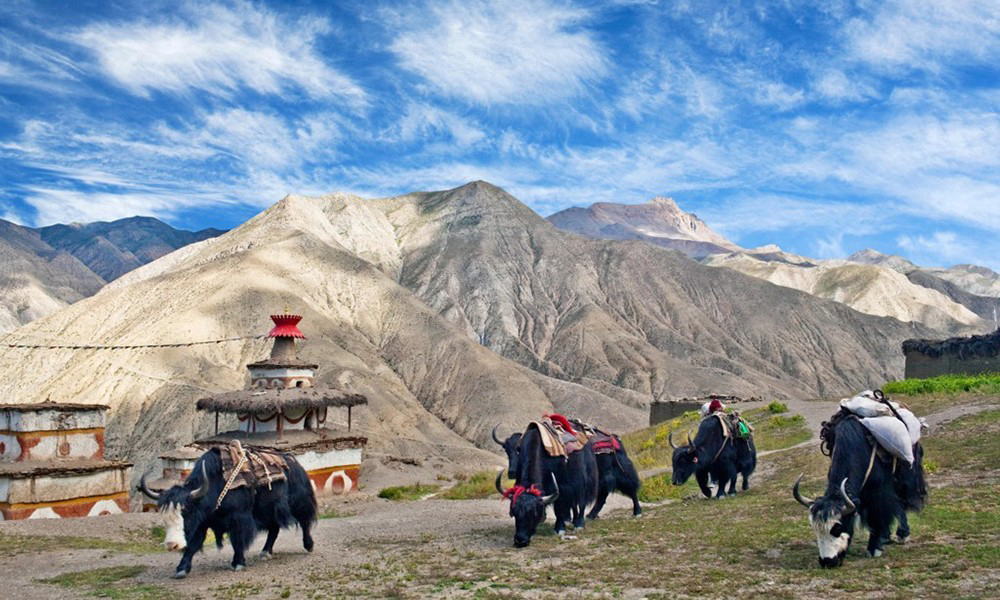
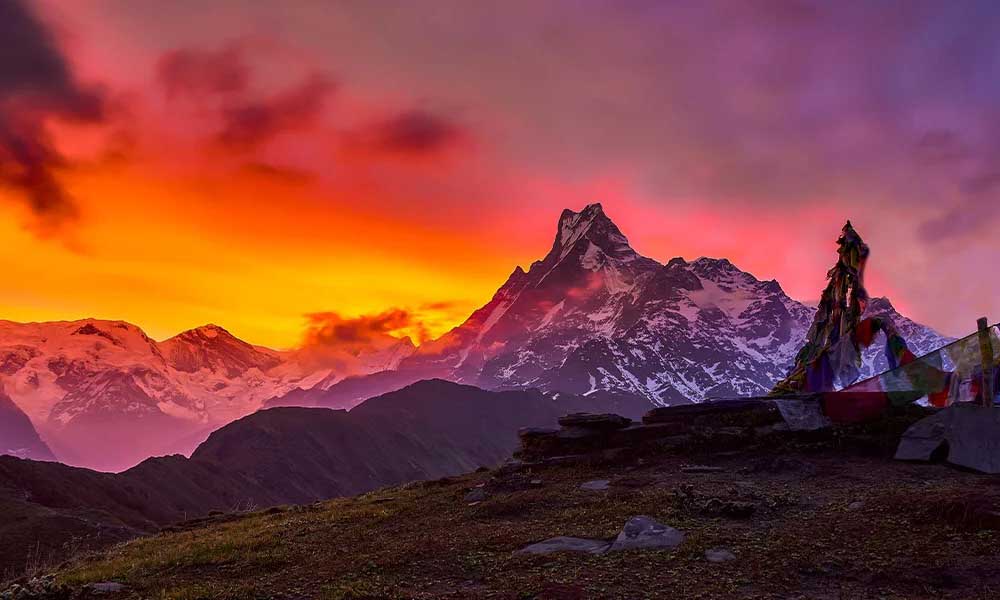
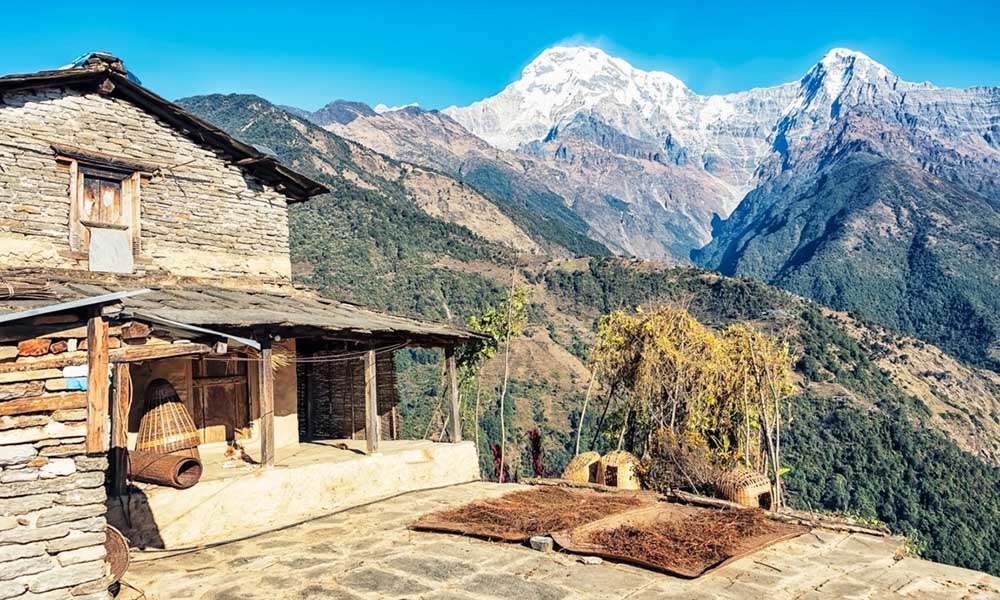
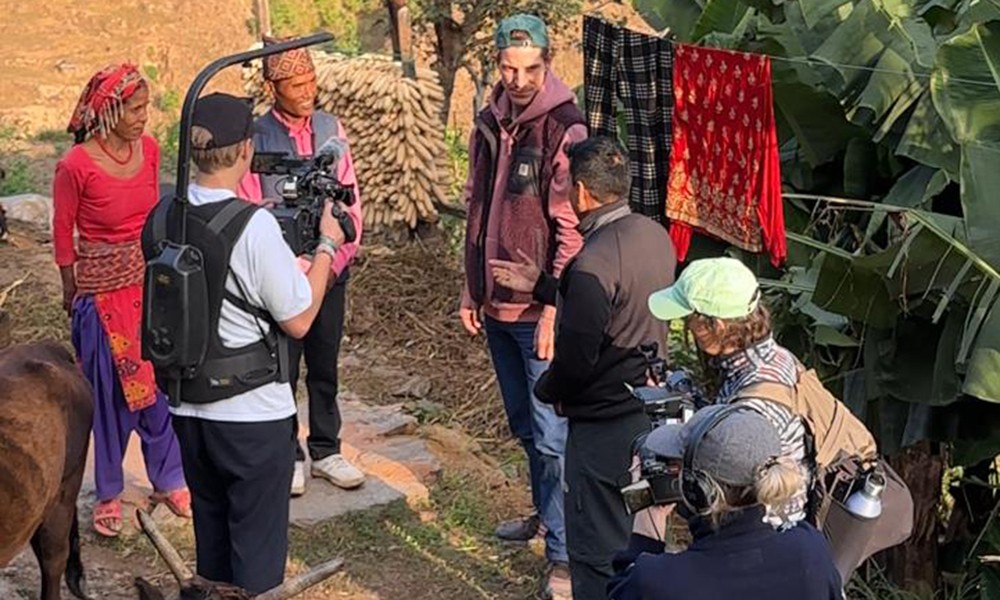
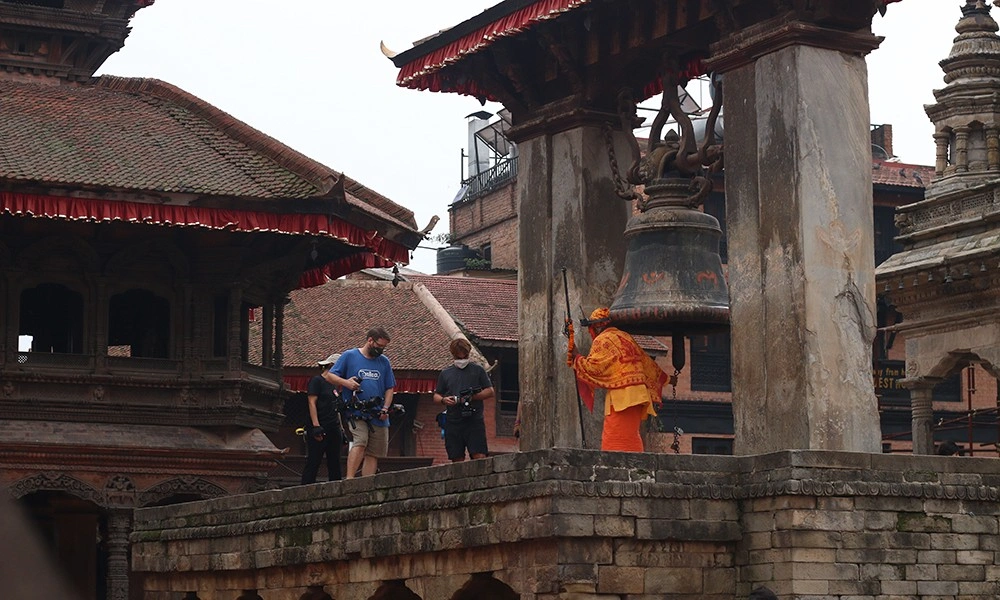
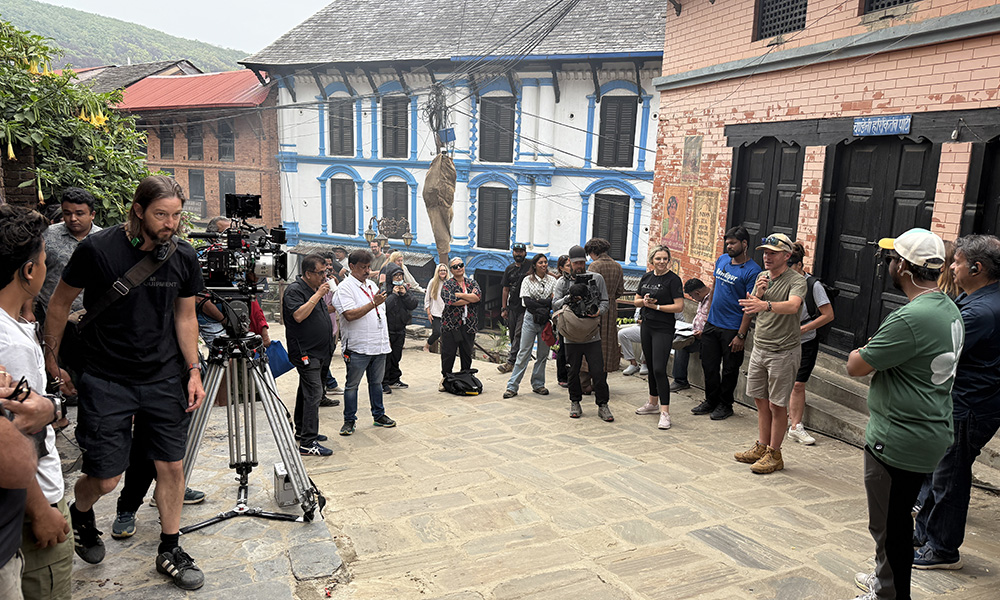
Getting that terrain on screen required more than a strong script and a trusted producing partnership. It required a team on the ground in Nepal capable of turning Canning and Sherman's standard into something achievable at altitude, across permits, logistics, and unpredictable weather.
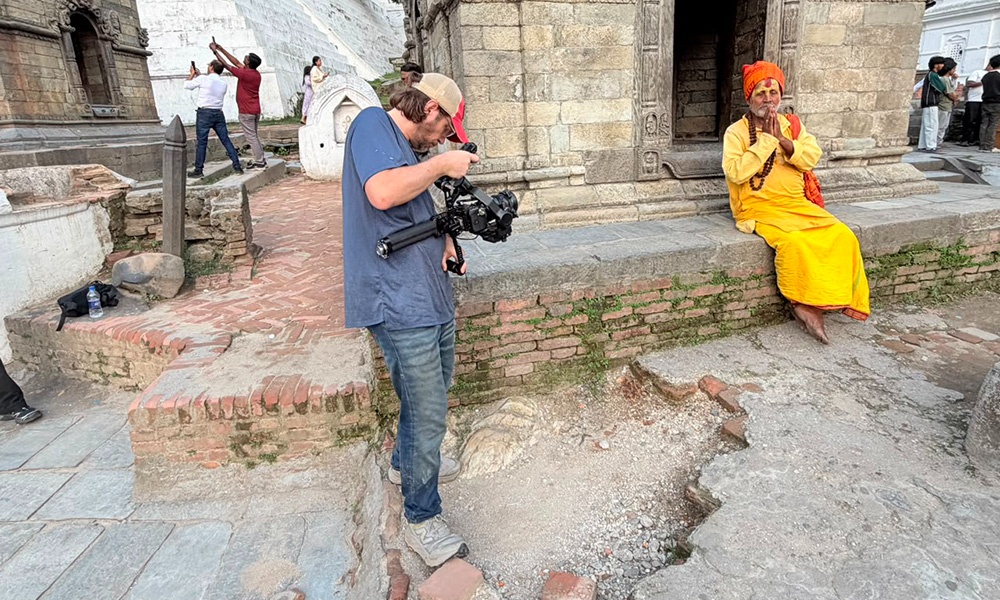
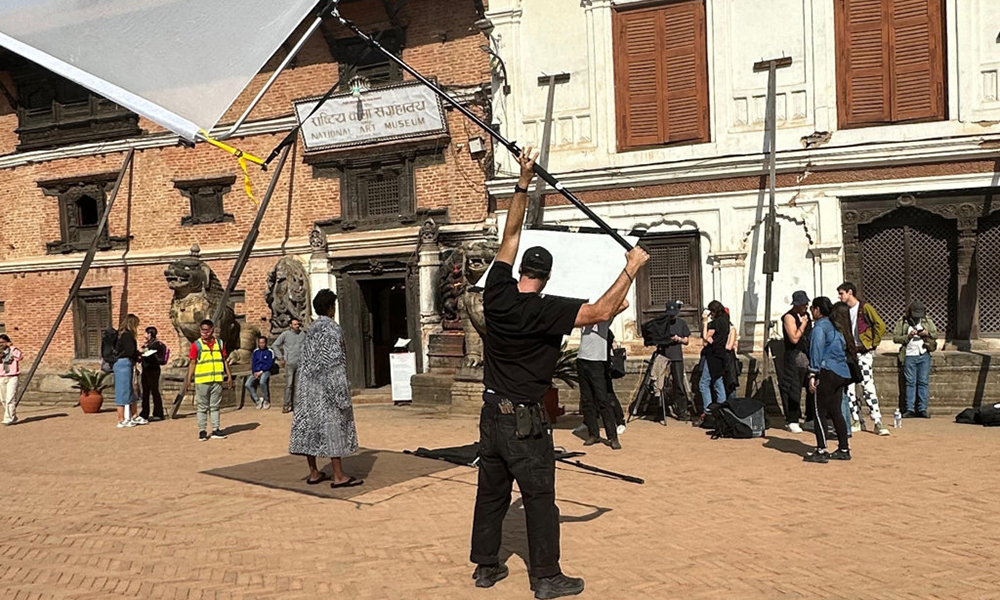
Wilderness Film Productions handled that side of the production as Location Manager for the Nepal shoot, and that experience now supports future international productions considering Nepal as a filming destination.
Bhuwan Bharati, Chief Executive Officer, Wilderness Film Productions
Your trusted Nepali partner for international film production & fixer services.


Latest Comments