



Most people encountering Tenzing today know it as an Apple Original Film. Few know that it did not start there. Before Apple ever entered the picture, Tenzing was set up at Netflix, developed in partnership with Higher Ground Productions, the company founded by Barack and Michelle Obama.
Understanding that earlier chapter explains how a project like this actually reaches the screen, and how much can change on the way there. This piece traces that journey, from Netflix and Higher Ground's years with the project to the competitive Cannes bidding war that brought Apple aboard. It also covers what changed along the way, and what stayed exactly the same.
The Netflix and Higher Ground Years
Tenzing was originally set up at Netflix and Higher Ground Productions back in 2021, years before the cast that audiences now associate with the film was ever attached. Higher Ground has built its film and television slate around socially significant true stories, and a biographical drama about Tenzing Norgay's decades-long path to the 1953 Everest summit fits squarely within that mission.

For several years, this was the version of Tenzing in development, quietly moving through the earliest stages of pre-production under Netflix's banner.
Also Read: Tenzing (2026): The Untold Story of the Man Who Conquered Everest
The Competitive Bidding War
That changed in May 2024, when Apple TV+ acquired worldwide rights to Tenzing (2026) in a competitive bidding war. The deal closed at the Marché du Film, the industry marketplace that runs alongside the Cannes Film Festival. Competitive bidding wars at Cannes are typically reserved for projects with genuine buzz.
These are packages with attached talent, a strong script, and a filmmaker whose credibility is already drawing interest from multiple buyers. Apple winning that competition signaled real confidence in the project at a stage when much of the film's now-famous cast had not yet been announced.
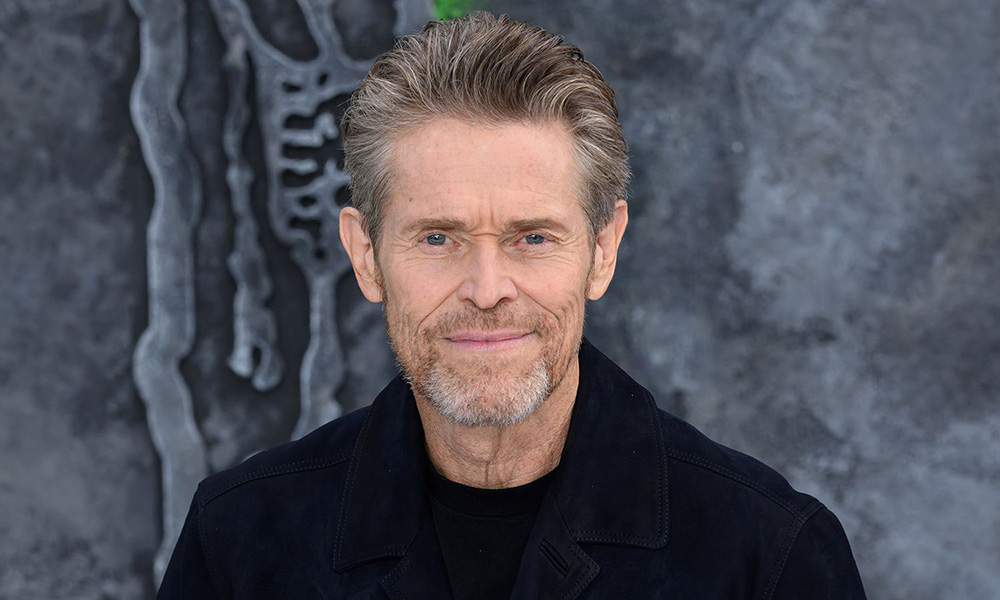
With Netflix and Higher Ground no longer attached, Apple moved quickly. Tom Hiddleston and Willem Dafoe were cast within the same month as the rights acquisition, joining a production now being shaped entirely under Apple's own strategy for the film, including its eventual theatrical window and festival positioning.
Why the Switch Happened
Studios and streamers acquire and release projects in active development more often than audiences realize, and the reasons rarely become public. What is clear in Tenzing's case is the timing, since ownership changed right as the project moved toward being packaged with A-list talent.

Related Articles: The True Story of the 1953 Everest Expedition Behind Tenzing (2026)
That is exactly the stage where a studio's confidence in a script and director translates into serious financial competition to acquire it. Apple's aggressive pursuit of prestige, awards-oriented content in recent years, a strategy that produced Best Picture winner CODA, made it a natural buyer for a project with Tenzing's ambitions.
What Stayed the Same
Despite the change in ownership, key elements of Tenzing carried over from its earlier life at Netflix. Jennifer Peedom remained attached as director throughout, along with writer Luke Davies. Norbu Tenzing, Tenzing Norgay's eldest son, continued as an executive producer across the transition, and Liz Watts of See-Saw Films stayed on as producer.
The story the film tells, and the family relationship underpinning it, never changed; only the studio bringing it to audiences did.
What Tenzing's Journey From Netflix to Apple Reveals
A film's road to release rarely runs in a straight line, and Tenzing's path from a Netflix and Higher Ground project to an Apple Original Film is a clear example of how much can shift behind the scenes before a single trailer reaches the public.
You May Also Prefer Reading: Tenzing (2026) Release Date, Theaters vs Apple TV+ Explained
For a story rooted in patience and persistence across decades, Tenzing Norgay's own six attempts at Mount Everest before his eventual success, there is a certain symmetry in the film about his life taking its own long, winding route to the screen.






























Latest Comments