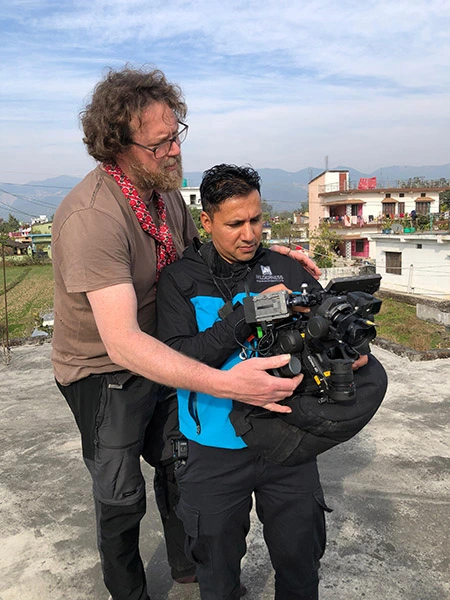
Wilderness Film Productions served as the official Location Manager for the Nepal shoot of Tenzing (2026).
Introduction
Tenzing (2026) is Apple's new Everest biopic, and much of it was shot on real ground in Nepal. This guide covers every confirmed filming location used during production, along with elevation, permit type, and shoot dates. Wilderness Film Productions served as the official Location Manager for the entire Nepal shoot. Our team secured every permit, coordinated with local authorities, and managed logistics across nine primary sites. This page exists as the single most complete public record of where Tenzing was actually filmed.
Production Overview and Permit Procedure
Wilderness Outdoors carried out all local production work in Nepal, managing logistics, permits, and ground operations. The production chain ran from See-Saw Films, the foreign producer, to India Take One Productions. India Take One then assigned all local Nepal production and permitting directly to our team. Nepal offered strong locations, but lacked, at the time, production-scale equipment for a shoot this size. India brought that infrastructure, along with direct experience from the Oscar-nominated film Lion.
Aerial and drone permits followed a separate chain, arriving directly from Plum Productions and See-Saw Films. A small aerial crew from New Zealand carried out that work at Everest base camp. They stayed roughly two weeks on site to complete every planned aerial shot.
Every permit, location agreement, and local filing used the internal working title Tashi rather than Tenzing. Tashi is a Tibetan and Sherpa word meaning good fortune, chosen for being easy to pronounce locally. It also carried no obvious link to Everest, which helped the production stay confidential during scouting and filming.
Tenzing Filming Locations in Nepal: Complete List
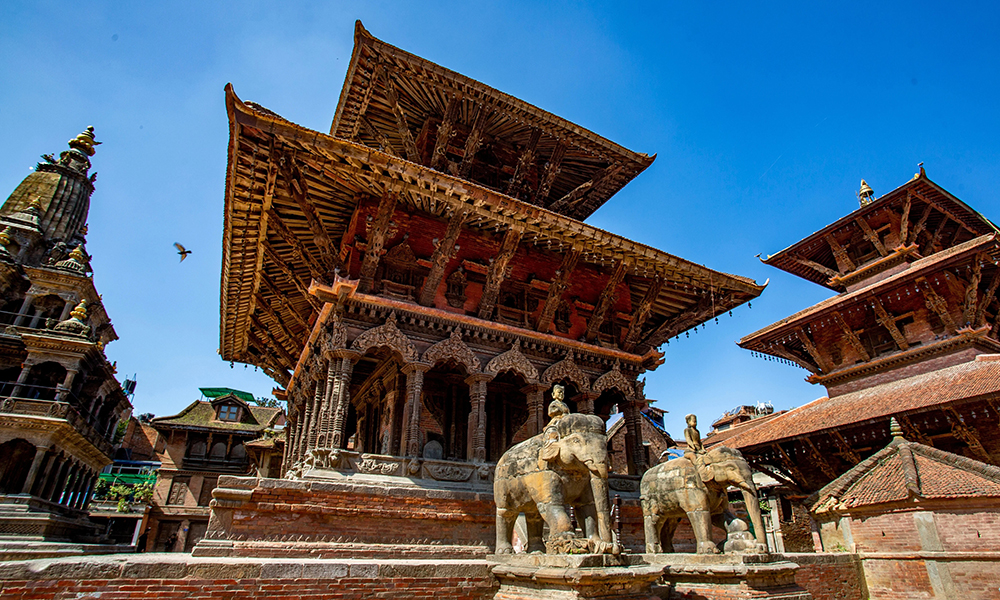
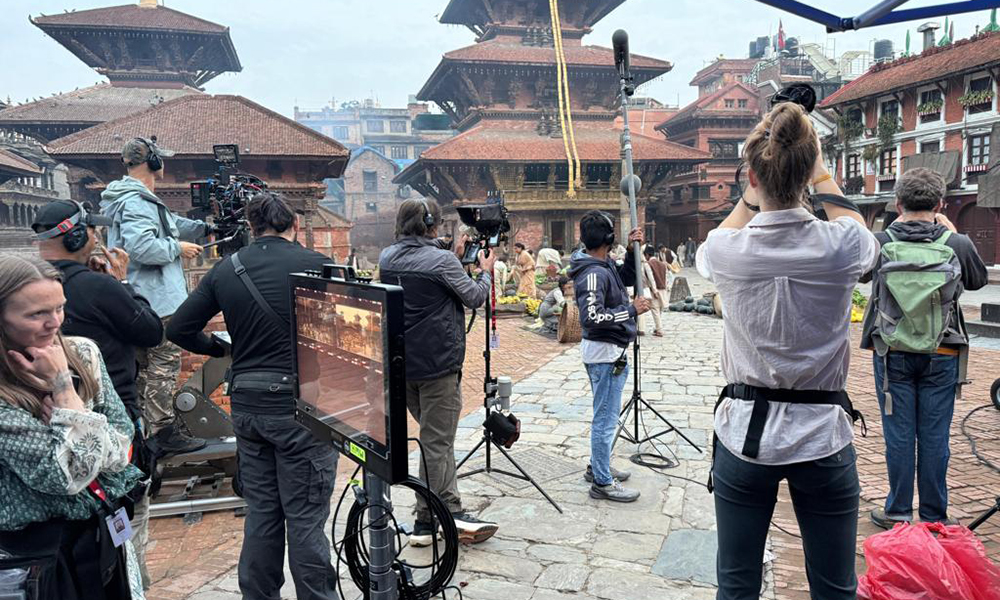
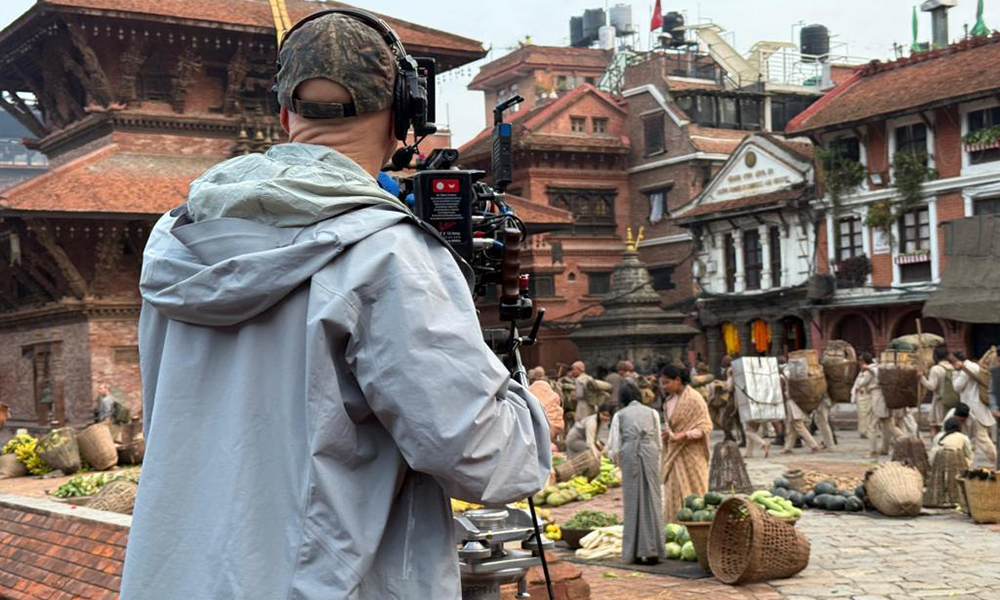
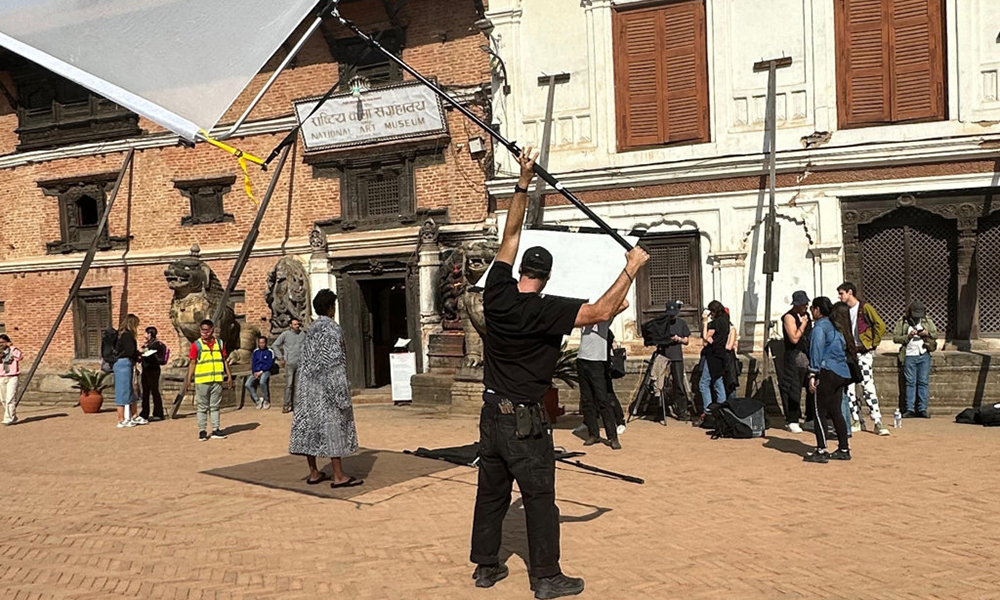
Patan Durbar Square, Kathmandu
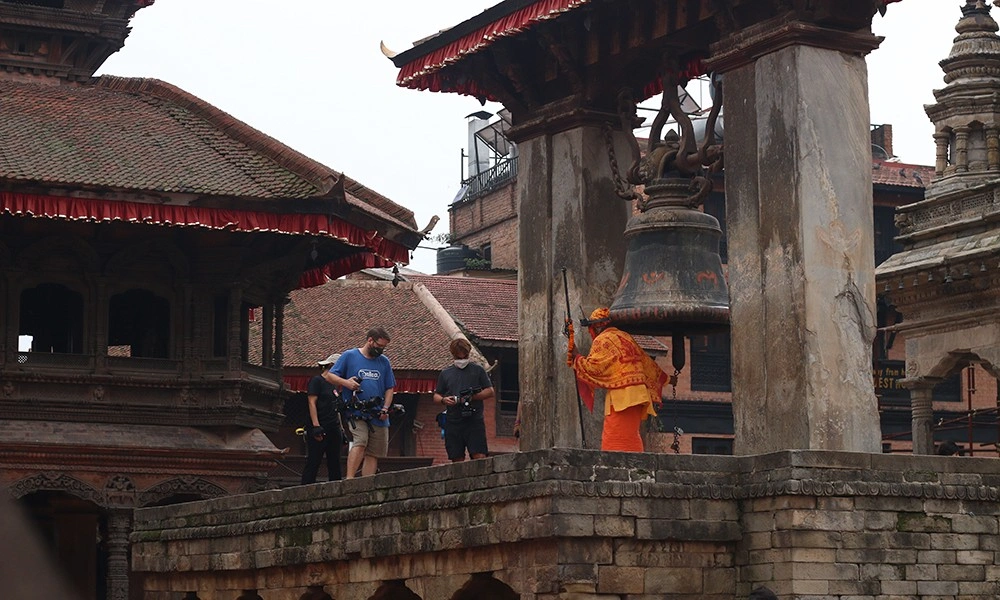
Elevation: 1,400 meters What was filmed: 1950s Kathmandu street scenes and period crowd sequences Permit authority: Department of Archaeology, Kathmandu Filming dates: Multiple days in May 2025
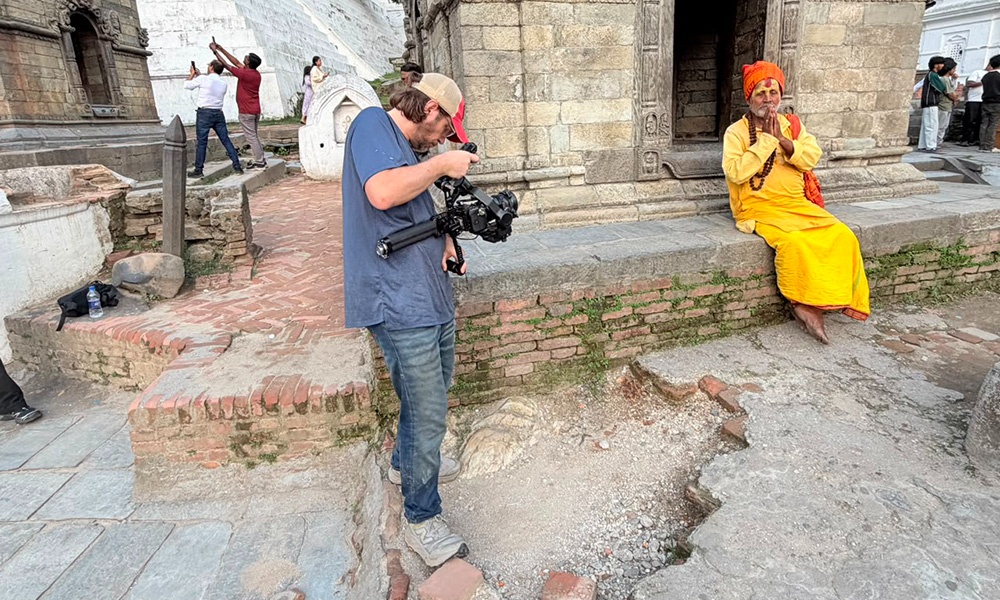
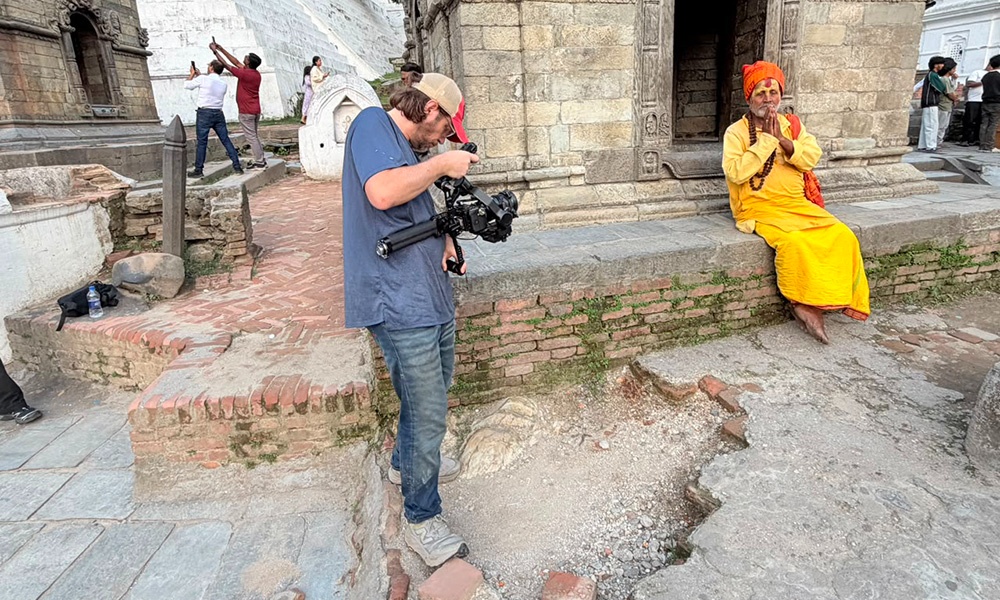
This UNESCO World Heritage site was dressed as 1950s Kathmandu for the production's street sequences. Filming here drew heavy public attention across the shoot, with crowds gathering to watch the cast at work.
Bandipur, Tanahun District
Elevation: 1,030 meters What was filmed: Darjeeling-era sequences set around the time of the 1953 summit Permit authority: Bandipur Rural Municipality Filming dates: Three days in May 2025
Bandipur is a hilltop settlement known for preserved Newari architecture and a former India-Tibet trade route. In the film, its streets stand in for Darjeeling around the time of the summit. The production redressed sections of the old Bandipur Bazaar with period props and set dressing for filming. Around 300 local residents joined as background actors, earning a daily wage of NPR 1,000 to 1,500. The Bandipur Rural Municipality formally recognized the production for choosing the town as a filming site.
Jomsom, Mustang District
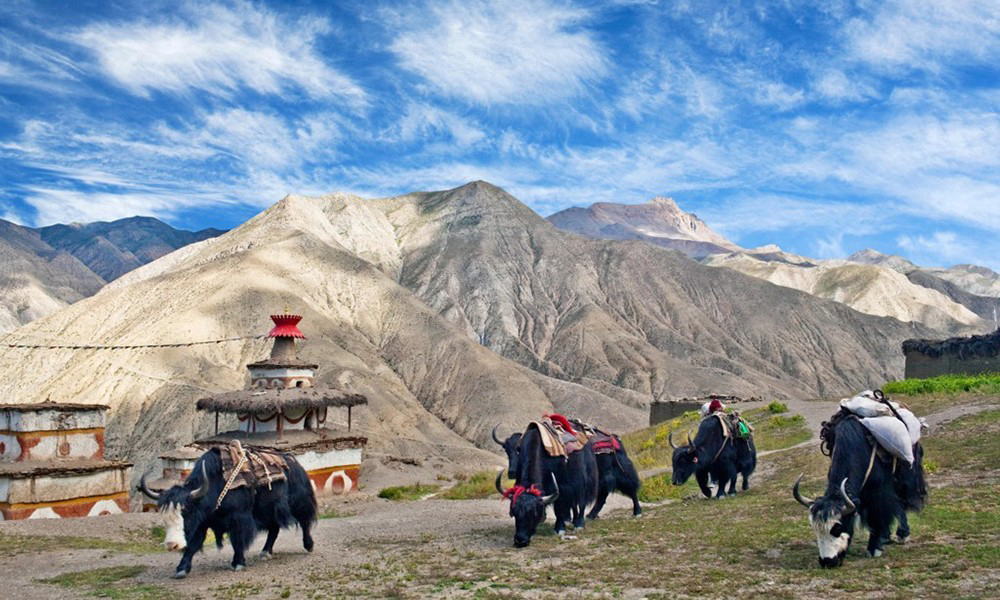
Elevation: 2,700 meters What was filmed: Tibet and fictional Thanzig sequences, plus high-altitude approach scenes Permit authority: Special restricted-area permit, Mustang district office Filming dates: Multiple days in June 2025
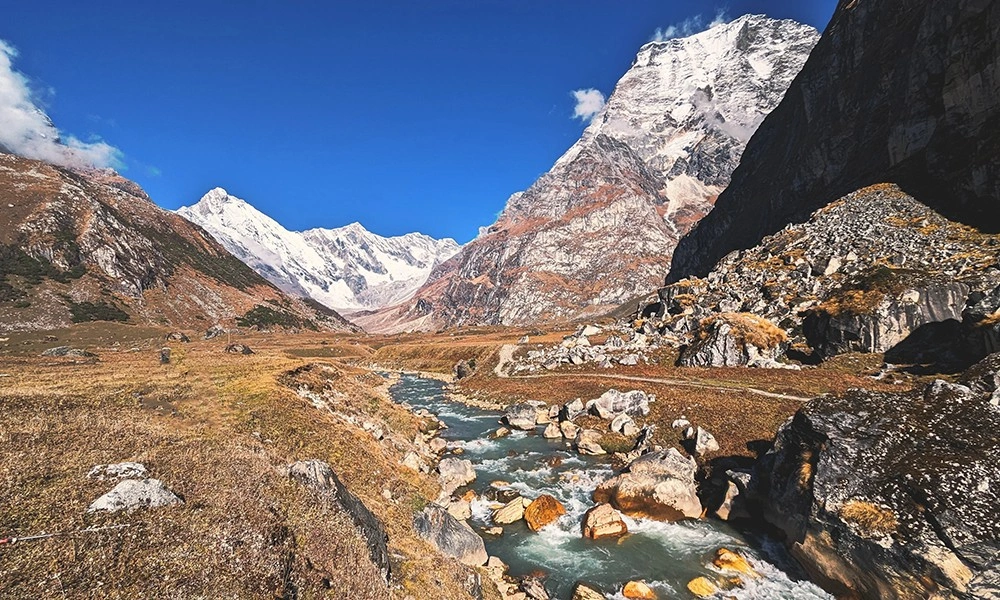
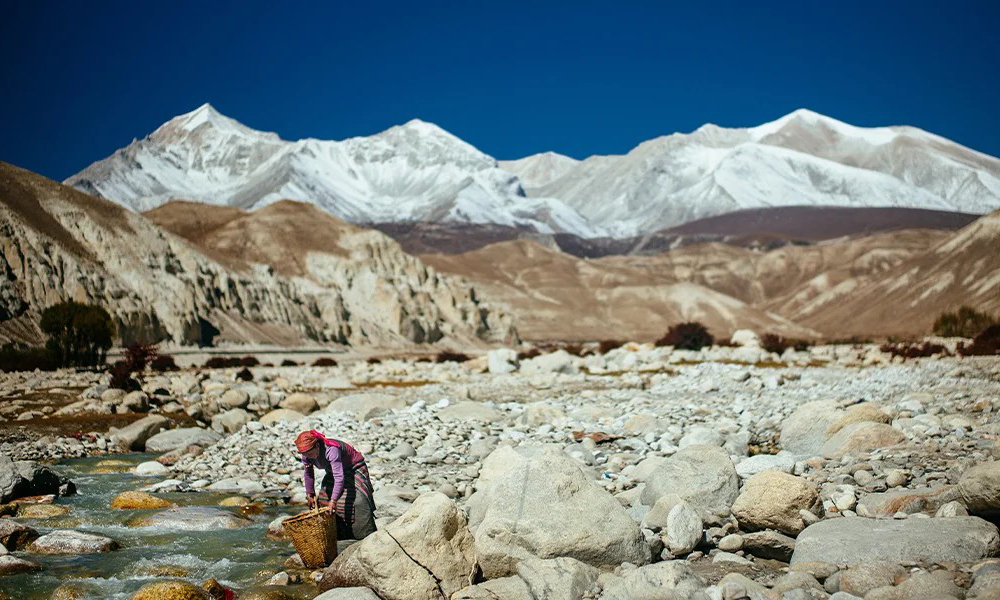
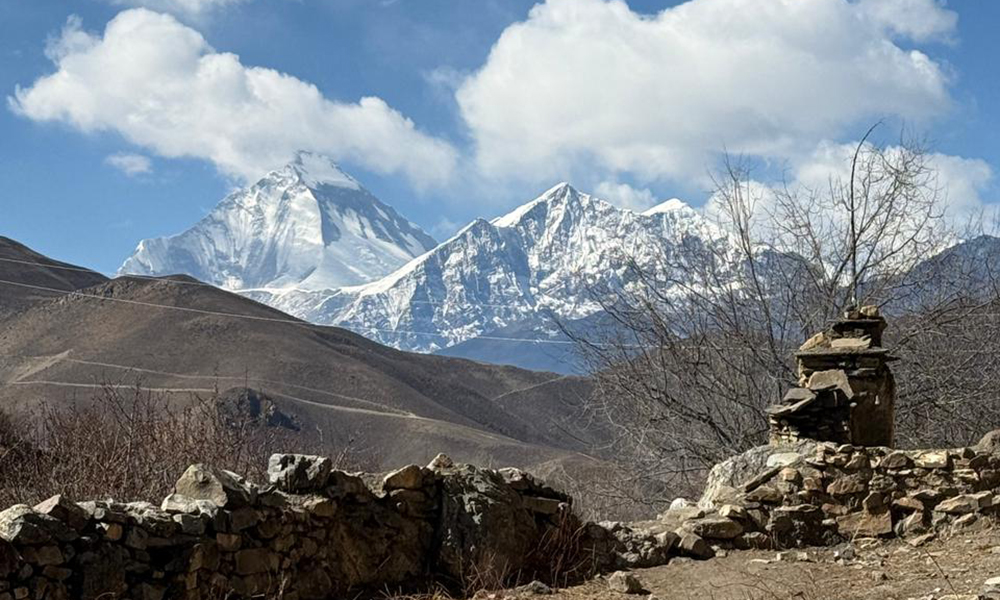
Jomsom sits inside Mustang, a restricted area that was closed to foreign visitors until 1992. The Kaligandaki River cuts a wide valley through eroded canyon walls in this exact region. In the film, this terrain stands in for Tibet, specifically the fictional region called Thanzig. Production chose Jomsom for its hostile, high-altitude look without pushing cast above 3,000 meters.
Sindhupalchok District
Elevation: 1,500 to 2,500 meters across multiple sites What was filmed: Trekking sequences and period expedition-movement scenes Filming dates: Multiple days in May and June 2025
Sindhupalchok sits northeast of Kathmandu, along the road toward the Tibet border crossing. It offered Himalayan terrain for generic trekking scenes without the heavier logistics of the Everest region.
Khumjung Village, Solukhumbu District
Elevation: 3,790 meters What was filmed: 1953 expedition base camp sequences and high-altitude climbing scenes Permit authority: Sagarmatha National Park and local Khumbu authorities Filming dates: Multiple days in May and June 2025
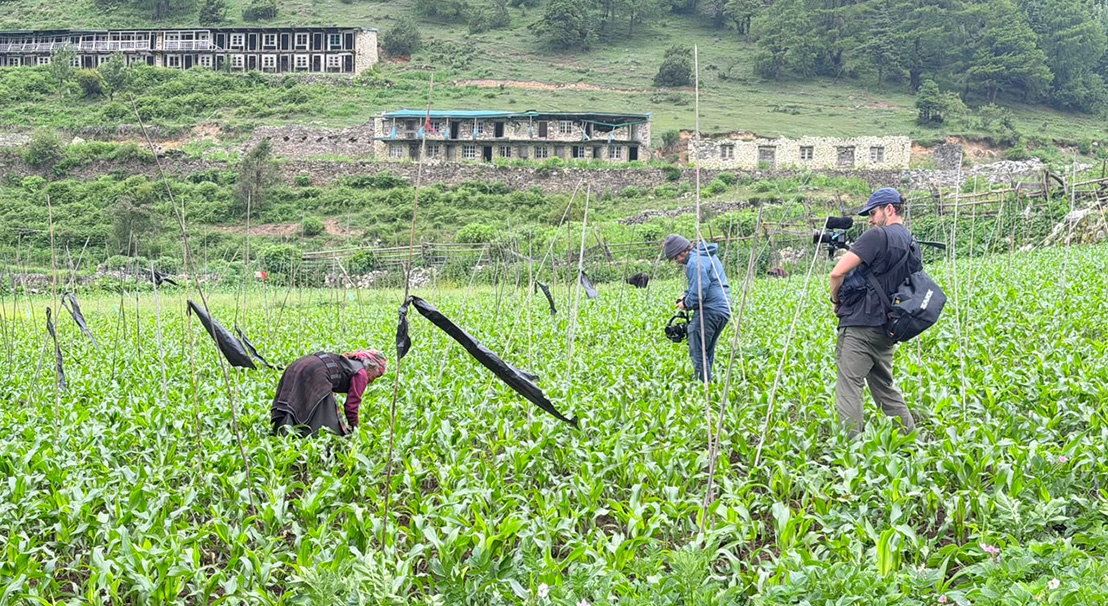
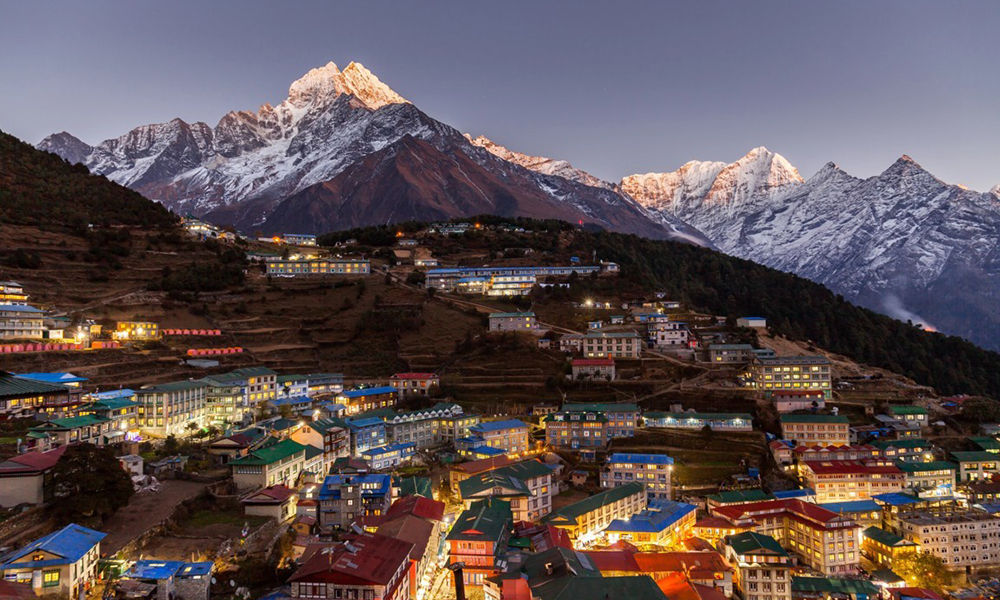
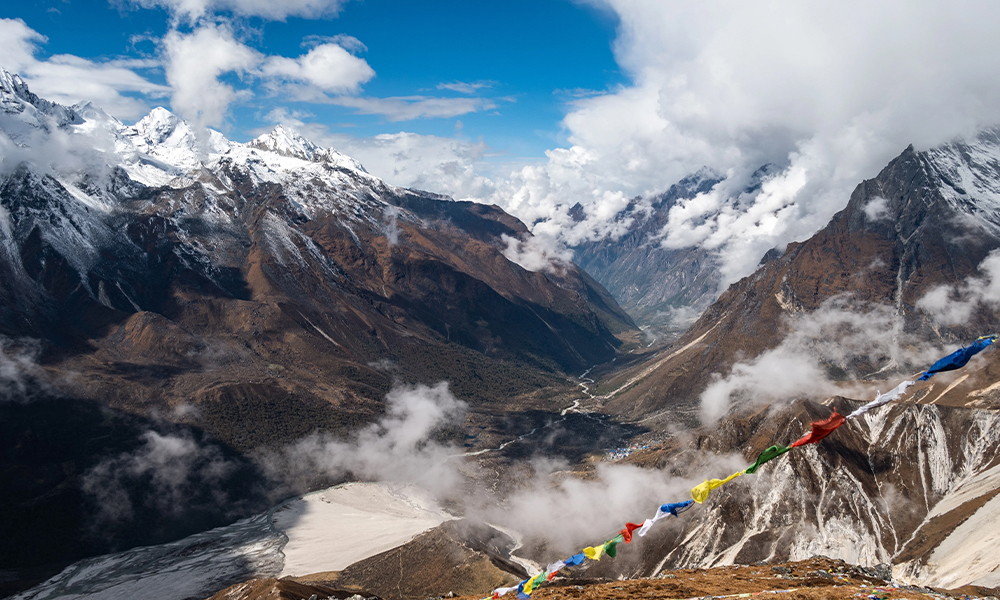
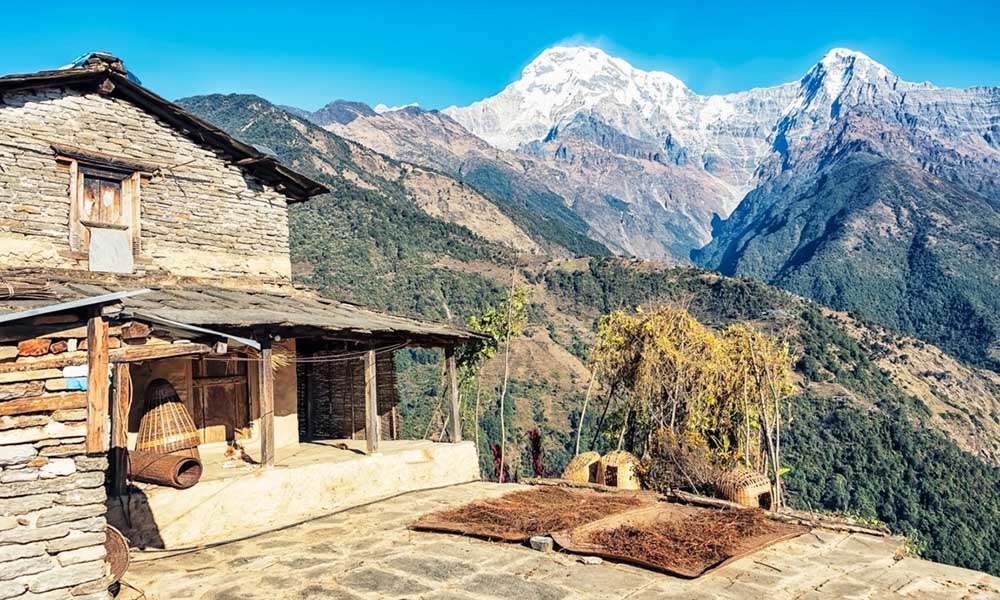
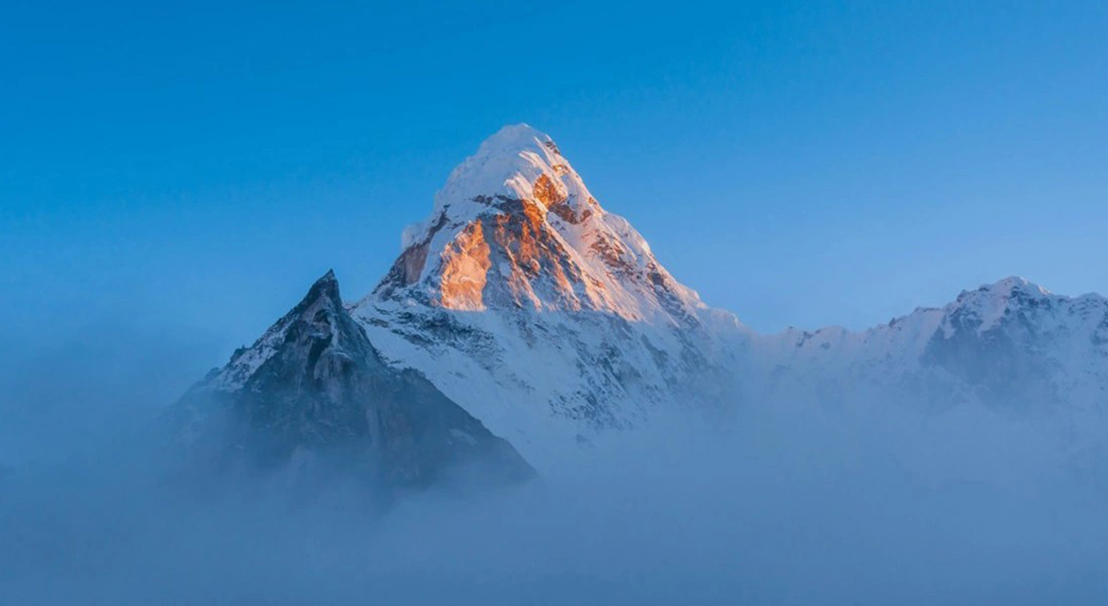
Khumjung is a Sherpa village inside the Khumbu Valley, sitting just below Everest itself. It remains the traditional home of the Khumbu Sherpa community and holds the Hillary School nearby. The production built a reconstructed 1953 expedition base camp in a field outside the village. At roughly 4,000 meters, this was the highest point used during the entire Nepal shoot.
Filming Locations Outside Nepal
Principal photography did not stay only inside Nepal for the full production schedule. After the Nepal leg wrapped, additional scenes moved to New Zealand for further shooting. Crews used sites inside Aoraki, Mount Cook National Park, on the South Island. Malte Brun Pass and the area near the Hochstetter Icefall doubled as key sequences.
Those sites stood in for Everest Base Camp and the Hillary Step near the summit. Filming wrapped there on August 7, 2025, closing out the international production schedule. Wilderness Film Productions managed only the Nepal leg of this two-country shoot overall.
Key Production Statistics
Filming Locations: 9 main spots in the Khumbu and Kathmandu Valleys (Nepal), plus Aoraki/Mount Cook National Park in New Zealand.
Highest Filming Spot in Nepal: About 4,000 meters up, near Khumjung village.
Filming in Nepal: May to June 2025.
Drone & Aerial Shoots: October to November 2025.
Aerial Crew: A small team from New Zealand.
Production Finished: August 7, 2025 (in New Zealand).
Local Partner: Wilderness Outdoors (as Wilderness Film Productions).
Permits From: Nepal's Archaeology Department, Tourism Ministry, Sagarmatha National Park, and local town offices.
Release Dates: In theaters on October 9, 2026; on Apple TV on October 16, 2026.
How Wilderness Film Productions Managed the Locations
Our team secured every government permit required across all nine locations used in Nepal. We coordinated directly with the Department of Archaeology, the Ministry of Culture, Tourism and Civil Aviation, and Sagarmatha National Park. We also worked with every local municipality tied to a filming site, including Bandipur and Khumjung.
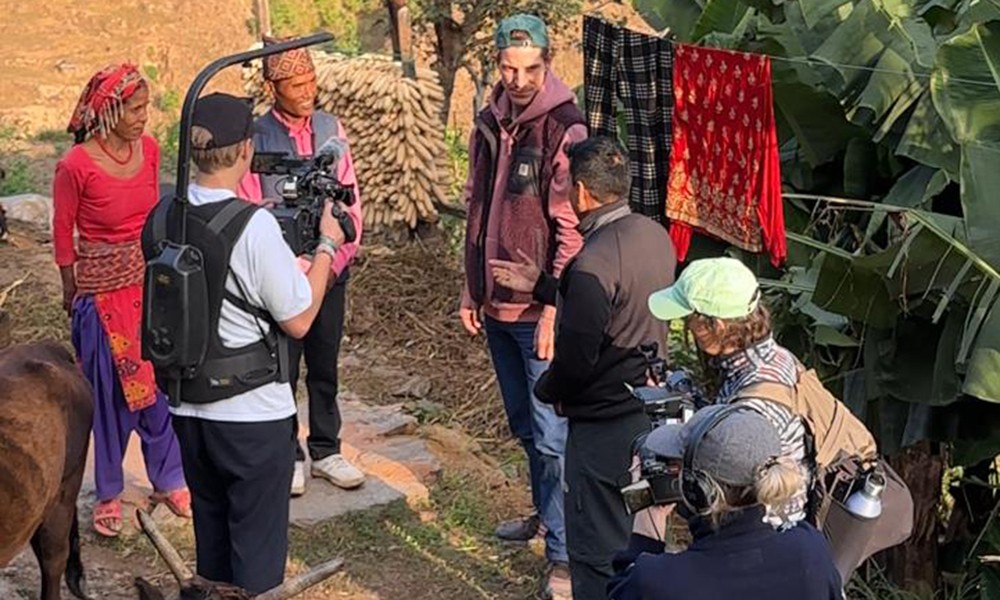
Local crew hiring, community coordination, and daily logistics ran through our team at every stage. Medical and logistical support covered elevations from 1,030 meters in Bandipur up to 4,000 meters near Khumjung. The production did not lose a single shooting day across the full multi-month Nepal schedule.
Wilderness Film Productions is Nepal's leading fixer and film coordinator company for international productions. We handle location scouting, government permits, local crew hiring, and full logistics across every region of Nepal. Contact us to plan your next production location in Nepal.
Wilderness Film Productions is Nepal's leading fixer and film coordinator company for international productions. We handle location scouting, government permits, local crew hiring, and full logistics across every region of Nepal.



Latest Comments